
















Gratitude Journal: How to Start One, With 30 Prompts

A gratitude journal is a notebook or app where you write down a few specific things you’re thankful for, usually three to five, a few times a week.

Better Nights, Better Days.
Pure, tested, made properly.
A gratitude journal is a notebook or app where you write down a few specific things you’re thankful for, usually three to five, a few times a week.

A highly sensitive person (HSP) processes sights, sounds, emotions and details more deeply than most people, so they notice more and can get overwhelmed more easily. It’s a normal personality trait, not a disorder.
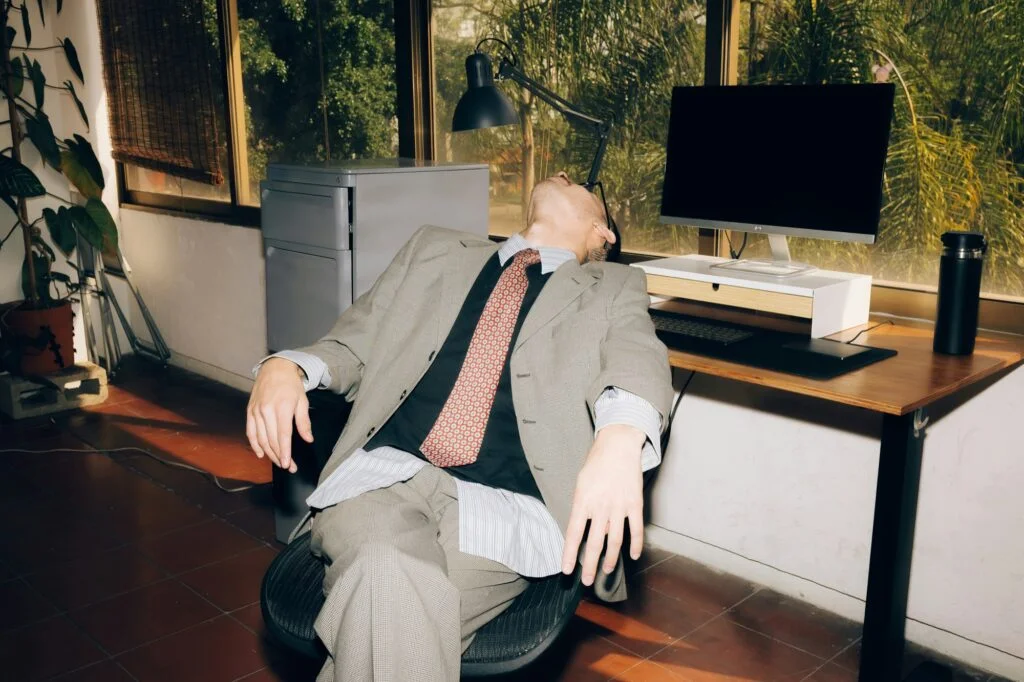
High-functioning anxiety isn’t a medical diagnosis. It describes people who seem calm, organised and successful but are driven by constant worry underneath: overthinking, perfectionism, trouble switching off and poor sleep.

Feeling cold more than others is often harmless: being slim, not eating enough, poor sleep, little movement or simply a chilly home.

Doomscrolling is scrolling through bad news or negative posts for far longer than you meant to, often late at night. A 2026 review of 44 studies linked it with more anxiety, low mood and stress.

Yes, stress can make your hair fall out. The most common type, telogen effluvium, causes extra shedding around 3 months after a stressful event or illness.

Yoga nidra, sometimes called NSDR (non-sleep deep rest), is a guided relaxation you do lying down. You stay awake while a voice leads you through your breath and body, moving you into a state between waking and sleep.

“Hormonal imbalance” isn’t a diagnosis, but it’s a useful way to describe symptoms caused by hormone changes or conditions, such as irregular periods, tiredness, weight changes, mood swings, acne, hair changes and poor sleep.
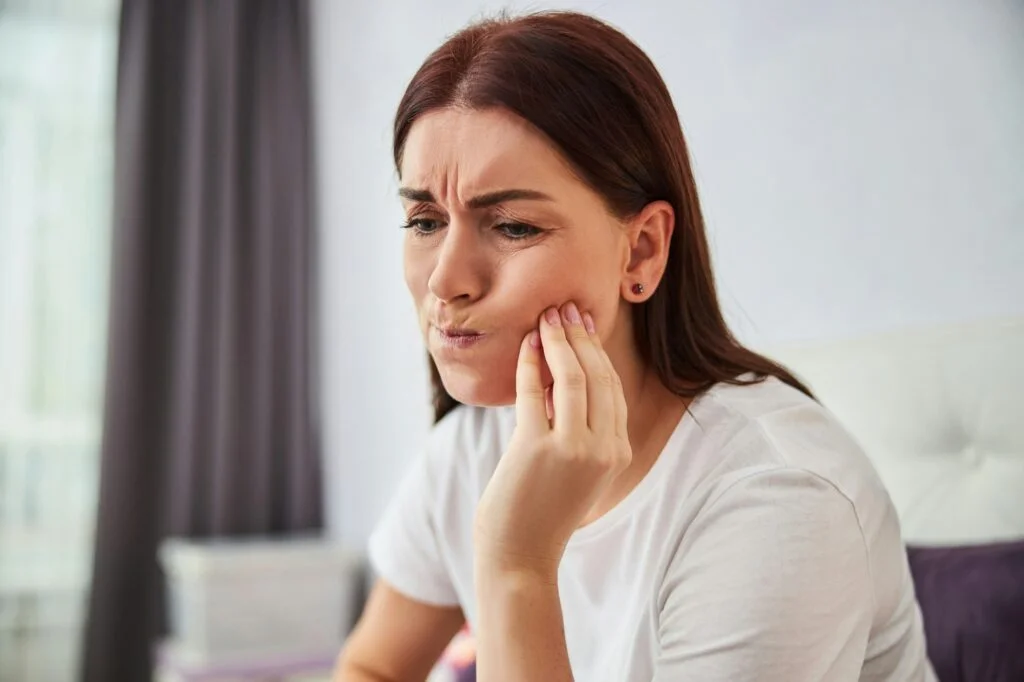
Teeth grinding (bruxism) is clenching or grinding your teeth, usually at night. The NHS says stress and anxiety are the most common cause. It can lead to jaw pain, headaches, earache and worn teeth.

Anxiety can make you feel dizzy, lightheaded, woozy or off-balance, often because fast, shallow breathing during stress or panic changes how your body feels. It usually eases as you calm down.

An underactive thyroid (hypothyroidism) is when your thyroid gland doesn’t make enough hormones. Common symptoms are extreme tiredness, feeling cold, weight gain, constipation, low mood, brain fog, dry skin and hair, and heavy or irregular periods.

Intrusive thoughts are unwanted, upsetting thoughts, images or urges, often about harm, sex, illness or doing something out of character. Almost everyone has them, and having one doesn’t mean you want it or will act on it.