Last updated: 11 November 2026
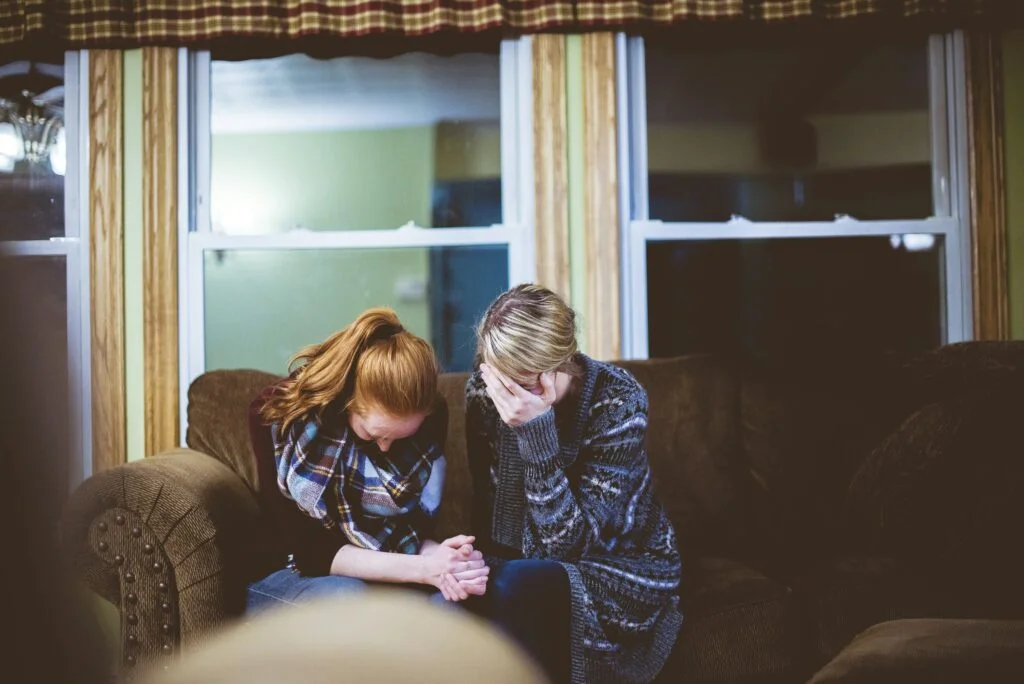
An acute stress reaction is the short-term shock response people often have after a frightening or distressing event, such as an accident, an assault or a sudden death. It can bring a racing heart, feeling dazed, shaking, poor sleep and upsetting thoughts. It is a normal reaction, and for most people it eases within days to a few weeks.
iIf symptoms are still causing problems about 4 weeks after the event, see a GP. This guide uses NHS, NHS inform, NICE and World Health Organization wording, checked in November 2026. It is general information, not a diagnosis.
Need help now? If you or someone else is in danger, or you feel you can’t keep yourself safe, call 999 or go to A&E. For urgent mental health help in England, call NHS 111 and choose the mental health option (option 2). Samaritans are free to call, day or night, on 116 123, or text SHOUT to 85258.
What is an acute stress reaction?
An acute stress reaction is a burst of emotional, physical and mental symptoms that starts within hours or days of an extremely threatening or upsetting event. The World Health Organization classes it as a normal response rather than a mental illness, because the symptoms usually begin to settle within a few days of the event, or of leaving the situation.
Events that can trigger it include a road accident, an assault or robbery, a fire or flood, a sudden or violent death of someone close, being told about a serious illness, or seeing something terrible happen to someone else. Paramedics, police, nurses and soldiers can have the same reaction through their work.
It is your body’s alarm system staying switched on after the danger has passed: the same fight or flight response that floods you with adrenaline in the moment. It isn’t a sign of weakness, and having one doesn’t mean you will go on to develop post-traumatic stress disorder (PTSD).
Acute stress reaction symptoms
Acute stress reaction symptoms can be physical, emotional and behavioural. The World Health Organization lists signs of anxiety such as a racing heart, sweating and flushing, along with feeling dazed or confused, sadness, anger, despair, being unable to sit still, withdrawing from people or, at the extreme, being unable to move or respond.
| Physical | Emotional and mental | Behaviour |
|---|---|---|
| Racing or pounding heart | Shock, numbness, feeling dazed | Restless, can’t settle |
| Sweating, shaking, flushing | Fear, anxiety, feeling on edge | Withdrawing from people |
| Feeling sick, stomach upset | Sadness, anger, guilt or despair | Avoiding reminders of the event |
| Headaches, tense muscles | Replaying the event, intrusive thoughts | Sleeping badly, nightmares |
| Tiredness, low energy | Confused, hard to concentrate | Drinking or smoking more |
Some people feel detached, as if things around them aren’t real or they are watching themselves from outside. Others feel fine at first and only react days later. Both are common.
Chest pain, breathlessness or a racing heart that doesn’t settle should always be checked: call 999 if you think it could be a heart attack. For the wider picture of how stress shows up in the body, see stress symptoms and anxiety symptoms.
How long does an acute stress reaction last?
An acute stress reaction usually starts to ease within a few days. NHS inform says upsetting and confusing thoughts after a traumatic event are normal and in most cases improve after a few weeks. If you are still having problems about 4 weeks after the event, or the symptoms are particularly troublesome, contact your GP practice.
Recovery isn’t always a straight line. A reminder, an anniversary, a court case or a news story can bring the feelings back for a while. That is common too, and it usually passes.
Acute stress disorder vs PTSD
Acute stress disorder is the diagnosis doctors use when strong trauma symptoms last from 3 days to 1 month after the event. Post-traumatic stress disorder (PTSD) is diagnosed when symptoms such as flashbacks, nightmares, avoidance and feeling constantly on guard carry on for more than a month. Many people with acute stress disorder recover without developing PTSD.
| Acute stress reaction | Acute stress disorder | PTSD | |
|---|---|---|---|
| When | Hours to days after the event | 3 days to 1 month after | Lasts more than a month, can start months or years later |
| What it is | A normal response, usually easing within days | Severe distress in the first month | A mental health condition |
| Usual care | Support, rest, practical help | Active monitoring or trauma-focused CBT | Trauma-focused CBT or EMDR, sometimes medicine |
The term “acute stress disorder” comes from the US psychiatric manual (DSM-5). The World Health Organization’s ICD-11 has acute stress reaction and PTSD but no separate acute stress disorder diagnosis, so you may hear either term.
NICE’s PTSD guideline (NG116) sets out care in the first month. For milder symptoms within a month of the event, it says to consider active monitoring, with a follow-up within 1 month. For adults with acute stress disorder or clinically important symptoms of PTSD within a month of the event, it recommends offering individual trauma-focused CBT. A review by Richard Bryant (2018) found an acute stress disorder diagnosis is not an accurate predictor of who will develop PTSD, but that trauma-focused CBT in the first weeks reduces later PTSD severity.
The NHS lists PTSD symptoms as distressing thoughts about the event, avoiding people or places that remind you of it, feeling very anxious and looking for danger all the time, and difficulty sleeping. Symptoms can start straight after the event or many months, or even years, later.
What helps in the first few weeks
In the first few weeks after a shock, what helps most is practical and simple: feeling safe, being with people you trust, rest, regular meals and getting back to a normal routine at your own pace. You don’t have to talk about what happened until you’re ready, and you shouldn’t be pushed to.
- Lean on people. Spend time with family or friends. Let them help with practical things such as meals, lifts or childcare.
- Keep a basic routine. Get up, eat and go to bed at roughly the same times, even if sleep is broken.
- Go easy on alcohol. It can feel like it takes the edge off, but it makes sleep and mood worse. See alcohol and sleep.
- Calm your body. Slow breathing, such as box breathing or 4-7-8 breathing, and grounding techniques can help when you feel panicky or detached.
- Move a little. A short walk outside each day helps burn off the adrenaline.
- Limit replays. Watching news or social media coverage of the event again and again can keep the alarm switched on.
- Be patient with sleep. Bad nights and nightmares are common at first. Our insomnia guide has steps that help.
NICE says psychologically focused debriefing, a single session where people are asked to go over the event in detail soon afterwards, should not be offered to prevent or treat PTSD. Talking when you choose to, with people you trust, is different and can help.
If the event was a bereavement, our guide to coping with grief may also help.
When to get help
| If | What to do |
|---|---|
| Symptoms are still causing problems about 4 weeks after the event | Contact your GP practice |
| Symptoms are very distressing, or you can’t work or look after yourself or others | See your GP sooner; you don’t have to wait 4 weeks |
| You want talking therapy | In England, refer yourself to NHS Talking Therapies (18 or over, 16 or over in some areas) |
| You need urgent mental health help | Call NHS 111 and choose the mental health option, or Samaritans on 116 123 |
| You or someone else is in danger, or you can’t keep yourself safe | Call 999 or go to A&E |
For children and young people, NICE suggests active monitoring or individual trauma-focused CBT within a month of the event for those with acute stress disorder or clinically important symptoms of PTSD. Speak to your child’s GP if they seem very upset, withdrawn, clingy or are acting out the event in play weeks later.
If a shock comes on top of months of pressure, our guides to the signs of a nervous breakdown and how to deal with anxiety explain what else can help.
Medicines, supplements and CBD after a shock
NICE says not to offer drug treatments, including benzodiazepines such as diazepam, to prevent PTSD in adults. If PTSD is diagnosed and you would prefer medicine, a doctor may consider an antidepressant such as sertraline. Never take someone else’s tablets, and don’t stop a medicine you already take without speaking to your prescriber. Our guide to anxiety medication in the UK explains the main options.
iNo supplement treats an acute stress reaction, acute stress disorder or PTSD. If you take any prescribed medicine, ask a pharmacist before adding a supplement. If you’re wondering about CBD, read will CBD interact with medication? first, as CBD can interact with some medicines.
Next step
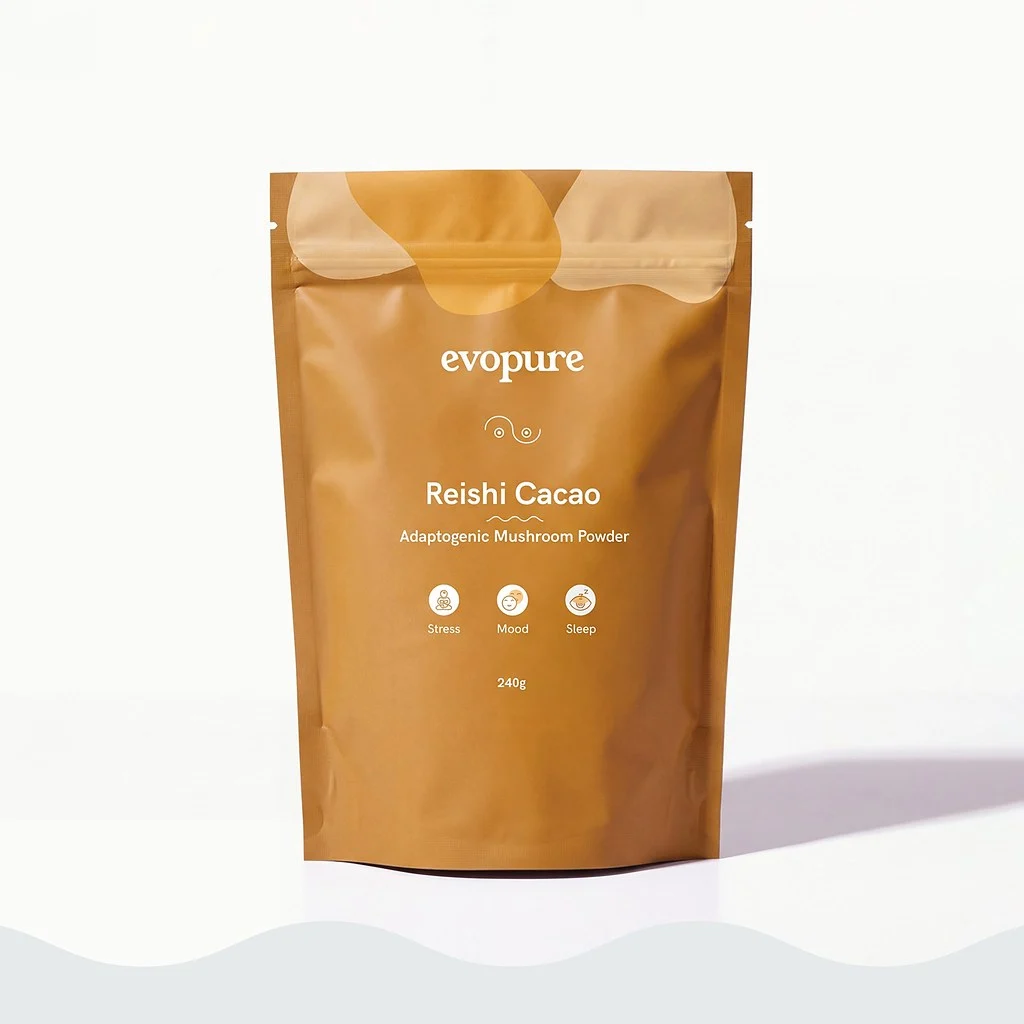
once things have settled and you’re building a calmer evening routine, our Reishi Cacao is a warm drink made with cocoa, reishi mushroom, maca and cinnamon. It contains a little natural caffeine from the cocoa, so have it earlier in the evening, and the pack advises against it if you are pregnant, breastfeeding or take medication.
Add Reishi Cacao to bag See ingredients and reviews
Or try the Magnesium Glycinate Sleep Complex, a berry drink powder with 290mg of magnesium (77% NRV) per 4.75g serving from bisglycinate and citrate. Magnesium contributes to normal psychological function and to a reduction of tiredness and fatigue. Neither is a treatment for stress. If you take any medicine, check with your GP or pharmacist first.
Add Magnesium Glycinate Sleep Complex to bag See ingredients and reviews
Both are vegan and made in the UK, for adults only. We don’t recommend our products during pregnancy or breastfeeding. Subscribe and save 25% on your first order, then 20%. New to Evopure? Join our emails for 20% off a one-off first order. Free UK delivery over £45.
Sources 7
- NHS. Post-traumatic stress disorder (PTSD).
- NHS inform. Post-traumatic stress disorder (PTSD).
- NICE. Post-traumatic stress disorder (NG116): recommendations, sections 1.6.4, 1.6.5, 1.6.6, 1.6.15 and 1.6.24.
- World Health Organization. ICD-11: QE84 Acute stress reaction.
- Bryant RA (2018). The current evidence for acute stress disorder. Curr Psychiatry Rep.
- NHS. Where to get urgent help for mental health and Find NHS Talking Therapies.
- NHS. Breathing exercises for stress.
This guide is general information, not medical advice. Evopure makes the Reishi Mushroom Adaptogenic Complex and the Magnesium Glycinate Sleep Complex and doesn’t make or sell medicines.