Last updated: 11 November 2026
Zopiclone is a prescription-only sleeping tablet, sometimes called a Z-drug, used for short-term insomnia and usually not prescribed for more than 4 weeks. The NHS lists a bitter or metallic taste, a dry mouth and next-day sleepiness as common side effects. Don’t drive for 12 hours after a dose, and never stop suddenly without your prescriber.
If side effects bother you or don’t go away, speak to a pharmacist or your doctor. Checked against the NHS zopiclone page (reviewed 22 June 2026), the Zimovane 7.5mg patient leaflet on the electronic medicines compendium (revised November 2025) and the MHRA’s January 2026 safety update in November 2026.
What is zopiclone?
Zopiclone is a hypnotic sleeping pill that the NHS describes as a type of Z-drug, which affects a calming chemical in your brain. A doctor may prescribe it for a short time if you struggle to fall asleep, wake in the night or wake too early, and it’s affecting your everyday life. It’s only available on prescription in the UK.
| Zopiclone fact | What the NHS and leaflet say |
|---|---|
| Status | Prescription-only medicine |
| Usual adult dose | 7.5mg just before bed (Zimovane leaflet) |
| Older adults | Usual starting dose 3.75mg (leaflet) |
| How fast it works | Around 30 to 60 minutes (NHS) |
| Usual course | A few days to a few weeks; usually not more than 4 weeks (NHS) |
| Age | Adults over 18 only (leaflet) |
The NHS says swallow the tablet whole with a drink of water once a day before bed. If you forget a dose, skip it and take the next one before bed the next day. Never take 2 doses to make up for a missed one, or more than 1 dose in the same night. For how zopiclone fits into insomnia treatment as a whole, see sleeping pills and other insomnia medicines.
Zopiclone side effects: what the NHS and leaflet say
The most common zopiclone side effects are a bitter or metallic taste, a dry mouth and feeling drowsy, sleepy, dazed or less alert the next day. The NHS lists these as common, and the Zimovane leaflet says they may affect 1 to 10 in every 100 people. Speak to a pharmacist or doctor if they bother you or don’t go away.
| Side effect (Zimovane leaflet) | How common |
|---|---|
| Bitter or metallic taste, dry mouth | Common: 1 to 10 in 100 |
| Feeling drowsy or sleepy | Common: 1 to 10 in 100 |
| Feeling sick, dizziness, headache, nightmares, tiredness, agitation | Uncommon: 1 to 10 in 1,000 |
| Poor memory (amnesia), hallucinations, falls (especially in older people) | Rare: 1 to 10 in 10,000 |
| Confusion, irritability, breathing difficulty, hives | Rare: 1 to 10 in 10,000 |
| Sleepwalking and other activities while not fully awake, dependence | Not known |
Why does zopiclone taste metallic?
iA mild bitter or metallic taste is one of the most common zopiclone side effects, and many people notice it in the morning. If it bothers you, ask a pharmacist for ideas. For a dry mouth, NHS medicine pages suggest chewing sugar-free gum or sucking sugar-free sweets.
Does zopiclone make you tired the next day?
It can. The NHS lists feeling tired, sleepy, dazed or less alert the next day as common. The leaflet says having 7 to 8 hours of uninterrupted sleep after a dose makes some side effects, such as poor memory, less likely. Only take it when you can stay in bed for a full night.
The leaflet also warns about mental health effects such as delusions, hallucinations, confusion, agitation and low mood. It says some studies have shown a raised risk of suicidal thoughts with certain sedatives and hypnotics, including zopiclone, although it isn’t known whether the medicine causes this. Contact your doctor as soon as possible if you have suicidal thoughts. You can report side effects through the MHRA Yellow Card scheme.
How long can you take zopiclone?
Usually a few days to a few weeks. The NHS says zopiclone is usually not prescribed for more than 4 weeks, because your body gets used to it and it stops working as well (tolerance). The Zimovane leaflet says the usual course is 2 days to 3 weeks, and that treatment should not go beyond 4 weeks including the time spent cutting down.
The leaflet says the risk of dependence rises with the dose and the length of treatment, and is greater after 4 weeks or in people with a history of mental health problems or alcohol or drug misuse. In January 2026 the MHRA announced stronger warnings for benzodiazepines, Z-drugs and gabapentinoids: packs will carry the warning “May cause addiction, dependence, and withdrawal reactions”, and leaflets will give clearer guidance on tapering and stopping.
The leaflet lists signs you may be becoming dependent:
- feeling you need to keep taking it for longer than your doctor recommended
- feeling you need more than the recommended dose
- using it for reasons other than prescribed
- feeling unwell when you stop, and better once you take it again
If any of these sound familiar, talk to your prescriber. Don’t stop on your own (see how to stop safely).
Zopiclone and driving: what UK law says
Don’t drive, ride a bike or use machinery for 12 hours after taking zopiclone, says the NHS. If you still feel sleepy, dazed or less alert after that, wait until those feelings have gone. The leaflet adds that the risk to driving ability goes up with higher doses, alcohol, or other medicines that make you drowsy.
On the law, GOV.UK says it’s illegal in England, Scotland and Wales to drive with legal drugs in your body if it impairs your driving, and that legal drugs include prescription and over-the-counter medicines. Zopiclone isn’t one of the medicines named on the GOV.UK drug-driving list, but the impairment rule applies to every medicine. If you’re not sure whether you should drive, GOV.UK says talk to your doctor, pharmacist or healthcare professional.
If you’re often fighting drowsiness in the day, see how to stay awake when tired, and pull over if you feel sleepy at the wheel.
Zopiclone and alcohol
Don’t drink alcohol while taking zopiclone. The NHS says alcohol can increase the effects of the medicine, which can cause breathing problems and make it very difficult to wake up. Apart from alcohol, you can eat and drink as usual. Alcohol also breaks up sleep later in the night; see alcohol and sleep.
Can zopiclone cause sleepwalking?
Yes, rarely. The NHS lists sleepwalking, or doing things while not fully awake, such as eating, talking on the phone or driving, as a possible serious side effect. The Zimovane leaflet says the next morning you may not remember what you did, and that this can happen whether or not you’ve had alcohol or other drowsy medicines.
iThe leaflet’s instruction is clear: if this happens, stop the treatment and contact your doctor or healthcare provider straight away. It also says don’t take zopiclone if you’ve ever done this after taking it before. For sleepwalking more generally, see sleepwalking.
Zopiclone in older adults
Older people usually start on a lower dose. The Zimovane leaflet gives a usual starting dose of 3.75mg for older adults, and lists falling, especially in older people, as a rare side effect. Next-day drowsiness and unsteadiness matter more if you get up in the night to use the toilet.
iIf an older relative takes zopiclone and seems unsteady or confused, ask their GP or pharmacist for a medicines review. Lighter, broken sleep is common with age; see sleep as you get older and middle insomnia.
Who should not take zopiclone?
Zopiclone may not be suitable if you:
- have had a serious side effect or allergic reaction to zopiclone or a similar medicine, such as other sleeping pills or sedatives
- have muscle weakness, such as myasthenia gravis
- have sleep apnoea or breathing problems
- have liver problems (the leaflet also mentions kidney problems)
- have been addicted to alcohol, drugs or prescription medicines before, especially opioids
- are under 18 (the leaflet says it shouldn’t be used)
The NHS says zopiclone isn’t usually used in pregnancy, but may sometimes be prescribed for a short time if sleep problems are severe and other treatments haven’t worked. If you’re breastfeeding, check with your doctor, and don’t share a bed with your baby after taking zopiclone or any medicine that makes you drowsy, because of the risk of sudden infant death syndrome.
Zopiclone with other medicines
Tell your doctor or pharmacist about every medicine, herbal remedy, vitamin and supplement you take. The NHS lists these as medicines that may not mix well with zopiclone:
- other medicines for sleep or anxiety
- opioid painkillers such as codeine, morphine or oxycodone
- antipsychotics, antidepressants and epilepsy medicines
- drowsy antihistamines such as chlorphenamine or promethazine
- antibiotics such as clarithromycin or erythromycin, and antifungal medicines
The leaflet says taking zopiclone with opioids increases the risk of drowsiness, breathing difficulties, coma and death, and that St John’s wort can make zopiclone work less well. That’s one reason not to add a pharmacy sleep aid on top of a prescription one; see over-the-counter sleeping tablets and St John’s wort.
How to stop taking zopiclone safely
Don’t stop zopiclone suddenly. The NHS says this can cause withdrawal symptoms such as feeling agitated or anxious, and that your doctor will reduce your dose gradually so you can stop safely. The leaflet says cutting down can take weeks to months, with a plan tailored to you.
Withdrawal symptoms listed in the leaflet include anxiety, shakiness, irritability, sweating, headache, a fast or uneven heartbeat, nightmares, being more sensitive to light, noise and touch, and, rarely, fits. Your sleep problems may also come back for a while. If you want to stop, speak to your prescriber first; the MHRA’s advice is not to stop without advice.
What else helps insomnia besides sleeping tablets?
The NHS says GPs now rarely prescribe sleeping pills, and only for a few days or weeks at most, because they can have serious side effects and you can become dependent on them. A GP may offer cognitive behavioural therapy (CBT) for insomnia, face to face or through an online self-help programme such as Sleepio.
- Get up at the same time every day, and don’t sleep in after a bad night. See sleep hygiene.
- Only go to bed when you’re sleepy, and relax for at least an hour before bed.
- No alcohol, tea or coffee for at least 6 hours before bed, and no big meal late at night. See how to stay asleep.
- Ask about melatonin only with your GP: it’s prescription-only in the UK. See melatonin in the UK.
If an antidepressant is keeping you awake, see does sertraline cause insomnia? and does fluoxetine make you tired?
When to get urgent help
| If you have | What to do |
|---|---|
| Side effects that bother you or don’t go away | Speak to a pharmacist or doctor |
| Taken more than your prescribed dose | Call NHS 111 |
| Difficulty breathing, sleepwalking or doing things while not fully awake, hallucinations, delusions or low mood | Call NHS 111 |
| Thoughts about harming yourself | Call NHS 111, or Samaritans on 116 123 |
| Swollen throat or tongue, a raised itchy rash and difficulty breathing (anaphylaxis) | Call 999 |
If you’re told to go to A&E, the NHS says don’t drive: ask someone to drive you or call 999 for an ambulance, and bring the zopiclone packet or leaflet and any other medicines you take.
Supplements and CBD with zopiclone: check first
No supplement treats insomnia or zopiclone side effects. The NHS asks you to tell your doctor about any herbal remedies, vitamins or supplements before you take zopiclone, so check with your GP or pharmacist before adding anything, including valerian or other herbal sleep products.
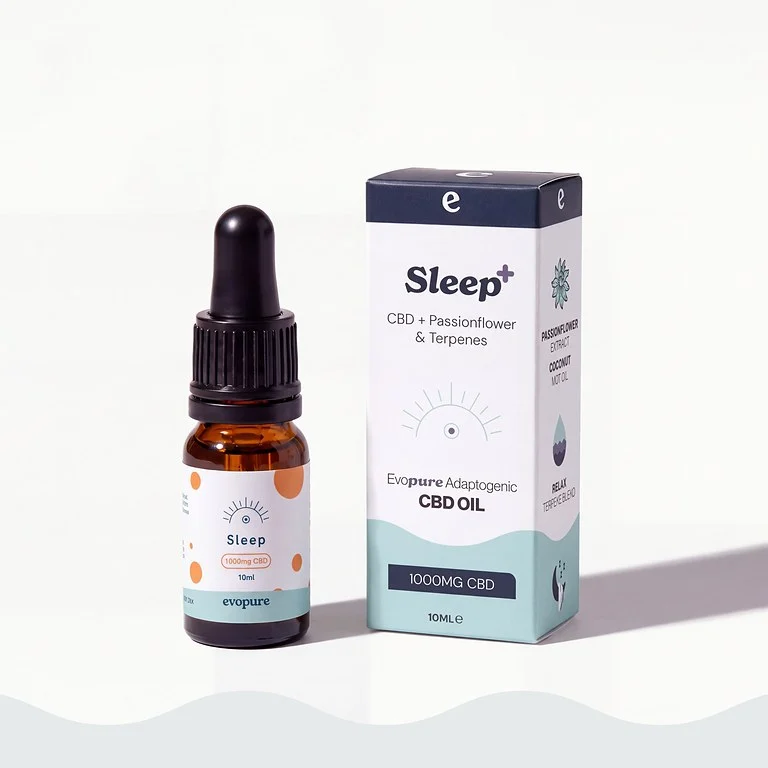
iCBD: don’t combine CBD with sleeping tablets without asking your GP or pharmacist. Drowsiness can add up, and CBD can interact with some medicines. The FSA advises people taking any medication not to take CBD unless under medical direction. See can CBD interact with medication?
Our Reishi Mushroom Adaptogenic Complex isn’t suggested here: its pack says it isn’t for people on medication.

Next step
Magnesium Glycinate Sleep Complex
If your GP or pharmacist is happy, the Magnesium Glycinate Sleep Complex is a berry drink powder with 290mg of magnesium (77% NRV) per 4.75g serving, from bisglycinate and citrate, plus glycine and L-theanine. Magnesium contributes to a reduction of tiredness and fatigue. It isn’t a sleep medicine and doesn’t replace one.
Add Magnesium Glycinate Sleep Complex to bag See ingredients and reviews
Subscribe and save 25% on your first order, then 20%. New to Evopure? Join our emails for 20% off a one-off first order. Free UK delivery over £45. Vegan and made in the UK. If you take any regular medicines, check with your GP or pharmacist first. We don’t recommend our products during pregnancy or breastfeeding. For adults (18+) only.
Subscribe £22.49One-off £29.99
View productSources 7
- NHS. Zopiclone (reviewed 22 June 2026).
- Sanofi. Zimovane 7.5mg film-coated tablets patient information leaflet, electronic medicines compendium (revised November 2025).
- MHRA (GOV.UK). MHRA strengthening dependency and addiction warnings on medicines used to treat pain, anxiety, and insomnia (8 January 2026).
- GOV.UK. Drugs and driving: the law.
- NHS. Insomnia.
- MHRA. Yellow Card scheme.
- FSA (GOV.UK). Cannabidiol (CBD) guidance.
This guide is general information, not medical advice. Always follow your prescriber and the leaflet that comes with your medicine. Evopure makes the Magnesium Glycinate Sleep Complex and doesn’t make or sell zopiclone.