Last updated: November 2026
Magnesium glycerophosphate is magnesium bound to glycerophosphate, a phosphate compound. In the UK it is best known as a prescription medicine for low blood magnesium: licensed chewable tablets each give 4mmol (97.2mg) of magnesium, and adults usually start on one or two tablets three times a day. It is also allowed in food supplements (checked November 2026).
This page explains what the form is, how much magnesium a tablet holds, prescription versus supplement, what the absorption evidence really shows and who should check with a GP first. It is general information, not medical advice. If you’ve been prescribed magnesium, follow your doctor’s plan.
What is magnesium glycerophosphate?
It is a magnesium salt of glycerophosphoric acid, so each dose also contains a little phosphate. Like every magnesium compound, most of its weight isn’t magnesium. The BNF says 1g of magnesium glycerophosphate is roughly equal to 97.2mg of magnesium, or 4mmol. One licensed tablet lists 777.6mg of the compound for the same 97.2mg, as the exact weight depends on the form the maker uses. Either way, only about a tenth to an eighth of the compound is magnesium (our sums).
Doctors and pharmacists often write magnesium doses in millimoles (mmol) rather than milligrams. For magnesium, 1mmol is about 24mg, so 4mmol is 97.2mg.
For how it sits next to the other forms, see our types of magnesium chart.
How much magnesium is in a tablet?
| Product (UK) | Magnesium per tablet | Adult starting dose |
|---|---|---|
| Neomag 4mmol chewable tablets (licensed) | 4mmol (97.2mg) | 1 to 2 tablets, 3 times a day |
| Magnesium 4mmol chewable tablets, Colonis (licensed) | 4mmol (97.2mg) | As prescribed |
| Unlicensed “specials” | Varies | As prescribed |
The Neomag starting dose of 12 to 24mmol a day is about 290 to 580mg of magnesium (our sums). That’s why it is a medicine taken under supervision: the top of that range is above the 400mg a day the NHS says is unlikely to cause harm from supplements, and the manufacturer advises checking blood magnesium every 3 to 6 months. The BNF gives 24mmol a day in divided doses to stop low magnesium coming back. By comparison, the NHS says adults need 300mg (men) or 270mg (women) a day, mostly from food. See how much magnesium per day.
Prescription or supplement: the UK picture
- Licensed medicines: Neomag (PL 36116/0003) and Colonis’ Magnesium 4mmol chewable tablets (PL 41344/0045) are licensed for chronic magnesium loss or low magnesium diagnosed by a doctor. Neomag is also licensed for adults whose low magnesium is caused by diuretics or other medicines. The Scottish Medicines Consortium accepted Neomag for NHS Scotland in 2017.
- Unlicensed specials: the BNF notes that tablets, capsules, liquids and powders are also made to order. Before any product was licensed, NICE’s 2013 evidence summary described oral magnesium glycerophosphate as an unlicensed medicine.
- In supplements: magnesium glycerophosphate is on the list of forms allowed in food supplements in Great Britain, and a few practitioner brands use it. For one example, see our Metagenics magnesium page. A supplement can’t claim to treat low magnesium.
Low blood magnesium (hypomagnesaemia) is diagnosed with a blood test and needs a doctor, especially if it causes symptoms. The BNF warns that magnesium products may not be interchangeable because absorption differs, so don’t swap a prescribed medicine for a shop-bought supplement without asking your GP or pharmacist. If you think you might be low, read signs of magnesium deficiency and see your GP.
Is magnesium glycerophosphate well absorbed?
Honestly, the evidence is thin. Here is what the official sources say:
- NICE’s 2013 evidence summary found no clinical trials of oral magnesium glycerophosphate for keeping magnesium up after hospital treatment, only 3 case reports. In all 3, it wasn’t enough on its own to keep blood levels normal.
- In one of those reports, a patient with a shortened bowel didn’t respond to glycerophosphate but did respond to magnesium oxide. Absorption depends a lot on the person and the gut.
- The Neomag product information says its relative bioavailability was measured in an early clinical study, and notes that the small intestine absorbs 30 to 50% of the magnesium we take in, a share that falls as the amount rises.
So there is no good human evidence that glycerophosphate is absorbed better or worse than glycinate or citrate. Splitting the daily amount into smaller doses, as prescriptions do, is the practical way to absorb more.
| Form | Where you’ll usually meet it | Read more |
|---|---|---|
| Glycerophosphate | Prescriptions; a few supplements | This page |
| Glycinate (bisglycinate) | Supplements | Magnesium glycinate |
| Citrate | Supplements | Magnesium citrate |
| Oxide | Cheaper supplements; some prescriptions | Magnesium oxide |
Side effects
- Diarrhoea is the main one, and it depends on the dose. The product information says to reduce the dose and build up again slowly.
- Too much magnesium (hypermagnesaemia) is possible with high doses or poor kidney function. Signs include flushing, thirst, low blood pressure, drowsiness, confusion, nausea, vomiting and muscle weakness. Get urgent medical help if these appear.
- Other ingredients: Neomag contains aspartame, so it isn’t suitable for people with phenylketonuria, and it contains phosphate, so it isn’t given to people with high phosphate levels.
More on supplements in general in magnesium side effects.
Who should check with a GP or pharmacist first
- Kidney disease: the kidneys clear magnesium. Licensed glycerophosphate isn’t used in severe kidney impairment, and the BNF advises caution in milder cases.
- Medicines it can block: keep magnesium 2 to 3 hours away from tetracycline antibiotics and fluoride, and 3 to 4 hours away from bisphosphonates (such as alendronic acid and risedronate), iron, nitrofurantoin, penicillamine and eltrombopag.
- Medicines that lower magnesium: proton pump inhibitors such as omeprazole, thiazide and loop diuretics, and some antibiotics, cancer and transplant medicines can all drain magnesium. People on digoxin need their magnesium watched too.
- Pregnancy and children: the product information says to use it in pregnancy only if the benefit outweighs the risk, and in children only under a specialist. Ask a GP or pharmacist before giving any supplement to a child.
iIf you take any regular medicines, check with your GP or pharmacist before adding a magnesium supplement. Older adults often take several of the medicines above: see magnesium for older adults.
If you simply want a magnesium supplement
If your GP hasn’t diagnosed low magnesium and you just want to top up your diet, a supplement is a different job from a prescription. Our UK magnesium supplement guide compares the forms and brands, and foods high in magnesium covers the diet side.
Our pick
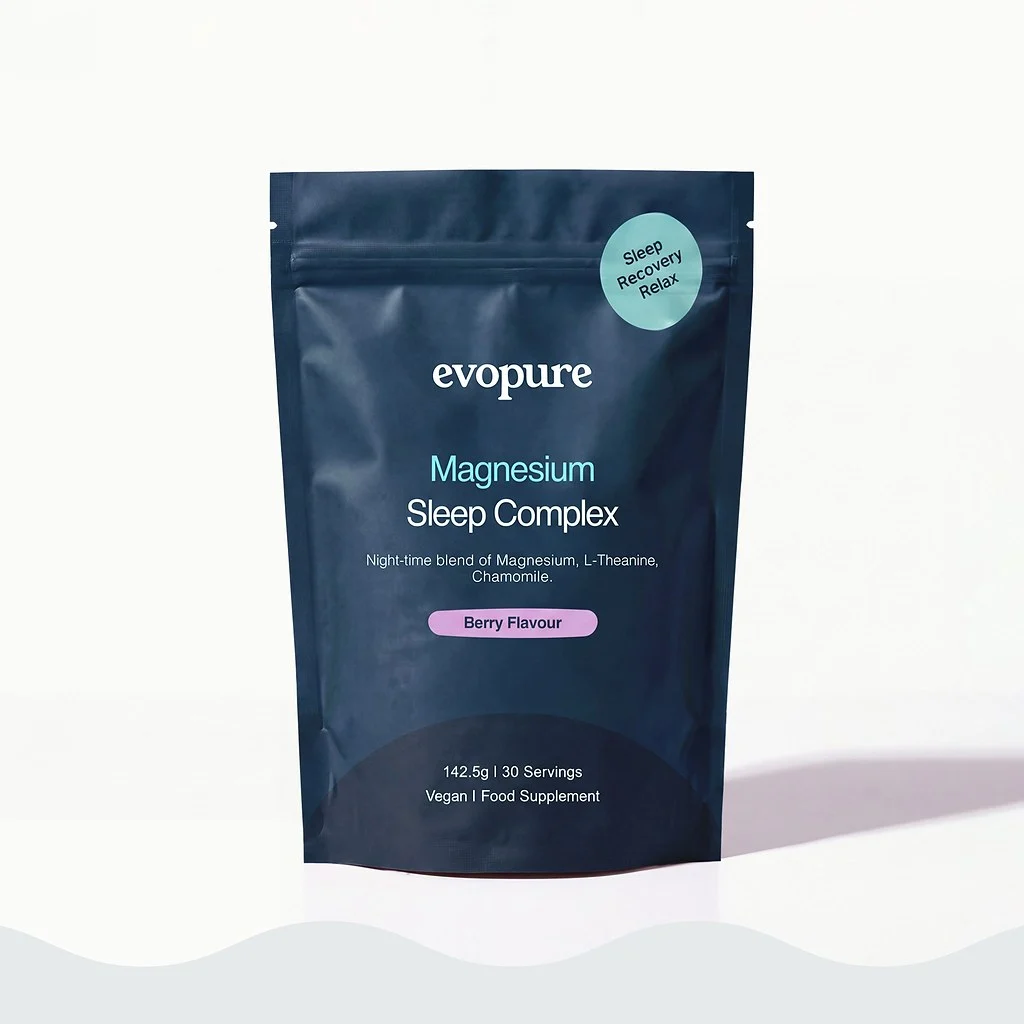
Magnesium Glycinate Sleep Complex
Magnesium Glycinate Sleep Complex is a berry drink powder with magnesium bisglycinate and citrate in a 4.75g scoop, plus glycine and L-theanine. It isn’t a treatment for low magnesium. Magnesium contributes to a reduction of tiredness and fatigue.
Add Magnesium Glycinate Sleep Complex to bag See ingredients and reviews
Vegan and made in the UK, for adults (18+) only. We don’t recommend our products during pregnancy or breastfeeding. Free UK delivery over £45, 14-day returns on unopened items.
Subscribe £22.49One-off £29.99
View productSources 7
- BNF (NICE). Magnesium glycerophosphate (checked 3 November 2026).
- Electronic Medicines Compendium. Neomag 4mmol Chewable Tablets: summary of product characteristics (revised 18 September 2026) and Magnesium 4mmol Chewable Tablets (Colonis Pharma).
- NICE. Preventing recurrent hypomagnesaemia: oral magnesium glycerophosphate (ESUOM4), 2013.
- Scottish Medicines Consortium. Magnesium glycerophosphate (Neomag), SMC 1267/17.
- Ross JR and others (2001). A case of hypomagnesaemia due to malabsorption, unresponsive to oral administration of magnesium glycerophosphate, but responsive to oral magnesium oxide supplementation. Gut.
- NHS. Vitamins and minerals: magnesium.
- legislation.gov.uk. Food supplements directive, Annex II (permitted forms).
General information, not medical advice. Evopure makes the Magnesium Glycinate Sleep Complex, a food supplement, and isn’t connected with any company named on this page. Spotted something out of date? Email support@evopure.co.uk.