






Last updated: October 2026
No supplement is proven to treat joint pain. Evidence is mixed for turmeric (curcumin), omega-3 and collagen, and GPs no longer prescribe glucosamine or chondroitin on the NHS. What has the best evidence is exercise, weight management and NHS pain relief. A few vitamins and minerals have authorised roles in normal bones, cartilage and muscles.
Checked against NHS, NICE and the research in October 2026: popular joint supplements ranked by evidence, what labels may legally say, and the safety checks retailer lists skip.
What helps joint pain: the short answer
Start with the NHS, not the supplement aisle. For osteoarthritis, the most common type of arthritis in the UK, NICE says the core treatments are therapeutic exercise and, if you’re overweight, weight loss. The NHS calls exercise “one of the most important treatments” for osteoarthritis, whatever your age or fitness.
- Keep moving: muscle strengthening plus general fitness. Pain can rise a little at first; NICE says regular exercise still helps the joints long term.
- Weight: NICE says any weight loss is likely to help, and losing 10% of body weight is likely to be better than 5%.
- Pain relief: NICE recommends a topical NSAID gel for knee osteoarthritis. Ask a pharmacist which painkiller suits you.
- Physio: many areas let you refer yourself to NHS physiotherapy without seeing a GP.
Get urgent help (NHS 111 or an urgent GP appointment) if a joint is hot and swollen, or you feel unwell with a high temperature. Go to A&E or call 999 for very bad joint pain after a fall or injury, if you can’t put weight on the joint, or if it looks out of place.
For causes and types, see our guide to joint pain.
Supplements for joint pain ranked by evidence
Most trials are small, in knee osteoarthritis, and last weeks. A 2018 review of 20 supplements in 69 trials found some short-term effects on pain, but no supplement had a clinically important effect in the long term. Here is how the popular options compare (safety checks are further down):
| Supplement | What trials found | Certainty |
|---|---|---|
| Turmeric (curcumin) | Lower knee pain scores than placebo in 17 trials | Low |
| Boswellia | Lower pain and stiffness scores in 7 small trials | Low |
| Omega-3 (fish oil) | Small effect in rheumatoid arthritis; mixed in osteoarthritis | Low to moderate |
| Collagen | Less stiffness; pain score itself no different | Low |
| MSM | Small, unclear benefit | Very low |
| Glucosamine | No clinically relevant difference in large trials | Moderate |
| Chondroitin | No clinically relevant difference | Moderate |
| Devil’s claw | THR products registered on traditional use only | Very low |
| CBD | No better than placebo in a 12-week trial | Low |
Devil’s claw products with a THR mark are licensed traditional herbal medicines, not food supplements. The MHRA registers them on quality, safety and traditional use, not proof they work. More on plant options: mushrooms and inflammation and ginger and turmeric shots.
Vitamins for joint pain: what’s authorised
No vitamin or mineral is authorised to claim it helps joint pain. The GB nutrition and health claims register does allow these claims about normal body function, word for word:
- Vitamin C “contributes to normal collagen formation for the normal function of cartilage”.
- Vitamin D “contributes to the maintenance of normal bones” and “contributes to the maintenance of normal muscle function”.
- Calcium “is needed for the maintenance of normal bones”.
- Manganese “contributes to the normal formation of connective tissue”.
- Magnesium “contributes to normal muscle function” and “contributes to the maintenance of normal bones”.
These describe normal function in healthy people. They are not claims about treating pain or arthritis. The same register lists “curcumin contributes to the normal functioning of joints” and “glucosamine contributes to the maintenance of normal joint cartilage” as non-authorised, so a UK label can’t make either claim.
Vitamin D is the one most people need to think about. The NHS advises everyone to consider 10 micrograms a day in autumn and winter, and not to take more than 100 micrograms a day. See vitamin D in winter.
Turmeric for joint pain: what the trials show
Turmeric has the most consistent trial results of the herbs. A 2025 network meta-analysis of 17 trials in knee osteoarthritis found that every turmeric preparation lowered pain scores compared with placebo. The authors rated the certainty of the evidence as low.
Black pepper. Curcumin is poorly absorbed, so many supplements add piperine from black pepper. The UK Committee on Toxicity (COT) called the claim that piperine improves absorption “questionable”, with high uncertainty.
How much? The COT uses an acceptable daily intake for curcumin of up to 3mg per kg of body weight, about 210mg a day for a 70kg adult. Turmeric in cooking normally stays within this.
Safety. In 2024 the COT found reasonable evidence linking turmeric supplements to rare, unpredictable liver injury, even at low doses. Stop and see a doctor if you notice yellow skin or eyes, or dark urine. Turmeric can also thin the blood, so Arthritis UK advises avoiding it with anticoagulants or a bleeding disorder, and it may interact with some diabetes and immune-suppressing medicines. Read more in turmeric benefits and side effects and CBD oil vs turmeric.
Omega-3 for joint pain: rheumatoid vs osteoarthritis
The answer depends on the type of arthritis. A 2017 meta-analysis of 42 trials found a small effect on pain in rheumatoid arthritis (moderate-quality evidence) but no clear effect in osteoarthritis. A 2023 meta-analysis of 9 osteoarthritis trials (2,070 people) found a small drop in pain scores, so the picture there is mixed.
Don’t swap any prescribed rheumatoid arthritis medicine for fish oil. Before you buy, check:
- Fish liver oils (such as cod liver oil) are high in vitamin A. The NHS says not to exceed 1.5mg of vitamin A a day from food and supplements.
- Blood thinners: the BNF lists anticoagulant treatment as a caution for prescription omega-3, as bleeding time can increase.
Food first: the NHS recommends at least 2 portions of fish a week, including 1 of oily fish. See our omega 3 guide.
Glucosamine and chondroitin: why the NHS stopped prescribing them
Glucosamine is the best-known joint supplement, with the weakest case. NICE’s osteoarthritis guideline (NG226) tells doctors: “Do not offer glucosamine”. If you ask, they should explain there is “no strong evidence of benefit”. NHS England goes further: glucosamine and chondroitin should not be started in primary care, and existing prescriptions should be stopped.
The key study is a 2010 BMJ network meta-analysis of 10 large trials in 3,803 people with hip or knee osteoarthritis. Neither, alone or together, made a clinically relevant difference to pain or joint space. Industry-independent trials showed smaller effects than commercially funded ones.
If you still want to try it, Arthritis UK advises a shellfish-free version if you’re allergic to shellfish, and caution with diabetes, as glucosamine may raise blood sugar. Full details in glucosamine: does it work?
Joint pain and stiffness: over 50, menopause, exercise and mornings
Over 50. Osteoarthritis becomes more common with age. For knee pain, strengthening exercise has far better evidence than any capsule. Lower back and pelvis pain has its own causes: see sacroiliac joint pain.
Menopause. The NHS lists muscle aches and joint pains among menopause symptoms, and says joint pain can continue after menopause. Talk to your GP about your symptoms as a whole. Our supplements for menopause guide ranks the options by evidence.
After exercise. Aching after training is usually muscle, not joint. See magnesium for muscle pain and our CBD balm guide.
Morning stiffness. The NHS says to see a GP if your joints stay stiff for more than 30 minutes after waking. That pattern can point to inflammatory arthritis, which needs early diagnosis rather than supplements.
Evopure: what we can and can’t say
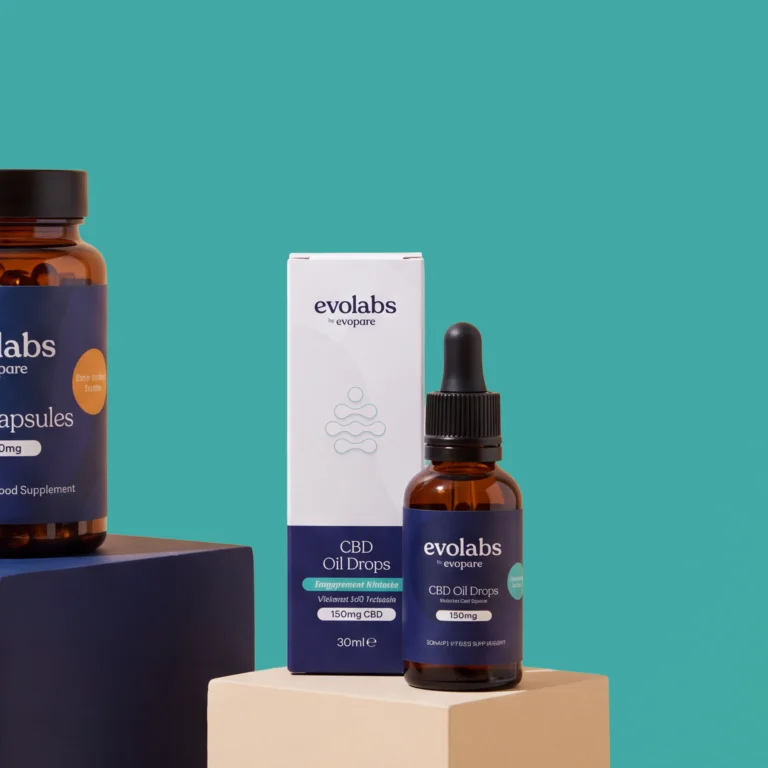
Three of our products are often asked about for active days. None of our products treats joint pain or arthritis.
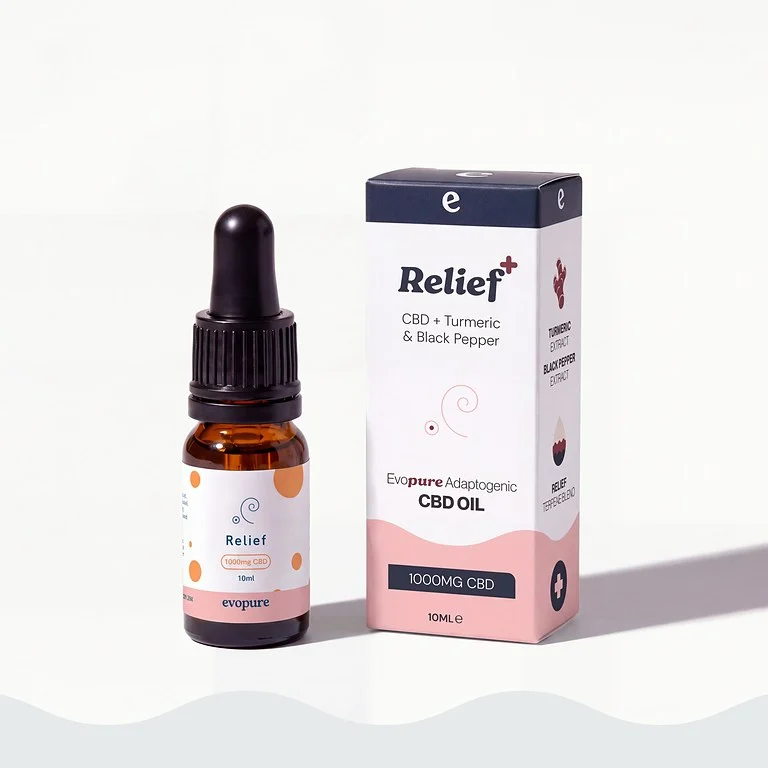
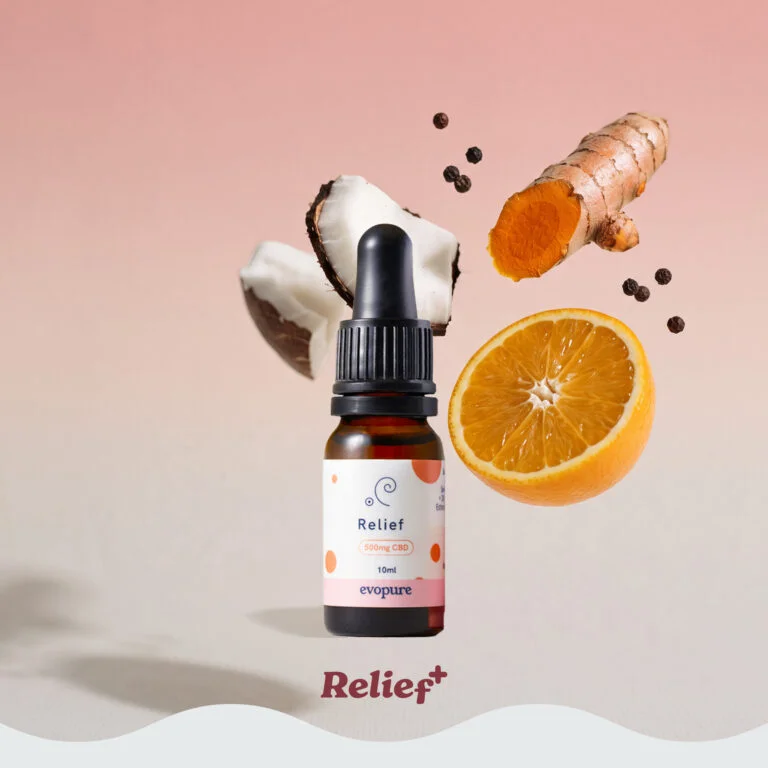
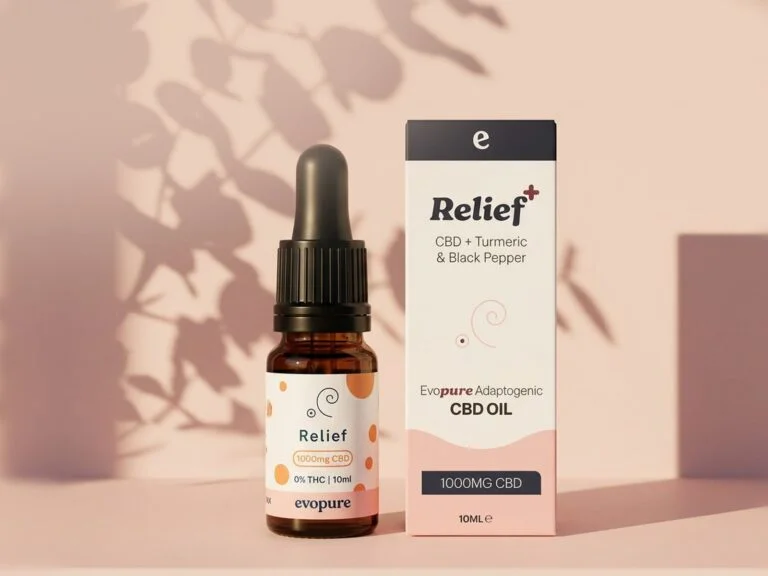
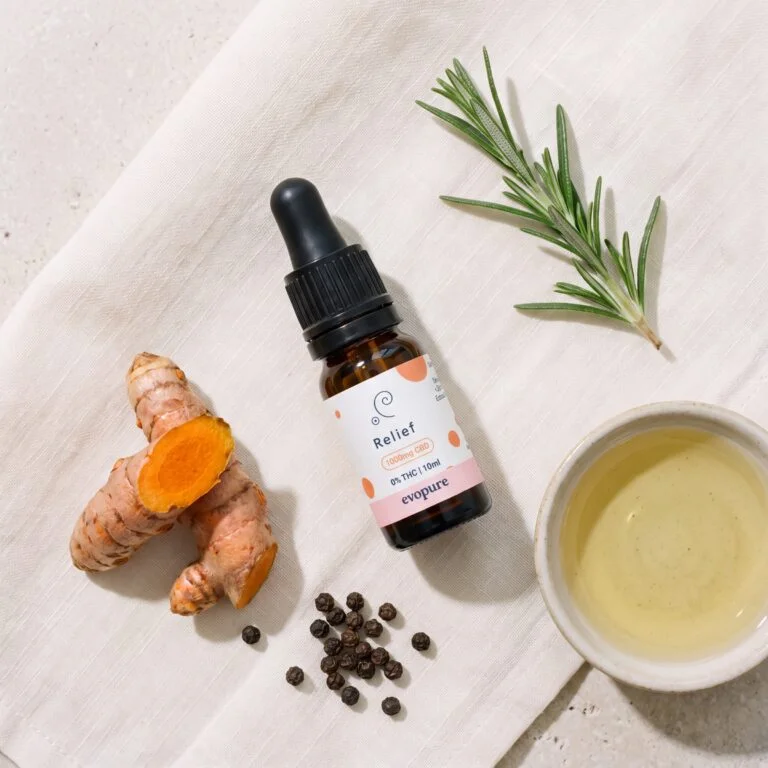
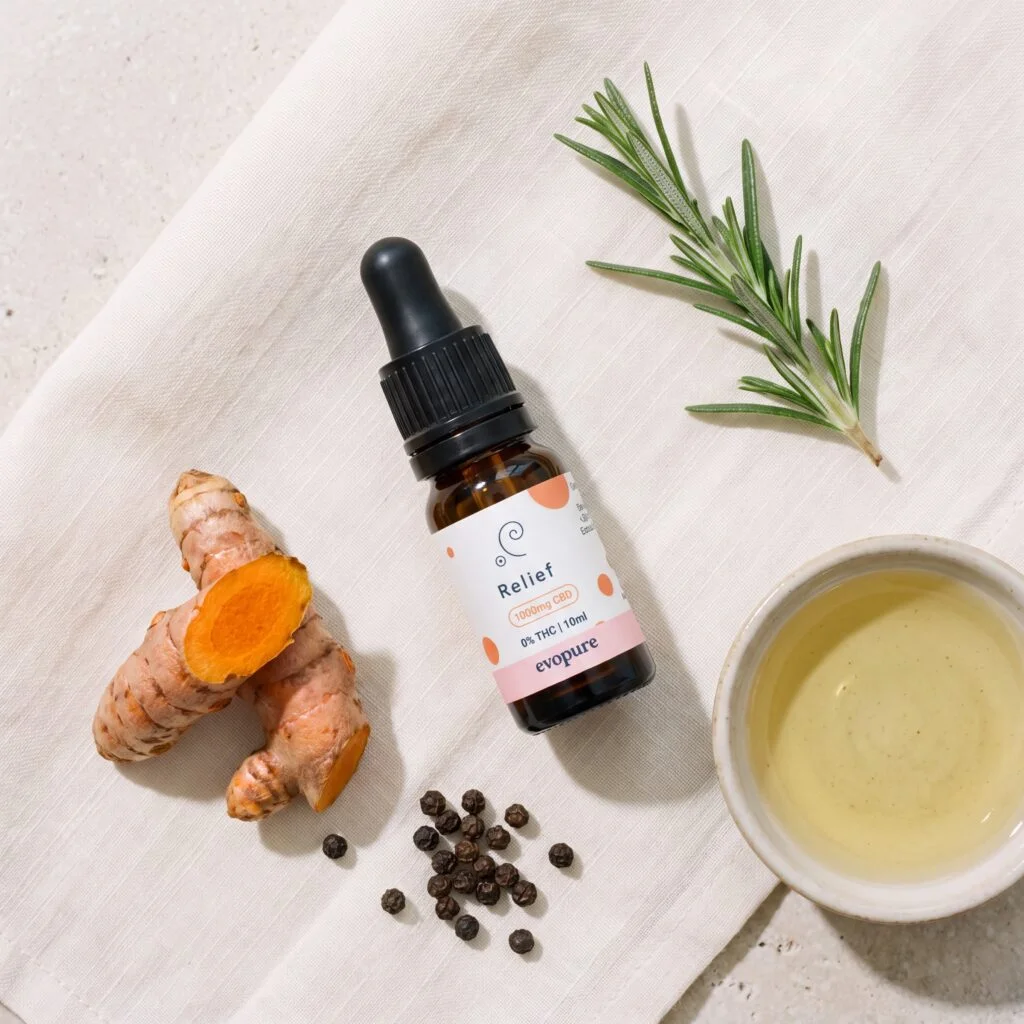
- Relief CBD Oil: broad spectrum CBD (0% THC) with turmeric extract and black pepper extract in MCT oil, plus a terpene blend of limonene, caryophyllene, humulene and alpha-pinene. 500mg or 1,000mg. Our product page doesn’t state the amount of turmeric extract per serving, so we can’t compare it with the doses used in trials.
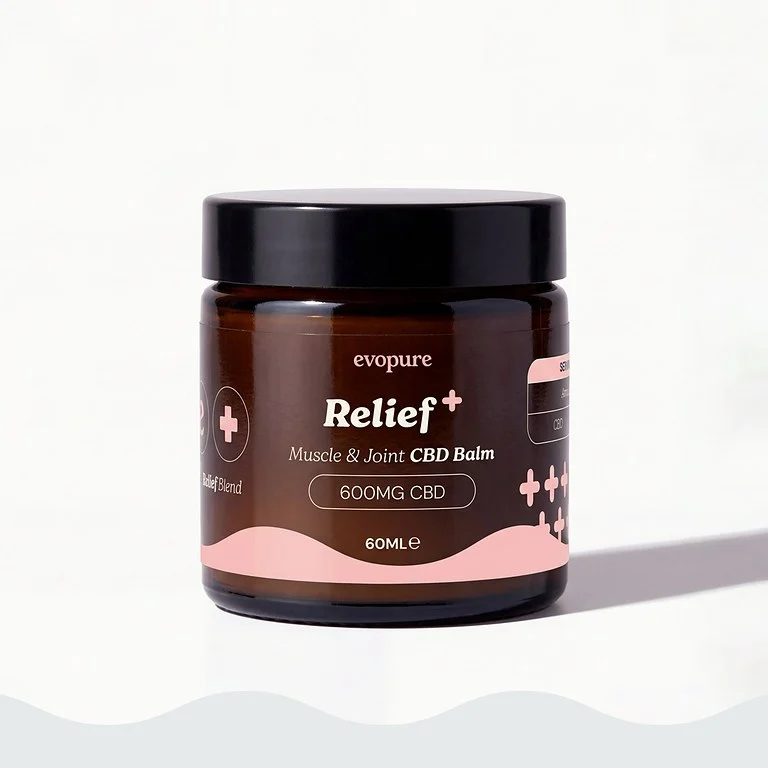
- CBD Balm: a cosmetic massage balm with 600mg of broad spectrum CBD and peppermint, eucalyptus and juniper essential oils in plant oils. It feels cooling and isn’t greasy. For use on unbroken skin only.
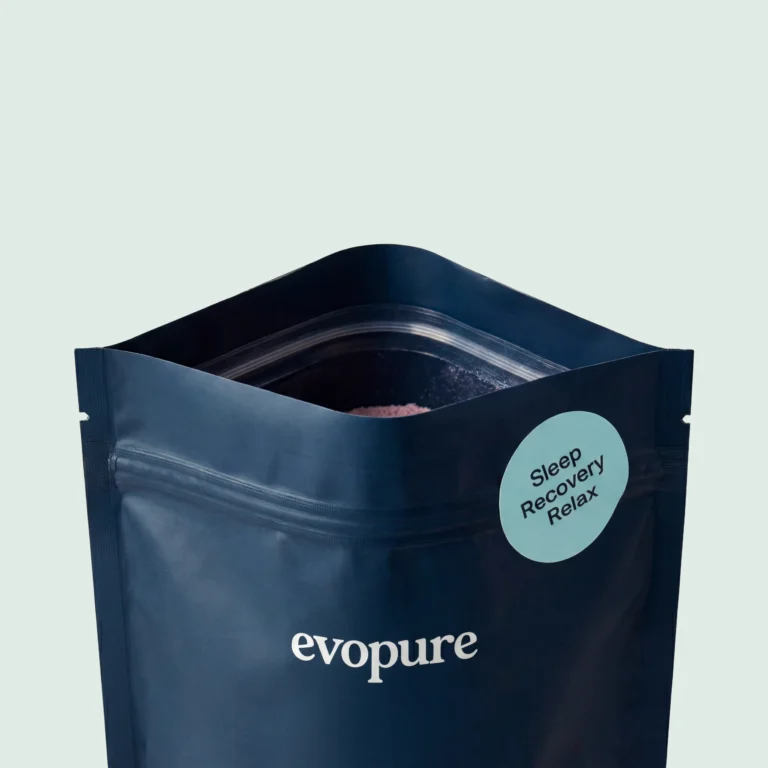
- Magnesium Glycinate Sleep Complex: a berry drink powder with magnesium bisglycinate and citrate (148mg magnesium per serving), plus glycine, L-theanine, chamomile, passionflower, hops and oat straw. Magnesium contributes to normal muscle function and to the maintenance of normal bones.
All three are vegan, made in the UK and third-party lab tested. Our CBD oils are on the FSA’s public list of CBD products. For how CBD oils compare, see best CBD oil for pain UK.
The FSA’s 10mg a day figure is precautionary advice rather than a legal limit, set while longer-term safety research continues. At Evopure we think it is a very cautious figure, and many adults use more. If you go above it, increase slowly, and check with your GP or pharmacist first if you take any medication.
Who should check with a GP or pharmacist first
Ask first if you:
- take warfarin or another anticoagulant: turmeric, glucosamine with chondroitin, and prescription omega-3 all carry bleeding cautions.
- take any regular medicine, including NSAIDs, diabetes or blood pressure medicines. CBD can interact with some medicines: see can CBD interact with medication?
- have diabetes (glucosamine, turmeric), kidney disease (minerals such as magnesium), liver disease (turmeric), or a shellfish allergy (glucosamine).
- are pregnant, trying to conceive or breastfeeding. We don’t recommend our products during pregnancy or breastfeeding.
All Evopure products are for adults (18+) only.
FAQs
What is the best supplement for joint pain and stiffness?
No supplement is proven to treat joint pain. Turmeric has the most consistent trial results, but the certainty is low. Exercise and weight management have far stronger evidence, and the NHS recommends them first.
Does glucosamine actually work?
Large trials found no clinically relevant difference in pain compared with placebo. NICE tells doctors not to offer glucosamine for osteoarthritis, and GPs no longer prescribe it on the NHS.
Is turmeric good for joint pain?
Trials in knee osteoarthritis found lower pain scores than placebo, but the evidence is low certainty. Turmeric supplements have been linked to rare liver injury and may interact with blood thinners, so check with a pharmacist first.
Which vitamin is good for joint pain?
No vitamin is authorised to claim it helps joint pain. Vitamin C contributes to normal collagen formation for the normal function of cartilage, and vitamin D contributes to the maintenance of normal bones.
Is magnesium good for joint pain?
Magnesium isn’t a treatment for joint pain. Magnesium contributes to normal muscle function and to the maintenance of normal bones. The NHS says 400mg a day or less from supplements is unlikely to cause harm.
Can CBD help joint pain?
CBD isn’t a treatment for joint pain or arthritis. In a 12-week trial in hand osteoarthritis and psoriatic arthritis, CBD did no better than placebo. See our guide to CBD and arthritis research.
More on the CBD trials: CBD for arthritis: what the trials show.
Sources
- NHS. Joint pain; Osteoarthritis: treatment.
- NICE. Osteoarthritis in over 16s: diagnosis and management (NG226), 2022.
- NHS England. Items which should not routinely be prescribed in primary care (updated August 2025).
- GOV.UK. Great Britain nutrition and health claims register.
- Committee on Toxicity (2024). Turmeric and curcumin supplements: summary and conclusions.
- NHS. Vitamin D; Vitamin A; Menopause and perimenopause symptoms.
- MHRA. Herbal medicines granted a traditional herbal registration.
- Liu X et al (2018). Dietary supplements for treating osteoarthritis. Br J Sports Med.
- Wandel S et al (2010). Glucosamine, chondroitin, or placebo in osteoarthritis of hip or knee. BMJ.
- Wai HS et al (2025). Effect of turmeric products on knee osteoarthritis. BMC Complement Med Ther.
- Senftleber NK et al (2017). Marine oil supplements for arthritis pain. Nutrients; Deng W et al (2023). Omega-3 supplementation for patients with osteoarthritis: a meta-analysis. J Orthop Surg Res.
- Yu G et al (2020). Boswellia for osteoarthritis: a meta-analysis. BMC Complement Med Ther; García-Coronado JM et al (2019). Collagen supplementation and osteoarthritis symptoms. Int Orthop.
- Vela J et al (2022). Cannabidiol treatment in hand osteoarthritis and psoriatic arthritis. Pain.
- Hatfield J et al (2022). Dietary supplements and bleeding; BNF. Omega-3-acid ethyl esters; Arthritis UK. Glucosamine and Turmeric.
- FSA. Cannabidiol (CBD) guidance.
This guide is general information, not medical advice. Evopure makes Relief CBD Oil, the CBD Balm and the Magnesium Glycinate Sleep Complex. None of them is a treatment for joint pain, arthritis or any medical condition.