






Last updated: October 2026
Gout is a type of arthritis caused by urate (uric acid) crystals in a joint. It usually starts suddenly, often overnight, as a hot, red, swollen, very painful big toe. Alcohol, a large meal or dehydration can trigger it. For a flare, the NHS says rest, raise and cool the joint and see a GP; long-term urate-lowering treatment prevents attacks.
Below: symptoms by joint, causes, why the big toe, gout vs pseudogout, flares, NICE treatment, diet, the vitamin B1 claim, and when to get urgent help.
Need help now? Ask for an urgent GP appointment or call 111 if you have sudden pain and swelling in a joint and the pain is getting worse, you have a very high temperature or feel hot, cold or shivery, or you feel sick or can’t eat. The NHS says these can be signs of an infection inside the joint, which needs urgent treatment. See when to get urgent help.
Gout symptoms: big toe, ankle and other joints
Gout is common: UK GP records show about 2.5% of people had it in 2012, roughly 1 in 40. Arthritis UK says it is about four times more common in men, and women rarely get it before the menopause.
The NHS lists two main symptoms: sudden severe pain in a joint, usually the big toe, and hot, swollen, red skin over it (redness can be harder to see on black or brown skin). Arthritis UK adds that attacks often start in the early hours and peak within 12 to 24 hours, and even a bedsheet or sock can be unbearable. The skin may look shiny and peel as the attack settles.
Where gout strikes
| Joint | What to know | What else it could be |
|---|---|---|
| Big toe (the joint at its base) | The classic site. NICE tells doctors to suspect gout when it becomes severely painful, red and swollen, often overnight. | A bunion, a sprained toe, an infection |
| Midfoot and top of the foot | Common, sometimes with the big toe | Plantar fasciitis (under the heel) |
| Ankle | Yes, you can get gout in your ankle. The NHS and NICE both list it. | A sprain (after a twist or fall), Achilles tendonitis |
| Knee | Possible, especially in long-standing gout | Pseudogout, septic arthritis, osteoarthritis |
| Wrist, hand, fingers, elbow | Possible; several joints can flare at once | Pseudogout, rheumatoid arthritis |
| Spine, shoulders, hips | Arthritis UK says gout is uncommon this close to the centre of the body | Usually another cause |
The NHS says an untreated attack usually lasts 1 to 2 weeks, and later attacks may last longer. See a GP the first time. For other aches, see our guides to the main types of arthritis, joint pain and knee pain.
What causes gout?
Gout is caused by too much urate in your blood. Arthritis UK explains that the body makes urate when it breaks down purines, natural chemicals made in the body and found in some foods. About three quarters of your urate comes from purines your own body makes, and only a quarter from food and drink.
Your kidneys clear extra urate in your pee. If your body makes too much, or your kidneys can’t clear enough, levels rise and needle-like crystals slowly form in and around the joints, often for years without symptoms. An attack starts when crystals spill into the joint space and inflame its lining.
Who is more likely to get gout
The NHS says gout can run in families and is more common in men as they get older. You might also be more likely to get it if you:
- are overweight or drink alcohol
- have been through the menopause
- take diuretics (water tablets) or some blood pressure medicines such as ACE inhibitors (Arthritis UK adds beta-blockers)
- have high cholesterol, high blood pressure, kidney problems, osteoarthritis or diabetes
- have had surgery or an injury
Never stop a prescribed medicine because of gout; ask your GP or pharmacist if you’re worried about one.
What triggers a gout attack
The NHS lists an illness with a high temperature, drinking too much alcohol or eating a very large meal, getting dehydrated, injuring a joint and certain medicines. Arthritis UK adds operations, and starting urate-lowering treatment or taking it irregularly. Attacks often start at night, so see our guide to alcohol and sleep if an evening drink is part of the pattern.
Why gout starts in the big toe
Temperature is part of the answer. Arthritis UK says attacks are especially common in fingers and toes, possibly because they are cooler, and low temperatures make crystals more likely to form. Researchers have been testing how temperature affects how well urate dissolves since the 1970s.
So what causes gout in the big toe is the same as anywhere: urate that has been high for long enough to form crystals. The toe is where they tend to collect and where an attack often shows first. If your big toe hurts but isn’t hot, red and swollen, a bunion, a stubbed toe or osteoarthritis is more likely.
Gout vs pseudogout (CPPD)
Pseudogout means “false gout”. Arthritis UK now calls it acute calcium pyrophosphate (CPP) crystal arthritis, and doctors often call the wider condition CPPD (calcium pyrophosphate deposition). An attack looks very like gout, with sudden pain, swelling and redness in one joint, but the crystals are made of calcium pyrophosphate, not urate.
| Gout | Pseudogout (acute CPP crystal arthritis) | |
|---|---|---|
| Crystals | Urate (uric acid) | Calcium pyrophosphate |
| Who gets it | Mostly men; women mainly after the menopause | Men and women equally; rare under 60 |
| Most common joint | Big toe | Knee (also wrist, shoulder, ankle) |
| Linked to | High urate, weight, alcohol, kidney problems, some medicines | Age, osteoarthritis, and rarely an overactive parathyroid gland, too much iron (haemochromatosis) or very low magnesium |
| Common triggers | Alcohol, a big meal, dehydration, illness, injury | Injury, an illness with a fever, an operation |
| How long an attack lasts | Usually 1 to 2 weeks untreated | Several days to 2 weeks; 2 to 3 weeks to get back to normal |
| Does diet matter? | Alcohol, sugary drinks and weight do | No; it isn’t caused by eating too much calcium |
| Flare treatment | Anti-inflammatories, colchicine or steroids, plus ice | Similar, and can include draining fluid from the joint and a steroid injection |
| Long-term treatment | Urate-lowering medicine such as allopurinol | No urate-lowering equivalent; any underlying condition is treated |
The only way to be sure which one you have is for a doctor to look at fluid from the joint under a microscope. Both can be confused with a joint infection, which is why a first attack always needs checking.
How gout is diagnosed
A GP will ask about your symptoms, diet, alcohol and medicines, and examine the joint. NICE’s gout guideline (NG219) recommends:
- A urate blood test. 360 micromol/L (6mg/dL) or more supports the diagnosis. Urate can drop during an attack, so if it is lower but gout still seems likely, the test is repeated at least 2 weeks after the flare settles. A normal result during a flare doesn’t rule gout out.
- Joint fluid taken with a thin needle and checked for crystals, if there is still doubt.
- Imaging (X-ray, ultrasound or a special CT scan) if fluid can’t be taken.
High urate alone doesn’t prove gout: Arthritis UK notes that many people with high urate never have an attack.
What to do during a gout flare
The NHS recommends:
- Take any prescribed medicine as soon as possible. It should start to work within 2 days.
- Rest and raise the limb.
- Keep the joint cool with an ice pack or frozen peas wrapped in a towel, for up to 20 minutes at a time.
- Drink lots of water, unless a GP has told you not to.
- Keep bedclothes off the joint. Arthritis UK suggests a bed cage to hold the sheets up.
- Don’t put pressure on the joint.
Arthritis UK advises against exercising during a flare; start again once the pain and swelling have gone down.
Medicines a GP may offer
NICE says the first choice is one of these, depending on your other conditions, medicines and preferences:
- An NSAID such as naproxen, often with a stomach-protecting tablet.
- Colchicine, which damps down the inflammation. Arthritis UK notes it can interact with some statins and can cause diarrhoea.
- A short course of steroid tablets, or a steroid injection if the others aren’t suitable.
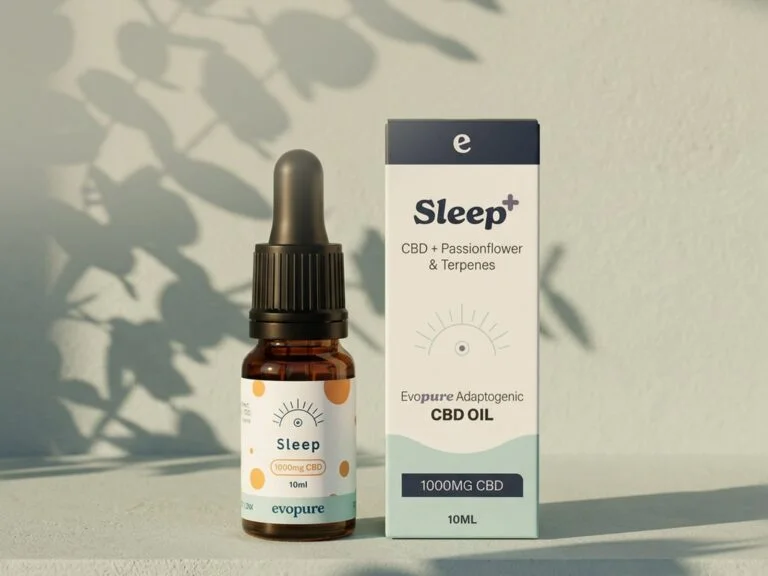
NICE adds that ice packs alongside prescribed medicine may help with pain. Many people are given a supply to keep at home and start at the first sign of an attack. If you’re wondering about CBD, we’ve covered the evidence in CBD oil for gout.
Long-term treatment: stopping gout coming back
Treating a flare eases the pain but doesn’t lower urate or stop the next attack. NICE describes gout as a lifelong condition that benefits from long-term urate-lowering therapy (ULT), to clear the crystals, prevent flares, shrink tophi and prevent joint damage.
NICE says ULT should be offered to people with frequent or troublesome flares, moderate to severe kidney disease, diuretic treatment, tophi (lumps of crystals under the skin) or ongoing gouty arthritis, and discussed with anyone else who has had a flare.
- The medicines. Allopurinol or febuxostat first; allopurinol first for people with major heart or circulation disease.
- When to start. Usually 2 to 4 weeks after a flare settles, or during one if flares are frequent.
- Treat to target. Start low, check urate monthly and raise the dose until urate is below 360 micromol/L (6mg/dL), or below 300 micromol/L (5mg/dL) for people with tophi or ongoing flares.
- Cover while starting. Colchicine (or a low-dose NSAID or steroid) can reduce flares while the dose is adjusted.
- Afterwards. Usually lifelong, with a yearly urate check.
Don’t stop if you get a flare early on. Arthritis UK says flares can be more common in the first 6 months of ULT as crystals dissolve and shake loose, and that this is a sign it is working. The NHS says to keep taking it regularly, even without symptoms.
It works when people stick with it. In a Nottingham trial, 95% of people given nurse-led treat-to-target care had urate below 360 micromol/L after 2 years, compared with 30% with usual GP care. Yet between 1997 and 2012, only around 1 in 4 people newly diagnosed in the UK started ULT within a year. If you keep having attacks, ask your GP about it.
Gout diet: food, drink and weight
NICE says there isn’t enough evidence that any specific diet prevents flares or lowers urate, and recommends a healthy, balanced diet. The UK Gout Society agrees diet alone is often not enough, because the body makes most urate. Weight and alcohol still matter.
| Food or drink | What the evidence and UK advice say |
|---|---|
| Beer and spirits | In a 12-year study of men, beer had the strongest link with developing gout, then spirits. Moderate wine wasn’t linked. |
| Any alcohol, once you have gout | More than 1 to 2 drinks of any type in 24 hours, wine included, was linked to more attacks. The NHS advises alcohol-free days and no more than 14 units a week. |
| Sugary soft drinks | Two or more a day was linked to a higher risk of gout in men; diet drinks weren’t. |
| Offal, game, oily fish, shellfish, yeast extracts | High in purines. Arthritis UK suggests avoiding large amounts, not cutting them out. |
| Red meat and seafood | Men who ate the most were more likely to develop gout; purine-rich vegetables and total protein weren’t linked. |
| Low-fat dairy | Men who ate the most dairy were less likely to develop gout. The UK Gout Society suggests 3 portions a day. |
| Coffee | Men who drank more coffee were less likely to develop gout in a long-term study, which can’t prove cause. |
| Cherries | One study found about a 35% lower risk of an attack in the 2 days after eating cherries. A review found only 6 small studies. Limited evidence. |
| Vitamin C | Arthritis UK says it may slightly lower urate. The NHS says ask a GP before taking supplements. |
| Water | Avoid dehydration. The UK Gout Society suggests 1.5 to 2 litres of fluid a day. |
Weight and exercise. NICE says excess weight and heavy drinking may make flares worse. Lose weight gradually: the NHS and Arthritis UK warn against crash diets, which can raise urate, and Arthritis UK against high-meat, Atkins-type diets. Eggs, pulses, soya and dairy are good swaps for some meat (see how much protein you need). Exercise regularly, but avoid very intense exercise.
Easy swaps. Try cutting down on alcohol without quitting or an alcohol-free nightcap, though the UK Gout Society notes alcohol-free beer still contains purines. Keep water handy (how much water to drink), get vitamin C from fruit and vegetables, and enjoy cherries if you like them (our tart cherry guide covers the wider research).
Arthritis UK says fish oil won’t meaningfully raise urate, and the UK Gout Society says omega 3 doesn’t lower it either. Check with your GP or pharmacist before trying herbal remedies, which can interact with gout medicines.
Does vitamin B1 help gout?
There is no good evidence that vitamin B1 (thiamin) helps gout. UK searches for “vitamin B1 for gout” have shot up, probably because of social media posts, but when we searched the medical research in October 2026 we found no trials of vitamin B1 in people with gout. What we did find:
- A US diet survey (2024). Among 5,750 adults, men who got the most B1 from food were less likely to have high urate than men who got the least; there was no link in women. A one-off snapshot like this can’t show that B1 lowers urate, because people who eat more B1-rich foods differ in many other ways.
- A small study in heavy drinkers (2021). 48 people being treated for alcohol use disorder, some with liver injury, took thiamin for 3 weeks in hospital care, and their urate fell. There was no comparison group, and they had stopped drinking, which could explain the drop on its own.
- A Cochrane review (2021) of supplements for gout found only two trials, neither of B1, and no high-quality evidence for any supplement.
Why the claim spreads. B1 is a real nutrient, cheap and sounds harmless. And because attacks settle on their own within 1 to 2 weeks, anything started during one can seem to have worked.
Is it safe? The NHS says adults need about 1mg a day (men) or 0.8mg (women), usually from a varied diet, and that 100mg or less a day from supplements is unlikely to cause harm; the effects of higher doses aren’t known. Don’t take it instead of the treatment your GP recommends. For what B1 does, see our B vitamins guide.
Complications of untreated gout
The NHS says repeated attacks over a long time without treatment can lead to joint damage, tophi (hard lumps of crystals under the skin, usually on the ears, fingers or elbows), kidney stones and, rarely, chronic arthritis. Arthritis UK adds that long-term high urate is linked to heart, circulation and kidney problems, and that most of this damage can be stopped with urate-lowering medicine and a healthy lifestyle.
When to get urgent help
A hot, swollen joint isn’t always gout. NICE tells doctors to always consider septic arthritis, an infection inside the joint, which the NHS says is serious and needs treating as soon as possible.
Ask for an urgent GP appointment or call 111 if you have sudden pain and swelling in a joint and:
- the pain is getting worse
- you have a very high temperature, or feel hot, cold or shivery
- you feel sick or can’t eat
- you can’t move the joint or put weight on it
The risk is higher with an artificial joint, recent joint surgery, diabetes, rheumatoid arthritis or a weakened immune system. See a GP routinely if you have gout symptoms for the first time, or your usual treatment isn’t helping.
Where our products fit (honestly)
Our products aren’t a treatment for gout. None of them lowers urate or replaces the medicines your GP recommends.
If attacks are disturbing your evenings, our Magnesium Glycinate Sleep Complex is a caffeine-free evening drink with magnesium bisglycinate and citrate, glycine and L-theanine. Magnesium contributes to a reduction of tiredness and fatigue and to normal psychological function. It is not a gout remedy.
Our products are for adults (18+) only. We don’t recommend our products during pregnancy or breastfeeding. If you take any medicine, including allopurinol, febuxostat or colchicine, check with your GP or pharmacist before adding a supplement.
FAQs
What does gout in the big toe feel like?
Sudden, severe pain at the base of the big toe, often starting overnight, with hot, red, swollen and shiny skin. It is usually at its worst within 12 to 24 hours, and even a bedsheet touching it can hurt.
Can you get gout in your ankle?
Yes. The NHS lists the ankle as one of the joints gout can affect, along with other foot joints, knees, hands, wrists and elbows. Unlike a sprain, it usually comes on without a twist or fall.
How long does a gout attack last?
The NHS says an untreated attack usually lasts 1 to 2 weeks. Treatment started early should begin to work within 2 days. Without treatment, future attacks may last longer.
What is the difference between gout and pseudogout?
Gout is caused by urate crystals and usually starts in the big toe, mostly in men. Pseudogout (acute CPP crystal arthritis) is caused by calcium pyrophosphate crystals, most often affects the knee and is rare under 60.
Does vitamin B1 help gout?
There is no good evidence that it does. We found no trials of vitamin B1 in people with gout, only an observational diet survey and a small uncontrolled study in heavy drinkers. Don’t use it in place of prescribed treatment.
What foods and drinks trigger gout?
Too much alcohol (especially beer and spirits), a very large meal, sugary drinks and dehydration can trigger attacks. Offal, game, shellfish, oily fish and yeast extracts are high in purines, so keep portions moderate.
Do you have to take allopurinol for life?
Usually, yes. NICE says urate-lowering treatment is typically lifelong, with yearly urate checks once you reach your target. Stopping lets urate rise and crystals form again, so talk to your GP before changing anything.
Sources
- NHS. Gout.
- NHS. Septic arthritis.
- NHS. B vitamins and folic acid.
- NICE. Gout: diagnosis and management (NG219). 2022.
- Arthritis UK. Gout and Acute CPP crystal arthritis.
- UK Gout Society. Gout and diet.
- Kuo CF, et al. Rising burden of gout in the UK but continuing suboptimal management: a nationwide population study. Ann Rheum Dis, 2015. PMID 24431399.
- Doherty M, et al. Efficacy and cost-effectiveness of nurse-led care involving education and engagement of patients and a treat-to-target urate-lowering strategy versus usual care for gout: a randomised controlled trial. Lancet, 2018. PMID 30343856.
- Loeb JN. The influence of temperature on the solubility of monosodium urate. Arthritis Rheum, 1972. PMID 5027604.
- Choi HK, et al. Alcohol intake and risk of incident gout in men: a prospective study. Lancet, 2004. PMID 15094272.
- Neogi T, et al. Alcohol quantity and type on risk of recurrent gout attacks: an internet-based case-crossover study. Am J Med, 2014. PMID 24440541.
- Choi HK, Curhan G. Soft drinks, fructose consumption, and the risk of gout in men: prospective cohort study. BMJ, 2008. PMID 18244959.
- Choi HK, et al. Purine-rich foods, dairy and protein intake, and the risk of gout in men. N Engl J Med, 2004. PMID 15014182.
- Choi HK, et al. Coffee consumption and risk of incident gout in men: a prospective study. Arthritis Rheum, 2007. PMID 17530645.
- Zhang Y, et al. Cherry consumption and decreased risk of recurrent gout attacks. Arthritis Rheum, 2012. PMID 23023818.
- Chen PE, et al. Effectiveness of cherries in reducing uric acid and gout: a systematic review. Evid Based Complement Alternat Med, 2019. PMID 31885677.
- Li YM, et al. Association between vitamin B1 intake and hyperuricemia in adults. Sci Rep, 2024. PMID 39013961.
- Vatsalya V, et al. Efficacy of thiamine and medical management in treating hyperuricemia in AUD patients with ALD. Clin Exp Pharmacol, 2021. PMID 34522469.
- Andrés M, et al. Dietary supplements for chronic gout. Cochrane Database Syst Rev, 2021. PMID 34767649.
This guide is general information, not medical advice. If you think you have gout, or you’re worried about a painful joint, speak to a GP or pharmacist. Evopure makes the Magnesium Glycinate Sleep Complex.