Last updated: October 2026
Zinc is an essential mineral that contributes to the normal function of the immune system and the maintenance of normal skin, hair and nails. The NHS says adults need about 9.5mg a day (men) or 7mg (women), which you should get from a varied diet. Don’t take more than 25mg a day from supplements unless a doctor advises it.
Below: what zinc does, the best UK food sources, who may be low, the honest evidence on colds, acne, hair and testosterone, which form to choose, when to take it and how much is too much.
Food first, 25mg ceiling. A portion of beef mince, a handful of pumpkin seeds and a slice of Cheddar add up to about 8mg of zinc. If you take supplements, add up every product containing zinc, including multivitamins and cold remedies. Evopure doesn’t sell zinc, so this is a straight guide.
What does zinc do?
Zinc is a trace mineral: you need only a few milligrams a day. The NHS says it helps make new cells and enzymes, process the carbohydrate, fat and protein in food, and heal wounds.
The main authorised health claims for zinc in Great Britain, worded as they appear on the government register:
- Zinc contributes to the normal function of the immune system.
- Zinc contributes to the maintenance of normal skin.
- Zinc contributes to the maintenance of normal hair.
- Zinc contributes to the maintenance of normal nails.
- Zinc contributes to the maintenance of normal bones.
- Zinc contributes to the maintenance of normal vision.
- Zinc contributes to normal cognitive function.
- Zinc contributes to normal fertility and reproduction.
- Zinc contributes to the maintenance of normal testosterone levels in the blood.
- Zinc contributes to the protection of cells from oxidative stress.
Other authorised claims cover DNA and protein synthesis, cell division, and the metabolism of carbohydrates, fatty acids and vitamin A. Notice the word “normal”: getting enough keeps these systems working as they should, but extra zinc on top of an adequate diet won’t supercharge them. For how zinc compares with magnesium, see magnesium vs zinc.
How much zinc do you need a day?
| Figure | Amount |
|---|---|
| Men aged 19 to 64 (NHS) | 9.5mg a day |
| Women (NHS) | 7mg a day |
| Most you should take from supplements (NHS) | 25mg a day, unless a doctor advises more |
| NRV on labels (the basis of “% NRV”) | 10mg |
The NHS says you should be able to get all the zinc you need from your daily diet. Men need a little more than women, but for most people a varied diet covers it.
Pregnancy and children: needs rise in pregnancy and during growth. Speak to your GP or midwife before taking any supplement while pregnant, and don’t give children adult zinc supplements unless a doctor or pharmacist advises it.
Best food sources of zinc (UK portions)
The NHS lists meat, shellfish, dairy foods such as cheese, bread, and cereal products such as wheatgerm. Here’s the zinc in typical portions, from the UK government’s food composition data (CoFID):
| Food | Portion | Zinc |
|---|---|---|
| Oysters, raw | 50g | about 30mg |
| Rump steak, grilled, lean | 125g | 7.0mg |
| Beef mince, stewed | 100g | 5.0mg |
| Lamb mince, stewed | 100g | 4.6mg |
| Crab, white meat | 50g | 3.6mg |
| Mussels, cooked | 100g | 3.4mg |
| Chicken, dark meat, roasted | 100g | 2.2mg |
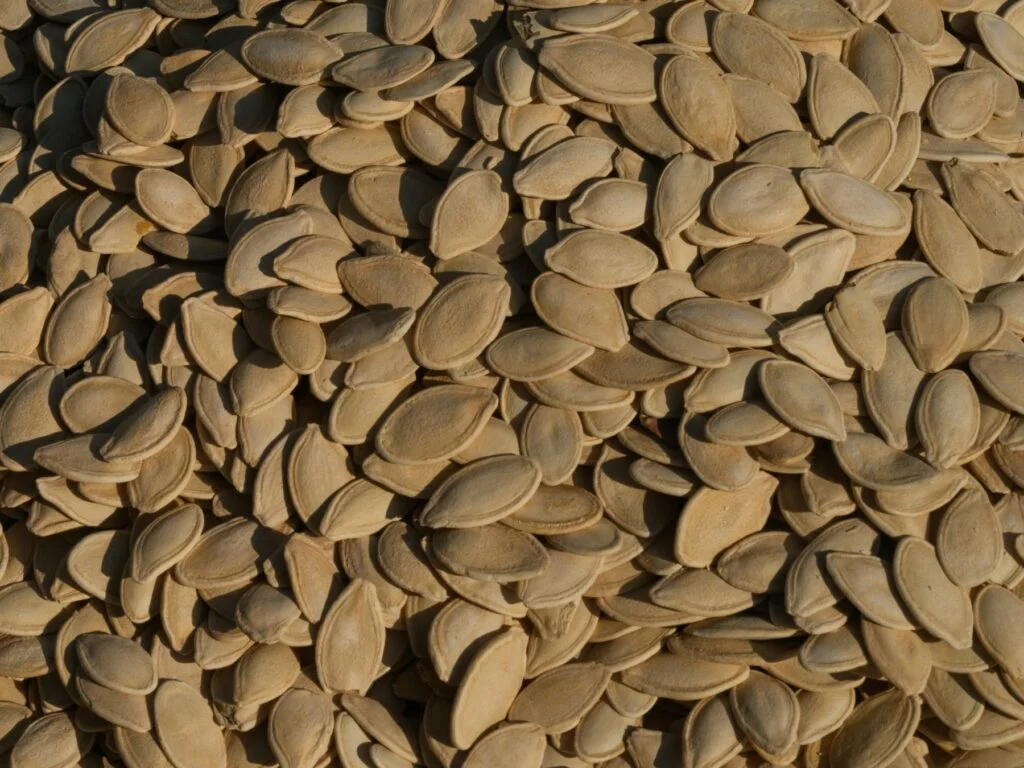
| Pumpkin seeds | 30g | 2.0mg |
| Cashew nuts | 30g | 1.8mg |
| Tempeh | 100g | 1.8mg |
| Wheatgerm | 10g (1 tbsp) | 1.4mg |
| Chickpeas, canned, drained | 120g | 1.4mg |
| Wholemeal bread | 2 slices (about 80g) | 1.3mg |
| Cheddar cheese | 30g | 1.2mg |
| Red lentils, boiled | 120g | 1.2mg |
| Porridge oats (dry) | 40g | 0.9mg |
| Chicken breast, grilled | 100g | 0.8mg |
Red meat and shellfish lead, and dark chicken meat has nearly three times the zinc of breast. The NHS 25mg ceiling is about supplements, so it doesn’t apply to an occasional plate of oysters.
Zinc from plant foods is less well absorbed. If you eat little or no meat, include beans, lentils, tempeh, seeds, nuts, wholegrains and oats every day. Many of the same foods appear in our guides to iron-rich foods and gut health.
Who may be low in zinc?
- Vegans and vegetarians. A 2013 meta-analysis of 26 studies found lower zinc intakes and lower blood zinc in people on vegetarian diets, with a bigger gap in vegans and in women.
- Older adults. A 2025 review points to smaller diets, poorer absorption and medicines that interact with zinc.
- Heavy drinkers. Zinc deficiency is one of the shortfalls seen with long-term heavy drinking.
- People with conditions that affect absorption from the gut, or with chronic kidney disease, and people on certain long-term medicines, such as penicillamine or some diuretics.
Signs of zinc deficiency: a classic review describes rough skin, poor appetite, slow wound healing, changes in taste, poor night vision and low energy, with rashes, hair loss, diarrhoea and frequent infections in severe cases. These signs have many other causes, including low iron or B12 (see iron deficiency symptoms and B12 deficiency symptoms), so see a GP rather than self-treating with high doses.
Zinc claims vs the evidence
| Claim | What the research shows | Verdict |
|---|---|---|
| Stops you catching colds | 2024 Cochrane review of 34 trials: little or no effect | Unlikely |
| Shortens colds | May shorten a cold once it starts; trials used high doses and side effects were more common | Possible small effect, short term only |
| Clears acne | 2020 meta-analysis: fewer inflamed spots with zinc | Some evidence; one option of several |
| Grows hair | Low zinc is linked with some hair loss; no good trials in people who aren’t low | Only if you’re low |
| Boosts immunity | Authorised claim: zinc contributes to the normal function of the immune system | Get enough; more isn’t better |
| Raises testosterone | No change in men already getting enough zinc | Myth, unless you’re low |
Does zinc help colds?
- Prevention: probably not. The 2024 Cochrane review (34 trials, 8,526 people) found zinc may make little or no difference to your chances of catching a cold.
- Shorter colds: maybe. The same review found zinc may shorten a cold once it has started, though studies varied widely. A 2021 meta-analysis in adults found symptoms cleared about 2 days sooner on average with zinc lozenges or nasal zinc, but rated that evidence very low certainty.
- High doses. A 2017 meta-analysis of seven lozenge trials found colds were about a third shorter, but every trial included used more than 75mg of zinc a day: at least three times the NHS supplement ceiling. That makes it a short-term option at most, so check with a pharmacist first.
- Side effects. Nausea, a bad taste and mouth irritation were more likely with zinc in both reviews.
Our honest take: zinc lozenges might shorten a cold a little for some people, at the cost of side effects, and won’t stop you catching one. Rest, fluids and time still do the heavy lifting. See cold or flu: how to tell the difference, vitamin C and colds and what actually supports your immune system.
Zinc for skin and acne
Zinc contributes to the maintenance of normal skin, and rough skin and slow wound healing are recognised signs of deficiency.
For acne, a 2020 meta-analysis found people with acne tended to have lower blood zinc, and that zinc treatment reduced the number of inflamed spots, alone or alongside other treatments. The NHS says a pharmacist can recommend acne treatments, including tablet supplements such as zinc, as well as skin treatments such as benzoyl peroxide. Prescription treatments from a GP are stronger and can be very effective for more severe acne, so see a GP if spots are severe, scarring or getting you down. Stress can make acne flare too: see stress acne.
On acne antibiotics? Zinc reduces the absorption of tetracycline antibiotics often used for acne, such as lymecycline, doxycycline and minocycline. The BNF advises taking them 2 to 3 hours apart. Check with your pharmacist.
Zinc for hair growth and hair loss
Zinc contributes to the maintenance of normal hair, and hair loss is a sign of severe zinc deficiency. That’s where the “zinc for hair growth” idea comes from.
The evidence for extra zinc if you aren’t low is thin. A 2019 dermatology review called the role of vitamins and minerals, zinc included, in hair loss “not entirely clear” and said large placebo-controlled trials are needed. A 2025 meta-analysis found lower blood zinc in people with alopecia areata (patchy hair loss), which shows a link, not that supplements regrow hair.
The NHS lists stress and iron deficiency among the common causes of hair loss, so start there. See stress hair loss, and ask a GP about blood tests rather than stacking hair supplements.
Zinc for men and testosterone
Zinc contributes to the maintenance of normal testosterone levels in the blood and to normal fertility and reproduction, and deficiency can affect testosterone. That’s why zinc is so often marketed to men.
If you already get enough, though, extra zinc doesn’t seem to push testosterone higher. In a 2009 study of 14 regularly exercising men with an adequate zinc intake, a zinc and magnesium (ZMA) supplement raised blood zinc but made no significant difference to total or free testosterone. More on ZMA in magnesium vs zinc.
Best form of zinc: gluconate, citrate, picolinate, bisglycinate or oxide?
| Form | What human studies show |
|---|---|
| Zinc gluconate | About 61% absorbed in a 2014 study of 15 adults (without food). Common, well studied, and used in many cold lozenges. |
| Zinc citrate | About 61% in the same study: no different from gluconate. |
| Zinc oxide | About 50% in the same study, significantly lower; three of the 15 absorbed little or none. |
| Zinc bisglycinate | 43% higher bioavailability than gluconate in a 2007 single-dose study of 12 women. |
| Zinc picolinate | Often marketed as best absorbed, but the main human comparison is a single 1987 study. |
| Zinc acetate | Used in many lozenge trials; no significant difference from gluconate lozenges in a 2017 meta-analysis. |
A 2024 review, written by scientists working for a supplement maker, concluded glycinate and gluconate are absorbed better than other forms. Our reading: skip zinc oxide, and choose gluconate, citrate or bisglycinate. The dose matters far more than the small differences between those three.
Best time to take zinc, and what not to take it with
There’s no magic time of day. Take it with food if it upsets your stomach, since nausea is a common side effect. Keep it apart from:
- Iron tablets. The BNF notes iron and zinc reduce each other’s effect, so take them at different times of day. See iron-rich foods.
- Calcium supplements, which reduce zinc absorption. See magnesium and calcium on spacing minerals.
| Medicine | BNF advice |
|---|---|
| Quinolone antibiotics (ciprofloxacin, levofloxacin, moxifloxacin, ofloxacin) | Zinc lowers antibiotic levels: take 2 hours apart |
| Tetracycline antibiotics (doxycycline, lymecycline, minocycline, oxytetracycline, tetracycline) | Zinc reduces absorption: take 2 to 3 hours apart |
| Penicillamine | Zinc reduces absorption: ask your doctor or pharmacist |
| Alendronate | Take alendronate at least 30 minutes before zinc |
This isn’t a full list, so ask a pharmacist before starting zinc if you take any prescribed medicine. For other supplements, see the best time to take vitamin D.
How much zinc is too much?
The NHS says not to take more than 25mg of zinc supplements a day unless a doctor advises it.
- Copper deficiency. High doses of zinc reduce how much copper you absorb, which the NHS warns can lead to anaemia and weaker bones. In rare cases, copper deficiency from too much zinc also damages nerves, causing numbness and balance problems that can look like B12 deficiency.
- Stomach upset. Nausea, vomiting, stomach cramps and a bad taste are among the side effects reported in zinc trials.
- Hidden doses. A multivitamin, an “immune” sachet and cold lozenges can easily add up to more than 25mg a day.
If you’ve taken high-dose zinc for months and feel unusually tired, breathless, numb or tingly, see a GP.
Does Evopure sell zinc?
No. Evopure doesn’t make a zinc supplement, and most people don’t need one. Vitamin D is the one the NHS does suggest for everyone in a UK winter: between October and early March we don’t make enough from sunlight, so everyone should consider a daily 10 microgram supplement in autumn and winter. See vitamin D in winter and winter wellness.
If you already use CBD oil, our Evolabs Mint CBD Oil with vitamin D3 adds 5 micrograms of vegan, algae-based vitamin D3 per half pipette to broad spectrum CBD. Vitamin D contributes to the normal function of the immune system. It doesn’t contain zinc, the CBD itself has no authorised health claims, and we don’t claim it supports your immunity. Read why we added algae-based D3.
The FSA’s 10mg a day figure is precautionary advice rather than a legal limit, set while longer-term safety research continues. At Evopure we think it is a very cautious figure, and many adults use more. If you go above it, increase slowly, and check with your GP or pharmacist first if you take any medication.
Our Magnesium Glycinate Sleep Complex is a caffeine-free evening drink with magnesium bisglycinate and citrate. Magnesium contributes to the reduction of tiredness and fatigue and to normal muscle function. It contains no zinc, so it won’t add to your zinc total.
Our products are for adults (18+) only. We don’t recommend our products during pregnancy or breastfeeding.
See how zinc compares with vitamin D, B12 and creatine in our guide to supplements for men over 40.
FAQs
How much zinc should I take a day?
The NHS says men aged 19 to 64 need about 9.5mg a day and women about 7mg, and most people can get this from food. From supplements, don’t take more than 25mg a day unless a doctor advises it.
Is 50mg of zinc a day too much?
Yes, for everyday use. The NHS advises no more than 25mg a day from supplements, because high doses reduce copper absorption, which can lead to anaemia and weaker bones.
Which foods are highest in zinc?
Oysters, by far. Red meat, crab, mussels and dark chicken meat are also good, along with cheese, pumpkin seeds, cashews, wheatgerm, beans, lentils and wholemeal bread.
Does zinc help with colds?
It probably won’t stop you catching one. A 2024 Cochrane review found zinc may shorten a cold slightly once it starts, but side effects such as nausea were more common, and lozenge trials used doses well above 25mg a day.
Does zinc help acne?
There is some evidence: a 2020 meta-analysis found zinc reduced inflamed spots. Prescription treatments from a GP are stronger for more severe acne, and zinc should be taken 2 to 3 hours apart from tetracycline antibiotics.
What is the best form of zinc to take?
Zinc gluconate, citrate and bisglycinate are all well absorbed in human studies. Zinc oxide was absorbed less well. Picolinate is often marketed as best, but the human evidence is limited.
Can I take zinc and iron together?
It’s better not to. Iron and zinc tablets reduce each other’s effect, so take them at different times of day, and ask your pharmacist if you’ve been prescribed iron.
Sources
- NHS. Vitamins and minerals: others (zinc).
- NHS. Vitamin D.
- NHS. Acne and Hair loss.
- BNF (NICE). Zinc: interactions.
- GOV.UK. GB nutrition and health claims register, Composition of Foods Integrated Dataset (CoFID), and reference intakes (NRVs).
- Nault D et al. Zinc for prevention and treatment of the common cold. Cochrane, 2024.
- Hunter J et al. Zinc for acute viral respiratory tract infections in adults. BMJ Open, 2021.
- Hemilä H. Zinc lozenges and the common cold: acetate vs gluconate and dosage. JRSM Open, 2017.
- Yee BE et al. Serum zinc levels and efficacy of zinc treatment in acne vulgaris. Dermatol Ther, 2020.
- Almohanna HM et al. The role of vitamins and minerals in hair loss. Dermatol Ther (Heidelb), 2019.
- Serum trace elements and alopecia areata: a meta-analysis. J Cosmet Dermatol, 2025.
- Koehler K et al. Serum testosterone after a high-dose zinc supplement. Eur J Clin Nutr, 2009.
- Wegmüller R et al. Zinc absorption from zinc citrate, gluconate and oxide. J Nutr, 2014.
- Gandia P et al. Zinc bisglycinate vs zinc gluconate bioavailability. Int J Vitam Nutr Res, 2007.
- Barrie SA et al. Absorption of zinc picolinate, citrate and gluconate in humans. Agents Actions, 1987.
- Devarshi PP et al. Absorption and bioavailability of chemical forms of zinc in humans. Nutrients, 2024.
- Foster M et al. Effect of vegetarian diets on zinc status. J Sci Food Agric, 2013.
- Also referenced: zinc deficiency and ageing, Immun Ageing 2025 (PMID 40390089); nutritional deficiencies in alcohol use disorder, Curr Opin Gastroenterol 2024 (PMID 38193343); Prasad AS, clinical manifestations of zinc deficiency, Annu Rev Nutr 1985 (PMID 3896271); Kumar N, copper deficiency myelopathy, Mayo Clin Proc 2006 (PMID 17036563).
This guide is general information, not medical advice. Evopure makes the Evolabs Mint CBD Oil with vitamin D3 and the Magnesium Glycinate Sleep Complex. Evopure does not sell a zinc product, and neither product contains zinc.