















Last updated: October 2026
Yes, you can take magnesium and vitamin D together, and they work as a team: your body needs magnesium to turn vitamin D into its active form. Take vitamin D with a meal containing some fat, and magnesium whenever suits you. Stay within NHS limits: 100 micrograms of vitamin D and 400mg of supplemental magnesium a day.
Below: how the two work together, what each does, how much to take, the best time of day, who benefits most, and what the research does and doesn’t show.
Can you take magnesium and vitamin D together?
Yes. There’s no known harmful interaction between them at normal doses, and many supplements combine them. They don’t need to be taken at exactly the same time, so you can fit each one into your routine where it suits you.
How magnesium and vitamin D work together
Vitamin D from sunlight or supplements isn’t active straight away. Your liver and kidneys convert it in steps, and the enzymes that do this depend on magnesium. A 2018 review concluded that low magnesium may stop vitamin D working as well as it should.
In a US randomised trial of 180 adults, magnesium supplements nudged vitamin D levels up in people whose levels were on the low side, and down in people whose levels were higher. The researchers suggested good magnesium status may help keep vitamin D in a healthy range. It’s one trial, so treat it as interesting rather than settled.
What each one does
| Vitamin D contributes to: | Magnesium contributes to: |
|---|---|
| normal absorption/utilisation of calcium and phosphorus | a reduction of tiredness and fatigue |
| the maintenance of normal bones and teeth | the maintenance of normal bones and teeth |
| the maintenance of normal muscle function | normal muscle function |
| the normal function of the immune system | normal psychological function and the normal functioning of the nervous system |
| normal energy-yielding metabolism |
Both play a part in healthy bones and muscles, which is one reason they’re often paired. See magnesium and bone health.
How much magnesium and vitamin D to take
| Vitamin D | Magnesium | |
|---|---|---|
| NHS advice | Consider 10 micrograms (400 IU) a day from October to March; some people all year | Adults need 300mg (men) or 270mg (women) a day, mostly from food |
| Upper limit | No more than 100 micrograms (4,000 IU) a day | No more than 400mg a day from supplements |
| Main food sources | Oily fish, eggs, fortified foods; mostly made from sunlight in summer | Wholegrains, nuts, seeds, green leafy vegetables, beans |
Count all your sources: if you take a multivitamin as well as a separate vitamin D or magnesium, add them up. See vitamin D in winter and types of magnesium.
Best time to take magnesium and vitamin D
- Vitamin D is fat-soluble, so take it with a meal that contains some fat, often breakfast or lunch. Oil-based drops already contain fat.
- Magnesium can be taken at any time. Many people take it in the evening as part of a wind-down routine. See the best time to take magnesium.
- Consistency matters more than timing. Pick times you’ll remember every day.
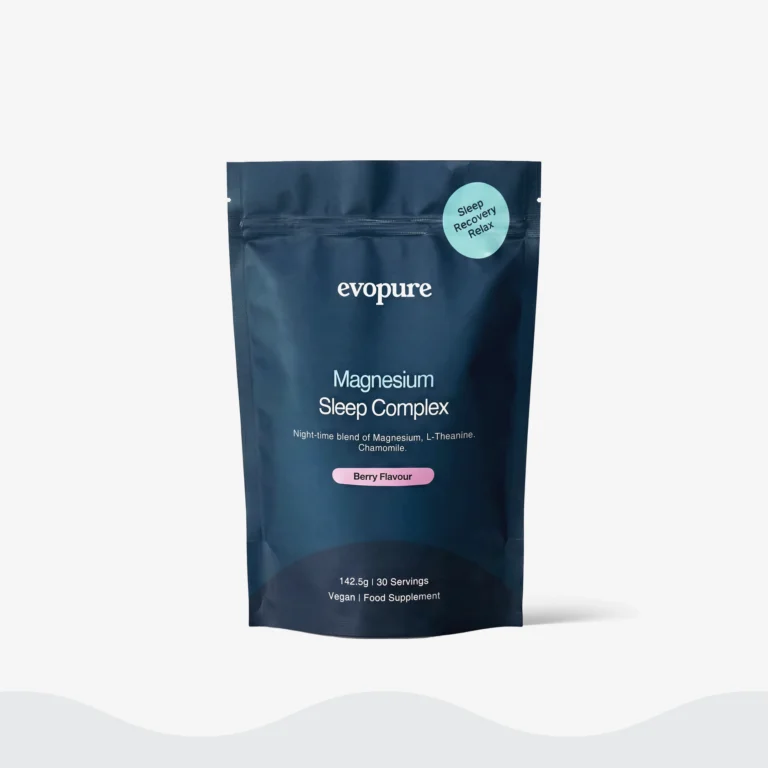
Our Evolabs Mint CBD Oil contains vegan, algae-based vitamin D3, and our Magnesium Glycinate Sleep Complex is an evening drink with magnesium bisglycinate and citrate. See why we chose algae-based D3.
Who benefits most?
- Everyone in the UK in autumn and winter, for vitamin D, as the sun is too weak from October to March.
- People who get little sun all year: those who are housebound, cover their skin outdoors, or have dark skin, whom the NHS advises to consider vitamin D year-round.
- People who eat few wholegrains, nuts and greens, who may get less magnesium.
- Vegans, who need a vegan source of vitamin D3, such as algae or lichen. See is CBD oil vegan?
- Older adults, whose skin makes less vitamin D and who may absorb less magnesium.
Sleep, weight loss and other claims
| Claim | What the evidence shows |
|---|---|
| Better sleep | Magnesium showed a small sleep benefit in a 2025 trial. Evidence that vitamin D improves sleep is mostly from observational studies, and there are no good trials of the pair together for sleep. See magnesium for sleep |
| Weight loss | No good evidence for either. See magnesium and weight loss |
| Energy | Magnesium contributes to the reduction of tiredness and fatigue |
| Immune support | Vitamin D contributes to the normal function of the immune system |
Safety
- Stay within the upper limits above, and count all your supplements.
- High-dose magnesium can cause diarrhoea; glycinate is usually gentler than oxide or citrate.
- Check with your GP or pharmacist if you have kidney disease, take medicines such as certain antibiotics, thyroid tablets or diuretics, or have a condition that affects calcium levels.
- We don’t recommend our products during pregnancy or breastfeeding, and they’re for adults only. The NHS advises pregnant and breastfeeding women to take a daily vitamin D supplement.
FAQs
Can I take magnesium and vitamin D together?
Yes. There’s no known harmful interaction at normal doses, and your body needs magnesium to activate vitamin D.
Does vitamin D need magnesium to work?
The enzymes that convert vitamin D into its active form depend on magnesium, so low magnesium may stop vitamin D working as well.
Should I take magnesium and vitamin D in the morning or at night?
Take vitamin D with a meal containing fat, often breakfast or lunch. Magnesium can be taken any time; many people prefer the evening.
How much vitamin D and magnesium should I take?
The NHS advises 10 micrograms of vitamin D a day in autumn and winter, up to 100 micrograms. Keep magnesium supplements to 400mg a day or less.
Do magnesium and vitamin D help you sleep?
Magnesium has some evidence for a small sleep benefit. There’s no good trial evidence that the combination improves sleep.
Sources
- Uwitonze AM, Razzaque MS (2018). Role of magnesium in vitamin D activation and function. Journal of the American Osteopathic Association.
- Dai Q et al (2018). Magnesium status and supplementation influence vitamin D status and metabolism: results from a randomized trial. American Journal of Clinical Nutrition.
- Schuster J et al (2025). Magnesium bisglycinate supplementation in healthy adults reporting poor sleep. Nature and Science of Sleep.
- NHS. Vitamin D.
- NHS. Vitamins and minerals: others (magnesium).
This guide is general information, not medical advice. Evopure makes the Magnesium Glycinate Sleep Complex and Evolabs Mint CBD Oil with vitamin D3.