Last updated: 12 November 2026
Ashwagandha withdrawal is not a recognised condition. Clinical trials haven’t reported withdrawal symptoms, and only one published case report describes a racing heart, poor sleep and anxiety after someone stopped suddenly. Most people can stop at any time, though cutting down over a week or two after months of use is a sensible precaution.
Below: what the evidence shows, what people report online, how to stop, what to do if you also take prescribed medicines, liver warning signs and where the UK safety review stands.
Is there such a thing as ashwagandha withdrawal?
Not as a recognised condition. Ashwagandha isn’t known to be addictive, and trials lasting up to six months haven’t reported withdrawal symptoms. One 2025 case report describes symptoms after a young man stopped suddenly, but its authors accept his anxiety may simply have come back. The evidence is one person, not a pattern.
Here is what has been published:
- Trials: a 2026 review of 23 trials in 2,317 healthy adults, lasting up to 180 days, found side effects were mild and infrequent. None of the trials reported withdrawal, although few followed people up after they stopped.
- A year of use: a 12-month study of 191 adults reported only mild side effects. It had no placebo group, so it can’t rule out rare problems.
- The case report: a 20-year-old in the US went to an emergency department with a racing heart, raised blood pressure, poor sleep, low appetite and anxiety. His symptoms started two days after he stopped 300mg of ashwagandha extract twice a day. His heart tests, blood tests, liver tests and thyroid test were normal. He also used cannabis, and before anyone asked about ashwagandha, other clinics had treated the same symptoms as panic attacks.
- The wider literature: the same authors searched for other reports and found none describing addiction or withdrawal with ashwagandha.
So it’s honest to say two things at once: there’s no good evidence of a withdrawal syndrome, and nobody has studied stopping carefully enough to rule out a rebound in some people.
What people report online vs what the evidence shows
Forum and social media posts describe a range of feelings after stopping, usually anxiety, poor sleep or low mood coming back. These reports are real experiences, but they can’t tell us the cause. The most likely explanation is that whatever led someone to take ashwagandha, often stress, anxiety or poor sleep, is still there once they stop.
| Reported after stopping | What the evidence shows | Other likely causes |
|---|---|---|
| Anxiety or feeling on edge | One case report; not seen in trials | The original stress or anxiety returning |
| Poor sleep | One case report; not seen in trials | The original sleep problem, caffeine, worry |
| Racing heart | One case report, with normal heart tests | Anxiety, caffeine, stopping other medicines |
| Low mood or irritability | Online reports only | Stress returning; see a GP if it lasts |
| Headaches or tiredness | Online reports only | Many causes, including caffeine changes |
Other things can confuse the picture. People often stop several things at once, such as ashwagandha, caffeine or a prescribed medicine, and caffeine withdrawal alone can cause headaches, tiredness and low mood. Expecting to feel worse can also make it more likely that you do. If you took ashwagandha for anxiety, our guide to ashwagandha for anxiety explains what the trials did and didn’t show.
Can you stop taking ashwagandha suddenly?
Yes, most people can. There’s no known withdrawal syndrome, so stopping a standalone ashwagandha supplement at once is usually fine. After months of daily use, some people prefer to cut down over a week or two, which costs nothing and may avoid a jolt. Never stop a prescribed medicine at the same time without advice.
How to stop taking ashwagandha
- Pick a calm week. Avoid stopping just before exams, a big work deadline or travel.
- If you want to taper, halve your daily amount for a week (for example, one capsule a day instead of two), then stop. Taking it every other day for a week is another option.
- Keep everything else steady. Don’t cut caffeine, alcohol or other supplements in the same week, so you can tell what’s causing any change.
- Note how you sleep and feel for two weeks. A few words a day in your phone is enough.
- Lean on the basics: regular sleep times, daylight, exercise and the steps in our sleep hygiene guide.
- If anxiety or poor sleep comes back and stays, speak to your GP rather than simply restarting. It may be the original problem, and there are proven treatments for it.
If you’re stopping because of a side effect, such as an upset stomach or drowsiness, you can simply stop. If you’re stopping because of liver warning signs, stop straight away and get checked (see below).
If you also take prescribed medicines
Never stop a prescribed medicine at the same time as ashwagandha without talking to your GP or pharmacist. This matters most for three groups:
- Antidepressants. The NHS says not to stop an antidepressant suddenly or without talking to your doctor first. Antidepressant withdrawal can cause a racing or pounding heart, dizziness, sweating and feeling sick, so if you stop both, it may be the antidepressant you’re noticing. See ashwagandha and antidepressants.
- Sleeping tablets and anti-anxiety medicines, such as benzodiazepines. These can cause real withdrawal effects and need a plan from your prescriber.
- Thyroid medicine, such as levothyroxine. Ashwagandha can raise thyroid hormone levels, so starting or stopping it may change your results. Tell your GP, who may want to recheck your levels. See ashwagandha and thyroid medication.
If you take diabetes or blood pressure medicines, tell your GP or pharmacist that you’ve stopped, as ashwagandha may lower blood sugar and blood pressure.
How long do symptoms last after stopping?
There’s no research to say. In the one case report, symptoms had lasted about a week when the man went to hospital, and he was treated for sleep and referred for follow-up. Nobody has measured how long ashwagandha’s effects take to wear off after regular use, although single-dose studies suggest each dose leaves the blood within about a day (see how long ashwagandha stays in your system).
A practical rule: if you feel unsettled for a few days and it then eases, that fits an adjustment or coincidence. If anxiety, low mood or poor sleep lasts more than two weeks, it is more likely the original problem, and a GP can help. Trials measured effects after several weeks of daily use, as our guide to how long ashwagandha takes to work explains, so changes after stopping may also be gradual.
Liver warning signs and when to get help
Liver injury linked to ashwagandha is rare, but it is the most important safety issue, and it is a good reason to stop. A 2026 review of 13 publications found 25 cases worldwide. Liver injury usually developed after weeks of use, often with yellow skin and itching, and most people recovered over weeks to months after stopping. The worst outcomes were one liver transplant and three deaths in people who already had cirrhosis.
Ask for an urgent GP appointment or contact NHS 111 if you notice:
- yellow skin or yellowing of the whites of your eyes
- itchy skin, darker pee or paler poo than usual
- pain under your right ribs, feeling sick or unusual tiredness
Call 999 or go to A&E if you have a racing or pounding heart that doesn’t go away, or palpitations with chest pain, shortness of breath or fainting.
If you feel very low or have thoughts of harming yourself, call 111 (in England, choose the mental health option), call Samaritans free on 116 123, or call 999 in an emergency.
Tell the doctor about every supplement you’ve taken, including blends and CBD oils with added herbs. You can also report a suspected side effect from a herbal product to the MHRA Yellow Card scheme. More on palpitations: heart palpitations.
Ashwagandha safety in the UK: the COT review
Ashwagandha is legal to sell as a food supplement in the UK. In 2024 the Food Standards Agency (FSA) asked for evidence on its safety, citing concerns about the liver, the thyroid and blood sugar, and the UK’s Committee on Toxicity (COT) has been reviewing it since. The COT discussed a third draft statement on 8 September 2026 as a reserved item kept private, and as of 12 November 2026 no conclusion has been published.
While the review continues, the FSA told Which? in June 2026 that it would advise pregnant women and people with liver conditions to avoid ashwagandha supplements. Withdrawal was not among the concerns the FSA listed. For the full picture, read our UK ashwagandha safety review and ashwagandha side effects.
Who should avoid ashwagandha
- people who are pregnant, breastfeeding or trying to conceive
- anyone with a thyroid, liver or autoimmune condition
- anyone under 18
- people taking sedatives, antidepressants or thyroid medicines, unless a GP or pharmacist has said it’s OK
If you do restart, keep to the label dose, see our guides on how much ashwagandha per day and when to take ashwagandha, and review it every 8 to 12 weeks.
Next step
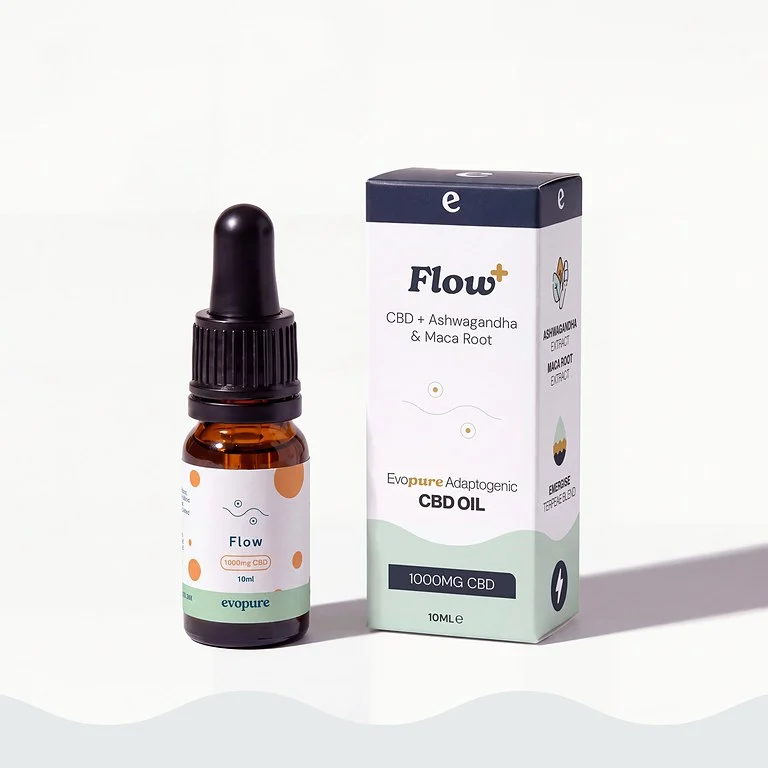
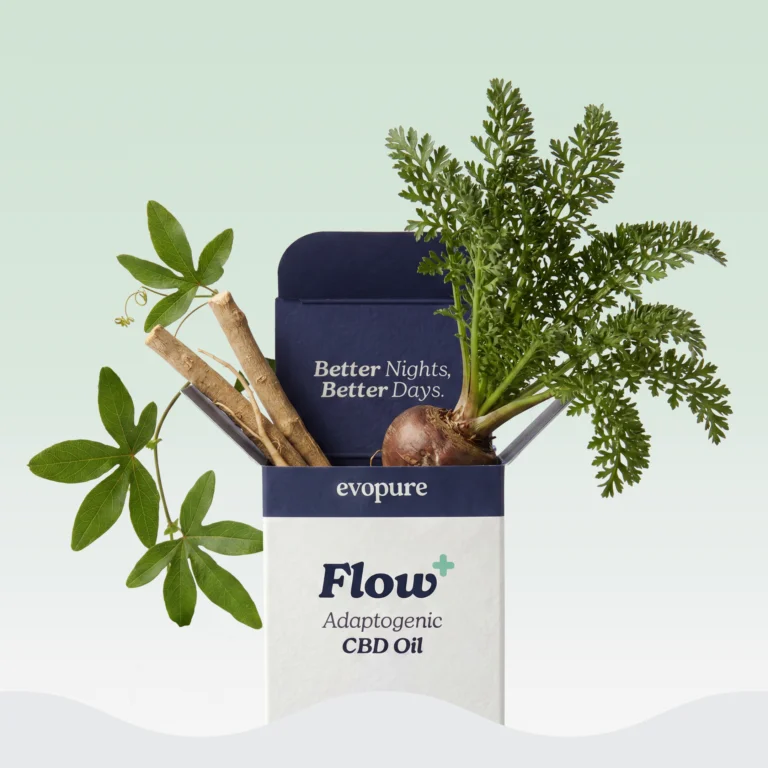
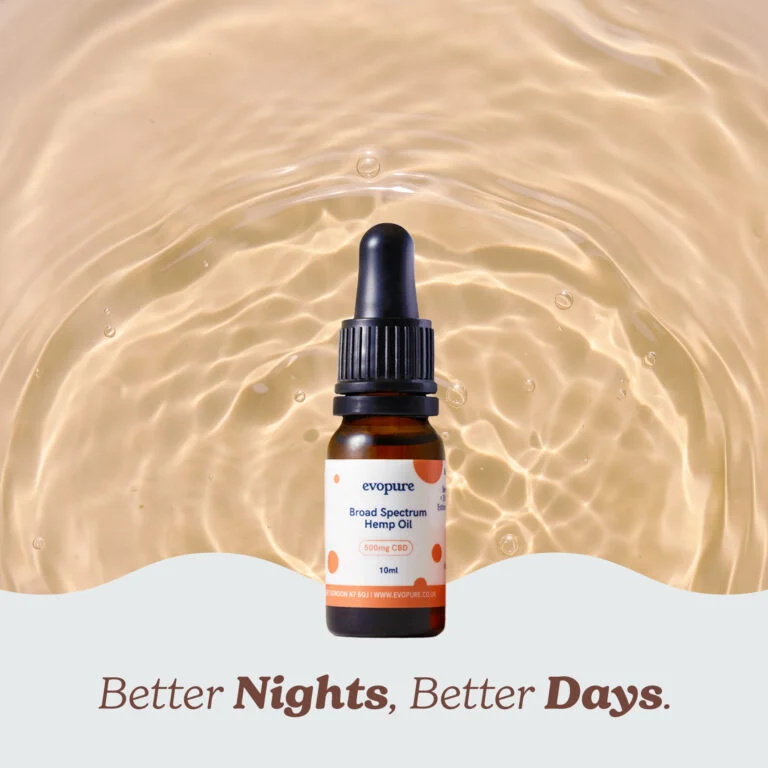
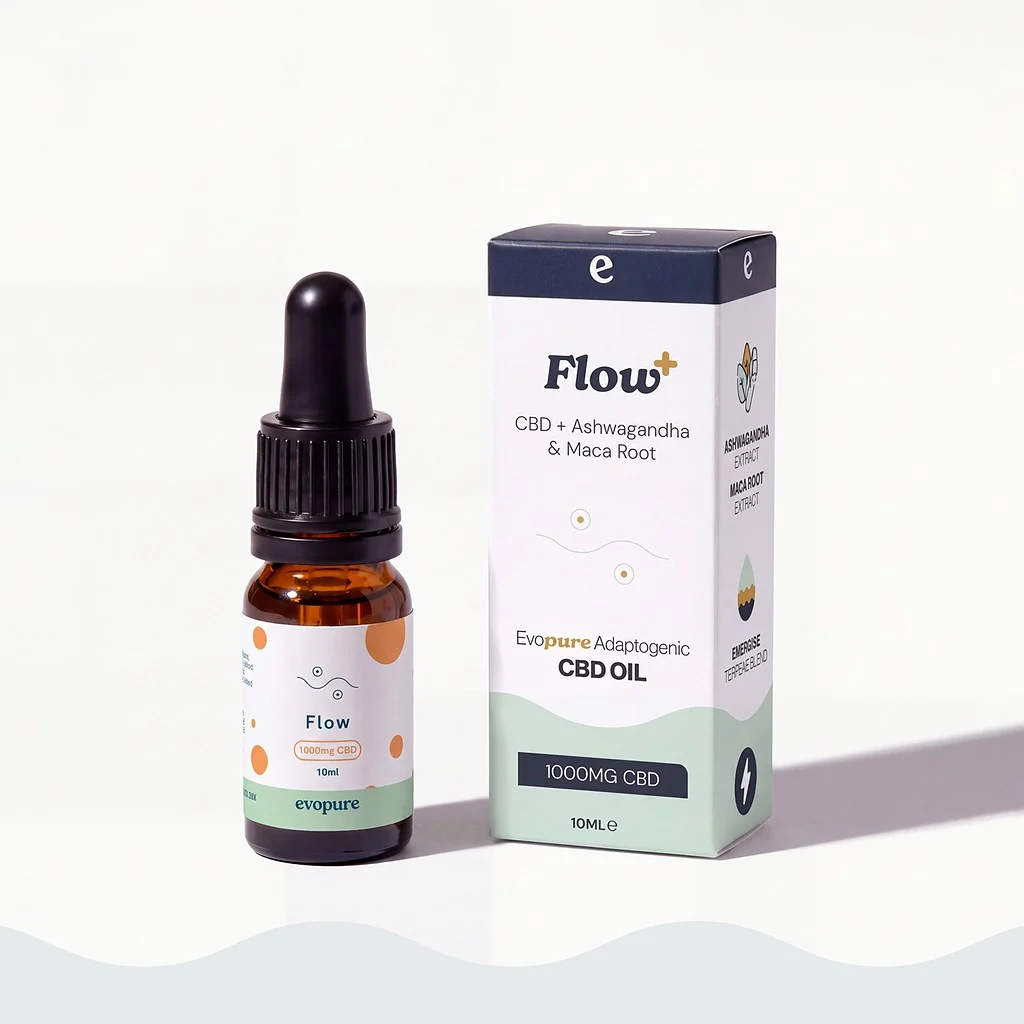
if you’d like a little ashwagandha in your day rather than a standalone supplement, Flow CBD Oil is our daytime oil: broad spectrum CBD with 35mg ashwagandha root extract and 35mg maca root extract per half pipette, far below the 300mg to 600mg a day used in most trials. 10mg of CBD is about 0.2ml of the 500mg oil. Rated 4.6 out of 5 from 46 verified ratings.
Flow isn’t for anyone who is pregnant, breastfeeding or trying to conceive, or who has a thyroid, liver or autoimmune condition. If you take sedatives, antidepressants or thyroid medicine, ask your GP or pharmacist first, and don’t take it alongside another ashwagandha supplement. Adults only.
Add Flow CBD Oil 500mg to bag or choose another strength
Prefer to leave ashwagandha out? The Magnesium Glycinate Sleep Complex is a berry drink with 290mg magnesium (77% NRV) per 4.75g serving, from bisglycinate and citrate, with no ashwagandha and no CBD. Magnesium contributes to a reduction of tiredness and fatigue. Rated 4.7 out of 5 from 15 verified ratings.
Add Magnesium Glycinate Sleep Complex to bag See ingredients and reviews
The FSA’s 10mg a day figure is precautionary advice rather than a legal limit, set while longer-term safety research continues. At Evopure we think it is a very cautious figure, and many adults use more. If you go above it, increase slowly, and check with your GP or pharmacist first if you take any medication.
Subscribe and save 25% on your first order, then 20%. New to Evopure? Join our emails for 20% off a one-off first order. Free UK delivery over £40. We don’t recommend our products during pregnancy or breastfeeding.
The Reishi Cacao pack says it isn’t for people on medication or during pregnancy or breastfeeding, and it contains a little natural caffeine from cacao. For how CBD and ashwagandha sit together, see CBD and ashwagandha, and for a side-by-side, ashwagandha vs magnesium.
Sources (checked 12 November 2026) 10
- Holzman A et al (2025). Unmasking potential withdrawal effects of ashwagandha: a case report and review. Cureus. PMID 40476122.
- Coope OC et al (2026). Safety and tolerability of standardised ashwagandha root extract in healthy adults: a systematic review of biomarkers and adverse events. Pharmaceuticals. PMID 42198398.
- Salve J et al (2026). Safety of 12-months administration of ashwagandha standardized root extract in healthy adults: a prospective, observational study. Phytotherapy Research. PMID 41063394.
- McIntyre D et al (2026). Ashwagandha (Withania somnifera)-associated liver injury: a scoping review of clinical characteristics and safety considerations. Cureus. PMID 42367407.
- NIH National Center for Complementary and Integrative Health. Ashwagandha.
- NHS. Antidepressants (stopping and withdrawal symptoms).
- NHS. Jaundice and Heart palpitations.
- Committee on Toxicity. Draft minutes of the 8 September 2026 COT meeting (item 5, ashwagandha, reserved).
- FSA (2026). Summary of responses to call for evidence on ashwagandha.
- Which? (June 2026). Ashwagandha: stress buster or health risk? (includes the FSA’s interim comment).
General information, not medical advice. Evopure makes Flow CBD Oil with Ashwagandha and Maca, the Magnesium Glycinate Sleep Complex and the Reishi Mushroom Adaptogenic Complex.