
Last updated: 12 November 2026
Yes, codeine can make you tired. The NHS lists feeling sleepy or tired as a common side effect of codeine and co-codamol, and a UK codeine leaflet lists drowsiness as common. It is often worse when you start or raise the dose. Don’t drive while drowsy, avoid alcohol, and never stop prescribed codeine suddenly.
If tiredness bothers you or doesn’t go away, speak to a pharmacist or your doctor. Checked against the NHS codeine page (reviewed 9 June 2026), the NHS co-codamol pages, two UK patient leaflets on the electronic medicines compendium and the gov.uk drug driving law page in November 2026.
Does codeine make you tired? What the NHS and leaflets say
Yes. Codeine is an opioid painkiller used for pain after an operation or injury, often when paracetamol or ibuprofen haven’t worked, and sometimes for a dry cough or diarrhoea. The NHS lists “feeling sleepy or tired” among its common side effects. A UK codeine phosphate 30mg leaflet lists drowsiness as common and feeling tired as less common.
| Side effect (UK codeine leaflet) | How it is listed |
|---|---|
| Drowsiness | Common |
| Feeling sick or being sick | Common |
| Constipation | Common |
| Sweating | Common |
| Feeling tired | Less common |
| Dependence and addiction | Frequency not known |
The NHS says don’t drive, ride a bike or use machinery while you feel sleepy or tired, until it stops. Drowsiness can also feel like poor concentration or being “in a fog”, which is easy to mistake for ordinary tiredness.
Does co-codamol make you drowsy?
Yes, it can. Co-codamol is codeine combined with paracetamol, and the NHS lists feeling sleepy as one of its most common side effects, along with constipation and feeling sick. The codeine is the part that causes drowsiness. The lowest strength (8/500) is sold in pharmacies; the stronger 15/500 and 30/500 tablets are prescription only.
The same applies to other codeine combinations, such as ibuprofen with codeine (Nurofen Plus), and to the related painkiller co-dydramol (dihydrocodeine with paracetamol). Adults can take 1 or 2 co-codamol tablets up to 4 times in 24 hours, with at least 4 to 6 hours between doses and no more than 8 tablets in 24 hours. Because co-codamol already contains paracetamol, don’t take other paracetamol products with it. If you’re unsure, ask a pharmacist. For headache types and which painkiller suits them, see types of headaches.
Why codeine makes you sleepy
- How it works. Your liver turns part of each codeine dose into morphine, which dulls pain signals in the brain and also slows the nervous system. That slowing is what you feel as drowsiness.
- Fast processors. The leaflet warns that some people turn codeine into morphine very quickly and so get more morphine and more side effects. If one small dose leaves you very drowsy or confused, tell your doctor or pharmacist.
- Other sedating medicines. Leaflets warn that sleeping tablets and tranquillisers such as diazepam and temazepam, some antihistamines, pregabalin and gabapentin add to drowsiness and can slow breathing. See over-the-counter sleeping tablets and zopiclone.
- Pain and poor sleep. Pain itself breaks up sleep, and a short night shows up as a tired day. See sleep hygiene.
- Something else. Other medicines such as beta blockers, statins or antibiotics, or low iron, low B12 or an underactive thyroid. For the bigger picture, see why am I always tired?
How long does codeine drowsiness last?
Usually a few hours after each dose. The NHS says co-codamol takes up to 1 hour to work and keeps working for about 5 hours, so sleepiness tends to follow the same pattern. It is often strongest in the first few days or after a dose increase, and may ease as your body gets used to it. If it carries on, speak to a pharmacist or your doctor.
iDon’t take extra doses or take them closer together to get on top of pain: that raises drowsiness and the risk of serious side effects. Ask your pharmacist or doctor about a different plan instead.
Can you drive after taking codeine?
Only if it doesn’t affect your driving. Gov.uk names codeine as an example of the opioid drugs covered by drug driving law. It is illegal in England, Scotland and Wales to drive if a legal drug impairs your driving, even if it was prescribed. Wait until you know how codeine affects you, and don’t drive if you feel sleepy, dizzy or have blurred vision.
Gov.uk says you can drive after taking these drugs if they were prescribed and you followed the advice of a healthcare professional, but that doesn’t help if you’re still unfit to drive. A drug driving conviction can mean a minimum 1 year ban, an unlimited fine, up to 6 months in prison and a criminal record. The NHS adds that police can ask for a saliva sample. If you’re not sure, ask your doctor or pharmacist before you drive. More on drowsy driving in how to stay awake when tired.
Can you drink alcohol with codeine?
It’s best not to. The NHS says avoid alcohol with codeine because it can increase the risk of side effects, and the codeine leaflet says alcohol can make the sedative effect stronger and make you very sleepy. For co-codamol, the NHS says stop drinking for the first few days until you know how it affects you. Alcohol and opioids together can also slow breathing.
Alcohol also breaks up sleep later in the night, so you can wake more tired. See alcohol and sleep.
Is codeine addictive? The 3 day rule
Yes, it can be. The NHS says your body can get used to codeine and addiction is possible. If you buy co-codamol from a pharmacy, don’t take it for more than 3 days: one UK leaflet says the codeine can cause addiction if taken continuously for longer. If you still have pain after 3 days, speak to a pharmacist or doctor.
On prescription, your doctor keeps the dose to what you need and should review it. Signs you may be relying on codeine include needing more for the same effect, taking it for reasons other than pain, or feeling unwell when a dose is late. Leaflets also warn that taking codeine painkillers for headaches on more than 3 days can make headaches worse. Talk to your GP; it is a common problem and help is available.
Should I stop codeine if it makes me tired?
Don’t stop prescribed codeine suddenly. The NHS says stopping suddenly can cause withdrawal symptoms, and your doctor will lower the dose gradually over several weeks or months. The leaflet lists restlessness, difficulty sleeping, irritability, agitation and anxiety as withdrawal symptoms, so stopping abruptly can leave you more tired, not less. Ask your doctor or pharmacist instead.
If you bought a short pack from a pharmacy and took it for a day or two, you can simply stop when you no longer need it. If drowsiness is severe, see the urgent help table below.
What helps tiredness on codeine
- Talk to a pharmacist or your doctor. They can look at the dose, the timing or a different painkiller.
- Take it as directed. No doubled or early doses, and no more than 3 days for pharmacy co-codamol.
- Skip alcohol. It adds to drowsiness.
- Check other medicines. Ask before taking sleeping tablets, sedating antihistamines or anything else that makes you drowsy.
- Don’t drive when drowsy. Wait until you know how codeine affects you.
- Manage constipation. It is common on codeine and can leave you sluggish. Drink plenty of fluids and add fibre; see foods that help constipation. A pharmacist can suggest a laxative.
- Protect your sleep. Keep regular sleep and wake times. A short nap of 10 to 20 minutes can help in the day; see power naps.
When to get urgent help
| If you have | What to do |
|---|---|
| Tiredness or other side effects that bother you or don’t go away | Speak to a pharmacist or your doctor |
| Dizziness and tiredness from low blood pressure, a rash, difficulty peeing or changes in eyesight | Call your doctor or NHS 111 now |
| You’ve taken more than the recommended dose, even if you feel well | Call NHS 111 now; don’t drive yourself to A&E |
| Slow, weak or shallow breathing, difficulty breathing, or a fit | Call 999 or go to A&E |
| Sudden confusion or drowsiness, someone who won’t wake up, or swelling of the lips, mouth or throat | Call 999 now |
Co-codamol contains paracetamol, and too much can damage the liver even if you feel fine at first, which is why the NHS says get advice straight away. You can report side effects through the MHRA Yellow Card scheme.
Supplements and CBD with codeine: check first
No supplement treats codeine side effects. Tell your doctor or pharmacist about any vitamins, herbal remedies or supplements you take, especially anything sold for sleep or calm, because drowsiness can add up.
CBD: We found no study of CBD with codeine in people. Codeine is turned into morphine partly by a liver enzyme, and CBD can also cause drowsiness, so the effects may add up. The FSA advises people taking any medication not to take CBD unless under medical direction, so we don’t suggest CBD alongside codeine. Speak to your prescriber or pharmacist first. More detail in CBD and painkillers: paracetamol, co-codamol and pregabalin and can CBD interact with medication?
Our Reishi Mushroom Adaptogenic Complex isn’t suggested here: its pack says it isn’t for people on medication. For more on magnesium and sleepiness, see does magnesium make you sleepy? Other medicines in this series: does fluoxetine make you tired?
iIf you take any regular medicines, check with your GP or pharmacist first. We don’t recommend our products during pregnancy or breastfeeding. For adults (18+) only.
Next step
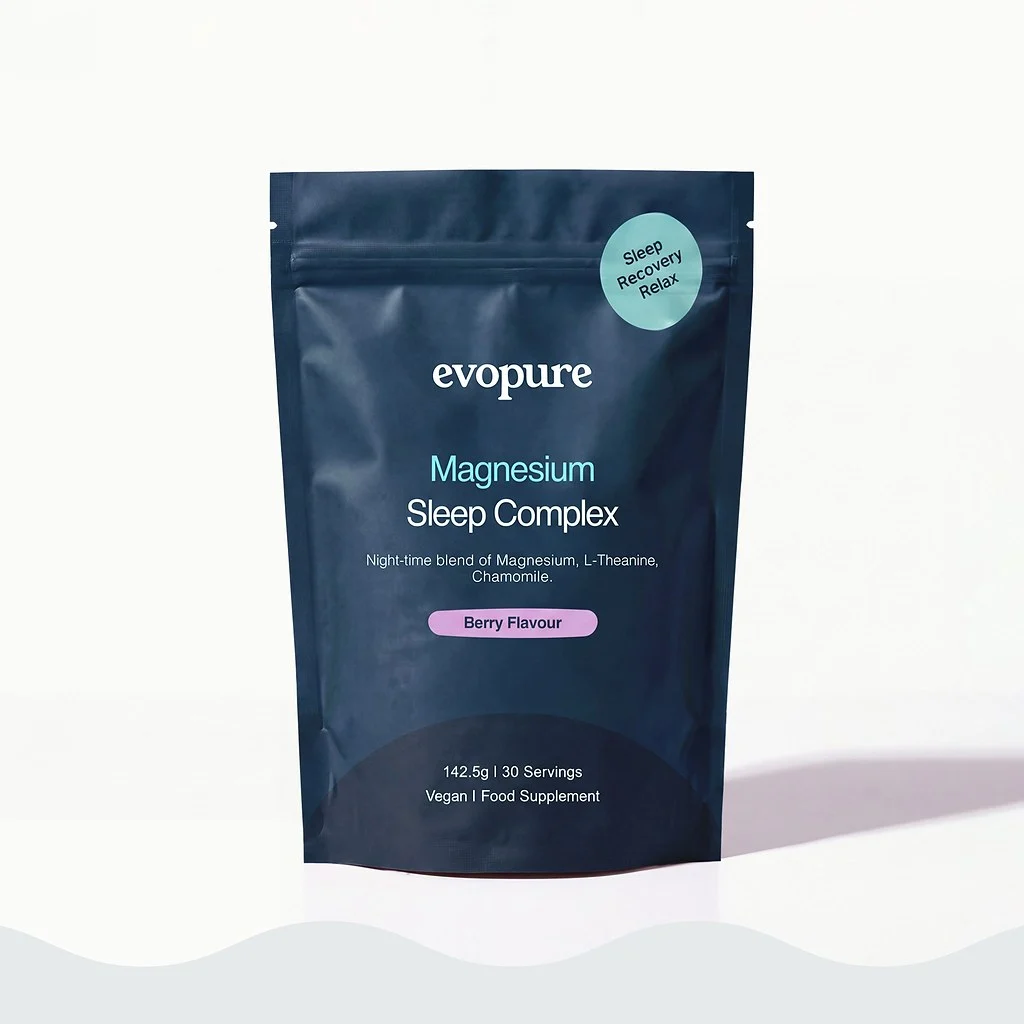
Magnesium Glycinate Sleep Complex
If your prescriber or pharmacist is happy, add the Magnesium Glycinate Sleep Complex to your evening routine: 290mg of magnesium (77% NRV) per 4.75g berry drink, from bisglycinate and citrate. Magnesium contributes to a reduction of tiredness and fatigue. It doesn’t override a medicine side effect.
Add Magnesium Glycinate Sleep Complex to bag See ingredients and reviews
Subscribe and save 25% on your first order, then 20%. New to Evopure? Join our emails for 20% off a one-off first order. Free UK delivery over £40. If you take any regular medicines, check with your GP or pharmacist first. We don’t recommend our products during pregnancy or breastfeeding.
Subscribe £22.49One-off £29.99
View productSources 7
- NHS. Codeine (reviewed 9 June 2026).
- NHS. Side effects of co-codamol for adults, How and when to take co-codamol and Common questions about co-codamol.
- Wockhardt UK. Codeine Phosphate 30mg Tablets patient information leaflet (revised March 2026), electronic medicines compendium.
- Zentiva. Co-codamol 8/500 Tablets patient information leaflet, electronic medicines compendium.
- Gov.uk. Drugs and driving: the law.
- MHRA. Yellow Card scheme.
- FSA (gov.uk). Cannabidiol (CBD) guidance.
This guide is general information, not medical advice. Always follow your prescriber and the leaflet that comes with your medicine. Evopure makes the Magnesium Glycinate Sleep Complex and doesn’t make or sell codeine or co-codamol.