Last updated: 11 November 2026
Montelukast side effects are usually mild: headache and stomach pain are the most common in trials, and diarrhoea, feeling sick, rash and fever are also common. Less often it changes mood, sleep or behaviour, such as nightmares, insomnia, anxiety or depression. The MHRA says get medical advice straight away if that happens, and don’t stop it without your prescriber.
Montelukast is usually prescribed for asthma, often for children. Checked against the NHS montelukast pages, a UK montelukast 10mg leaflet on the electronic medicines compendium (revised June 2026) and the MHRA’s April 2024 Drug Safety Update in November 2026.
What is montelukast?
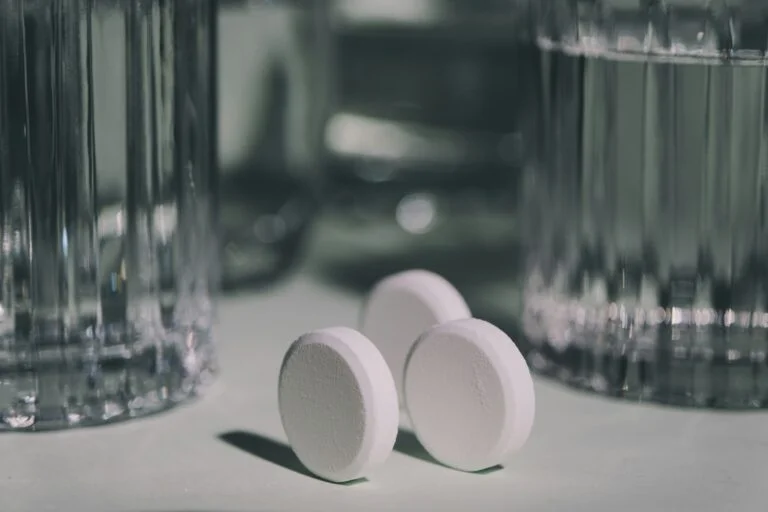
Montelukast (brand name Singulair) is a prescription tablet or granule that helps prevent asthma symptoms. The NHS says it stops chemicals called leukotrienes from narrowing your airways, and it’s usually used alongside inhalers. It can also help exercise-induced asthma and hay fever, and is sometimes given for hives lasting more than 6 weeks.
| Age | Usual dose (NHS) |
|---|---|
| Adults and children 15 and over | One 10mg tablet once a day |
| Children 6 to 14 | One 5mg chewable tablet once a day |
| Children 6 months to 5 years | 4mg once a day as granules (or a chewable tablet over 2 years) |
Most people take it once a day in the evening. The NHS says it starts working straight away and takes about a day to help asthma symptoms, and it only keeps working while you take it. Montelukast doesn’t treat an asthma attack: always use your reliever inhaler for that. For year-round allergy triggers at night, see dust mite allergy.
Montelukast side effects: what the leaflet says
In clinical studies of montelukast 10mg tablets, the most common side effects linked to the medicine were stomach pain and headache, usually mild. Since it went on sale, upper respiratory infections have been reported as very common, and diarrhoea, feeling or being sick, rash, raised liver enzymes and fever as common.
| Side effect (UK montelukast 10mg leaflet) | How common |
|---|---|
| Upper respiratory infection | Very common: more than 1 in 10 |
| Stomach pain, headache, diarrhoea, feeling or being sick, rash, fever | Common: up to 1 in 10 |
| Nightmares, abnormal dreams, trouble sleeping, sleepwalking, irritability, anxiety, restlessness | Uncommon: up to 1 in 100 |
| Agitation or aggression, depression, dizziness, drowsiness, tiredness, bedwetting in children | Uncommon: up to 1 in 100 |
| Problems with attention or memory, tremor, palpitations | Rare: up to 1 in 1,000 |
| Hallucinations, disorientation, suicidal thoughts and actions, stuttering | Very rare: up to 1 in 10,000 |
The NHS says headaches should usually go away after the first week. Talk to your doctor if they last longer than a week or are severe. If you take the pill and have severe diarrhoea or vomiting for more than 24 hours, check the pill packet, because your contraception may not protect you.
Can montelukast affect mood and sleep?
Yes, in a small number of people. The MHRA says reported reactions include sleep disorders, hallucinations, anxiety and depression, and changes in behaviour and mood. Sleep disturbances, depression and agitation may affect up to 1 in 100 people, and hallucinations and suicidal thinking up to 1 in 10,000. Seek medical advice as soon as possible if they happen.
Can montelukast cause nightmares and insomnia?
Yes. The leaflet lists nightmares, abnormal dreams, trouble sleeping and sleepwalking as uncommon, and the NHS says call your doctor or 111 straight away if you have new sleep problems, or sleep problems that get worse. Don’t treat it as an ordinary bad patch of sleep while you’re on montelukast. For dreams and nightmares more generally, see vivid dreams and nightmares; for broken sleep, see insomnia and why can’t I sleep? Other medicines can affect sleep too, for example sertraline.
The MHRA and the NHS both say tell your family or friends that you’re taking montelukast, because other people may notice changes in your mood, sleep or behaviour before you do. The leaflet adds that these symptoms have sometimes carried on after montelukast was stopped: contact your prescriber if they don’t settle. For what anxiety and low mood can look like, see anxiety symptoms and low mood vs depression.
What did the MHRA say about montelukast?
In April 2024 the MHRA reminded doctors to be alert to neuropsychiatric reactions in everyone taking montelukast, including children and teenagers. The leaflet in every UK pack now carries these warnings in a black box. The MHRA said the risk itself hadn’t changed, but Yellow Card reports suggested people weren’t always aware of it.
- How many reports: about 44 million montelukast prescriptions since 1998, and 1,223 Yellow Card reports of suspected neuropsychiatric reactions.
- History: the warning first went into the product information in 2008, a detailed warning was added in 2019, and the MHRA published a reminder in September 2019.
- Benefit and risk: the MHRA said the benefits of montelukast continue to outweigh the risks for most patients with asthma.
- Advice to patients and carers: read the boxed warning in the leaflet, and speak to your prescriber straight away or get urgent medical attention if these reactions happen. The MHRA says your prescriber is best placed to advise on stopping the medicine if needed.
You or your child’s carer can report a suspected side effect through the Yellow Card scheme.
Montelukast side effects in children
Children can get the same side effects as adults, and the NHS says most children aged 6 months and over can take montelukast. In the MHRA’s review, the reactions reported most often in children up to 12 were aggression, nightmares and anxiety. In teenagers aged 13 to 17 they were anxiety, suicidal thoughts and depression.
What parents can do:
- Read the black-box warning in the leaflet that comes with your child’s montelukast.
- Watch for changes in mood, sleep or behaviour, such as new nightmares, night waking, sleepwalking, aggression, anxiety, stuttering or low mood, and tell family, friends or carers what to look out for.
- Contact your child’s prescriber straight away, or call 111, if you notice any of these. Call 999 or go to A&E if your child talks about harming themselves.
- Don’t stop the medicine yourself. Ask the prescriber, who can review the asthma plan and any other treatment.
The leaflet also lists bedwetting in children as uncommon. Granules should go straight on the tongue or into a spoonful of cold soft food such as yoghurt, not into a drink, and chewable tablets need to be taken at least 1 hour before or 2 hours after food. For sleep troubles in children more generally, see night terrors and sleepwalking.
Should I stop montelukast if I get side effects?
Not on your own. The NHS says don’t stop taking montelukast without speaking to your doctor first, because your asthma symptoms may get worse. If you or your child notice mood, sleep or behaviour changes, contact the prescriber straight away: the MHRA says they’re best placed to advise on stopping it and what to use instead.
iKeep using your other asthma medicines as prescribed in the meantime. If montelukast hasn’t helped after 4 to 8 weeks, the NHS says see your doctor to talk about other options.
What to do in an asthma attack
Montelukast won’t stop an asthma attack. The NHS says sit up straight, try to stay calm and use your reliever inhaler: with a blue reliever, take 1 puff every 30 to 60 seconds, up to 10 puffs. With an AIR or MART inhaler, take 1 puff every 1 to 3 minutes, up to 6 puffs, unless your asthma action plan says otherwise.
Call 999 if you feel worse at any time, don’t feel better after the maximum dose, or don’t have your inhaler. If the ambulance hasn’t arrived after 10 minutes and you’re no better, repeat the inhaler dose. After an attack, the NHS says see a GP within 2 days, even if you feel better. Asthma + Lung UK has the same step-by-step advice for blue reliever, AIR and MART inhalers.
Montelukast with alcohol and other medicines
The NHS says you can drink alcohol while taking montelukast, and you don’t need to avoid any food or drink. Montelukast doesn’t usually affect driving, but don’t drive or ride a bike if it makes you see things that aren’t there, gives you shaking or tremors, or leaves you unable to concentrate.
The leaflet asks you to tell your doctor if you take phenobarbital or phenytoin (for epilepsy), rifampicin (an antibiotic) or gemfibrozil (for high blood fats). It also says don’t take aspirin or anti-inflammatory painkillers such as ibuprofen if they make your asthma worse. Montelukast doesn’t affect any type of contraception, the NHS says.
When to get urgent help
| If you or your child has | What to do (NHS) |
|---|---|
| Side effects that bother you or don’t go away, or headaches lasting over a week | Speak to a pharmacist or doctor |
| Mood changes, anxiety, depression or aggression, hallucinations, new or worse sleep problems, memory or concentration problems, stuttering, shaking | Call your doctor or 111 straight away |
| Yellow skin or whites of the eyes, or a flu-like illness with pins and needles, worse asthma or a rash | Call your doctor or 111 straight away |
| Taken more than the prescribed dose | Contact 111 |
| Thoughts about harming yourself | Call 999 or go to A&E |
| Swollen lips, mouth, throat or tongue, or struggling to breathe | Call 999 |
| An asthma attack that isn’t easing with the reliever | Call 999 |
You can also call Samaritans on 116 123, any time, if you’re struggling. Don’t drive yourself to A&E: ask someone to drive you or call 999.
Supplements and CBD with montelukast: check first
No supplement treats asthma or montelukast side effects, and none replaces an asthma medicine. The leaflet asks you to tell your doctor or pharmacist about any medicines, herbal remedies, health products or supplements you take.
CBD: we don’t suggest CBD here. The FSA advises people taking any medication not to take CBD unless under medical direction, and CBD isn’t for children. If you’re asking about it for yourself, see can CBD interact with medication?
Evopure products are for adults (18+) only and aren’t suitable for children.
Next step (adults only)
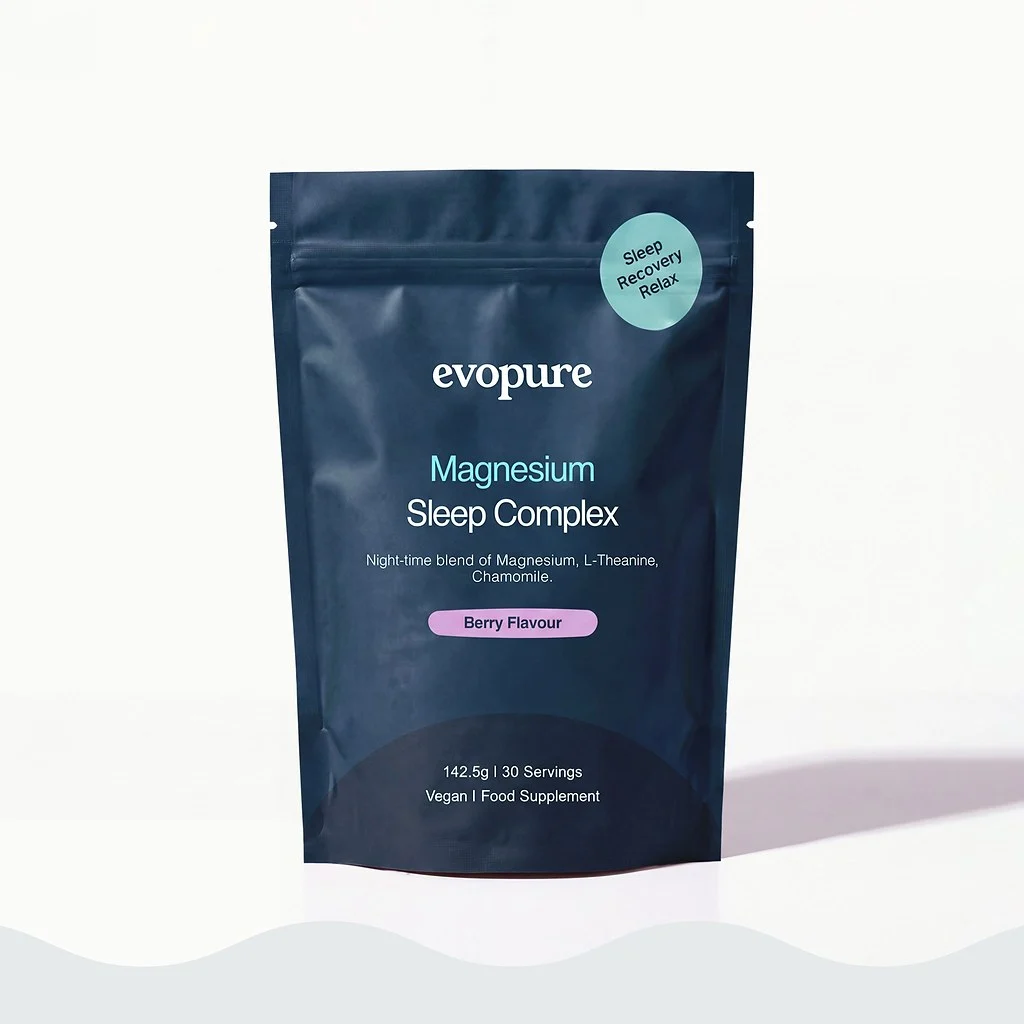
Magnesium Glycinate Sleep Complex
If your GP or pharmacist is happy, the Magnesium Glycinate Sleep Complex is a berry drink powder with 290mg of magnesium (77% NRV) per 4.75g serving, from bisglycinate and citrate, plus glycine and L-theanine. Magnesium contributes to a reduction of tiredness and fatigue and to normal psychological function. It doesn’t treat asthma or medicine side effects.
Add Magnesium Glycinate Sleep Complex to bag See ingredients and reviews
Subscribe and save 25% on your first order, then 20%. New to Evopure? Join our emails for 20% off a one-off first order. Free UK delivery over £45. Vegan and made in the UK. If you take any regular medicines, check with your GP or pharmacist first. We don’t recommend our products during pregnancy or breastfeeding. Not for children.
Subscribe £22.49One-off £29.99
View productSources 9
- NHS. Montelukast (side effects, how and when to take it, common questions).
- Glenmark. Montelukast 10mg film-coated tablets patient information leaflet, electronic medicines compendium (revised June 2026).
- MHRA. Montelukast: reminder of the risk of neuropsychiatric reactions, Drug Safety Update (29 April 2024).
- MHRA. Outcome of MHRA review of neuropsychiatric reactions with montelukast (29 April 2024).
- MHRA. Montelukast (Singulair): reminder of the risk of neuropsychiatric reactions, Drug Safety Update (19 September 2019).
- NHS. Asthma (how to treat an asthma attack).
- Asthma + Lung UK. Asthma attacks.
- MHRA. Yellow Card scheme.
- FSA (GOV.UK). Cannabidiol (CBD) guidance.
This guide is general information, not medical advice. Always follow your prescriber, your asthma action plan and the leaflet that comes with your medicine. Evopure makes the Magnesium Glycinate Sleep Complex and doesn’t make or sell montelukast.