Last updated: 9 November 2026
Anandamide is an endocannabinoid: a cannabinoid-like messenger your body makes on demand from fats in cell membranes. Discovered in 1992, it acts mainly on CB1 receptors in the brain and nerves and is broken down within minutes by an enzyme called FAAH. Its name comes from the Sanskrit word “ananda”, meaning bliss.
Below: what anandamide does, why it’s nicknamed the “bliss molecule”, how it differs from THC, what research says about CBD and anandamide, the runner’s high, and whether chocolate really contains it.
What is anandamide?
Anandamide (also called AEA, short for N-arachidonoylethanolamine) is one of the two main endocannabinoids, the body’s own cannabinoid-like molecules. The other is 2-AG. Both are part of the endocannabinoid system, a signalling network of receptors, messengers and enzymes found throughout the body.
| Anandamide fact | The detail |
|---|---|
| Chemical name | N-arachidonoylethanolamine (AEA) |
| Discovered | 1992, Hebrew University of Jerusalem |
| Made from | Fats in cell membranes, on demand |
| Main target | CB1 receptors (brain and nerves); weaker at CB2 and TRPV1 |
| Broken down by | FAAH (fatty acid amide hydrolase) |
| Sister molecule | 2-AG, broken down mainly by MAGL |
| Sold as a supplement? | No |
The team that found it, led by Raphael Mechoulam, was looking for a natural molecule in the brain that fits the same receptor as THC. They isolated anandamide from pig brain tissue. For quick definitions of CB1, CB2 and other terms, see our CBD glossary.
Why is anandamide called the bliss molecule?
Anandamide is called the “bliss molecule” because its discoverers named it after “ananda”, the Sanskrit word for bliss or joy. The nickname comes from the name, not from proof that it makes people blissful. Research mostly in animals links it to many everyday processes, including appetite, pain signalling, memory and the stress response.
It’s tempting to treat anandamide as a “happiness chemical”, like the popular picture of serotonin or dopamine. The reality is less tidy: it works locally and briefly, alongside many other messengers. For the bigger picture on mood chemicals, see happy hormones and how to boost serotonin and dopamine naturally.
How is anandamide made and broken down?
Your body doesn’t store anandamide. Cells make it from fats in their membranes when it’s needed, it acts on nearby receptors, and an enzyme called FAAH (fatty acid amide hydrolase) then breaks it down into arachidonic acid and ethanolamine. Proteins called FABPs carry it inside cells to FAAH. This quick on, quick off cycle keeps its effects short and local.
One unusual case shows how much FAAH matters. In 2019, UCL researchers described a woman in Scotland who feels very little pain and has high anandamide levels. She carries a rare change in a gene next to FAAH, nicknamed FAAH-OUT, plus a common FAAH variant. This is one person’s genetics, not something a food or supplement can copy.
Anandamide vs THC: what’s the difference?
Anandamide and THC both act on CB1 receptors, but anandamide is made by your body and broken down in minutes, while THC comes from the cannabis plant and lasts for hours. THC is what causes a cannabis “high”. In the UK, THC is a controlled drug.
| How they differ | Anandamide | THC |
|---|---|---|
| Where it comes from | Made by your body | The cannabis plant |
| How long it acts | Minutes, then broken down by FAAH | Hours |
| At CB1 receptors | Partial, local activation | Strong activation, causes the high |
| UK status | A natural body chemical | Controlled drug |
CBD is different again: it barely activates CB1 and doesn’t cause a high. See CBD vs THC, does CBD get you high? and cannabinoids explained.
Does CBD increase anandamide?
Lab studies suggest CBD may slow the breakdown of anandamide, but it isn’t known whether this happens at food supplement doses. The one trial that measured higher blood anandamide used up to 800mg of CBD a day, 80 times the FSA’s 10mg advice, in a hospital setting. So CBD oil can’t be said to raise anandamide.
What the research shows so far:
- Lab work in rat tissue (2001): CBD reduced the breakdown of anandamide by FAAH and its uptake into cells.
- Human enzymes (2015): a US lab study found CBD did not block human FAAH the way it blocked the rodent version. Instead it bound to FABPs, the carrier proteins that take anandamide to FAAH.
- A hospital trial (2012): people with schizophrenia given up to 800mg of CBD a day had higher blood anandamide. That was a medicine-level dose in a medical study and says nothing about a 10mg food supplement serving.
That’s why we describe CBD and anandamide as an open research question. For how CBD fits into the wider system, read the endocannabinoid system explained, what is CBD? and does CBD actually work?
Anandamide and the runner’s high
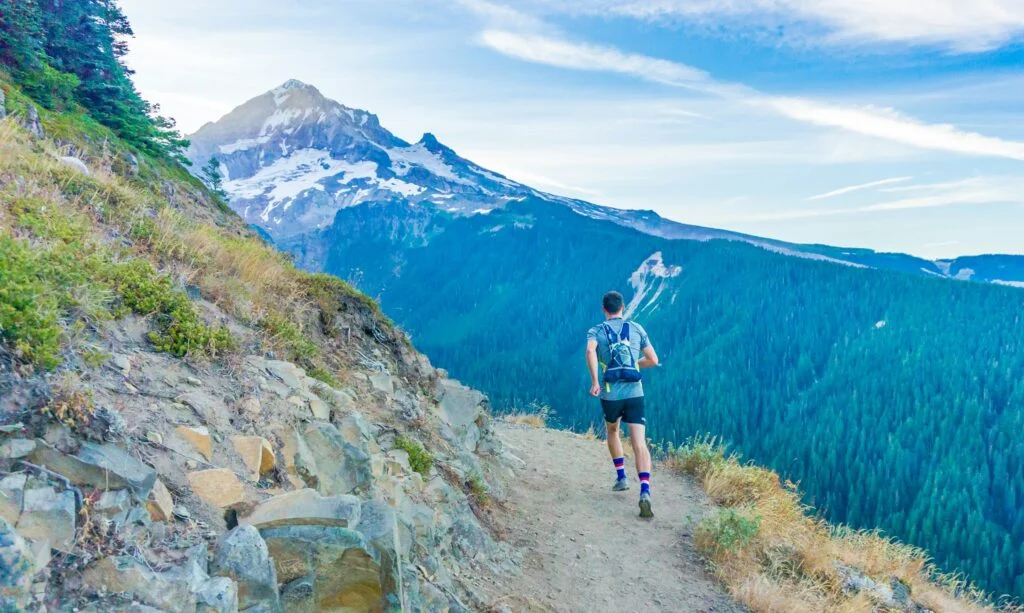
The runner’s high, a lift in mood and calm during or after endurance exercise, was long put down to endorphins. Research now points to endocannabinoids, including anandamide, as at least part of the story:
- A 2003 study found blood anandamide rose in trained young men after 50 minutes of moderate-intensity running or cycling.
- A 2012 study found anandamide rose in humans and dogs after high-intensity running, but not after slow walking.
- In mice, the calming and pain-dulling effects of running depended on cannabinoid receptors, not opioid receptors (2015).
- In a 2021 German trial of 63 adults, 45 minutes of running raised anandamide and lifted mood, and blocking opioid receptors with naltrexone didn’t stop either, which suggests endorphins aren’t the main cause.
Exercise is the best-studied everyday activity linked to higher anandamide, though nobody knows the “right” amount. Runners interested in recovery can read CBD and HRV for runners.
Does chocolate contain anandamide?
Yes, but only in tiny amounts. A 1996 study in Nature found anandamide and two related compounds in chocolate and cocoa. Other scientists soon pointed out that the amounts are far too small to have a noticeable effect on the brain, so chocolate’s appeal is better explained by its taste, fat, sugar and a little caffeine and theobromine.
For what cocoa does contain, see dark chocolate benefits and ceremonial cacao.
Next step
CBD Oil Broad Spectrum
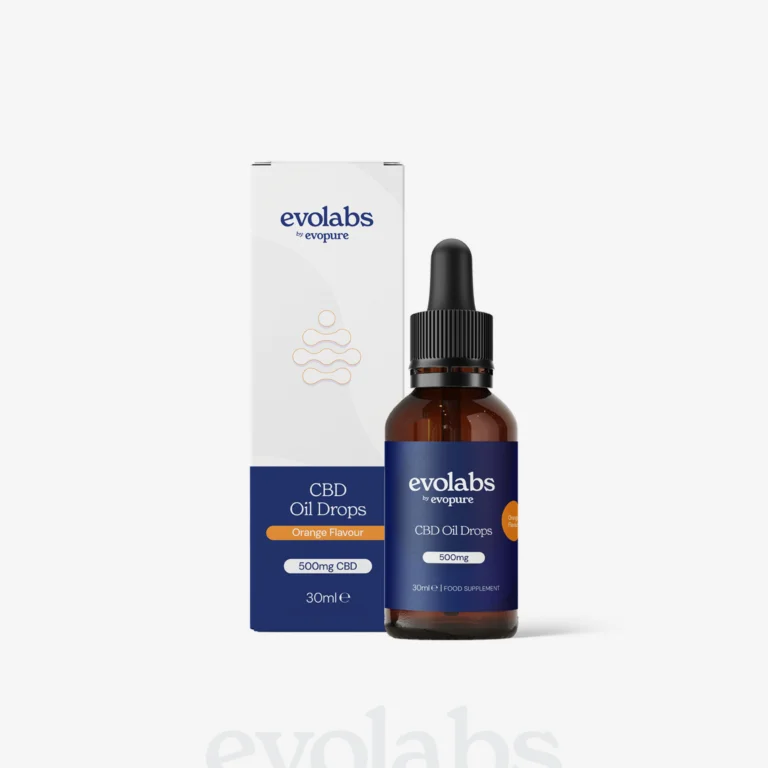
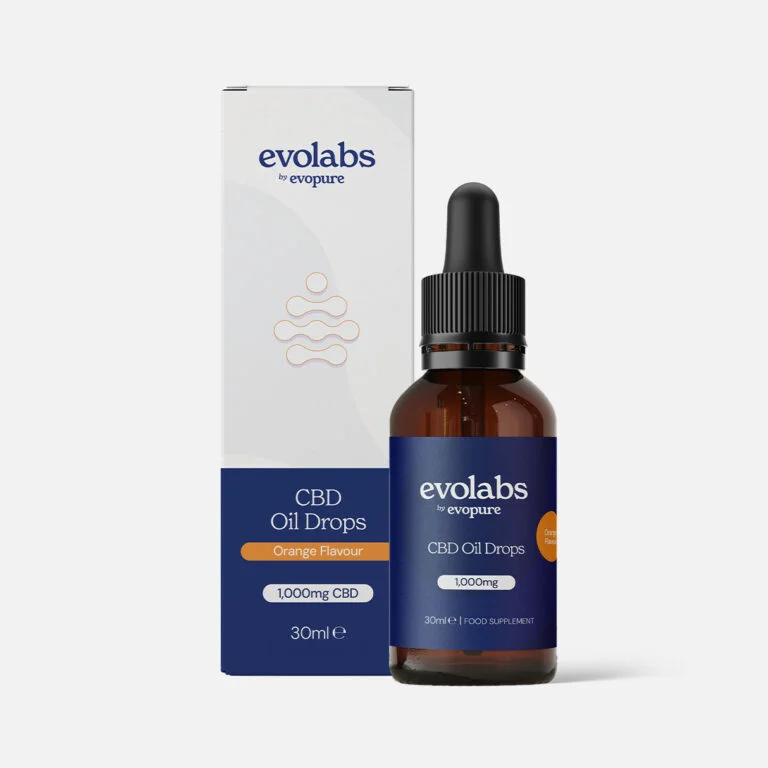
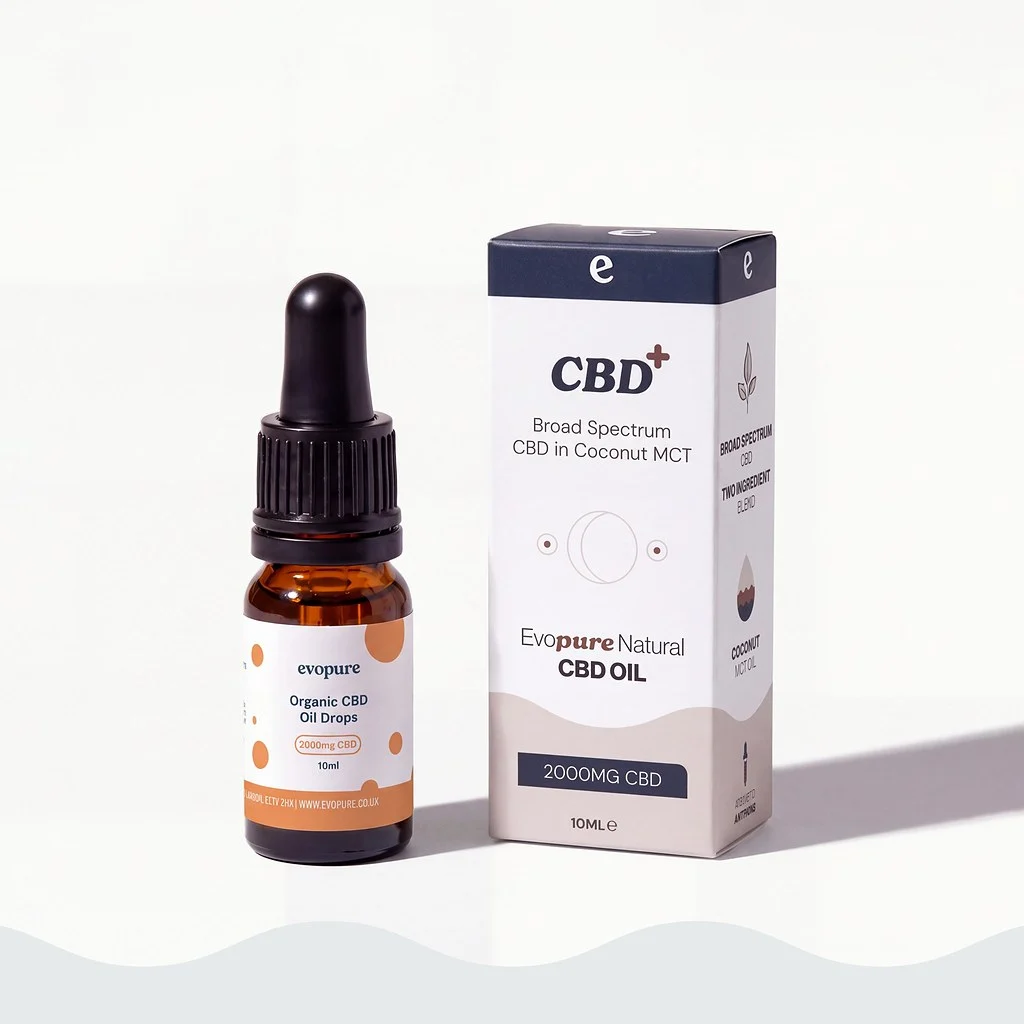
If you’d like to try CBD, Evopure’s Broad Spectrum CBD Oil contains just broad spectrum CBD and MCT oil. It is made in the UK from US-grown hemp, vegan, THC-free and on the FSA public list (Validated, RP-438), with lab reports via our lab testing page.
Add Broad Spectrum CBD Oil 500mg to bag or choose another strength
The FSA advises healthy adults to take no more than 10mg of CBD a day: about 0.2ml of the 500mg (0.1ml of the 1,000mg) gives 10mg. Adults only. Subscribe and save 25% on your first order, then 20%. New to Evopure? Join our emails for 20% off a one-off first order. Free UK delivery over £45. If you take any regular medicines, check with your GP or pharmacist first. We don’t recommend our products during pregnancy or breastfeeding.
Subscribe from £18.74One-off from £24.99
View productThe FSA’s 10mg a day figure is precautionary advice rather than a legal limit, set while longer-term safety research continues. At Evopure we think it is a very cautious figure, and many adults use more. If you go above it, increase slowly, and check with your GP or pharmacist first if you take any medication.
For how much to take and how to measure it, see our CBD dosage guide, and for the difference between oil types, full spectrum vs broad spectrum vs isolate.
Sources 11
- Devane WA et al (1992). Isolation and structure of a brain constituent that binds to the cannabinoid receptor. Science.
- Bisogno T et al (2001). Molecular targets for cannabidiol and its synthetic analogues: effect on vanilloid VR1 receptors and on the cellular uptake and enzymatic hydrolysis of anandamide. British Journal of Pharmacology.
- Elmes MW et al (2015). Fatty acid-binding proteins (FABPs) are intracellular carriers for THC and cannabidiol (CBD). Journal of Biological Chemistry.
- Leweke FM et al (2012). Cannabidiol enhances anandamide signaling and alleviates psychotic symptoms of schizophrenia. Translational Psychiatry.
- Habib AM et al (2019). Microdeletion in a FAAH pseudogene identified in a patient with high anandamide concentrations and pain insensitivity. British Journal of Anaesthesia.
- Sparling PB et al (2003). Exercise activates the endocannabinoid system. NeuroReport.
- Raichlen DA et al (2012). Wired to run: exercise-induced endocannabinoid signaling in humans and cursorial mammals. Journal of Experimental Biology.
- Fuss J et al (2015). A runner’s high depends on cannabinoid receptors in mice. PNAS.
- Siebers M et al (2021). Exercise-induced euphoria and anxiolysis do not depend on endogenous opioids in humans. Psychoneuroendocrinology.
- di Tomaso E et al (1996). Brain cannabinoids in chocolate. Nature.
- FSA. Cannabidiol (CBD) guidance and CBD products linked to novel food applications (public list).
This guide is general information about research, not medical advice. CBD is sold in the UK as a food supplement, not a medicine.