Last updated: November 2026
Separation anxiety in adults is strong, lasting fear or distress about being apart from someone you’re close to, usually a partner, child or parent, often with worry that something bad will happen to them. It isn’t just a childhood problem: doctors can diagnose separation anxiety disorder at any age, and talking therapies such as CBT can help.
Below: the signs, causes, how it differs from missing someone or relationship anxiety, what helps and where to get support.
Can adults have separation anxiety?
Yes. Separation anxiety disorder used to be diagnosed only if it started before age 18, but the DSM-5, the diagnostic manual most widely used in research, removed that age limit after reviews found many adults first develop it in adulthood. It is a recognised anxiety disorder, not a personality flaw or being “clingy”.
It is more common than most people think. A World Health Organization survey of 38,993 adults in 18 countries found that 4.8% had had separation anxiety disorder at some point in their lives, and 43% of those cases started after age 18. In any one year, about 1% of adults had it. A large US survey found that most adults with it had never been treated for it.
Anxiety UK says that in adults the fear usually centres on a partner or a child coming to harm, and that it often comes with other problems such as depression. If worry in general runs through your days, our guide to how to deal with anxiety covers the wider picture.
Signs of separation anxiety in adults
The DSM-5 lists eight features. A diagnosis needs at least three, lasting at least six months in adults, that cause real distress or get in the way of daily life:
- Strong distress when you’re apart from the person, or when you know a separation is coming.
- Persistent worry that they’ll be hurt, fall ill or die.
- Worry that something will happen to you, such as an accident, that would keep you apart.
- Not wanting to leave home or go to work because of the fear of separation.
- Fear of being alone, even in another room.
- Not wanting to sleep without the person nearby, or away from home.
- Repeated nightmares about being separated.
- Physical symptoms when apart or before a separation, such as headaches, stomach aches, feeling sick, palpitations or dizziness.
In everyday life it can look like texting or calling many times a day and not settling until they reply, cancelling trips or nights out, ringing in sick to stay close, or lying awake when a partner works away. Some people don’t see it as excessive until a partner or grown-up child objects to the checking. The physical side overlaps with general anxiety symptoms, and dread that builds days before a goodbye is a form of anticipatory anxiety.
What causes separation anxiety in adults?
There’s no single cause. In the World Health Organization survey, the clearest links were being female, difficult experiences in childhood and traumatic events at any age. Separation anxiety also tends to run in families, though what’s passed on seems to be a general tendency to anxiety rather than this disorder alone.
Common triggers in adulthood include:
- Loss or illness: a bereavement, or a partner, child or parent becoming seriously ill. Our guide to coping with grief may help if a loss started it.
- Big life changes: moving home, a new relationship, becoming a parent, or children leaving home.
- Separation anxiety as a child: in one US survey about a third of childhood cases carried on into adulthood.
- Other anxiety or low mood: it often sits alongside panic, health anxiety, social anxiety or depression.
Separation anxiety, missing someone or relationship anxiety?
Missing someone is normal: you feel the gap but carry on with your day. Separation anxiety is fear that takes over, with worry about harm and changes to how you live. Relationship anxiety is different again: the worry is about the relationship itself, such as whether your partner still loves you or will leave.
| How they differ | Missing someone | Relationship anxiety | Separation anxiety |
|---|---|---|---|
| Main worry | You wish they were here | Do they love me, will they leave? | Something bad will happen while we’re apart |
| Who it’s about | Anyone you’re close to | A partner | A partner, child or parent |
| Daily life | Carries on as normal | Reassurance seeking, overthinking | Avoiding time apart, constant checking |
| A diagnosis? | No | No, an everyday term | Yes, if it lasts 6 months or more |
The two anxieties can overlap, and both feed on overthinking and reassurance seeking. If you put others’ needs first to avoid any risk of losing them, our guide to people pleasing may also ring true.
What helps separation anxiety in adults?
Talking therapy is the main treatment, especially cognitive behavioural therapy (CBT), which helps you notice the “something terrible will happen” thoughts, test them, and practise time apart in small steps. In England, if you’re 18 or over you can refer yourself to NHS Talking Therapies without seeing a GP. A GP can also talk through medicines, such as an SSRI antidepressant, if therapy alone isn’t enough.
Things you can try yourself
- Practise short separations and lengthen them gradually. The NHS advises not avoiding situations that make you anxious, because avoidance keeps the fear going.
- Agree check-in times instead of messaging whenever the worry spikes, and notice that the feared outcome rarely happens.
- Keep your own routine: friends, hobbies and plans that don’t depend on the other person. If time alone feels empty, see our guide to loneliness.
- Calm the body: slow breathing such as 4-7-8 breathing, regular exercise, enough sleep, and less caffeine and alcohol.
- Write the worry down: these journal prompts for anxiety can help you spot the pattern.
If panic hits when someone leaves, our guide to stopping a panic attack has steps for the moment. If it’s worst at bedtime when you’re alone, see anxiety at night.
If your partner or relative has separation anxiety
iBe warm and predictable: say when you’ll be back and keep to it. Try not to cancel plans or answer every message instantly, as that can keep the cycle going. Encourage them to speak to a GP or NHS Talking Therapies, and look after your own wellbeing too.
When to get help
iSee a GP if fear of being apart is affecting your work, relationships or sleep, if it has gone on for months, or if self-help isn’t working.
Where to get help
- Your GP: for advice, a referral or treatment.
- NHS Talking Therapies (England): if you’re 18 or over, you can refer yourself without seeing a GP.
- Anxiety UK: call 03444 775 774 for information and support.
- NHS 111: if you need help urgently but it isn’t an emergency, call 111 and choose the mental health option.
- Samaritans: call 116 123, free, day or night.
- Shout: text SHOUT to 85258, free and 24/7.
- 999 or A&E: in an emergency, or if someone’s life is at risk.
Supplements and your routine
No supplement treats separation anxiety, and none replaces therapy, sleep and time with people you trust. Some adults like a calm daily routine alongside proper support. For the evidence on individual ingredients, see our ranked guide to natural supplements for anxiety.
Our pick
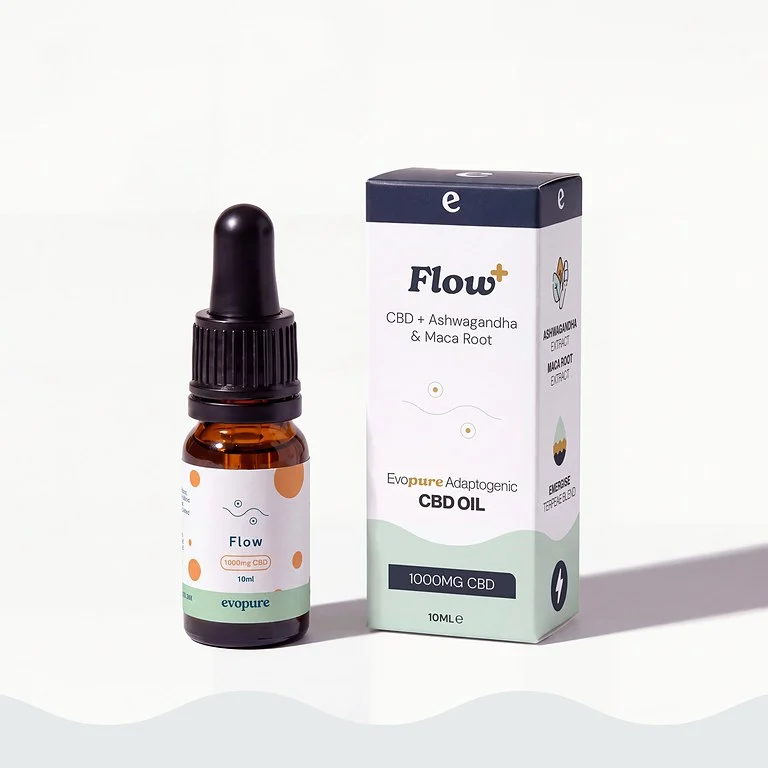
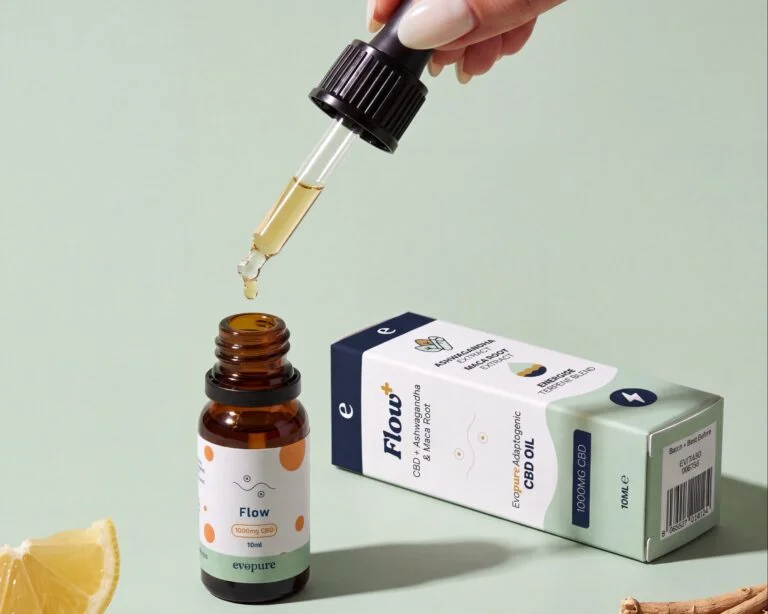
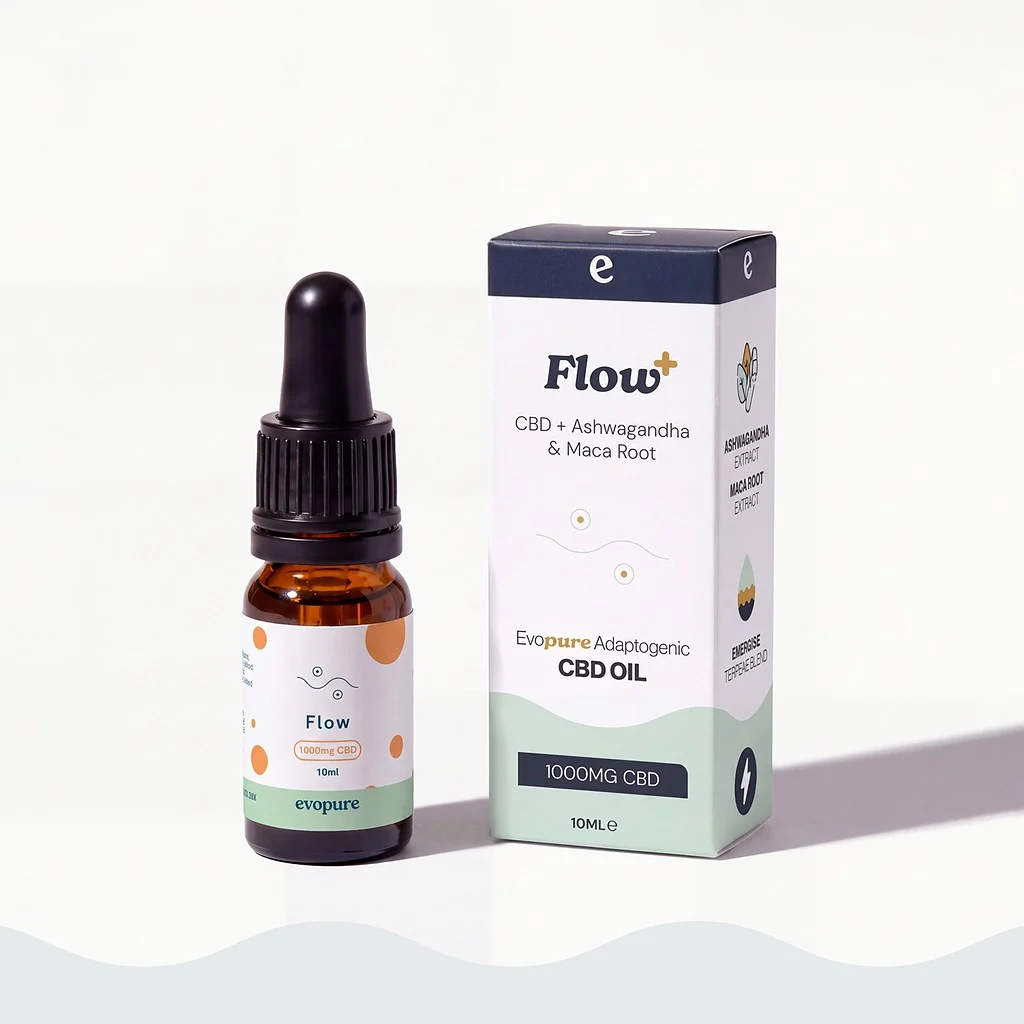
Flow CBD Oil With Ashwagandha & Maca
Flow CBD Oil is broad spectrum CBD with 35mg ashwagandha root extract and 35mg maca root extract per half pipette (0.35ml), in coconut MCT oil. A half pipette of the 500mg bottle gives 17.5mg of CBD. Because it contains ashwagandha, it isn’t for anyone with a thyroid, liver or autoimmune condition, and don’t take it alongside another ashwagandha product.
Add Flow CBD Oil 500mg to bag or choose another strength
Vegan, 0% THC and made in the UK from US-grown hemp, for adults only. On the FSA public list (validated), with batch reports on our lab testing page. Free UK delivery over £45, 14-day returns on unopened items.
Subscribe from £22.49One-off from £29.99
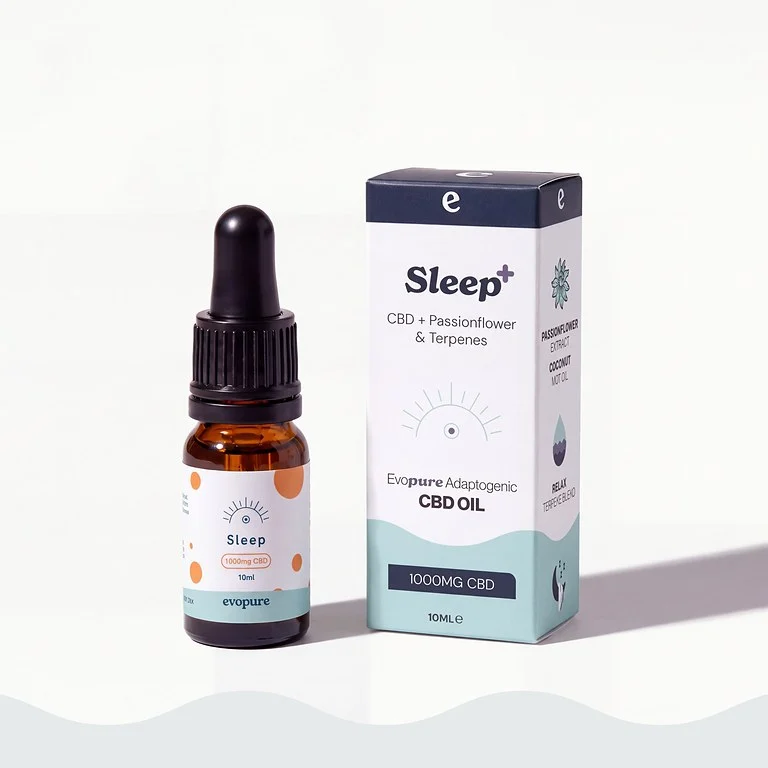
View productFor evenings, the Magnesium Glycinate Sleep Complex is a berry drink with 290mg of magnesium (77% NRV) per 4.75g serving, plus glycine and L-theanine. Magnesium contributes to normal psychological function. Sleep CBD Oil is broad spectrum CBD with 70mg passionflower extract per half pipette, for a wind-down routine.
The FSA’s 10mg a day figure is precautionary advice rather than a legal limit, set while longer-term safety research continues. At Evopure we think it is a very cautious figure, and many adults use more. If you go above it, increase slowly, and check with your GP or pharmacist first if you take any medication.
iAbout 0.2ml on the 500mg (0.1ml on the 1,000mg) gives 10mg. If you take any regular medicines, including antidepressants, check with your GP or pharmacist first. We don’t recommend our products during pregnancy or breastfeeding. For adults (18+) only.
Sources 10
- Silove D et al (2015). Pediatric-onset and adult-onset separation anxiety disorder across countries in the World Mental Health Survey. American Journal of Psychiatry. PMID 26046337.
- Shear K et al (2006). Prevalence and correlates of estimated DSM-IV child and adult separation anxiety disorder in the National Comorbidity Survey Replication. American Journal of Psychiatry. PMID 16741209.
- Bögels SM et al (2013). Adult separation anxiety disorder in DSM-5. Clinical Psychology Review. PMID 23673209.
- Manicavasagar V et al (2003). A self-report questionnaire for measuring separation anxiety in adulthood. Comprehensive Psychiatry. PMID 12658624.
- Anxiety UK. Separation anxiety (adult).
- Cleveland Clinic. Separation anxiety disorder.
- NHS. Generalised anxiety disorder in adults.
- NHS. Find an NHS Talking Therapies service and where to get urgent help for mental health.
- Samaritans. Contact Samaritans. Shout. Get help.
- Food Standards Agency, GOV.UK. Cannabidiol (CBD) guidance.
This guide is general information, not medical advice. Evopure products mentioned: Flow CBD Oil, Magnesium Glycinate Sleep Complex and Sleep CBD Oil. They are food supplements, not treatments for any condition.