






Last updated: October 2026
The best magnesium glycinate powder tells you how much actual magnesium is in each scoop, uses fully reacted magnesium bisglycinate rather than a blend bulked out with magnesium oxide, and tastes good enough to take every day. In the UK, the NHS says 400mg or less of magnesium a day from supplements is unlikely to cause any harm.
Below: a quick checklist, the label maths per scoop, pure vs buffered powders, UK powders side by side, how much to take and how to make it taste good.
What makes a good magnesium glycinate powder?
If you want the basics first, start with what magnesium glycinate is: magnesium bound to the amino acid glycine. For a powder, five things matter most:
- Magnesium per scoop is stated. Look for “magnesium” in mg on the nutrition panel, not just the weight of the compound.
- Bisglycinate is named in the ingredients, with no magnesium oxide or carbonate hiding further down the list.
- The dose fits your day. Count it alongside food and any other supplements, and keep supplements to 400mg or less.
- A flavour you will actually drink. Unflavoured, fruit-flavoured, stevia or monk fruit: the best powder is the one you take.
- Third-party testing, so the label figures are checked by an outside lab.
Also check what a “glycinate” product really is. Some are mixes of several forms, like a 3-in-1 or a magnesium complex. Others are not glycinate at all: the UK drink mixes covered in our Natural Vitality Calm guide use magnesium carbonate and citric acid. The ingredients list tells you which you are buying. Our 12 types of magnesium guide explains each form.
How much magnesium is in a scoop? The label maths
Magnesium bisglycinate is a compound, and only part of its weight is magnesium. Using the molecular weight listed by PubChem (about 172g per mole, with magnesium at 24.3), bisglycinate is about 14% magnesium. So roughly 700mg of the compound gives about 100mg of magnesium.
That gives you a 10-second test. Divide the magnesium mg by the compound mg on the label. If the answer is well above 14%, another form is in the mix, usually magnesium oxide, which carries far more magnesium per gram.
| You see on the label | What it means | Magnesium you get |
|---|---|---|
| 700mg magnesium bisglycinate | Compound weight | About 100mg |
| “Magnesium (as bisglycinate) 200mg” | Magnesium itself | 200mg |
| Bisglycinate plus magnesium oxide | Buffered | More mg per scoop, partly from oxide |
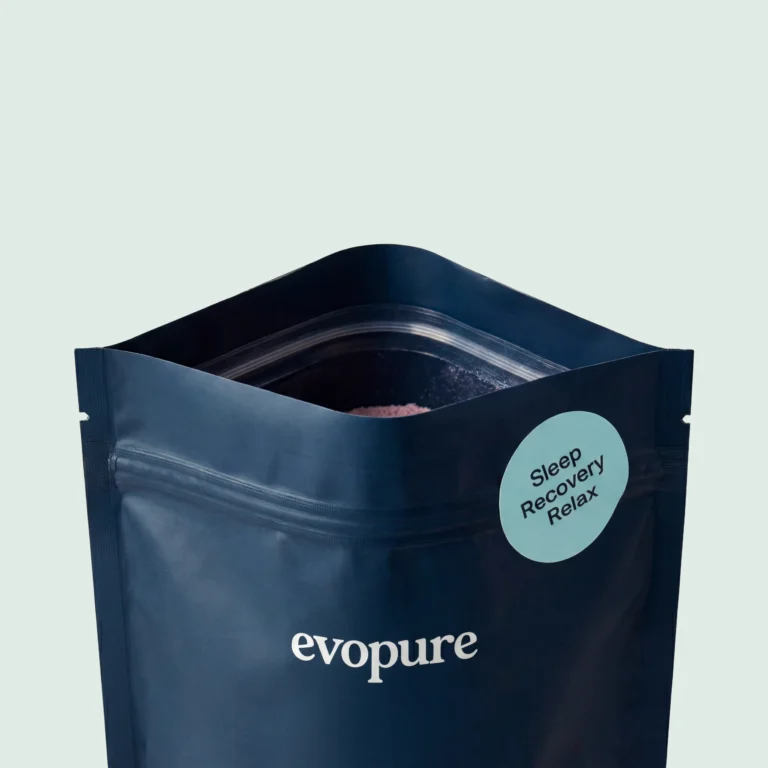
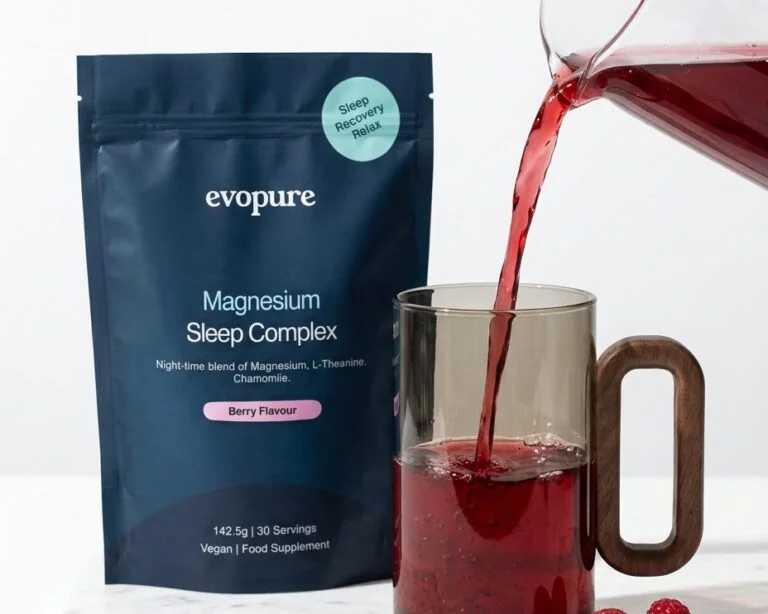
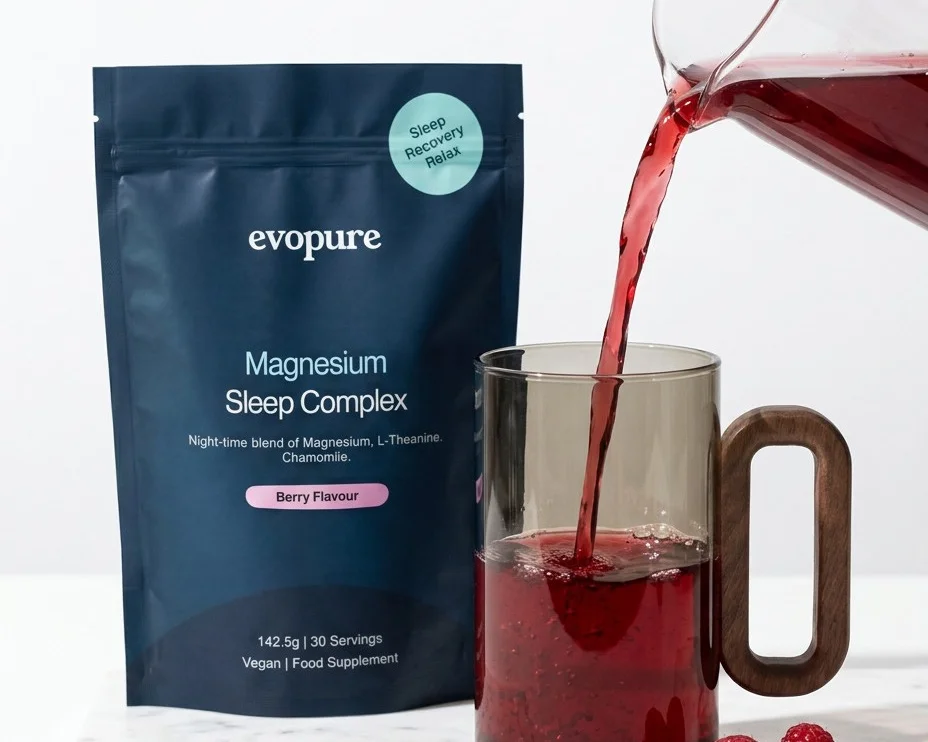
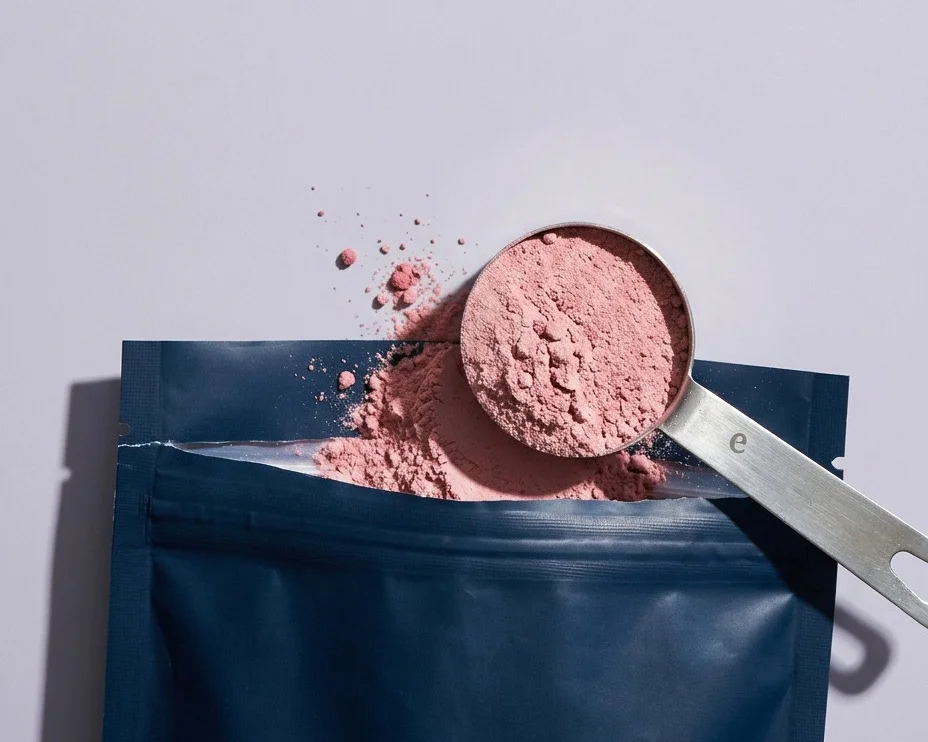
A scoop is not all magnesium either. Blends share the scoop with flavour, sweetener and other ingredients. Our magnesium glycinate powder is a good example: one 5g scoop gives 148mg of magnesium, and the rest is glycine, L-theanine, herbal extracts, berry flavour and stevia.
Pure vs buffered magnesium glycinate powder
“Fully reacted” or pure bisglycinate means all the magnesium is bound to glycine. “Buffered” means bisglycinate mixed with a cheaper, denser form such as oxide, which lets a brand print a bigger magnesium number on a smaller serving.
Buffered products are not hidden if you read the label. For example, Holland and Barrett’s 375mg bisglycinate capsule lists magnesium oxide too and gives 85mg of magnesium per capsule (see our Holland and Barrett’s bisglycinate notes). The same check works for any powder.
Why it matters: oxide is the form more likely to loosen stools at higher doses (more in magnesium side effects). Research here is small. In a 1994 trial of 12 people who had part of their small intestine removed, overall absorption from magnesium diglycinate and oxide was similar (23.5% vs 22.8%), and the glycinate was better tolerated by everyone in the trial.
UK magnesium glycinate powders compared
Facts from each brand’s own product page, checked October 2026. This is not a ranking, and we have left prices out because they change.
| Powder | Magnesium a day | Serving | Forms and notes |
|---|---|---|---|
| Vitality Nutritionals Magnesium Glycinate Powder (VitaminExpress) | 400mg | 2 scoops of 2.5g | Bisglycinate only, unflavoured, made in Germany |
| Thorne Magnesium Bisglycinate | 200mg | 1 scoop | Bisglycinate with citric acid and monk fruit; US brand sold by some UK retailers |
| BetterYou Magnesium Max 3-in-1 Original | 375mg | Half a teaspoon in water | Glycinate, citrate and malate, unflavoured |
| BioCare Sleep NutriPowder | 100mg | 1 level teaspoon (about 2.2g) | Bisglycinate plus glycine, lemon balm, cherry, L-theanine, hops and taurine |
| Evopure Magnesium Glycinate Sleep Complex | 148mg | 1 scoop (5g) | Bisglycinate and citrate plus glycine, L-theanine, herbs, berry flavour and stevia |
To be plain about ours: it is the lower-dose evening blend in this list. If you want the most magnesium per scoop, a pure bisglycinate powder delivers more. Ours suits people who already eat magnesium-rich food and want a warm or cold drink as part of their evening. More on two of the brands above in our BetterYou Magnesium Max and BioCare magnesium guides.
- Magnesium Glycinate Sleep Complex: a berry-flavoured drink powder with magnesium bisglycinate and citrate (148mg of magnesium per 5g scoop), glycine, L-theanine, chamomile, passionflower, hops and oat straw. Magnesium contributes to a reduction of tiredness and fatigue. Vegan, made in the UK, around 30 servings.
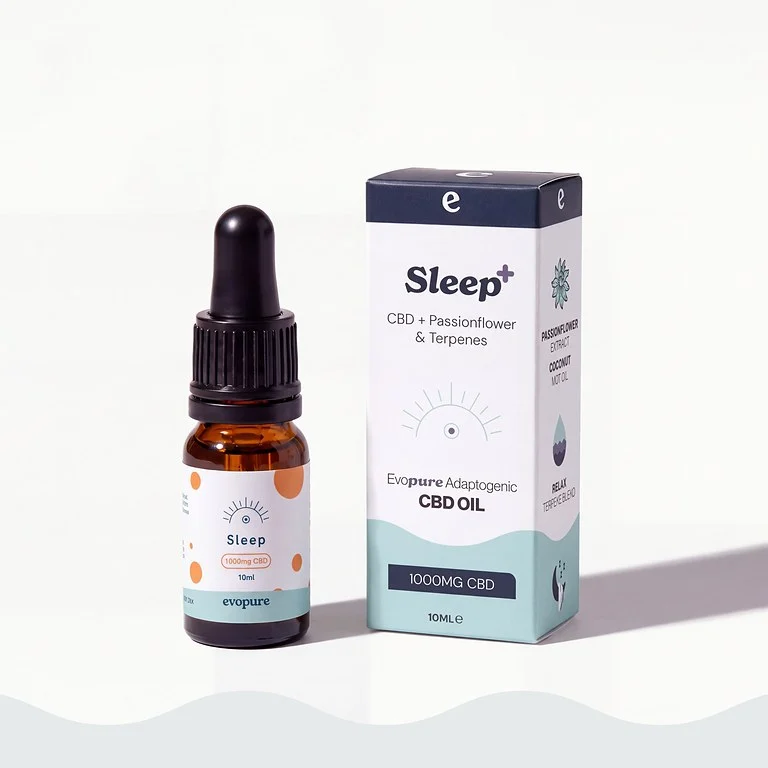
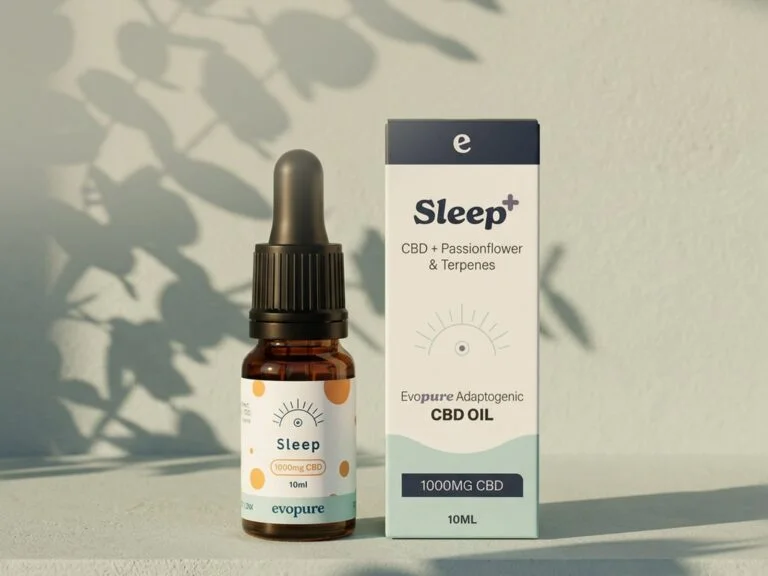
- Sleep CBD Oil: broad spectrum CBD with passion flower and a myrcene-led terpene blend, for adults who want to add CBD drops to their evening.
- Reishi Mushroom Adaptogenic Complex: a reishi hot chocolate powder with reishi mushroom extract, organic cacao, maca and coconut milk. It contains a little natural caffeine from the cacao.
The FSA’s 10mg a day figure is precautionary advice rather than a legal limit, set while longer-term safety research continues. At Evopure we think it is a very cautious figure, and many adults use more. If you go above it, increase slowly, and check with your GP or pharmacist first if you take any medication.
How much magnesium glycinate powder should you take?
Go by the magnesium figure, not the scoop size. The NHS says adults aged 19 to 64 need 300mg of magnesium a day (men) or 270mg (women), and that most people can get this from a varied diet. It also says 400mg or less a day from supplements is unlikely to cause any harm, while more than 400mg for a short time can cause diarrhoea.
Count every source: food, a multivitamin and any other magnesium product. Our guide to how much magnesium per day has the full breakdown.
- Start low. A third of a scoop for the first few days, building up over a week or two, is kinder to your gut.
- Medication or kidney problems: check with a GP or pharmacist before taking magnesium.
- Pregnancy: We don’t recommend our products during pregnancy or breastfeeding. See magnesium in pregnancy and speak to your midwife or GP.
- Children: our products are for adults (18+) only. For children, see magnesium for kids and ask a GP.
How to take magnesium glycinate powder (and make it taste good)
Stir one serving into a glass of water, juice or a smoothie. Flavoured blends also work hot: ours can be made like a berry tea in hot water, or poured over ice with sparkling water. Stir well, as a little powder can settle at the bottom.
- Unflavoured powders are mild. VitaminExpress describes the taste of its pure bisglycinate as often neutral, so it disappears into juice or a smoothie.
- Flavoured powders add fruit flavour and a sweetener, such as stevia in ours or monk fruit in Thorne’s.
- Too strong? Use more water, add a squeeze of lemon or mix it into something you already drink.
Timing is up to you. Many people take magnesium in the evening as part of a wind-down routine, and the morning is fine too. Taking it at the same time each day makes it easier to remember. See the best time to take magnesium and how long magnesium takes to work.
Is powder better than capsules?
For the same form of magnesium, powder and capsules are similar. Powder lets you adjust the dose and avoids pills, while capsules are easier to carry. What matters more is the product itself: a 2019 lab study of 15 magnesium supplements found very wide differences in how well they dissolved. We cover the detail in magnesium glycinate powder vs capsules, and other forms in glycinate vs citrate.
Magnesium glycinate powder in an evening routine
A warm drink after dinner is an easy habit to keep. Magnesium contributes to normal functioning of the nervous system and to normal psychological function, and to a reduction of tiredness and fatigue.
If sleep is your main reason for looking, our guide to the best magnesium for sleep compares the forms, and does magnesium make you sleepy answers the question most people ask first. For every form and goal, see the best magnesium supplement in the UK.
FAQs
Is magnesium glycinate powder better than capsules?
For the same form, absorption is similar. Powder gives you a flexible dose with nothing to swallow, while capsules are more convenient on the go.
How much magnesium glycinate powder should I take a day?
Check the magnesium mg on the label, not the scoop weight. The NHS says adults need 300mg (men) or 270mg (women) a day in total, and 400mg or less from supplements is unlikely to cause harm. Start with a smaller amount and build up.
What does magnesium glycinate powder taste like, and what can I mix it with?
Unflavoured powder is usually mild or neutral. Mix it with water, juice, a smoothie or a warm drink. Flavoured powders are sweetened, often with stevia or monk fruit.
What is the difference between magnesium glycinate and bisglycinate powder?
On UK labels they usually mean the same thing: magnesium bound to two glycine molecules. Check the ingredients to make sure it isn’t buffered with magnesium oxide.
Can I take magnesium glycinate powder every day?
Yes, within NHS amounts. Too much can cause diarrhoea. Speak to a GP or pharmacist first if you have kidney problems or take medication.
Is magnesium glycinate powder vegan?
Usually, as bisglycinate is made from magnesium and glycine, but check the full ingredients list. Ours is vegan.
Sources
- NHS. Vitamins and minerals: others (magnesium).
- GOV.UK. Great Britain nutrition and health claims (NHC) register.
- PubChem. Magnesium glycinate (compound summary).
- Schuette SA, Lashner BA, Janghorbani M. Bioavailability of magnesium diglycinate vs magnesium oxide in patients with ileal resection. JPEN 1994.
- Blancquaert L, Vervaet C, Derave W. Predicting and testing bioavailability of magnesium supplements. Nutrients 2019.
This guide is general information, not medical advice. Product details for other brands come from their own product pages, checked October 2026. Evopure makes the Magnesium Glycinate Sleep Complex, Sleep CBD Oil and Reishi Mushroom Adaptogenic Complex.