








Last updated: October 2026
Stress can nudge cholesterol up, but mostly indirectly: it makes comfort eating, drinking, smoking, poor sleep and sitting still more likely. Its direct, short-term effect on blood fats is small. The big drivers of high cholesterol are diet, activity, weight, smoking, alcohol and genes. The only way to know your level is a blood test.
Below: how stress might affect cholesterol, what the studies actually show, what really raises cholesterol, how to bring it down and how to get tested in the UK.
The short version: stress is a small, indirect player. If your cholesterol is high, look first at food, movement, weight, smoking, alcohol and family history, and ask your GP about your overall heart risk. Easing stress still matters, because it makes every other change easier.
How stress might affect cholesterol
The direct route: stress hormones
When you feel under pressure, your brain tells your body to release hormones such as adrenaline and cortisol. The British Heart Foundation (BHF) explains that these temporarily raise your blood sugar, blood pressure, heart rate and cholesterol. This is the fight or flight response, and it is meant to pass.
Part of that short-term rise isn’t extra cholesterol at all. In a small US lab study, a stressful 20-minute mental task raised total cholesterol by about 0.10mmol/L. Stress also briefly reduced the watery part of the blood, so everything in it looked more concentrated. Once the researchers corrected for that, the change disappeared. Simply standing up raised cholesterol more than the stress task did.
The indirect route: what we do when stressed
This is the bigger effect. The NHS lists eating, drinking or smoking more and poor sleep among the signs of stress (see stress symptoms). The BHF says stress makes us more likely to drink too much, overeat salty, sugary and fatty food, smoke and move less, and that these habits can lead to high cholesterol, high blood pressure and type 2 diabetes.
Poor sleep is part of the same picture. See sleep deprivation.
What the research shows
You can’t ethically keep people stressed for years in a trial, so the evidence comes from short lab experiments and studies that observe people. These can show a link but can’t prove cause and effect.
- UK lab study, 199 adults: researchers at University College London gave middle-aged men and women mildly stressful tasks. Total, LDL and HDL cholesterol all rose afterwards. Three years later, the people whose blood fats had reacted most were more likely to have clinically raised cholesterol, even after allowing for age, weight change, smoking, alcohol and their starting levels.
- Spanish workplace study, 91,593 workers: people reporting job stress had about 14% higher odds of high LDL cholesterol and about 10% higher odds of a current high cholesterol diagnosis. A modest link, from a single snapshot in time.
- Airline pilots: in a US study of 100 pilots, most blood fat measures were higher during a period of heavy work stress than during a quieter period.
- Heart disease, 197,473 people: a large European analysis found job strain was linked to about a 23% higher risk of coronary heart disease. The authors noted that tackling workplace stress would have a much smaller effect than tackling standard risk factors such as smoking.
Our reading: stress is linked to slightly worse cholesterol, the effect is small next to diet, weight, smoking and genes, and much of it probably works through habits. If your result is high, stress is unlikely to be the whole story.
What really causes high cholesterol
The NHS lists eating fatty food, not exercising enough, being overweight, smoking and drinking alcohol as the main causes. You’re also more likely to have high cholesterol if you’re over 50, a man, have been through the menopause, or are of South Asian or sub-Saharan African origin. It can also run in families.
One inherited condition, familial hypercholesterolaemia (FH), can cause extremely high cholesterol. HEART UK says your doctor can test for it, and treatment works best started early.
| Factor | Effect on cholesterol | What helps (NHS, HEART UK) |
|---|---|---|
| Diet high in saturated fat | A major driver of raised cholesterol | Swap butter, fatty meat, cakes and biscuits for oily fish, olive or rapeseed oil, wholegrains, nuts, fruit and vegetables |
| Not enough activity | Raises the risk, and raises triglycerides | At least 150 minutes of moderate exercise a week |
| Excess weight, especially round the middle | Raises cholesterol and triglycerides | Gradual weight loss through food and activity |
| Smoking | Can raise cholesterol | NHS stop smoking services or your GP |
| Alcohol | Raises the risk, and triglycerides | No more than 14 units a week, spread over 3 or more days, with drink-free days |
| Genes (including FH) | Can cause very high levels | Testing through your GP and, often, medicine |
| Stress | Small and mostly indirect | Managing stress makes the changes above easier to stick to |
For women, a midlife rise may be down to the menopause rather than stress.
Stress, cholesterol and blood pressure
The BHF says stress alone will not cause heart and circulatory disease, but long-term stress can affect heart health and raise blood pressure, and it is linked to habits that raise risk. High cholesterol and high blood pressure are both risk factors for heart problems and stroke.
So your GP looks at cholesterol alongside your age, blood pressure, smoking and other factors to give a QRISK score: your estimated chance of a heart or circulation problem in the next 10 years.
How to lower your cholesterol
- Cut saturated fat. Eat less fatty meat, sausages, pies, butter, lard, ghee, cream, cheese, cakes, biscuits and anything with coconut or palm oil.
- Add foods that work for you. HEART UK suggests 3g of oat or barley beta-glucan a day, a handful of nuts at least four times a week, and soya foods. See high fibre foods.
- Move more: at least 150 minutes of moderate activity a week, such as brisk walking.
- Stop smoking and keep alcohol within 14 units a week.
- Ask about medicine if needed. Statins reduce the amount of cholesterol your body makes, and you usually take them for life. Whether you need one is a decision for you and your GP, based on your overall risk.
You will see claims about garlic, flaxseed, green tea and apple cider vinegar. Trials show small effects at best, and none replaces the steps above or prescribed medicine. We look at the numbers in garlic and cholesterol, flaxseed and the heart, green tea research and apple cider vinegar and cholesterol.
Managing stress still matters
Even if stress is a small direct factor, it is often the reason the healthy habits slip. A few things that help:
- Find the source. If it’s work, see stress at work and, if you’re struggling to cope, being signed off with stress.
- Protect your sleep and watch the evening drink. See alcohol and sleep.
- Be wary of quick fixes for cortisol. We cover what is real in how to lower cortisol naturally, high cortisol symptoms in women and cortisol belly.
- Watch for burnout. Constant exhaustion and dread are signs to act. See burnout symptoms.
See a GP if you’re struggling to cope. In England, adults can also refer themselves to NHS talking therapies without seeing a GP first.
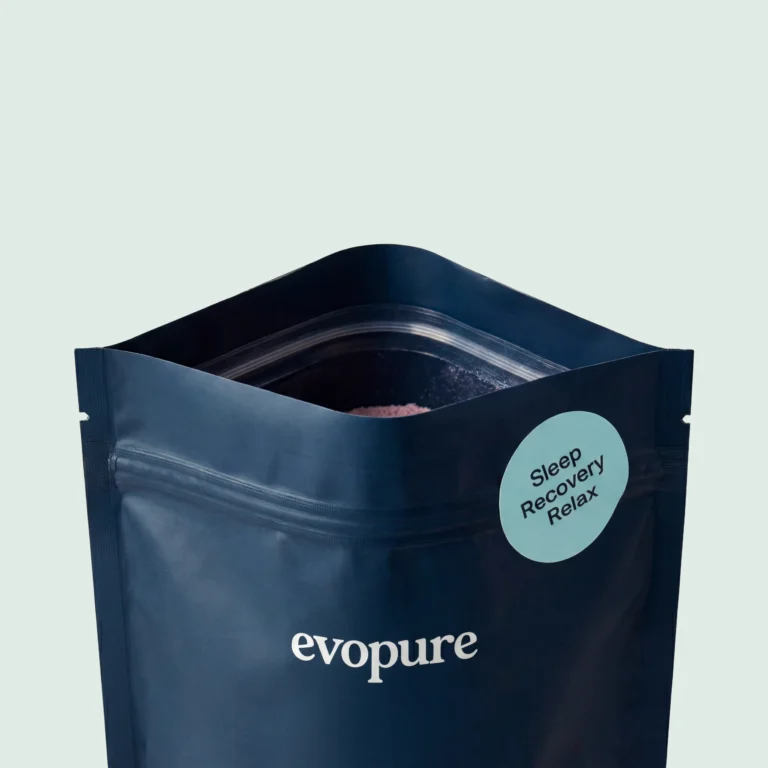
If a calmer evening routine is part of your plan, our Magnesium Glycinate Sleep Complex is a caffeine-free berry drink with magnesium bisglycinate and citrate and L-theanine. Magnesium contributes to normal psychological function and to a reduction of tiredness and fatigue. It won’t lower cholesterol, and it isn’t a treatment for stress. It’s for adults only, and we don’t recommend our products during pregnancy or breastfeeding. If you take a statin or any other medicine, check with your GP or pharmacist first.
Getting a cholesterol test in the UK
High cholesterol usually has no symptoms, so a blood test is the only way to know. The NHS suggests asking your GP for one if you’ve never had a test and you’re over 40, overweight, or have high cholesterol or heart problems in the family. If you’re 40 to 74 and don’t already have certain long-term conditions, you should be invited to a free NHS Health Check every 5 years, which includes a cholesterol test.
It’s a blood sample from your arm or a finger-prick, and most people don’t need to fast. Don’t put it off because you’re stressed: the short-term effect on the result is small.
| Result | General healthy level for adults |
|---|---|
| Total cholesterol | 5mmol/L or below |
| Non-HDL (bad) cholesterol | 4mmol/L or below |
| LDL (bad) cholesterol | 3mmol/L or below |
| HDL (good) cholesterol | 1.0mmol/L or above for men, 1.2mmol/L or above for women |
| Triglycerides | 1.7mmol/L or below fasting, 2.3mmol/L or below non-fasting |
These are general guides from the NHS and BHF. Your own target depends on things like your age and health, so ask your GP what your numbers mean for you.
FAQs
Can stress cause high cholesterol?
Stress can push cholesterol up a little, mostly through habits like comfort eating, drinking, smoking, poor sleep and moving less. Its direct effect is small. Diet, activity, weight, smoking, alcohol and genes matter far more.
How much can stress raise cholesterol?
Not much directly. In one lab study a stressful task raised total cholesterol by about 0.10mmol/L, largely because the blood became briefly more concentrated. Long-term habit changes during stressful periods can have a bigger effect.
Can stress raise LDL cholesterol and triglycerides?
Studies link stress with slightly higher LDL cholesterol, and blood fats including LDL rise briefly during stressful tasks. Triglycerides are driven mainly by alcohol, sugary foods, excess weight, inactivity and conditions such as type 2 diabetes.
Can stress cause high cholesterol and high blood pressure?
Stress hormones raise blood pressure and heart rate for a while. The BHF says long-term stress can raise blood pressure and is linked to habits that raise cholesterol, so the two often go together.
Should I delay a cholesterol test if I’m stressed?
No. The short-term effect of stress on the result is small, and a test is the only way to know your level. Mention any major stress to your GP when you discuss the result.
Sources
- NHS. High cholesterol, How to lower your cholesterol, Cholesterol levels and Getting tested.
- NHS. NHS Health Check and Stress.
- British Heart Foundation. Effects of stress on the body, Stress and your heart health and Understanding your cholesterol levels.
- HEART UK. What is FH?, Triglycerides and Cholesterol-lowering foods.
- Steptoe A, Brydon L. Associations between acute lipid stress responses and fasting lipid levels 3 years later. Health Psychol. 2005.
- Catalina-Romero C, et al. The relationship between job stress and dyslipidemia. Scand J Public Health. 2013.
- Muldoon MF, et al. Acute cholesterol responses to mental stress and change in posture. Arch Intern Med. 1992.
- Stoney CM, et al. Lipid reactivity to stress: I. Comparison of chronic and acute stress responses in middle-aged airline pilots. Health Psychol. 1999.
- Kivimäki M, et al. Job strain as a risk factor for coronary heart disease: a collaborative meta-analysis of individual participant data. Lancet. 2012.
This guide is general information, not medical advice. If you’re worried about your cholesterol, heart health or stress, speak to your GP. Evopure makes the Magnesium Glycinate Sleep Complex.