

Last updated: October 2026
Ginseng is a root used in East Asian medicine for thousands of years, traditionally for tiredness and weakness. True ginseng means Korean (Asian) or American ginseng; Siberian ginseng is a different plant. Research suggests small possible benefits for fatigue, blood sugar and colds, but the evidence is mixed. It can cause insomnia and interacts with some medicines.
Below: the types of ginseng, what the research honestly shows, typical study doses, side effects, who should avoid it, how it compares with ashwagandha and rhodiola, and where it stands legally in the UK.
Quick facts: Korean and American ginseng contain ginsenosides; Siberian ginseng (eleuthero) doesn’t. A 2023 review of 19 trials found no clear overall effect on fatigue. Insomnia is the most common side effect. Check with a pharmacist first if you take warfarin, diabetes medicines or antidepressants.
Types of ginseng
“Ginseng” is used for several different roots. Only plants in the Panax family are true ginseng, and their main active compounds are called ginsenosides.
| Name | Plant | Key compounds | Mainly studied for |
|---|---|---|---|
| Korean or Asian ginseng (also Chinese, red or white ginseng) | Panax ginseng | Ginsenosides | Fatigue, mental performance, blood sugar, erectile function |
| American ginseng | Panax quinquefolius | Ginsenosides, in a different mix | Colds, blood sugar |
| Siberian ginseng or eleuthero | Eleutherococcus senticosus | Eleutherosides, no ginsenosides | Fatigue and stress |
Red vs white ginseng
Both come from Panax ginseng. White ginseng is the dried root. Red ginseng is steamed and then dried, which changes some of its ginsenosides.
Siberian ginseng isn’t true ginseng
Eleuthero is a distant relative from the same wider plant family. It was marketed as “Siberian ginseng” but contains different compounds, so research on Panax ginseng doesn’t apply to it, and vice versa.
Ginseng benefits: evidence by claim
Ginseng has been studied a lot, but most trials are small (under 200 people) and last less than 3 months. A 2023 umbrella review of 19 meta-analyses rated all 19 as low or critically low quality. Here’s an honest summary.
| Claim | What the research shows | Evidence |
|---|---|---|
| Energy and fatigue | A 2023 meta-analysis of 19 trials found no significant overall reduction in fatigue. Small effects showed up for general tiredness and for multi-herb ginseng formulas. | Weak, mixed |
| Memory and mental performance | A 2010 Cochrane review found no convincing evidence of a cognitive boost in healthy people. A 2024 meta-analysis of 15 trials (671 people) found a small effect on memory, but none on attention or overall thinking. | Weak |
| Colds (American ginseng) | A review of 5 trials (747 adults) found too little evidence that it prevents colds, though taking it for 8 to 16 weeks shortened colds in 2 trials. | Limited |
| Blood sugar | A 2014 meta-analysis of 16 trials found fasting blood glucose fell by an average of 0.31mmol/L, with no clear change in HbA1c (long-term blood sugar). | Modest, short trials |
| Erectile function | A 2021 Cochrane review of 9 trials (587 men) found only trivial effects on standard erectile function scores compared with placebo, mostly low certainty. | Weak |
| Exercise performance | Most research shows no improvement. | Not supported |
| Stress, anxiety, ageing | Not enough reliable research to say. | Unknown |
Ginseng for energy and fatigue
This is why most people buy ginseng, and it’s where the evidence disappoints most. Pooled across 19 trials, ginseng didn’t clearly reduce fatigue; where effects appeared, they were small. If you’re tired all the time, rule out the common causes first with our guide to why you might always be tired, and see chronic fatigue syndrome if exhaustion has lasted months. Our adaptogens for energy guide ranks the herbal options by evidence.
Ginseng for focus and memory
Small studies hint at better attention and reaction time in middle-aged adults, but not young adults. For another brain-focused option, see our honest guide to lion’s mane.
American ginseng for colds
In the largest trial, 323 Canadian adults took American ginseng extract or a placebo for 4 months. The ginseng group had slightly fewer colds on average (0.68 vs 0.93 per person). Reviewers still call the overall evidence insufficient. For everyday basics, see how to support your immune system.
Ginseng and blood sugar
The fall in fasting glucose was small, and most trials lasted under 12 weeks. Ginseng isn’t a treatment for diabetes, and combined with diabetes medicines it could push blood sugar too low (see below).
Ginseng and erectile dysfunction
The Cochrane reviewers found no trials comparing ginseng with standard medicines, and the effects on validated scores were trivial. Ginseng isn’t a treatment for erectile dysfunction. The NHS says erection problems that keep happening can be a sign of a treatable condition such as high blood pressure, high cholesterol or diabetes, so see a GP or sexual health clinic.
What about Siberian ginseng?
Eleuthero has even less good evidence. In a German trial of 144 stressed, exhausted adults, adding 120mg a day for 8 weeks to stress management training made little or no difference. A 2025 review concluded robust clinical evidence is lacking.
How to take ginseng and typical doses
Ginseng comes as capsules, tablets, powders, liquid extracts and tea. These are the daily amounts in the European herbal monographs and trials, not a personal recommendation. Always follow the label.
| Form | Daily amount | Source |
|---|---|---|
| Powdered white ginseng root | 600 to 2,000mg | European monograph |
| Standardised extract (4% ginsenosides) | 40 to 200mg | European monograph |
| Other dry ginseng extracts | About 200 to 670mg | European monograph |
| Powdered red ginseng | 1,200 to 1,800mg | European monograph |
| Ginseng tea | 1 to 2g of cut root simmered in 150ml water, 2 to 3 times a day | European monograph |
| American ginseng extract | 2 capsules a day for 4 months | Cold prevention trial (2005) |
| Siberian ginseng (eleuthero) root powder | 0.75 to 3g | European monograph |
- Keep courses short. The monograph limits ginseng to 3 months and eleuthero to 2 months. See a doctor if tiredness lasts more than 2 weeks.
- Take it in the morning. Insomnia is the most common side effect.
- Choose carefully. A US analysis of 25 ginseng products found ginsenoside levels varied up to 15-fold between capsules and 36-fold between liquids.
- Basics first. Sleep, food, daylight and movement matter more than any root.
Ginseng side effects
A University of Exeter review found side effects in trials of ginseng alone were about as common as with placebo, and usually mild. The most reported are:
- trouble sleeping (insomnia)
- headaches
- digestive upset: stomach discomfort, nausea, diarrhoea or constipation
- itching or hives
- dry mouth, nervousness or a fast heartbeat
Rarely, severe rashes, liver damage and serious allergic reactions have been reported. Siberian ginseng can cause insomnia, irritability, a fast heartbeat and headaches. Stop taking it and speak to a GP or pharmacist if you feel unwell.
Interactions and who should avoid it
The NHS says herbal medicines can cause harmful effects or stop medicines working, and advises checking with a pharmacist first if you take any other medicine. For ginseng, the main concerns are:
- Warfarin and other blood thinners: in a 2004 trial, American ginseng reduced warfarin’s effect. Ginseng may also affect blood clotting, so stop it at least a week before surgery.
- Diabetes medicines: ginseng may lower blood sugar and add to the effect of insulin and sulfonylureas, risking a hypo.
- MAOIs and other antidepressants: interactions with the MAOI phenelzine have been reported, and manic-like symptoms with MAOIs. Mania has also been reported with ginseng alone, so take care with bipolar disorder.
- Immunosuppressants: ginseng may affect the immune system and could worsen autoimmune conditions. Check with your specialist if you take medicine to suppress your immune system.
- Hormone-sensitive conditions: in lab studies, ginseng acted on oestrogen receptors in breast cancer cells. The real-life effect is unknown, so speak to your specialist if you have or have had a condition such as breast cancer.
- Pregnancy and breastfeeding: one ginseng compound caused birth defects in animals, and safety in breastfeeding is unknown. Avoid it. We don’t recommend our products during pregnancy or breastfeeding either.
- Children and teenagers: not recommended under 18. The NHS says herbal medicines aren’t recommended for children.
- Kidney or liver problems: the NHS advises against herbal medicines.
Ginseng vs ashwagandha vs rhodiola
All three are called adaptogens, but they’re used differently. Ginseng and rhodiola are usually taken when you feel drained; ashwagandha when you feel wired and tense.
| Ginseng | Ashwagandha | Rhodiola | |
|---|---|---|---|
| Traditional use | Tiredness and weakness | Stress and sleep | Tiredness under stress |
| Best evidence | Fatigue: 19 trials, no clear overall effect | Stress and anxiety: 12 trials (1,002 people) showed lower scores, but results varied widely | Stress-related fatigue: small trials with shortcomings |
| When to take | Morning | Morning or evening | Morning |
| Main cautions | Warfarin, diabetes medicines, MAOIs | Thyroid and liver conditions, pregnancy | Antidepressants, bipolar disorder |
| UK status | Food supplement or traditional herbal medicine | Food supplement under UK safety review | Food supplement or traditional herbal medicine |
Read more in our guides to rhodiola rosea, ashwagandha for anxiety, ashwagandha for women and ashwagandha’s UK safety review. Other roots and mushrooms people compare with ginseng include maca root, holy basil, cordyceps and shilajit. If you want a gentle lift from a drink instead, see green tea benefits.
Is ginseng legal in the UK?
Yes. Ginseng is sold in two ways:
- As a traditional herbal medicine. The MHRA’s register includes Panax ginseng root extract products for the temporary relief of fatigue, weakness and exhaustion. That’s based on long-standing traditional use, not proof from clinical trials. The NHS suggests looking for a THR mark and product code on the pack.
- As a food supplement. The Great Britain register of nutrition and health claims (May 2026 version) contains no authorised health claim for ginseng, so food supplements can’t promise it boosts energy or immunity.
That’s also why we describe research rather than make promises about herbs.
What we offer instead
We don’t sell ginseng. If tiredness is your concern, these are the honest options in our range:
- Magnesium Glycinate Sleep Complex is a berry-flavoured drink with magnesium bisglycinate and citrate, glycine, L-theanine, chamomile, passionflower, hops and oat straw. Magnesium contributes to a reduction of tiredness and fatigue and to normal psychological function. See best supplements for energy for how it compares with iron and B vitamins.
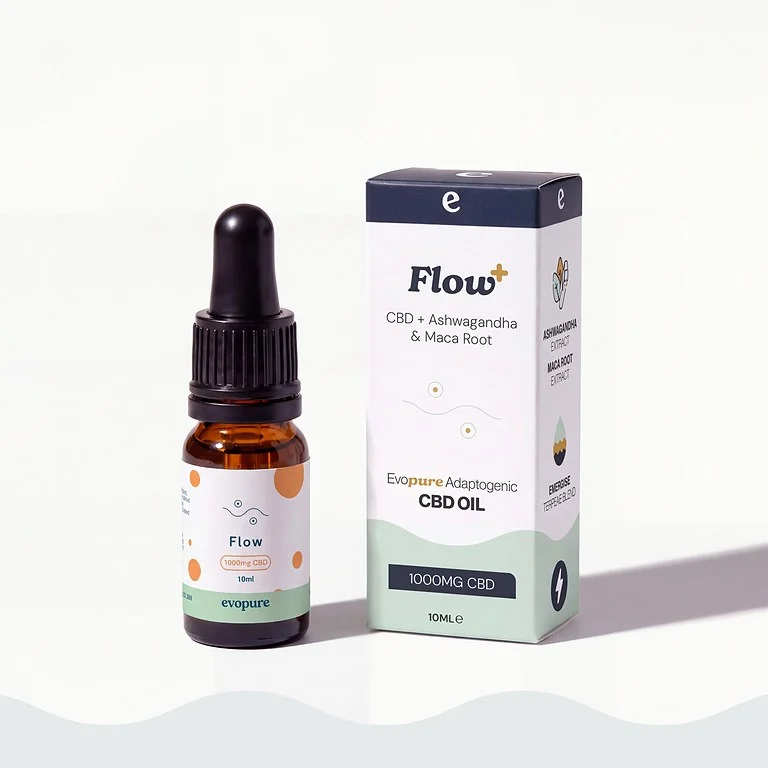
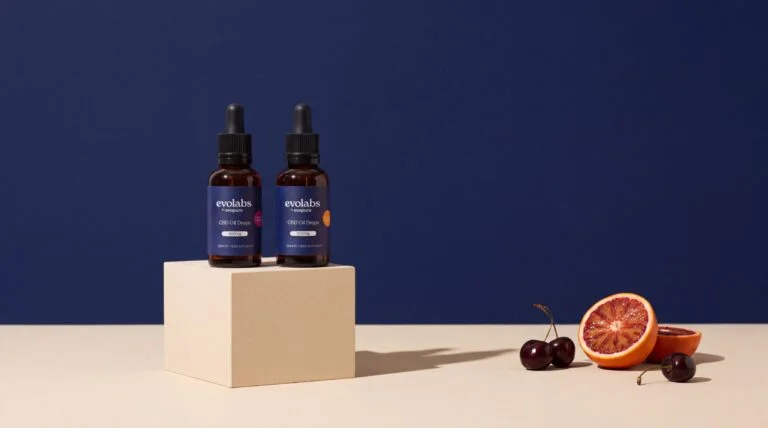
- Flow CBD Oil combines broad spectrum CBD with ashwagandha and maca in MCT oil. It contains no ginseng. CBD isn’t a treatment for fatigue, and the herbs have no authorised health claims. It contains ashwagandha, so avoid it if you have a liver or thyroid condition. The FSA’s 10mg a day figure is precautionary advice rather than a legal limit, set while longer-term safety research continues. At Evopure we think it is a very cautious figure, and many adults use more. If you go above it, increase slowly, and check with your GP or pharmacist first if you take any medication.
Both are vegan, made in the UK and for adults only.
FAQs
What is ginseng good for?
It’s traditionally used for tiredness and weakness. Trials suggest possible small effects on fatigue, fasting blood sugar and, for American ginseng, colds, but the evidence is mixed and mostly low quality.
Which type of ginseng is best for energy?
Korean (Panax) ginseng is the most studied for fatigue, but a 2023 review of 19 trials found no clear overall effect. No type of ginseng is proven to boost energy.
Is it safe to take ginseng every day?
Short-term use appears safe for most healthy adults. European guidance limits courses to 3 months. Check with a pharmacist first if you take any medicine.
What are the side effects of ginseng?
Insomnia is the most common, followed by headaches and digestive upset. Rarely, severe rashes, liver damage and allergic reactions have been reported.
Who should not take ginseng?
Avoid it if you’re pregnant, breastfeeding or under 18. Check with your GP or pharmacist first if you take warfarin, diabetes medicines, antidepressants or immunosuppressants, or have a hormone-sensitive condition.
Is Siberian ginseng the same as ginseng?
No. Siberian ginseng (eleuthero) is a different plant with different compounds and even less good evidence. Research on Korean or American ginseng doesn’t apply to it.
Is ginseng better than ashwagandha?
They’re used differently: ginseng for feeling drained, ashwagandha for stress and sleep. Ashwagandha’s stress trials show more benefit, but results vary widely between studies.
Sources
- NCCIH. Asian ginseng.
- European Medicines Agency. Ginseng root (Ginseng radix) and Eleutherococcus root.
- NHS. Herbal medicines and complementary therapies and Erectile dysfunction.
- MHRA. Herbal medicines granted a traditional herbal registration. DHSC. Great Britain nutrition and health claims register.
- Li X et al (2023). Ginseng and ginseng herbal formulas for symptomatic management of fatigue. Li Z et al (2023). Ginseng and health outcomes: an umbrella review.
- Geng J et al (2010). Ginseng for cognition. Cochrane. Zeng M et al (2024). Effects of ginseng on cognitive function.
- Seida JK et al (2011). North American and Asian ginseng preparations for prevention of the common cold. Predy GN et al (2005). North American ginseng extract for preventing upper respiratory tract infections.
- Shishtar E et al (2014). The effect of ginseng on glycemic control. Lee HW et al (2021). Ginseng for erectile dysfunction. Cochrane.
- Coon JT, Ernst E (2002). Panax ginseng: a systematic review of adverse effects and drug interactions. Yuan CS et al (2004). American ginseng reduces warfarin’s effect. Memorial Sloan Kettering. Asian ginseng.
- Schaffler K et al (2013). Eleutherococcus senticosus and stress management training. Harkey MR et al (2001). Variability in commercial ginseng products. Akhgarjand C et al (2022). Ashwagandha for anxiety and stress.
This guide is general information, not medical advice. Evopure makes the Magnesium Glycinate Sleep Complex and Flow CBD Oil. We don’t sell ginseng.