Last updated: October 2026
For most period pain, the NHS suggests a pharmacy painkiller such as ibuprofen or paracetamol, heat on your tummy from a hot water bottle or heat pad, a warm bath and gentle exercise such as walking, swimming or yoga. Ibuprofen usually works better than paracetamol. If pain stops you doing everyday things, or changes, see a GP.
Below: fast relief, why periods hurt, painkillers, heat, exercise, TENS, supplements, period pain at night, when it might be something else and when to see a GP.
Fast period pain relief: what to try first
The NHS says period pain usually lasts up to 3 days. These are the options with the best support.
| Option | What the evidence says | Tips |
|---|---|---|
| Ibuprofen (an anti-inflammatory) | Strongest evidence. A Cochrane review of 80 trials found anti-inflammatories gave good relief to roughly half of women, against about 1 in 5 on a dummy pill | Take with or after food. Not suitable for everyone (see below) |
| Paracetamol | Helps some people, but less effective than ibuprofen in trials | Useful if you can’t take ibuprofen |
| Heat on your tummy | In one trial, a low-level heat patch worked about as well as ibuprofen | Wrap a hot water bottle in a tea towel |
| Warm bath or shower | Recommended by the NHS as self-help | Good before bed |
| Regular exercise | Cochrane found it may cut period pain, with low-quality evidence | Walking, swimming, cycling or yoga |
| TENS machine | A 2024 Cochrane review found it may reduce pain | Ask a GP or pharmacist first |
The NHS also says cutting down on alcohol and not smoking may help.
Why do periods hurt?
Period pain happens when the muscular wall of your womb tightens to help shed its lining. NI Direct, which uses NHS content, explains that these contractions squeeze the blood vessels lining the womb and briefly cut off its blood and oxygen supply, and the tissues then release chemicals that trigger pain.
Some of those chemicals are prostaglandins, hormone-like substances that make the womb contract harder. A Cochrane review notes that women with painful periods have high levels of prostaglandins, which is why anti-inflammatory painkillers, which block prostaglandin production, tend to work well.
Ordinary period pain is called primary dysmenorrhoea. Pain caused by a condition such as endometriosis or fibroids is secondary dysmenorrhoea, which NI Direct says is most common between 30 and 45.
The pain can be a dull ache or sharp cramps, and the NHS says it can spread to your back and thighs. Many people also notice bloating, mood changes or poor sleep around the same time: see PMS symptoms and bloating before a period.
Painkillers for period pain
Ibuprofen is a non-steroidal anti-inflammatory drug (NSAID). The 2015 Cochrane review of 80 trials and 5,820 women found NSAIDs were clearly better than a dummy pill: if 18% of women on placebo got moderate or excellent relief, 45% to 53% on NSAIDs did. They also beat paracetamol in three small trials. NI Direct makes the same point: paracetamol doesn’t reduce period pain as effectively as ibuprofen or aspirin.
Take painkillers at the dose on the packet and read the leaflet. The NHS says to take ibuprofen tablets with or after food.
Who should check before taking ibuprofen
The NHS says to check with a pharmacist or doctor first if you:
- have asthma, or have ever had a stomach ulcer
- have a heart, liver or kidney condition
- take blood thinners, steroids, antidepressants or blood pressure medicines
- are pregnant or trying to get pregnant
Don’t take two anti-inflammatories together, such as ibuprofen with aspirin or naproxen. Aspirin shouldn’t be given to anyone under 16.
If pharmacy painkillers aren’t enough
A GP can prescribe stronger anti-inflammatories such as naproxen or mefenamic acid. Hormonal contraception such as the pill, implant or injection is another option, as it thins the womb lining and can make periods lighter and less painful.
Heat, warm baths and massage
- A heat pad or hot water bottle. In a US trial of 81 women, a low-level heat patch worn for about 12 hours a day gave similar relief to ibuprofen, and heat plus ibuprofen brought noticeable relief sooner than ibuprofen alone. A 2024 review of 33 trials ranked topical heat among the more effective drug-free options.
- A warm bath or shower. The NHS lists this as self-help. Some people add Epsom salts: see does an Epsom salt bath work?
- Massage. Gently rub your lower tummy and back.
The NHS advice is to wrap a hot water bottle in a tea towel. Take care not to burn your skin, and don’t fall asleep on an electric heat pad.
Exercise and yoga
Exercise may be the last thing you feel like, but it’s well studied. A 2019 Cochrane review of 12 trials and 854 women found regular exercise may give a large reduction in period pain, around 25 points on a 100-point pain scale, compared with no exercise. The evidence was rated low quality, so treat it as promising rather than proven.
The trials used stretching, core work, yoga, aerobic exercise and dance workouts, for about 45 to 60 minutes three times a week or more, all month round. Some asked women not to exercise during their period, so the benefit seems to come from regular exercise across the cycle.
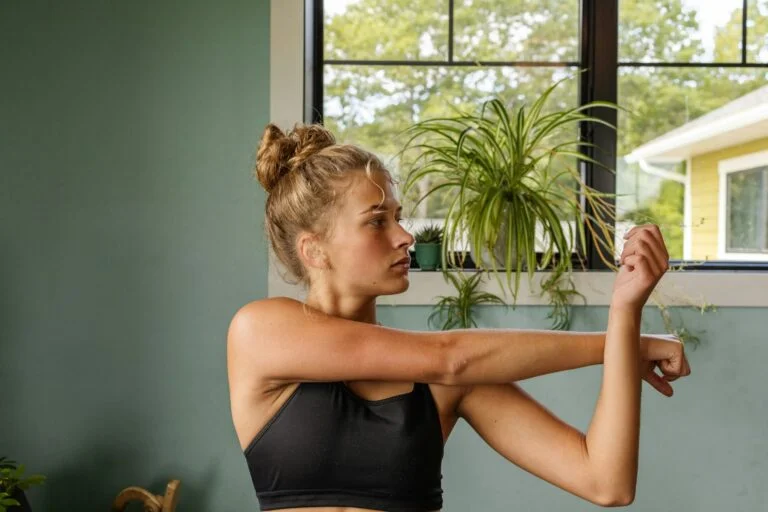
On the day itself, the NHS suggests gentle exercise such as walking, swimming, cycling or yoga. Stress can affect your cycle too: see how stress affects your period.
Do TENS machines work for period pain?
A TENS (transcutaneous electrical nerve stimulation) machine is a small battery-operated device that sends a mild electrical current through sticky pads on your tummy. The NHS lists it as a treatment a GP may suggest.
A 2024 Cochrane review of 20 trials found both high-frequency and low-frequency TENS may reduce period pain compared with a dummy device or no treatment. The certainty of the evidence was low, mostly because of how the trials were run.
TENS machines are sold in pharmacies and online. The NHS says not to use TENS if you have epilepsy or a pacemaker, or if you are pregnant unless your doctor or midwife says so, and to check with a GP first that it is safe for you.
Magnesium and other supplements
Here we need to be straight with you: no supplement has an authorised health claim for period pain in the UK, and the research is thin.
A 2016 Cochrane review looked at 27 trials of dietary supplements for period pain, including ginger, fenugreek, valerian, chamomile, fish oil, zinc and vitamins B1 and E. It found no high-quality evidence that any of them work, and very little safety data. Ginger, vitamin B1 and zinc showed some low-quality evidence, mostly from single small trials, and vitamin E showed no effect.
Magnesium is a popular choice, and a 2020 review of 16 small trials listed it among micronutrients that may help, but the authors said more studies are needed. We look at the cramps evidence in magnesium for cramps and at PMS in magnesium for PMS.
The NHS says heavy periods are a very common cause of iron deficiency anaemia. If you’re tired, pale or breathless, read about iron deficiency symptoms and ask your GP for a blood test before taking iron.
Period pain at night and sleep
Period pain often makes for a rough night. In a small sleep-lab study, women with painful periods slept less efficiently and had less REM (dreaming) sleep during their period than at a pain-free point in their cycle. When the same women took an anti-inflammatory painkiller, their sleep returned to their usual pattern. A larger 2024 study of 328 women also found lower sleep efficiency and more fatigue in women with painful periods.
To make nights easier:
- Have a warm bath an hour or so before bed.
- Put a wrapped hot water bottle on your tummy or lower back as you settle.
- If you use painkillers, follow the leaflet so a dose covers the night.
- Try lying on your side with your knees drawn up, which many people find comfortable.
- Keep the bedroom cool: a sleep study found body temperature at night runs higher before and during a period.
- Skip alcohol: it makes sleep more broken. See alcohol and sleep.
If sleep goes wrong in the days before your period starts, see insomnia before your period, and for a simple wind-down plan, our bedtime routine for adults.
Where Evopure fits in
None of our products treat period pain, cramps or any hormonal condition, and they are no substitute for the options above. Some customers simply like them as part of a calm evening routine.
Our Magnesium Glycinate Sleep Complex is a berry-flavoured bedtime drink made with magnesium bisglycinate and citrate, glycine, L-theanine and chamomile. Magnesium contributes to normal muscle function and to a reduction of tiredness and fatigue.
Our Sleep CBD Oil combines broad spectrum CBD (0% THC) with passion flower and a terpene blend. CBD isn’t a treatment for period pain. If you want to know what the research does and doesn’t show, read CBD for PMS and period pain.
The FSA’s 10mg a day figure is precautionary advice rather than a legal limit, set while longer-term safety research continues. At Evopure we think it is a very cautious figure, and many adults use more. If you go above it, increase slowly, and check with your GP or pharmacist first if you take any medication.
Our products are for adults (18+) only. We don’t recommend our products during pregnancy or breastfeeding.
When period pain might be something else
Most period pain is a normal part of the cycle. But the NHS says it is sometimes caused by a condition, and lists changes such as periods becoming more painful or heavier as reasons to see a GP.
| Condition | What it is | Clues to look for |
|---|---|---|
| Endometriosis | Tissue like the womb lining grows outside the womb | Severe pain that stops normal activities, heavy periods, pain during or after sex, pain when peeing or pooing, extreme tiredness |
| Adenomyosis | Womb-lining tissue grows into the womb’s muscle wall | Painful, heavy periods, bloating, more often diagnosed over 30 |
| Fibroids | Non-cancerous growths in or around the womb | Heavy or painful periods, lower back pain, changes in peeing or pooing |
| Pelvic inflammatory disease (PID) | An infection of the womb, fallopian tubes or ovaries, often from an STI | Pain that is unusual for you, bleeding between periods or after sex, unusual discharge, fever |
| A coil (IUD) | Not a condition, but a common cause | Period pain can be worse in the first 3 to 6 months after fitting |
Endometriosis is common: Endometriosis UK says it affects around 1 in 10 women and people assigned female at birth. Its 2023 survey found diagnosis took an average of 8 years and 10 months in England and Scotland, and almost half of respondents had seen their GP 10 or more times first. If your pain matches the clues above, say so clearly and keep a pain and period diary to take with you. See endometriosis: what the research shows.
Irregular periods with painful or heavy bleeding can also point to hormonal causes: see PCOS (now PMOS) and hormonal imbalance symptoms. If mood changes before your period are severe, read about PMDD.
Period pain in teenagers
NI Direct notes that young girls often have period pain when their periods start. Heat, a warm bath, gentle exercise and paracetamol or ibuprofen, following the dose on the packet for their age, are the usual first steps. Aspirin shouldn’t be given to anyone under 16.
If period pain is making a teenager miss school or stop doing normal things, see a GP. Painful periods that stop normal life are worth checking at any age, and our products are not suitable for under-18s.
When to see a GP
The NHS says to see a GP if:
- period pain stops you doing your usual daily activities
- your periods become more painful, heavier or irregular
- you bleed between periods or after sex
- you have pain during sex, or when peeing or pooing
- you notice a change in how often or how much you pee or poo
- you have a swollen tummy, loss of appetite or weight loss without trying
NI Direct adds that you should go back to your GP if pain isn’t controlled after three months of painkillers or the pill.
Get help urgently. Get an urgent GP appointment or call NHS 111 if your period or pelvic pain is severe or worse than usual and painkillers haven’t helped, or if you have pelvic pain and are pregnant or might be. Cramping in pregnancy needs checking. Call 999 or go to A&E if pain is severe and getting worse, or you feel faint or dizzy, have heavy bleeding or have pain in the tip of your shoulder.
FAQs
What is the fastest way to relieve period pain?
For most people, ibuprofen plus heat on the tummy from a wrapped hot water bottle or heat pad. In one trial, heat plus ibuprofen brought noticeable relief sooner than ibuprofen alone. Check ibuprofen is suitable for you first.
Is ibuprofen or paracetamol better for period pain?
Ibuprofen usually works better, because it blocks the prostaglandins that drive cramps. Cochrane found anti-inflammatories beat paracetamol in trials. Paracetamol is a good option if you can’t take ibuprofen, for example because of asthma or a stomach ulcer.
Why does period pain keep me awake at night?
Pain makes sleep lighter and more broken. Small studies found women with painful periods slept less efficiently and had less REM sleep during their period. A warm bath, heat on your tummy and a painkiller timed to cover the night can help.
Does magnesium help period pain?
There is no authorised health claim for magnesium and period pain, and the evidence is limited to small trials. Magnesium contributes to normal muscle function. Painkillers, heat and regular exercise have better evidence.
Can period pain be a sign of endometriosis?
Yes. Severe period pain that stops normal activities, especially with heavy periods, pain during sex or pain when peeing or pooing, can be a sign of endometriosis. See a GP and keep a diary of your pain and periods.
When should I worry about period pain?
See a GP if pain stops you doing daily activities, gets worse, or comes with bleeding between periods or after sex. Call NHS 111 urgently if pain is severe and painkillers haven’t helped, or if you’re pregnant or might be.
Can you stop period pain for good?
Not always, but it can often be reduced. Regular exercise may help over time, and a GP can offer stronger painkillers or hormonal contraception. If a condition such as endometriosis is the cause, treating it can help.
Sources
- NHS. Period pain.
- NI Direct (NHS content). Period pain.
- NHS. Ibuprofen for adults.
- NHS. Endometriosis, Adenomyosis, Fibroids, Pelvic inflammatory disease and Pelvic pain.
- NHS. TENS and Iron deficiency anaemia.
- Endometriosis UK (2024). Diagnosis survey report.
- Marjoribanks J et al (2015). Nonsteroidal anti-inflammatory drugs for dysmenorrhoea. Cochrane Database of Systematic Reviews.
- Armour M et al (2019). Exercise for dysmenorrhoea. Cochrane Database of Systematic Reviews.
- Han S et al (2024). Transcutaneous electrical nerve stimulation (TENS) for pain control in women with primary dysmenorrhoea. Cochrane Database of Systematic Reviews.
- Pattanittum P et al (2016). Dietary supplements for dysmenorrhoea. Cochrane Database of Systematic Reviews.
- Akin MD et al (2001). Continuous low-level topical heat in the treatment of dysmenorrhea. Obstetrics and Gynecology.
- Li X et al (2024). Efficacy of non-pharmacological interventions for primary dysmenorrhoea. BMJ Evidence-Based Medicine.
- Saei Ghare Naz M et al (2020). The effect of micronutrients on pain management of primary dysmenorrhea. Journal of Caring Sciences.
- Baker FC et al (1999). High nocturnal body temperatures and disturbed sleep in women with primary dysmenorrhea. American Journal of Physiology.
- Iacovides S et al (2009). Diclofenac potassium restores objective and subjective measures of sleep quality in women with primary dysmenorrhea. Sleep.
- Ishikura IA et al (2024). Altered sleep and diurnal consequences in women with dysmenorrhea. Archives of Gynecology and Obstetrics.
This guide is general information, not medical advice. Evopure makes the Magnesium Glycinate Sleep Complex and Sleep CBD Oil.