Last updated: October 2026
Most women over 40 in the UK need one supplement as standard: vitamin D, 10 micrograms a day from October to March, as the NHS advises. Anything else should have a reason behind it: iron if blood tests show you’re low, B12 if you’re vegan or on certain medicines, and calcium, omega-3 or magnesium only if your diet falls short.
Below: what’s worth taking, what to skip, blood tests to ask about, and safety.
The short version: take vitamin D in autumn and winter, eat well, lift something heavy twice a week, and get your bloods checked if you’re tired, bleeding heavily or vegan. Supplement to fix a gap you know about, not a gap you’ve been told you might have.
Which supplements do women over 40 actually need?
A few things shift through your 40s and 50s: periods can get heavier, bone loss speeds up around the menopause, and B12 problems become more common with age. Here’s how the usual suspects stack up.
| Supplement | Who may benefit | UK guidance | Verdict |
|---|---|---|---|
| Vitamin D | Almost everyone in autumn and winter; all year if you’re rarely outdoors, cover your skin or have dark skin | NHS: consider 10 micrograms a day; no more than 100 micrograms | Worth taking |
| Iron | Heavy periods, or a blood test showing low iron | NHS: 14.8mg a day from food (8.7mg from 50 if periods have stopped); 17mg or less from supplements unless your GP advises more | Only if tested or advised |
| Vitamin B12 | Vegans, people taking metformin or PPIs, women around 60 and over | NHS: vegans may need a supplement; deficiency needs a GP | Worth it if you’re in a risk group |
| Calcium | Low dairy or fortified food intake; osteoporosis treatment | NHS: 700mg a day, ideally from food; 1,500mg or less from supplements | Only if your diet falls short |
| Omega-3 | People who rarely eat oily fish | NHS: 2 portions of fish a week, 1 of them oily | Food first; supplement is optional |
| Magnesium | Low intake of nuts, seeds, greens and wholegrains | NHS: 270mg a day for women; 400mg or less from supplements | Reasonable if intake is low |
| Folic acid | Women trying for a baby | NHS: start before pregnancy, ideally 3 months before | Essential if trying to conceive |
| Creatine | Women strength training | No UK intake advice | Optional; promising with exercise |
| Collagen | Marketed for skin and joints | No UK advice | Weak, mostly industry-funded evidence |
| Biotin | Marketed for hair and nails | No UK advice | Skip unless deficient; can affect blood tests |
| “Hormone balancing” blends | Marketed for perimenopause | No authorised GB claim for “hormonal health” | Skip; speak to a GP about symptoms |
For supplements aimed specifically at hot flushes, night sweats and other menopause symptoms, see our separate guide to the best supplements for menopause.
Vitamin D: the one most women should take October to March
This is the only supplement the NHS suggests almost everyone in the UK should consider. From October to early March the sun isn’t strong enough for your skin to make vitamin D, so the advice is 10 micrograms (400 IU) a day through autumn and winter.
Take it all year round if you’re rarely outdoors, usually cover most of your skin when outside, or have dark skin. Don’t take more than 100 micrograms (4,000 IU) a day: over time, too much can push up calcium levels in the blood, which can weaken bones and harm the kidneys and heart.
Vitamin D contributes to the maintenance of normal bones and normal muscle function, and to the normal function of the immune system. More detail in vitamin D in winter.
Iron: if your periods are heavy or bloods show you’re low
Heavy periods are a very common cause of iron deficiency anaemia, and periods can get heavier as you approach the menopause. The NHS says your periods may be heavy if you:
- change your pad or tampon every 1 to 2 hours, or need two products at once
- have periods lasting more than 7 days
- pass clots about the size of a 10p coin, or bleed through to clothes or bedding
- often feel tired or short of breath
Women aged 19 to 49 need 14.8mg of iron a day, falling to 8.7mg from 50, although you need the higher amount if you still have periods. Iron contributes to the reduction of tiredness and fatigue and to normal formation of red blood cells and haemoglobin.
The catch is that iron isn’t one to take “just in case”. Doses above 20mg can cause constipation, nausea and stomach pain, and the NHS says 17mg or less a day from supplements is unlikely to cause harm. If you’re tired and bleeding heavily, see a GP: a simple blood test shows whether you’re anaemic, and if you are, you’ll usually be given iron tablets for about 6 months while the cause is treated. See iron deficiency symptoms and iron-rich foods.
Vitamin B12: vegans, women over 50 and certain medicines
Most people who eat meat, fish and dairy get enough B12 from food. The groups most likely to run low are:
- Vegans who don’t take a B12 supplement or eat fortified foods such as some cereals, soya drinks and yeast extract. Body stores last 2 to 5 years, so low levels can take a long time to show.
- Women around 60 and over: the most common cause of B12 deficiency in the UK is pernicious anaemia, an autoimmune condition that stops B12 being absorbed. It’s more common in women of around 60, and in people with another autoimmune condition.
- People on some medicines, including metformin and proton pump inhibitors (PPIs) such as omeprazole.
Vitamin B12 contributes to normal red blood cell formation and to the reduction of tiredness and fatigue. If you do become deficient, treatment usually starts with injections, and some people need them for life, which is why symptoms such as extreme tiredness, pins and needles or a sore, red tongue are worth a GP visit rather than self-treatment. See vitamin B12 deficiency symptoms.
Calcium, vitamin D and your bones
Bone loss isn’t steady. In a large US study that followed 862 women through the menopause, bone loss began about a year before the final period and was fastest from then until two years after it. Spine bone density fell by 10.6% over the 10 years studied, with about 7.4% of that lost in those three years around the last period.
That makes your 40s a good time to get the basics right. Adults need 700mg of calcium a day, and the Royal Osteoporosis Society says most people can get it from food: dairy, calcium-fortified plant drinks, calcium-set tofu, curly kale, tinned sardines and bread made with fortified flour. Calcium is needed for the maintenance of normal bones.
A calcium supplement makes sense if you eat little dairy or fortified food, or if your doctor suggests it. If you’re on osteoporosis medicine, your doctor may want you to have around 1,000mg a day. Keep supplements to 1,500mg or less a day, and check other products you take, as some contain calcium too. Read more in magnesium and calcium.
Omega-3: if you rarely eat oily fish
The NHS advises at least 2 portions of fish a week (a portion is about 140g), one of them oily, such as salmon, mackerel, sardines, trout, herring or pilchards. Fresh and tinned tuna don’t count as oily. Women who haven’t been through the menopause should have no more than 2 portions of oily fish a week.
If you eat oily fish most weeks, you probably don’t need a supplement. The evidence for capsules is weaker than many labels suggest: a 2020 Cochrane review of 86 trials in over 162,000 people found that increasing long-chain omega-3, mostly from supplements, had little or no effect on deaths or on heart and circulation events overall.
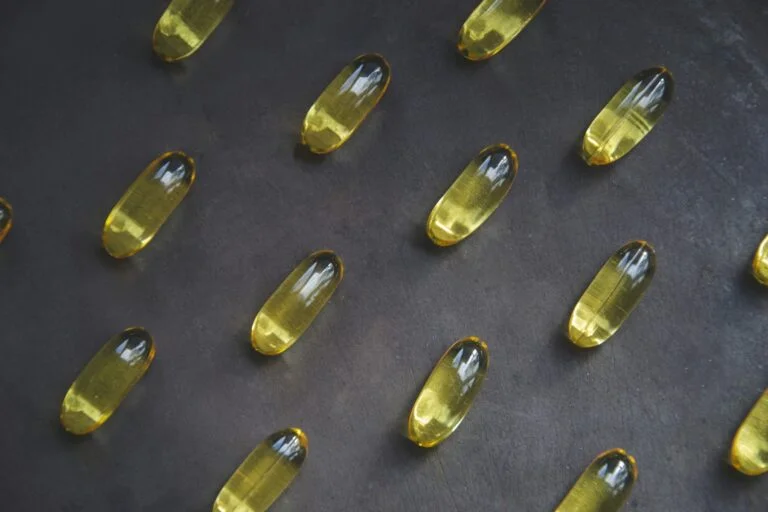
If you don’t eat fish, a fish or algae oil is a reasonable top-up. EPA and DHA contribute to the normal function of the heart; the beneficial effect is obtained with a daily intake of 250mg of EPA and DHA. Plant sources (linseed, chia, walnuts, rapeseed oil) provide a different omega-3, ALA. Fish liver oil is different: it’s high in vitamin A and should be avoided in pregnancy.
Magnesium: if your intake is low
Women need 270mg of magnesium a day, and a varied diet with nuts, seeds, beans, wholegrains and leafy greens usually provides it. If yours is light on those foods, a supplement is a sensible top-up. Magnesium contributes to the reduction of tiredness and fatigue, to normal psychological function, to normal muscle function and to the maintenance of normal bones.
Keep supplements to 400mg or less a day; more than that can cause diarrhoea. Gentler forms such as magnesium glycinate (bisglycinate) are popular for evening use. See signs of magnesium deficiency to check whether your intake might be low.
Collagen, biotin and “hormone balance”: the honest view
Collagen
Earlier reviews of collagen looked positive, but a 2025 analysis of 23 trials (1,474 people) went further and split the trials by who paid for them. Industry-funded trials showed benefits for skin hydration, elasticity and wrinkles; independent and higher-quality trials showed no effect. The authors concluded there is currently no clinical evidence to support collagen for skin ageing.
Biotin for hair
A review of biotin for hair and nails found that every reported improvement was in people who had an underlying problem, such as a biotin deficiency, and that there isn’t enough evidence for healthy people. Biotin also has a hidden downside: high doses can distort some blood tests, including thyroid tests, and one published case describes a patient on high-dose biotin who was treated for an overactive thyroid when the test results were actually caused by the biotin. If your hair is thinning, a GP can check for common causes such as low iron and thyroid problems first.
“Hormone balancing” blends
No vitamin or mineral is authorised in Great Britain to claim it “balances hormones”. A claim that magnesium contributes to hormonal health was assessed and is listed as non-authorised in the GB register. The NHS says there’s very little evidence on how well herbal menopause remedies such as black cohosh and red clover work, or how safe they are, and that some can cause serious side effects alongside other medicines. If your hormones are the worry, the most useful step is a conversation with your GP, who can talk you through options including HRT.
Supplements and perimenopause
Menopause usually happens between 45 and 55, so for many women the 40s bring perimenopause, the run-up to it. The first sign is often a change in your periods: more or less frequent, heavier or lighter. Symptoms usually last 7 to 9 years, sometimes longer, and they can change along the way. See the full list in perimenopause symptoms.
Supplements don’t replace hormones: the NHS lists HRT as the main treatment, with non-hormonal options if it isn’t suitable. Supplements are background support: vitamin D in winter, iron if bleeding has become heavy, and enough calcium, protein and magnesium from food to protect bones and muscle.
For symptom-by-symptom advice on supplements, see our menopause supplements guide. For broken nights, see perimenopause and sleep, and for the middle-age spread, menopause weight gain.
Trying for a baby over 40
The NHS advises taking folic acid before you get pregnant, ideally from 3 months before, and some women need a higher dose, so check with a pharmacist or GP. Once pregnant, avoid vitamin A supplements, including fish liver oil, and leave out herbal products such as ashwagandha. We don’t recommend our products during pregnancy or breastfeeding.
Food first: what to eat instead of a cupboard full of pills
The NHS view is that most people can get the nutrients they need from a varied, balanced diet. A practical checklist for your 40s and 50s:
- Calcium: dairy or calcium-fortified alternatives every day, plus curly kale, calcium-set tofu or tinned fish eaten with the bones.
- Iron: red meat in moderation, beans, lentils, fortified cereals, nuts and dried fruit. Have vitamin C foods with plant iron and keep tea and coffee away from meals.
- Omega-3: one portion of oily fish a week, or linseed, chia and walnuts daily if you’re vegan.
- Magnesium: nuts, seeds, beans, wholemeal bread and leafy greens.
- B12: meat, fish, eggs and dairy, or fortified foods plus a supplement if you’re vegan.
- Protein: include some at each meal, from fish, eggs, dairy, beans, lentils, tofu or meat.
Blood tests worth asking a GP about
- NHS Health Check (England, ages 40 to 74): a free check every 5 years for people without certain existing conditions. It includes blood pressure and cholesterol, sometimes blood sugar, and estimates your 10-year risk of heart disease, stroke, type 2 diabetes and kidney disease. Your GP or local council should invite you; if not, ask.
- Full blood count and iron: if your periods are heavy, or you’re tired, breathless or pale.
- B12 and folate: if you’re vegan, on metformin or a PPI, or have tiredness with pins and needles.
- Thyroid function: if you’re very tired, feel the cold, are putting on weight, or have dry skin or hair loss. See underactive thyroid symptoms.
Tell your GP about every supplement you take before a blood test, especially biotin, as it can affect some results.
Safety, limits and interactions
“Natural” doesn’t mean harmless. Add up everything you take, including multivitamins and fortified drinks, and stay within these NHS limits unless your doctor advises otherwise:
| Nutrient | Daily amount from supplements unlikely to cause harm | What too much can do |
|---|---|---|
| Vitamin D | 100 micrograms (4,000 IU) or less | High blood calcium, kidney and heart damage |
| Iron | 17mg or less | Constipation, nausea, stomach pain |
| Calcium | 1,500mg or less | Stomach pain and diarrhoea |
| Magnesium | 400mg or less | Diarrhoea |
| Vitamin A (including fish liver oil) | No more than 1.5mg from food and supplements combined | Avoid entirely in pregnancy |
- Thyroid medicine: iron and calcium supplements can interfere with levothyroxine, so ask your pharmacist how to space them.
- Herbal products: the NHS warns that some can cause serious side effects alongside other medicines. Ashwagandha in particular isn’t suitable if you’re pregnant, breastfeeding, trying to conceive, or have a thyroid, liver or autoimmune condition. See ashwagandha for women.
- Keep iron away from children: an overdose can be fatal.
- Any regular medicine: check with a pharmacist before adding a new supplement.
The basics that matter more than any supplement
- Strength training: the NHS advises muscle-strengthening activity on at least 2 days a week, plus 150 minutes of moderate activity. Weight-bearing and resistance exercise are particularly important for bone density. Creatine can be a useful partner for lifting; see creatine for women.
- Alcohol: no more than 14 units a week, spread over 3 or more days, with several drink-free days. The NHS osteoporosis advice also says to avoid binge drinking. For how a drink affects your nights, see alcohol and sleep.
- Sleep: protect it first with a regular wake time and a wind-down routine; supplements come second.
- Stress: long-running stress can affect your sleep and mood. See high cortisol symptoms in women.
- Smoking: it’s linked with a higher risk of osteoporosis, so stopping protects your bones as well as your heart.
Where Evopure fits
Here’s an honest fit. If your magnesium intake is low, our Magnesium Glycinate Sleep Complex is an evening drink with magnesium bisglycinate and citrate (148mg of magnesium per serving), plus glycine, L-theanine, chamomile, passionflower, hops and oat straw. Magnesium contributes to the reduction of tiredness and fatigue and to normal psychological function.
Our Evolabs Mint CBD Oil with vitamin D3 combines broad spectrum CBD with vegan, algae-based vitamin D3: 5 micrograms per half pipette, which is half the NHS 10 microgram figure, so count it alongside your other sources. Vitamin D contributes to the normal function of the immune system and the maintenance of normal bones. Some women also use our Flow CBD Oil, which contains broad spectrum CBD with ashwagandha and maca in MCT oil; the ashwagandha cautions above apply.
The FSA’s 10mg a day figure is precautionary advice rather than a legal limit, set while longer-term safety research continues. At Evopure we think it is a very cautious figure, and many adults use more. If you go above it, increase slowly, and check with your GP or pharmacist first if you take any medication.
Our products are vegan, made in the UK and for adults only. We don’t recommend our products during pregnancy or breastfeeding.
When to see a GP
- Your periods are heavy, have changed and are heavier than before, or are affecting your life.
- You bleed between periods or after sex, or have any bleeding after 12 months without a period.
- You’re constantly tired, breathless, pale or having palpitations.
- You think you have perimenopause symptoms and want to know your options.
- You take regular medicine and want to add a supplement.
Our omega 3 guide covers food sources, fish oil vs cod liver oil and how much to take.
FAQs
What supplements should a woman over 40 take?
Vitamin D, 10 micrograms a day from October to March, is the one the NHS suggests for almost everyone. Others, such as iron, B12, calcium, omega-3 and magnesium, are worth taking only if your diet, symptoms or a blood test show you need them.
Do women over 40 need a multivitamin?
Not usually. The NHS says most people can get the nutrients they need from a varied, balanced diet. A basic multivitamin can fill gaps if your diet is limited, but check it doesn’t push you over the limits for vitamin D, iron or vitamin A when added to other products.
What are the best vitamins for energy for women over 40?
Only the ones you’re short of. Low iron and low B12 are common reasons for tiredness, so ask a GP for a blood test before buying energy supplements. Poor sleep, stress, perimenopause and thyroid problems are other common causes.
Do women over 50 need different supplements?
Iron needs fall to 8.7mg a day once periods stop, so most women over 50 don’t need extra iron. B12 problems become more common around 60, and bone loss is fastest around the menopause, so calcium from food, vitamin D and strength training matter more.
Is collagen worth taking after 40?
The evidence is weak. A 2025 review found benefits for skin only in industry-funded and lower-quality trials, with no effect in independent or higher-quality trials. We wouldn’t put it high on your list.
Can supplements balance hormones in perimenopause?
No vitamin or mineral is authorised in Great Britain to claim it balances hormones. If perimenopause symptoms are affecting you, speak to your GP about options including HRT.
What blood tests should a woman over 40 ask for?
In England, the free NHS Health Check every 5 years from 40 checks blood pressure and cholesterol. Ask about a full blood count and iron if your periods are heavy, B12 if you’re vegan or on metformin or a PPI, and thyroid tests if you have symptoms.
Sources
- NHS: Vitamin D, Iron, Heavy periods, Vitamin B12 or folate deficiency anaemia: causes, Calcium, Others (magnesium), NHS Health Check, Menopause treatment, Osteoporosis prevention and Fish and shellfish.
- Royal Osteoporosis Society. Calcium.
- Greendale GA et al (2012). Bone mineral density loss in relation to the final menstrual period in a multiethnic cohort (SWAN). Journal of Bone and Mineral Research.
- Abdelhamid AS et al (2020). Omega-3 fatty acids for the primary and secondary prevention of cardiovascular disease. Cochrane Database of Systematic Reviews.
- Myung SK, Park Y (2025). Effects of collagen supplements on skin aging: a systematic review and meta-analysis of randomized controlled trials. American Journal of Medicine.
- Patel DP et al (2017). A review of the use of biotin for hair loss. Skin Appendage Disorders.
- GOV.UK. Great Britain nutrition and health claims (NHC) register.
This guide is general information, not medical advice. Evopure makes the Magnesium Glycinate Sleep Complex, Evolabs Mint CBD Oil with vitamin D3 and Flow CBD Oil.