

Last updated: October 2026
Inositol is a sugar-alcohol compound your body makes and also gets from food. Myo-inositol is the most studied form, mainly for PCOS (now called PMOS), where evidence for cycle and metabolic benefits is limited and low certainty. Evidence for anxiety, sleep and weight loss is weaker. Check with your GP, especially if trying to conceive.
Below: what the research shows for PCOS, fertility, anxiety, sleep and weight, study doses, side effects, and how inositol compares with metformin and berberine.
The short version: inositol isn’t a treatment for PCOS (PMOS), anxiety or weight. The 2023 international PCOS guideline says it “could be considered” based on your own preferences, with limited clinical benefits, and calls it experimental as a fertility therapy. Never swap a prescribed medicine such as metformin for a supplement.
What is inositol?
Inositol is a sugar-alcohol compound that forms part of your cell membranes and helps pass hormone signals, including insulin, inside cells. There are nine forms (stereo-isomers). Myo-inositol is the most common one in the human body, and you both make it yourself and take it in from food.
The two forms on supplement labels are:
- Myo-inositol (MI): the main form, used in most PCOS trials.
- D-chiro-inositol (DCI): a related form, used in smaller amounts, often in combinations.
Some combination products and trials use a 40 to 1 ratio of myo- to D-chiro-inositol. Researchers have suggested this ratio is “physiological” (close to the body’s own balance), and it has been tested in mice, but the international guideline says no specific type, dose or combination can yet be recommended.
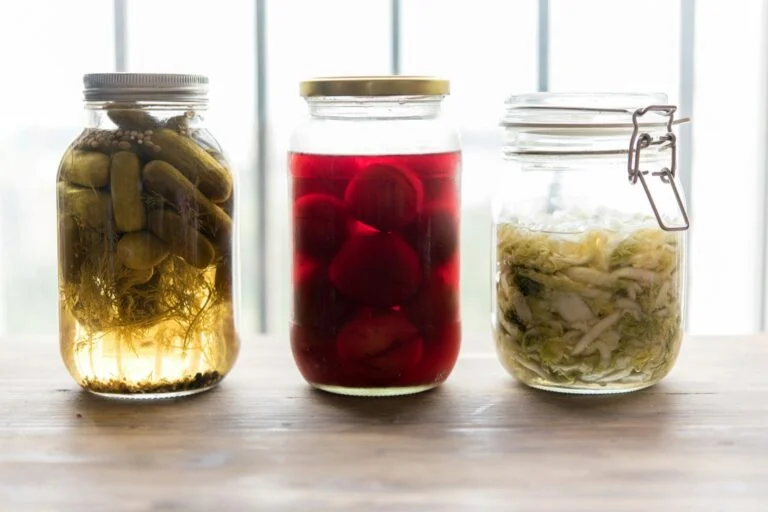
Food sources: a study that measured 487 foods found the most myo-inositol in fruits, beans, grains and nuts. Diets in that study provided roughly 225mg to 1,500mg a day, far below the gram doses used in supplement trials.
You may see inositol sold as “vitamin B8”. It isn’t a true vitamin, because your body can make it.
Inositol for PCOS (PMOS): what the evidence says
PCOS was renamed polyendocrine metabolic ovarian syndrome (PMOS) in May 2026. It’s the same condition, and both names will be used for a while (see what the new PMOS name means). Insulin resistance is common in PMOS, which is why inositol gets so much attention.
The 2024 review behind the guideline. A systematic review prepared for the 2023 international PCOS guideline looked at 30 trials with 2,230 women. It found possible benefits for some metabolic measures with myo-inositol or D-chiro-inositol, and possible benefits for ovulation with D-chiro-inositol, but probably no effect on other outcomes. Most findings were low or very low certainty. Its conclusion: the evidence for inositol in PCOS is “limited and inconclusive”.
The 2023 international guideline (led by Monash University) says:
- inositol in any form could be considered based on your own preferences and values, noting limited harm, a potential improvement in metabolic measures, but limited clinical benefit for ovulation, excess hair growth (hirsutism) or weight
- metformin should be considered over inositol for hirsutism and central (tummy) fat
- no specific type, dose or combination can be recommended, because quality evidence is lacking
- supplement quality and dose can vary more than with medicines
- you should tell your healthcare professional if you take inositol
The British Dietetic Association (BDA) food fact sheet on PMOS and diet doesn’t mention inositol. It says supplements may be beneficial for some people with PMOS, and to discuss them with a dietitian or doctor before starting.
Inositol isn’t on the NHS list of PMOS treatments, which includes the pill, metformin, fertility and weight loss medicines, a balanced diet and exercise.
For the wider picture, see hormonal imbalance symptoms, magnesium for PCOS and ashwagandha for PCOS. Skin flare-ups can be stress-related too: see stress acne.
Inositol for fertility and IVF
- A Cochrane review of 13 trials (1,472 women with PCOS, mostly having IVF) rated the evidence low to very low quality. The authors were uncertain whether myo-inositol improves live birth or pregnancy rates.
- The 2023 guideline says inositol, alone or combined with other treatments, should be considered experimental for women with PCOS and infertility, with benefits and risks too uncertain to recommend it as a fertility therapy. It also notes that side effects and safety aren’t known in this setting.
If you’re trying to conceive, the BDA advises taking a folic acid supplement and speaking to your doctor or dietitian. Talk to your GP or fertility clinic before adding inositol, and tell them about every supplement you take.
Inositol vs metformin vs berberine
Social media often pits these against each other, but they are very different things.
| Inositol | Metformin | Berberine | |
|---|---|---|---|
| What it is | A sugar-alcohol compound found in food and made by the body | A type 2 diabetes medicine, also used for PMOS | A plant compound sold as a supplement |
| UK status | Food supplement, not a medicine | Prescription only | Supplement, not a licensed medicine |
| Evidence in PCOS (PMOS) | Limited, low certainty; possible small metabolic changes | Guideline prefers it over inositol for metabolic features, hirsutism and tummy fat | Weight evidence not conclusive; studies at high risk of bias |
| Common side effects | Mild stomach upset, mainly at high doses | Nausea, diarrhoea, tummy pain, low vitamin B12 | Nausea, tummy pain, bloating, constipation, diarrhoea |
| Key cautions | Ask first if pregnant, trying to conceive, on diabetes medicines or with bipolar disorder | Tell your doctor about supplements; don’t stop without advice | Likely unsafe for babies; may be unsafe in pregnancy and breastfeeding; interacts with some medicines |
Inositol vs metformin: metformin is a prescription medicine. If you’ve been prescribed it, keep taking it as advised and don’t replace it with a supplement. The 2024 review found myo-inositol probably causes fewer stomach side effects than metformin, but metformin may do more for waist-to-hip ratio and hirsutism.
Inositol vs berberine: berberine is often sold online as “nature’s Ozempic”, but the US National Center for Complementary and Integrative Health says the weight loss evidence is not conclusive. It’s linked to a harmful build-up of bilirubin in babies, so it may be unsafe in pregnancy and breastfeeding, and it can interact with medicines (ciclosporin is one example).
Inositol for anxiety, panic and OCD
Interest comes from three small Israeli trials, from 1995 to 2001, using very high doses:
- Panic disorder (1995): 21 people took 12g a day or a placebo for four weeks each. Panic attacks were less frequent and less severe on inositol.
- OCD (1996): 13 people took 18g a day or a placebo for six weeks each, and scored lower on an OCD symptom scale while taking inositol.
- Panic disorder vs fluvoxamine (2001): 20 people took up to 18g a day of inositol for a month and the antidepressant fluvoxamine for a month. Improvements were similar.
These trials were tiny, short and old. A 2014 meta-analysis pooled four anxiety-disorder trials (70 people in total) and found no statistically significant effect of inositol on anxiety or OCD symptoms. Inositol isn’t a treatment for anxiety, panic or OCD, and shouldn’t replace therapy or medicines.
If anxiety is affecting your life, see a GP. Our guides to anxiety symptoms, stopping a panic attack, natural supplements and anxiety and CBD and OCD cover what’s been studied. Mood changes before a period may be PMS or PMDD.
Need help now? If you feel unable to cope or have thoughts of harming yourself, call NHS 111, Samaritans free on 116 123, or 999 in an emergency.
Inositol for sleep
Evidence is very limited. The main trial was in 60 pregnant women in Iran, who took 2g of myo-inositol with folic acid, or folic acid alone, for 10 weeks. The inositol group reported slightly better sleep quality scores. One small trial in pregnancy tells us little about anyone else, and in pregnancy only take supplements your midwife or GP has agreed.
For sleep that won’t settle, start with the basics in our guide to insomnia. If you’re comparing evening supplements, see glycine for sleep. Night sweats and broken sleep in your 40s may be perimenopause.
Inositol for weight loss: is it “nature’s Ozempic”?
No. TikTok and Reddit “PCOS supplement stacks” often pair inositol with berberine as a natural alternative to weight loss injections, but anecdotes aren’t evidence.
- A 2025 meta-analysis of 18 trials (898 people) found an average fall in BMI of about 0.57 points, with low to very low certainty evidence. For someone of average height that’s roughly 1.5kg, and results varied a lot between studies.
- The 2024 PCOS review found the evidence on BMI “very uncertain”, and the guideline lists weight among the areas with limited clinical benefit.
- A 2026 network meta-analysis of 16 PCOS trials comparing GLP-1 medicines, metformin and myo-inositol found the biggest weight loss with GLP-1 medicines (about 5kg).
Inositol isn’t a weight loss product. If weight is a struggle with PMOS, a GP can talk you through options. Our guide to magnesium and weight loss takes the same honest look at another popular claim.
How much inositol do studies use?
There’s no official recommended amount in the UK. These are the doses used in research, not advice to take them:
| Area of research | Doses used in trials |
|---|---|
| PCOS (PMOS), myo-inositol | 1g to 4g a day, often with 200 to 400 micrograms of folic acid |
| PCOS (PMOS), combination | 550mg myo-inositol plus 13.8mg D-chiro-inositol, twice a day (40 to 1) |
| PCOS (PMOS), D-chiro-inositol alone | 600mg to 1,200mg a day |
| Panic disorder and OCD | 12g to 18g a day (older, very small trials) |
Best time to take inositol: no time of day has been shown to work better. Some trials split the dose into two a day. Powder, tablets or sachets? Gram doses are easier to take as a powder or sachet stirred into water than as lots of tablets. Quality and dose vary between brands, so check the label.
Side effects and who should check first
A safety review found that only the highest doses studied (12g a day) caused mild stomach side effects such as nausea, wind and diarrhoea. The 2024 PCOS review also found these effects were usually mild and settled on their own. Long-term safety is less well studied.
Speak to your GP, midwife or pharmacist before taking inositol if you:
- are pregnant, breastfeeding or trying to conceive. The guideline says safety isn’t known in fertility treatment, so follow your clinic’s advice.
- take diabetes medicines (including metformin or insulin). Inositol trials show small falls in blood sugar and insulin, which could add to your medicine’s effect.
- have bipolar disorder. A 1996 case report raised the possibility of inositol triggering mania, so check with your psychiatrist or GP first.
- take any other prescribed medicine, or are under 18.
Stop and get advice if you notice side effects or mood changes.
Supporting the basics
For most people with PMOS, regular meals, movement, sleep and stress matter more than any single supplement. Magnesium is one nutrient worth checking; our guide to magnesium for PCOS explains the research and how much you need.
We don’t sell inositol. Our Magnesium Glycinate Sleep Complex is a warm evening drink with magnesium bisglycinate and citrate, glycine and L-theanine. Magnesium contributes to normal psychological function and to the reduction of tiredness and fatigue. It’s for adults only, and we don’t recommend our products during pregnancy or breastfeeding.
See also our full guide to berberine, including side effects and medicine interactions.
FAQs
What is inositol good for?
It’s mainly studied for PCOS (now PMOS), where it may make small changes to some metabolic measures, but the evidence is limited and low certainty. Evidence for anxiety, sleep and weight loss is weaker. It isn’t a treatment for any condition.
Is inositol the same as myo-inositol?
Inositol is the family name for nine related forms. Myo-inositol is the most common form in the body and the one most studied. D-chiro-inositol is another form, often used in combination products.
Can I take inositol with metformin?
Ask your GP or pharmacist first. Both may affect blood sugar, and the NHS says to tell your doctor about any supplements before taking metformin. Never stop or swap a prescribed medicine for a supplement.
Is inositol safe when trying to conceive?
The international PCOS guideline calls inositol experimental as a fertility therapy and says its safety in that setting isn’t known. Talk to your GP or fertility clinic before taking it, and take folic acid as advised.
When is the best time to take inositol?
No time of day has been shown to work better. Some PCOS trials split the daily amount into two doses. Follow the label and your GP’s advice.
Does inositol help you lose weight?
Not in any meaningful way. Trials show a small average fall in BMI, about half a point, with low certainty evidence. It isn’t a weight loss product or an alternative to weight loss medicines.
Is inositol vitamin B8?
It’s sometimes sold as vitamin B8, but it isn’t a true vitamin because your body can make it. You also get some from fruit, beans, grains and nuts.
Sources
- Teede HJ et al (2023). Recommendations from the 2023 International Evidence-based Guideline for the Assessment and Management of Polycystic Ovary Syndrome. Journal of Clinical Endocrinology and Metabolism.
- Fitz V et al (2024). Inositol for polycystic ovary syndrome: a systematic review and meta-analysis to inform the 2023 update of the International Evidence-based PCOS Guidelines. Journal of Clinical Endocrinology and Metabolism.
- Showell MG et al (2018). Inositol for subfertile women with polycystic ovary syndrome. Cochrane Database of Systematic Reviews.
- British Dietetic Association. Polyendocrine metabolic ovarian syndrome (PMOS) and diet.
- NHS. Polyendocrine metabolic ovarian syndrome (PMOS) and Metformin.
- NCCIH. Berberine and weight loss: what you need to know.
- Benjamin J et al (1995). Double-blind, placebo-controlled, crossover trial of inositol treatment for panic disorder; Fux M et al (1996). Inositol treatment of obsessive-compulsive disorder; Palatnik A et al (2001). Inositol versus fluvoxamine for the treatment of panic disorder.
- Mukai T et al (2014). A meta-analysis of inositol for depression and anxiety disorders. Human Psychopharmacology.
- Mashayekh-Amiri S et al (2022). The impact of myo-inositol supplementation on sleep quality in pregnant women. Journal of Maternal-Fetal and Neonatal Medicine.
- Delavar MA et al (2025). Inositol supplementation efficacy in improving key cardiometabolic and anthropometric indices: a GRADE-assessed systematic review and meta-analysis. Diabetology and Metabolic Syndrome; and GLP-1 receptor agonists, metformin and inositol in women with PCOS: a network meta-analysis (2026). Frontiers in Endocrinology.
- Carlomagno G, Unfer V (2011). Inositol safety: clinical evidences; Levine J et al (1996). Inositol-induced mania?; Clements RS, Darnell B (1980). Myo-inositol content of common foods.
This guide is general information, not medical advice. Evopure doesn’t sell inositol. Evopure makes the Magnesium Glycinate Sleep Complex.