Last updated: October 2026
“Cortisol belly” isn’t a medical diagnosis. Long-term stress can nudge your appetite, sleep and where your body stores fat, but belly fat has many causes, including age, menopause, genes, diet, alcohol and how active you are. No supplement targets it. Better sleep, regular movement, steadier eating and stress habits are what help.
Below: what the research really shows, bloating vs belly fat, the rare signs that need a GP, and the habits that make a difference.
A kinder way to look at it: tummies change shape with age, hormones and busy seasons of life. A soft middle isn’t a flaw to fix. If stress is part of the picture, the useful goal is feeling calmer, sleeping better and looking after your health, not a “before and after”.
What is cortisol belly?
“Cortisol belly” is a social media label, mostly from TikTok, for weight carried around the tummy that people put down to stress. Doctors don’t use the term, there’s no test for it, and you can’t tell from looking at a tummy whether stress played any part. It sits alongside other viral cortisol trends such as cortisol face and the cortisol cocktail.
Cortisol itself is a hormone you need. The Society for Endocrinology explains that it’s made by your adrenal glands and helps control blood sugar and metabolism, salt and water balance and blood pressure, and it calms inflammation. Levels are naturally higher when you wake and fall through the day, with extra released under pressure. The problem is a stress response that stays switched on for months, not cortisol itself. Our guide to how to lower cortisol naturally covers that rhythm in full.
Does stress cause belly fat? What the research shows
Partly, sometimes, and much less than social media suggests. There is a real link between cortisol and where fat is stored, but for most people it’s one small factor among many.
- Stress reactivity and body shape. In a study of 59 premenopausal women, those with a higher waist-to-hip ratio released more cortisol in response to lab stress and reported more chronic stress. It was a snapshot study, so it shows a link, not cause and effect.
- A large UK study. UCL researchers measured hair cortisol, a marker of longer-term cortisol, in 2,527 adults aged 54 and over. Higher levels went with a larger waist, but the link was small (r = 0.082).
- The bigger picture. A 2015 systematic review found greater cortisol responses in many people with more abdominal fat, but so many inconsistencies that it called the evidence inconclusive.
Stress probably matters more through what it does to daily life. In a small trial of healthy young men, two nights of short sleep raised the hunger hormone ghrelin by 28%, lowered leptin by 18% and increased appetite for calorie-dense, carb-heavy foods. Add stress snacking, less time to move and an extra glass of wine, and a stressful year can show up around the middle. See sleep deprivation and emotional eating for more on both.
Other causes of weight around the middle
| Cause | What’s going on |
|---|---|
| Age | A review for the International Menopause Society found midlife weight gain isn’t caused by menopause itself, though menopause does shift fat towards the tummy. |
| Perimenopause and menopause | The NHS says weight gain at this time is common and often happens around the stomach and upper body. See menopause weight gain. |
| Genes | Where you store fat is partly inherited: a genetic study of over 220,000 people found dozens of gene regions linked to waist and hip size. |
| Alcohol | The NHS points out alcohol is high in calories. |
| Short or broken sleep | Linked with more hunger and more appetite for high-calorie foods. |
| Steroid medicines | Long-term, high-dose steroids are the most common cause of Cushing’s syndrome (below). Never stop a prescribed steroid without talking to your doctor. |
Cortisol belly in women and men
For women, the menopause shift towards the tummy often lands during a busy, stressful stage of life. If your periods are changing too, read high cortisol symptoms in women. Before menopause, women tend to store more fat on the hips and thighs, while men are more likely to carry it around the middle, so a growing waist in men is usually down to the everyday causes above. See stress symptoms for how stress shows up more widely.
Bloating or belly fat?
Some of what gets called cortisol belly is actually bloating. The NHS describes bloating as a tummy that feels full, uncomfortable or bigger than usual, most often from gas in the gut, and it can be linked to constipation, food intolerances, IBS or your period.
| Bloating | Belly fat | |
|---|---|---|
| How it feels | Tight, full, sometimes painful or gassy | Soft, no discomfort |
| Timing | Comes and goes | Stays roughly the same day to day |
| What changes it | Food, fizzy drinks, eating pace, constipation | Habits over months |
For practical tips, see our guide to bloating and what helps. See a GP if you feel bloated regularly, or if bloating comes with unintended weight loss or blood in your poo. Ask for an urgent appointment or call 111 if you have bloating with a swelling or lump in your tummy.
When it could be Cushing’s syndrome
Very high cortisol over a long time is a rare condition called Cushing’s syndrome. The NHS lists these signs:
- more body fat on the neck, upper back, chest and tummy
- a red, round face
- skin that bruises easily, and stretch marks on the tummy, hips, breasts and under the arms
- muscle weakness, particularly at the top of the arms and legs
- low sex drive, mood changes, irregular or stopped periods and extra hair growth
The Society for Endocrinology adds that weight tends to build up quickly in the face, chest and tummy while the arms and legs stay slim, often with purple stretch marks and high blood pressure. If that sounds like you, see a GP, especially if you take steroid medicine. This needs tests, not a supplement.
What actually helps
There’s no special cortisol belly diet or workout. What helps is the same set of habits that supports sleep, stress and long-term health, done steadily.
| Habit | Why it helps | Where the advice comes from |
|---|---|---|
| Sleep 7 to 9 hours on a regular schedule | Short sleep is linked with more hunger and cravings, and keeps cortisol higher into the evening | NHS insomnia guidance; Spiegel 2004 and Leproult 1997 |
| 150 minutes of moderate activity a week | Uses energy; brisk walking counts | NHS physical activity guidelines |
| Strength work on 2 or more days a week | Builds and keeps muscle, working every major muscle group | NHS physical activity guidelines |
| Keep alcohol within 14 units a week, with drink-free days | Fewer empty calories; heavier drinking is linked with a less healthy cortisol rhythm | NHS alcohol units; Whitehall II study |
| Fibre-rich, filling meals with some protein | Wholegrains, fruit, veg, pulses and protein foods make balanced meals | NHS Eatwell Guide; NHS fibre advice (30g a day) |
| A daily stress tool | Being active and connecting with people are among the NHS’s 10 stress busters, and slow breathing calms the body’s stress response | NHS stress tips; NHS breathing exercises for stress |
Cortisol belly exercises: do crunches help?
You can’t choose where you lose fat. In a 6-week trial, adults who did 7 ab exercises 5 days a week gained core endurance, but their belly fat and waist size didn’t change compared with a group who did nothing. So pick movement you enjoy, such as walking, cycling, swimming or pilates, plus some strength work with weights, bands or your own body weight. You don’t need punishing workouts.
Coffee and alcohol
Caffeine does raise cortisol. In one trial, regular coffee drinkers built some tolerance to a morning dose, but an afternoon dose still pushed cortisol up. That doesn’t mean coffee gives you a cortisol belly. Keeping it to the morning is a sensible middle ground; see does caffeine cause anxiety? Alcohol is the bigger lever for most people.
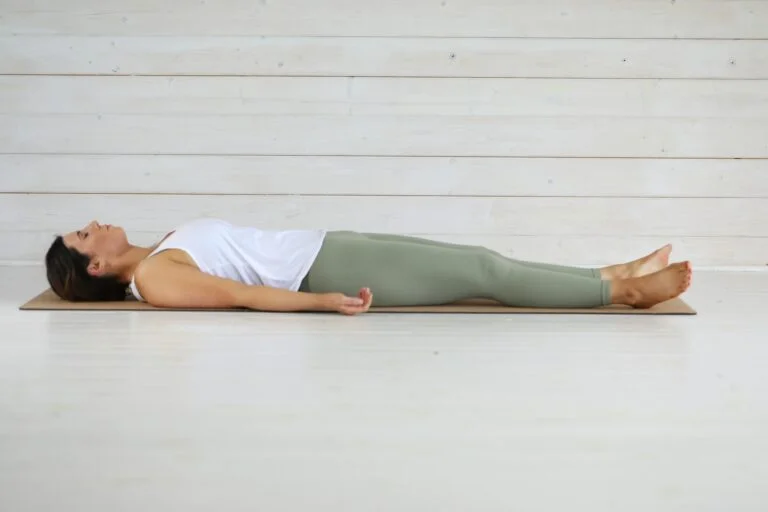
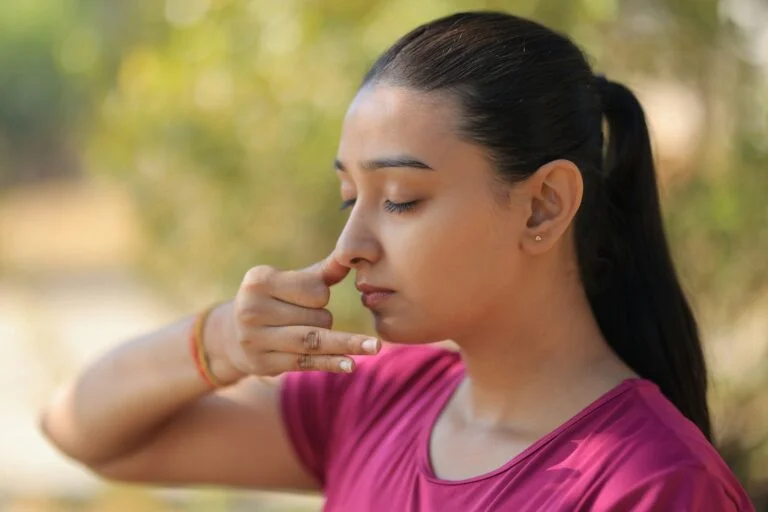
For stress, try 4-7-8 breathing or the quick techniques in how to relieve stress, and an unhurried bedtime routine.
Supplements and “cortisol belly caps”
Search Amazon and you’ll find cortisol belly capsules and “hormone balancing” blends. There’s no good evidence that any supplement targets belly fat.
- Ashwagandha is the herb most often sold for cortisol. Small trials in stressed adults measured stress scores and blood cortisol, not belly fat. Herbs have no authorised health claims in the UK, and the FSA is reviewing its safety. Read our ashwagandha UK safety review and what the research shows on ashwagandha and anxiety before you buy.
- Magnesium has authorised claims for tiredness, the nervous system and normal psychological function. It has no authorised claim for weight or belly fat.
Marketing red flags: promises to “melt”, “flush” or “detox” cortisol, before and after photos, and claims that a product works without changes to sleep, food or activity.
Where products can play a small part is a calmer evening. Our Magnesium Glycinate Sleep Complex is a bedtime drink with magnesium bisglycinate and citrate, glycine, L-theanine, chamomile, passionflower, hops and oat straw. Magnesium contributes to the reduction of tiredness and fatigue and to normal psychological function. Our Reishi Mushroom Adaptogenic Complex is a reishi hot chocolate made with reishi mushroom extract, organic cacao, maca, coconut milk powder and coconut sugar, a warm swap for an evening glass of wine. Cacao contains a little natural caffeine. Neither is a weight-loss product.
How to measure your waist
Rather than judging your tummy in the mirror, use the NHS check: try to keep your waist size to less than half your height. The NHS overweight and obesity page has a short video on measuring your waist, and its waist to height calculator is for people with a BMI under 35. See a GP if your waist is more than half your height and you’d like support, or if you also have high blood pressure, raised cholesterol or pre-diabetes.
How long does it take?
There’s no fixed timeline, and anyone promising a cortisol belly fix in a week is selling something. If you do want to lose weight, the NHS suggests a steady 0.5 to 1kg a week, and reminds you to be kind to yourself, because changing habits takes time.
See also the link between sleep and weight loss.
Looking for a realistic exercise routine? See Japanese walking for weight loss: what the research shows.
FAQs
Is cortisol belly real?
Partly. It isn’t a medical diagnosis, but long-term stress can affect appetite, sleep and where fat is stored. Age, menopause, genes, diet, alcohol and activity usually matter more.
What does a cortisol belly look like?
There’s no specific look. Fat on the tummy, upper back and face with slim arms and legs, purple stretch marks and easy bruising is different: see a GP, as it can be a sign of Cushing’s syndrome.
Can coffee cause cortisol belly?
Caffeine raises cortisol, but there’s no good evidence that normal coffee drinking causes belly fat. Keeping coffee to the morning is a sensible middle ground.
Do cortisol belly supplements work?
There’s no good evidence that any supplement targets belly fat. Ashwagandha trials measured stress and cortisol, not belly fat, and magnesium has no authorised claim for weight.
What is the best exercise for cortisol belly?
The NHS recommends 150 minutes of moderate activity a week plus strength work on 2 days. Ab exercises alone don’t reduce belly fat.
Can men get cortisol belly?
Yes. Men are more likely to store fat around the middle anyway, so a growing waist is usually down to age, food, alcohol, sleep and activity rather than stress alone.
Sources
- Society for Endocrinology, You and Your Hormones. Cortisol.
- NHS. Cushing’s syndrome.
- NHS. Symptoms of menopause and perimenopause.
- NHS. Overweight and obesity in adults.
- NHS. Bloating.
- NHS. Physical activity guidelines for adults aged 19 to 64.
- NHS. Alcohol units.
- NHS. The Eatwell Guide and How to get more fibre into your diet.
- NHS. Insomnia.
- NHS. 10 stress busters and Breathing exercises for stress.
- Epel ES and others (2000). Stress and body shape: stress-induced cortisol secretion is consistently greater among women with central fat. Psychosomatic Medicine.
- Jackson SE, Kirschbaum C, Steptoe A (2017). Hair cortisol and adiposity in a population-based sample of 2,527 men and women aged 54 to 87 years. Obesity.
- Incollingo Rodriguez AC and others (2015). Hypothalamic-pituitary-adrenal axis dysregulation and cortisol activity in obesity: a systematic review. Psychoneuroendocrinology.
- Spiegel K and others (2004). Sleep curtailment in healthy young men is associated with decreased leptin levels, elevated ghrelin levels, and increased hunger and appetite. Annals of Internal Medicine.
- Vispute SS and others (2011). The effect of abdominal exercise on abdominal fat. Journal of Strength and Conditioning Research.
- Leproult R and others (1997). Sleep loss results in an elevation of cortisol levels the next evening. Sleep.
- Davis SR and others (2012). Understanding weight gain at menopause. Climacteric.
- Shungin D and others (2015). New genetic loci link adipose and insulin biology to body fat distribution. Nature.
- Karastergiou K, Fried SK (2017). Cellular mechanisms driving sex differences in adipose tissue biology and body shape in humans and mouse models. Advances in Experimental Medicine and Biology.
- Lovallo WR and others (2005). Caffeine stimulation of cortisol secretion across the waking hours in relation to caffeine intake levels. Psychosomatic Medicine.
- Badrick E and others (2008). The relationship between alcohol consumption and cortisol secretion in an aging cohort. Journal of Clinical Endocrinology and Metabolism.
- Chandrasekhar K and others (2012). A prospective, randomized double-blind, placebo-controlled study of safety and efficacy of a high-concentration full-spectrum extract of ashwagandha root in reducing stress and anxiety in adults. Indian Journal of Psychological Medicine.
- Food Standards Agency, gov.uk. Summary of responses to call for evidence on ashwagandha.
This guide is general information, not medical advice. Evopure makes the Magnesium Glycinate Sleep Complex and Reishi Mushroom Adaptogenic Complex.