










Last updated: October 2026
Adaptogens are herbs and mushrooms traditionally used to help the body cope with stress. For energy, rhodiola has the most relevant evidence, with a trial in stress-related fatigue, though overall results are mixed. Ashwagandha is better studied for stress and cortisol than energy. Ginseng, maca and cordyceps have limited or inconsistent evidence. None replaces sleep, food and exercise.
Below: what adaptogens are, the main adaptogens for energy ranked by evidence, how to choose and take them, and safety, including the UK’s review of ashwagandha.
What are adaptogens?
The term was coined by Soviet scientists in the mid-20th century for plants thought to increase resistance to stress without disturbing normal body functions. It isn’t a recognised medical or regulatory category in the UK, and adaptogens can’t legally claim to treat or prevent any condition. Common examples are ashwagandha, rhodiola, ginseng, maca, and mushrooms such as reishi and cordyceps.
Best adaptogens for energy, ranked by evidence
| Adaptogen | Traditionally used for | Evidence for energy or fatigue |
|---|---|---|
| Rhodiola | Mental fatigue, stress | Mixed. A 2009 trial in stress-related fatigue found improvements on a burnout scale and attention versus placebo; a review found results contradictory and studies often flawed |
| Ashwagandha | Stress, sleep | Not really for energy. Meta-analyses found lower cortisol; one also found less perceived stress and anxiety, another didn’t |
| Ginseng | Energy, stamina | Weak. A 2023 meta-analysis of 19 trials found no significant overall reduction in fatigue |
| Cordyceps | Stamina, exercise | Limited: small studies on exercise tolerance |
| Maca | Energy, libido | Limited and mixed |
| Reishi | Calm, evening use | Not an energy herb; a small trial found less fatigue in people with neurasthenia |
Each adaptogen in more detail
Rhodiola
Grows in cold, mountainous regions. In a 2009 Swedish trial of 60 people with stress-related fatigue, a rhodiola extract for 28 days improved burnout scores and some attention measures more than placebo, though both groups improved. See ashwagandha vs rhodiola.
Ashwagandha
An Ayurvedic root mostly studied for stress and sleep. A 2024 meta-analysis of 9 trials found reductions in perceived stress, anxiety and cortisol; a 2025 meta-analysis found lower cortisol but no clear effect on perceived stress. The FSA is reviewing its safety. See what ashwagandha does and ashwagandha side effects.
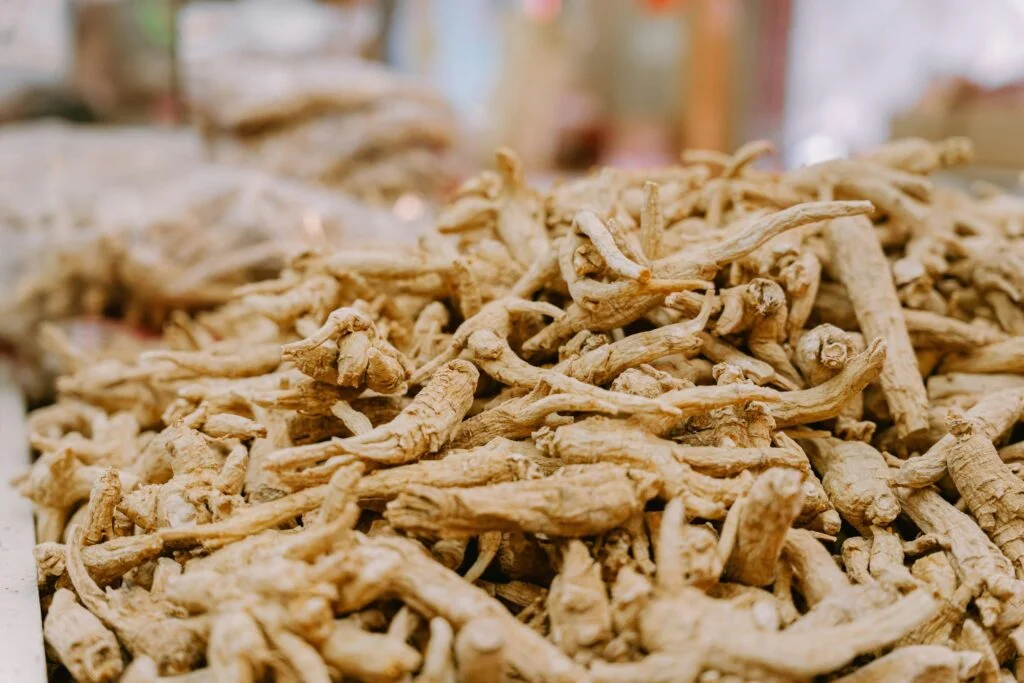
Ginseng
Asian (Panax) ginseng has long been used for energy, but a 2023 meta-analysis of 19 trials found no significant overall effect on fatigue, with only small effects for some herbal formulas.
Maca and cordyceps
Both are popular for energy, with limited human evidence. See maca root benefits and cordyceps.
How to take adaptogens
- Choose one at a time so you can tell what’s helping.
- Follow the label dose and give it 4 to 8 weeks.
- Match the timing: rhodiola and maca are usually taken in the morning; ashwagandha and reishi often later in the day.
- Pick a tested product with the extract and amount clearly stated.
- Keep the basics first: sleep, food and movement do more. See how to boost energy naturally.
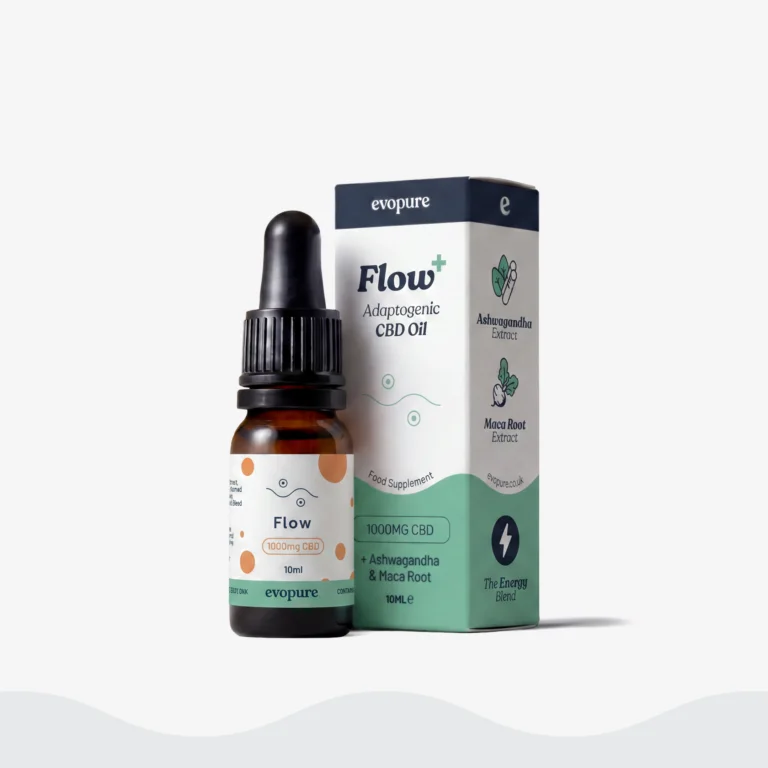
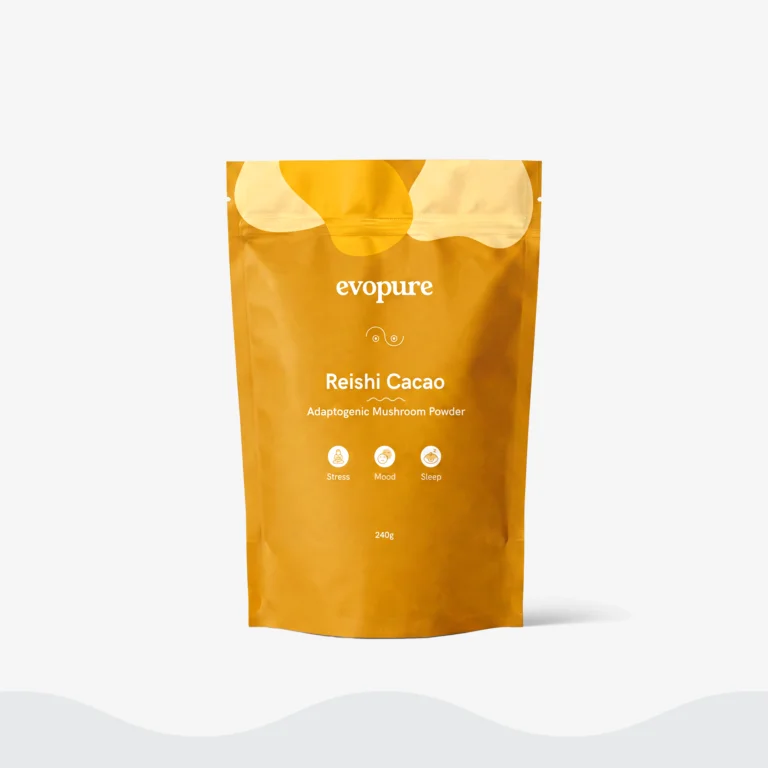
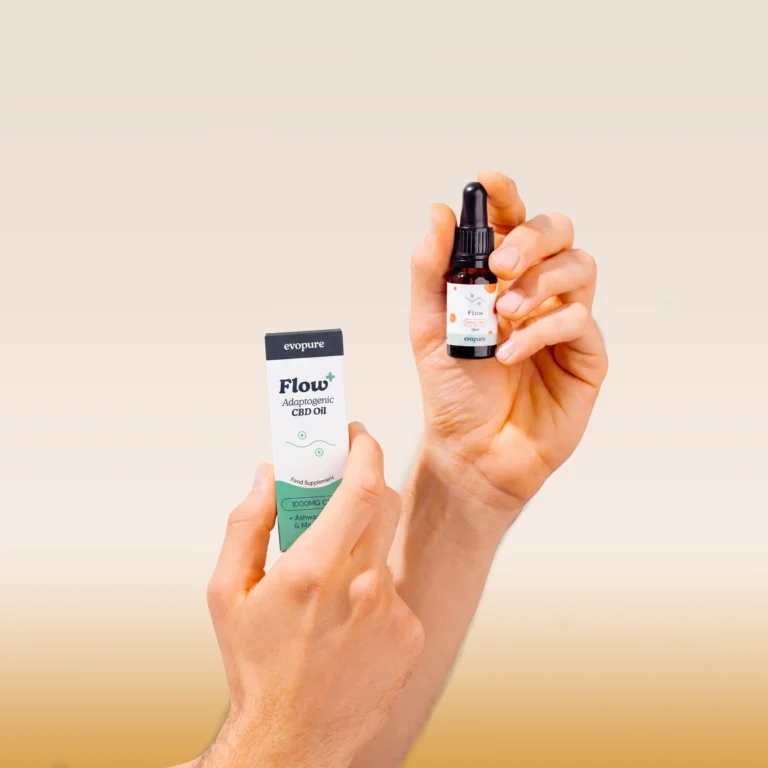
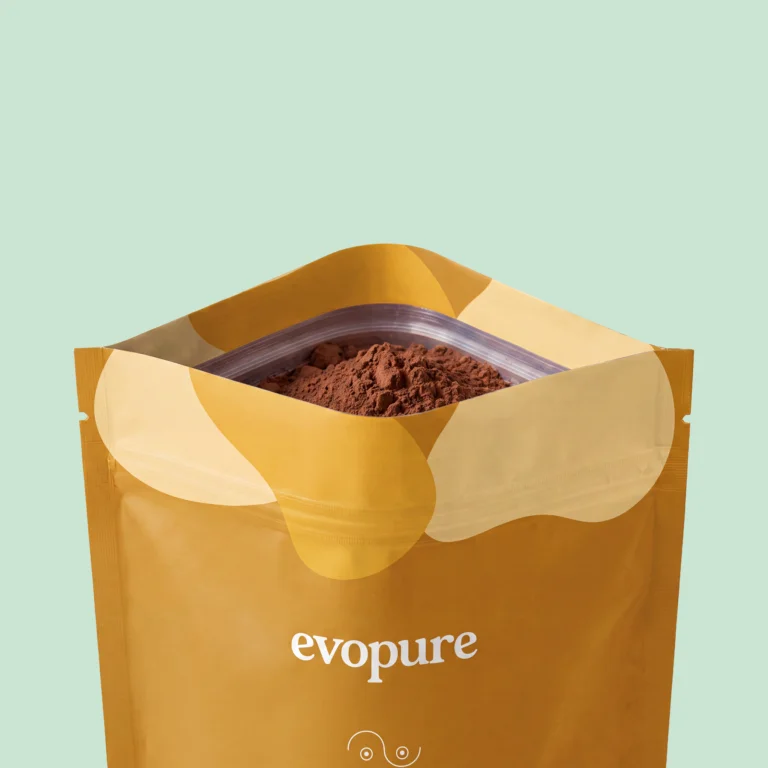
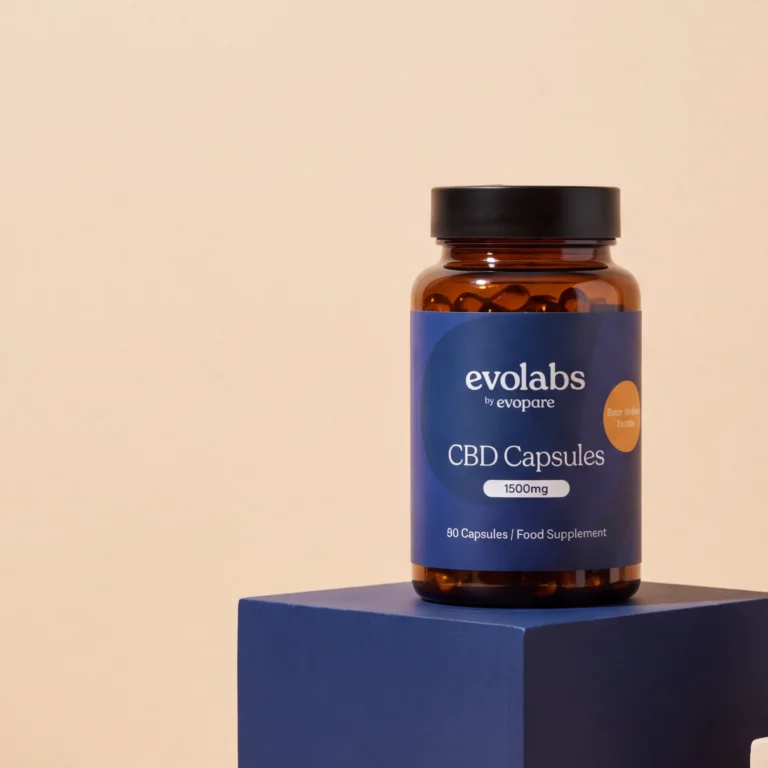
Our Flow CBD Oil combines broad spectrum CBD with ashwagandha and maca for daytime routines, and our Reishi Mushroom Adaptogenic Complex is a warm cacao drink. See adaptogenic mushrooms and best supplements for energy.
Safety and who should avoid them
- Check with your GP or pharmacist if you take medicines, especially for thyroid, blood pressure, diabetes, mood or immunity, or blood thinners.
- Avoid ashwagandha if you have a thyroid or liver condition, and stop if you notice signs of liver problems such as yellow skin or dark urine.
- We don’t recommend our products during pregnancy or breastfeeding, and they’re for adults only.
- The FSA advises healthy adults to take no more than 10mg of CBD a day. That figure is precautionary advice rather than a legal limit, set while longer-term safety research continues. At Evopure we think it is a very cautious figure, and many adults use more. If you go above it, increase slowly, and check with your GP or pharmacist first if you take any medication.
FAQs
What is the best adaptogen for energy?
Rhodiola has the most relevant evidence, mainly for mental fatigue under stress, but results are mixed. Ginseng, maca and cordyceps have weaker evidence.
Does ashwagandha give you energy?
It’s mainly studied for stress and sleep rather than energy. Some trials found lower cortisol and stress.
What are adaptogens?
Herbs and mushrooms traditionally used to help the body cope with stress, such as ashwagandha, rhodiola, ginseng, maca and reishi.
How long do adaptogens take to work?
Most trials ran for 4 to 8 weeks, so give one a month or two before judging.
Are adaptogens safe?
Most are well tolerated, but they can interact with medicines. Check with a pharmacist, and avoid ashwagandha with thyroid or liver conditions.
Sources
- Olsson EM et al (2009). A randomised, double-blind, placebo-controlled, parallel-group study of the standardised extract SHR-5 of the roots of Rhodiola rosea in the treatment of subjects with stress-related fatigue. Planta Medica.
- Ishaque S et al (2012). Rhodiola rosea for physical and mental fatigue: a systematic review. BMC Complementary and Alternative Medicine.
- Arumugam V et al (2024). Effects of ashwagandha (Withania somnifera) on stress and anxiety: a systematic review and meta-analysis. Explore.
- Albalawi AA (2025). Dual impact of ashwagandha: significant cortisol reduction but no effects on perceived stress. Nutrition and Health.
- Li X et al (2023). Ginseng and ginseng herbal formulas for symptomatic management of fatigue: a systematic review and meta-analysis. Journal of Integrative and Complementary Medicine.
- Tang W et al (2005). A randomized, double-blind and placebo-controlled study of a Ganoderma lucidum polysaccharide extract in neurasthenia. Journal of Medicinal Food.
This guide is general information, not medical advice. Evopure makes the Flow CBD Oil and Reishi Mushroom Adaptogenic Complex.