


Last updated: October 2026
Hangxiety is the anxiety, dread or guilt many people feel the day after drinking. It happens because alcohol disrupts sleep and brain chemistry, and as it wears off your nervous system rebounds into a jittery, on-edge state. It usually fades within a day. Water, food, gentle movement and rest help, and drinking less is the only reliable prevention.
Below: what hangxiety feels like, why it happens, how long it lasts, what helps on the day, how to prevent it, and when it’s a sign to look at your drinking.
What is hangxiety?
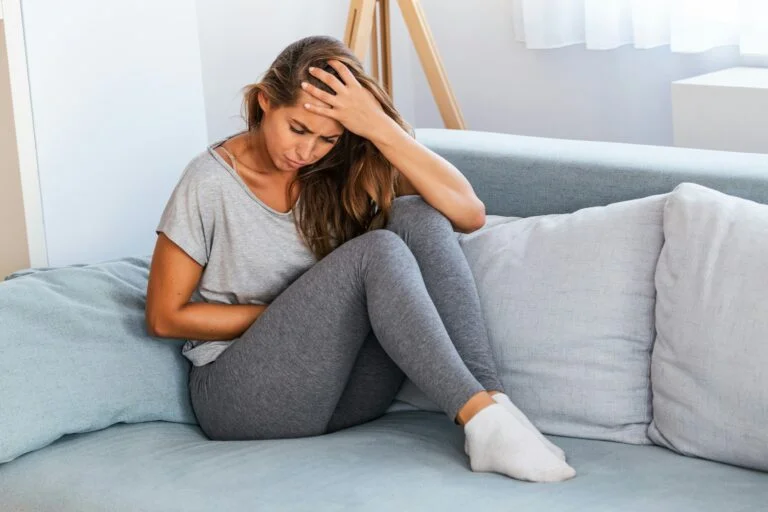
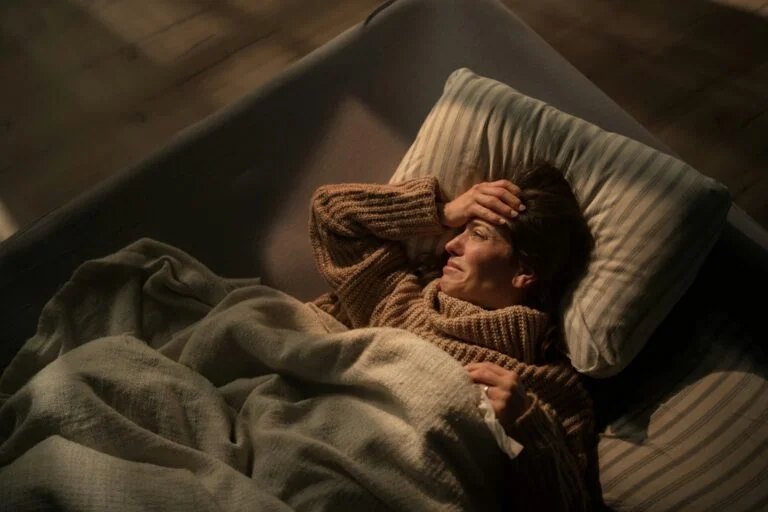
“Hangxiety” (hangover plus anxiety) isn’t a medical term, but it describes something very real. Common symptoms include:
- a sense of dread or doom, often without a clear reason
- replaying the night and worrying about what you said or did
- guilt or shame
- a racing heart, shakiness or sweating
- feeling jumpy, irritable or unable to settle
- low mood and tiredness
Why does alcohol cause anxiety the next day?
| Reason | What happens |
|---|---|
| Rebound | Alcohol has a calming, sedating effect. As it wears off, your brain overcorrects, leaving you more on edge than before you drank. This is a mini version of withdrawal. |
| Broken sleep | Alcohol may help you fall asleep but disrupts sleep later in the night, and poor sleep makes anxiety worse |
| Dehydration and low blood sugar | Can cause shakiness, headaches and a racing heart that feel like anxiety |
| Memory gaps | Not remembering parts of the night fuels worry about what happened |
| Existing anxiety or low mood | A 2022 study of 690 drinkers found poorer mood and lower resilience were linked with more severe hangovers |
How long does hangxiety last?
For most people it eases over the course of the day, often worst in the morning and fading by evening as the alcohol clears and you eat, drink water and rest. A 2023 study found hangover symptoms in sensitive drinkers were still present into the afternoon after a heavy night. After a very heavy session, or several days of drinking, it can drag into a second day.
How to get rid of hangxiety
- Drink water steadily through the morning.
- Eat something: a proper breakfast with carbohydrate and protein steadies blood sugar.
- Go easy on caffeine. One coffee is fine, but more can make the jitters worse. See does caffeine cause anxiety?
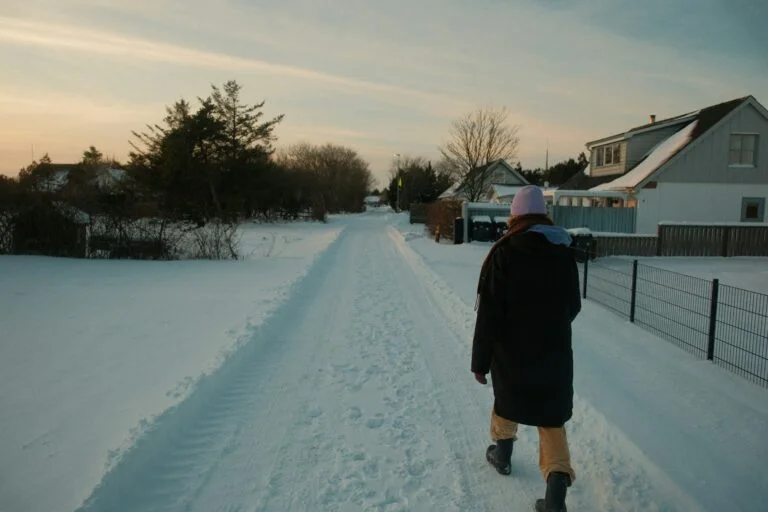
- Get outside for a gentle walk and some daylight.
- Slow your breathing with a long out-breath. See nervous system regulation.
- Name it: “This is hangxiety, it’s chemical, and it will pass.” The worst-case thoughts usually aren’t accurate.
- Don’t drink more (“hair of the dog”); it only delays the rebound.
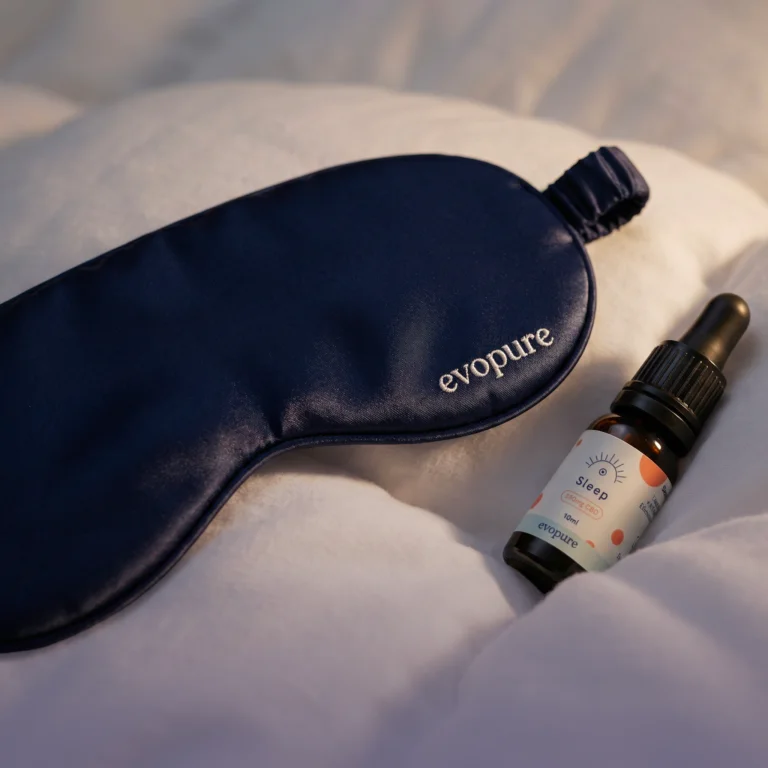
- Plan an early night with a calming wind-down.
How to prevent hangxiety
- Drink less: set a limit before you go out, and alternate each drink with water or an alcohol-free one.
- Eat before and while drinking.
- Avoid drinking to cope with stress or social anxiety; it often makes the next day worse.
- Keep within the NHS guideline of no more than 14 units a week, spread over 3 or more days.
- Try alcohol-free nights or a month off. See Dry January and damp drinking.
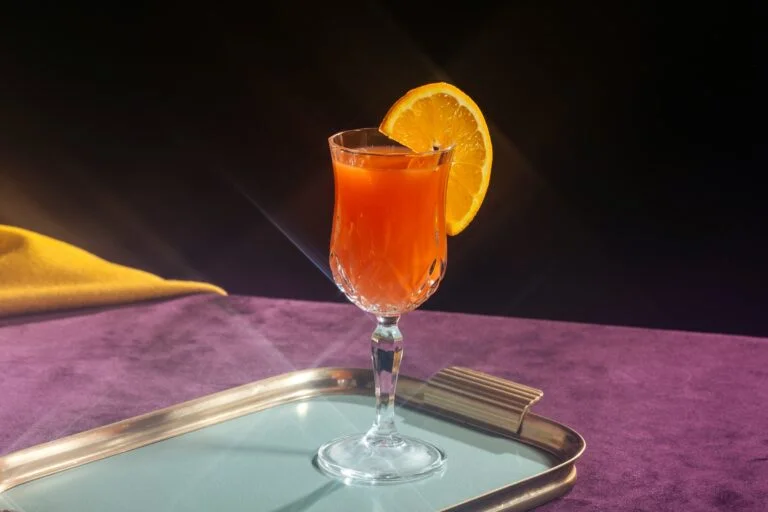
- Swap the nightcap for a warm alcohol-free drink. See alcohol-free nightcaps.
Magnesium contributes to normal psychological function and the reduction of tiredness and fatigue, and a warm magnesium drink can be a nice alternative evening ritual.
When hangxiety is a warning sign
It may be time to look at your drinking, and talk to your GP, if:
- you get hangxiety most weekends or more often
- you drink to calm the anxiety from the night before
- you feel shaky, sweaty or anxious whenever you go without alcohol
- you regularly drink more than you planned
If you drink heavily every day, don’t stop suddenly without advice, as withdrawal can be dangerous. Your GP and the NHS alcohol support services can help. If you feel anxious most days, drinking or not, see your GP. See also anxiety at night.
FAQs
Is hangxiety real?
Yes. It isn’t a medical diagnosis, but next-day anxiety after drinking is common, driven by alcohol’s rebound effect, poor sleep and dehydration.
How long does hangxiety last?
Usually it eases over the day and is gone by evening. After very heavy drinking it can last into a second day.
What is the fastest way to get rid of hangxiety?
Water, a proper meal, a walk in daylight and slow breathing. Avoid extra caffeine and don’t drink more alcohol.
Why do I feel guilty after drinking?
Alcohol lowers mood the next day and memory gaps fuel worry about what happened. The feeling usually fades as the alcohol clears.
Can hangxiety last for days?
Occasionally, after heavy or repeated drinking. If anxiety lasts for days or happens often, talk to your GP.
Sources
- Terpstra C et al (2022). Associations between mental resilience, mood, coping, personality, and hangover severity. Journal of Clinical Medicine.
- Mackus M et al (2023). Differences in next-day adverse effects and impact on mood of an evening of heavy alcohol consumption between hangover-sensitive drinkers and hangover-resistant drinkers. Journal of Clinical Medicine.
- Ebrahim IO et al (2013). Alcohol and sleep I: effects on normal sleep. Alcoholism: Clinical and Experimental Research.
- NHS. The risks of drinking too much.
- NHS. Alcohol support.
This guide is general information, not medical advice. Evopure makes the Reishi Mushroom Adaptogenic Complex and Magnesium Glycinate Sleep Complex.