















Last updated: October 2026
Common signs of stress in men include irritability, poor sleep, headaches, muscle tension, stomach problems and drinking more than usual. Men are often slower to talk about stress, and in England and Wales they are around three times more likely than women to die by suicide. Small steps help: better sleep, movement, talking to someone, and getting support early.
November is Movember, the month when men grow moustaches to raise money and awareness for men’s health. This guide covers the signs of stress in men, what it does to the body, how it wrecks sleep (and how to fix that), how to support a mate who is struggling, and where to get help.
What is Movember?
Movember is a charity and an annual campaign that started in Australia in 2003. Every November, people grow a moustache, run or take on challenges to raise money for three causes: mental health and suicide prevention, prostate cancer and testicular cancer. Its message is simple: too many men are dying too young.
Stress is where a lot of men’s health problems start, which is why this guide focuses on it. If you want to get involved, you can sign up through the Movember website.
Signs of stress in men
Stress affects everyone, but men often show it differently or explain it away. Watch for changes in three areas:
| Emotional | Physical | Behaviour |
|---|---|---|
| Irritable, angry or short-tempered | Headaches and muscle pain | Drinking more or relying on caffeine |
| Worried, anxious or overwhelmed | Stomach problems | Working longer hours or switching off from family |
| Struggling to make decisions | Feeling dizzy, sick or faint | Withdrawing from friends |
| Racing thoughts | Skin rashes | Sleeping badly or much more than usual |
| Feeling low or hopeless | Chest tightness or a racing heart | Losing interest in sex or hobbies |
The NHS notes that long-term or severe stress can lead to physical, mental and emotional exhaustion, often called burnout. Chest pain should always be checked by a doctor rather than assumed to be stress.
What stress does to a man’s body
When you are stressed, your body releases adrenaline and cortisol to get you ready for action. That is useful in short bursts. When stress goes on for weeks or months, the same response can:
- keep you wired at night and disrupt your sleep
- raise your blood pressure while stress is high
- cause headaches, a tight jaw, neck and shoulder pain
- upset your stomach and digestion
- lower your sex drive and energy
- make you more likely to reach for alcohol, snacks or nicotine
Read more in our guide on how to lower cortisol naturally.
Stress and sleep: breaking the cycle
Stress and poor sleep feed each other. Stress makes it harder to switch off, and a bad night leaves you less able to cope the next day. Most adults do best on around 7 to 9 hours a night. Simple ways to break the cycle:
- Keep the same bedtime and wake time, even at weekends.
- Cut caffeine after early afternoon.
- Go easy on alcohol. It helps you nod off but makes sleep lighter and more broken.
- Put the phone down an hour before bed. Work emails at 11pm keep your brain in daytime mode.
- Get daylight and move every day. A walk at lunchtime counts.
- Build a short wind-down routine. Same steps, same time, every night.
The clocks go back on 25 October, so it is a good month to reset. See our 5-day plan for when the clocks go back and why you might wake up at 3am.
Simple ways to manage stress
- Talk to someone. A mate, partner, family member or colleague. Saying it out loud often takes the edge off.
- Move. Exercise is one of the best-proven ways to reduce stress, and it does not need to be the gym. Walking, football or a bike ride all count.
- Break problems down. Write the list, pick one thing and do it.
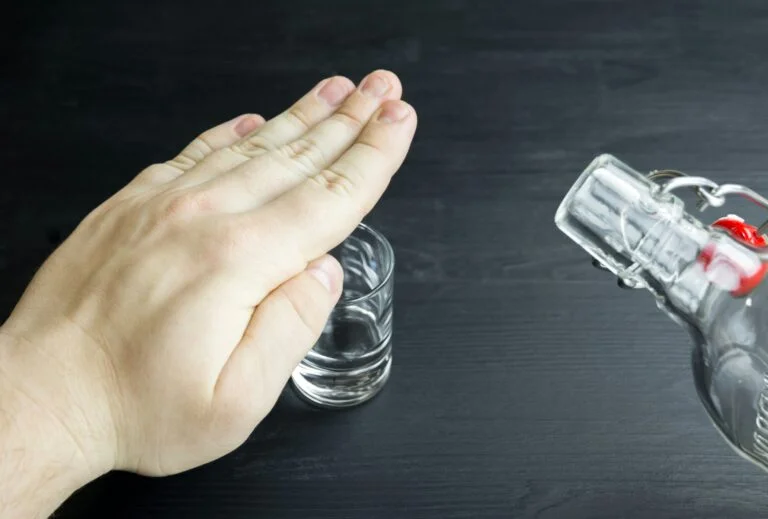
- Watch the drink. Alcohol makes anxiety and sleep worse. If you are cutting back, see our alcohol-free nightcaps.
- Look after the basics. Regular meals, water and daylight.
Where supplements fit
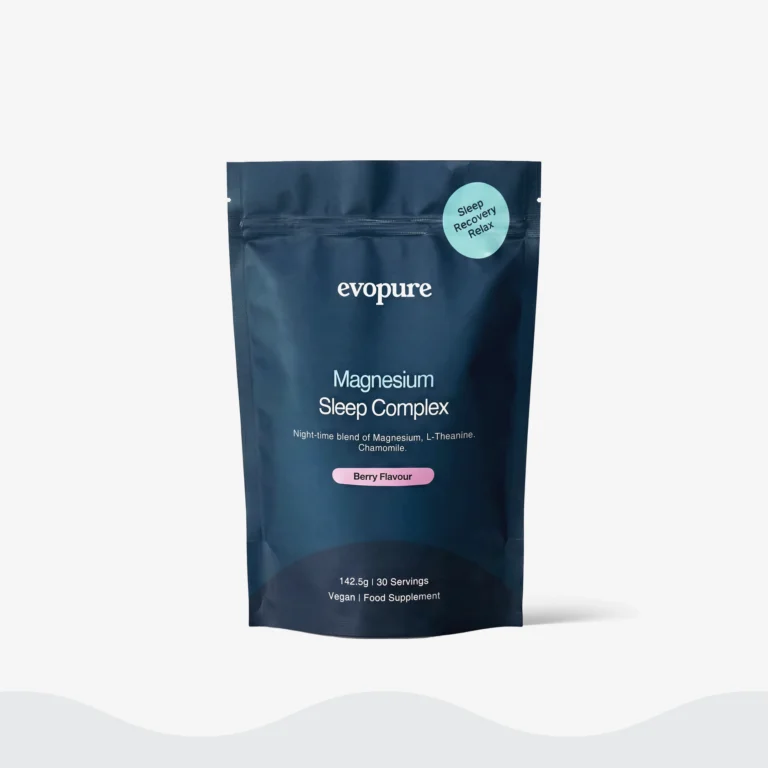
Supplements are not a fix for stress, but some men find they help as part of a routine. Magnesium contributes to the normal functioning of the nervous system, normal psychological function and the reduction of tiredness and fatigue. Read our guides to magnesium for anxiety and magnesium glycinate. Many men also take CBD or ashwagandha; if you are considering ashwagandha, read ashwagandha side effects for men first.
How to support a man who is struggling
Many men won’t bring it up themselves, so it often comes down to a friend noticing. Movember’s own advice centres on asking, listening and encouraging action. In practice:
- Ask, then ask again. “How are you, really?” The second time is often when the real answer comes.
- Listen without fixing. You don’t need the answers. Just let him talk.
- Encourage action. Suggest a GP appointment, a helpline or doing something together.
- Check in. A message a few days later shows you meant it.
Side by side often works better than face to face: a walk, a drive or watching the match.
When and where to get help
Speak to your GP if stress is affecting your sleep, work or relationships for more than a couple of weeks, or if you are relying on alcohol to cope. In England, you can also refer yourself to NHS Talking Therapies without seeing a GP.
If you need to talk now:
- Samaritans: call 116 123, free, any time, day or night
- CALM (Campaign Against Living Miserably): call 0800 58 58 58, 5pm to midnight every day
- Shout: text SHOUT to 85258, any time
- NHS 111: for urgent mental health help
- 999: if you or someone else is in immediate danger
The other Movember checks: prostate and testicles
Movember also raises money for prostate and testicular cancer. Two simple habits:
- Check your testicles once a month. The NHS advises seeing a GP if you find a lump or swelling, if a testicle gets bigger, if your scrotum feels heavy or hard, or if you have an ache or pain there.
- Don’t ignore trouble peeing. See a GP if you are having trouble peeing or are worried about your prostate cancer risk. You can ask your GP about a PSA blood test.
Most changes turn out not to be cancer, but getting checked early is what matters.
Looking for a present? See our wellness gifts for him and her.
FAQs
What are the signs of stress in men?
Common signs include irritability or anger, poor sleep, headaches, muscle tension, stomach problems, drinking more, withdrawing from friends and losing interest in sex or hobbies.
How does stress affect a man’s body?
Long-term stress keeps stress hormones such as cortisol raised, which can disrupt sleep, raise blood pressure, cause headaches and muscle pain, upset digestion and lower sex drive.
How many hours of sleep does a man need?
Most adults do best on around 7 to 9 hours a night. A consistent bedtime and wake time matters as much as the total.
What is Movember?
Movember is a charity that raises money every November for men’s mental health and suicide prevention, prostate cancer and testicular cancer, mainly by people growing moustaches.
Why is men’s mental health important?
Men are often less likely to talk about how they feel or seek help, and in England and Wales they are around three times more likely than women to die by suicide.
Where can men get mental health support in the UK?
Talk to your GP, refer yourself to NHS Talking Therapies in England, or call Samaritans on 116 123 or CALM on 0800 58 58 58. In an emergency, call 999.
Sources
- NHS Every Mind Matters. Stress.
- Office for National Statistics. Suicides in England and Wales.
- Movember. Our cause.
- NHS. Testicular cancer symptoms and prostate cancer symptoms.
- Samaritans: 116 123. CALM: 0800 58 58 58. Shout: text 85258.
This guide is general information, not medical advice.