Free shipping on orders over £45
UK-made & lab-tested
Third-party tested for purity
Better nights, better days.
Pure, tested, made properly.
The Journal
Evidence-led guides from the Evopure team on sleep, stress, recovery and the supplements behind them. No hype and no miracle claims, just what the research says and how to use it.
Written by the Evopure team · Checked against UK guidance · General information, not medical advice
Latest
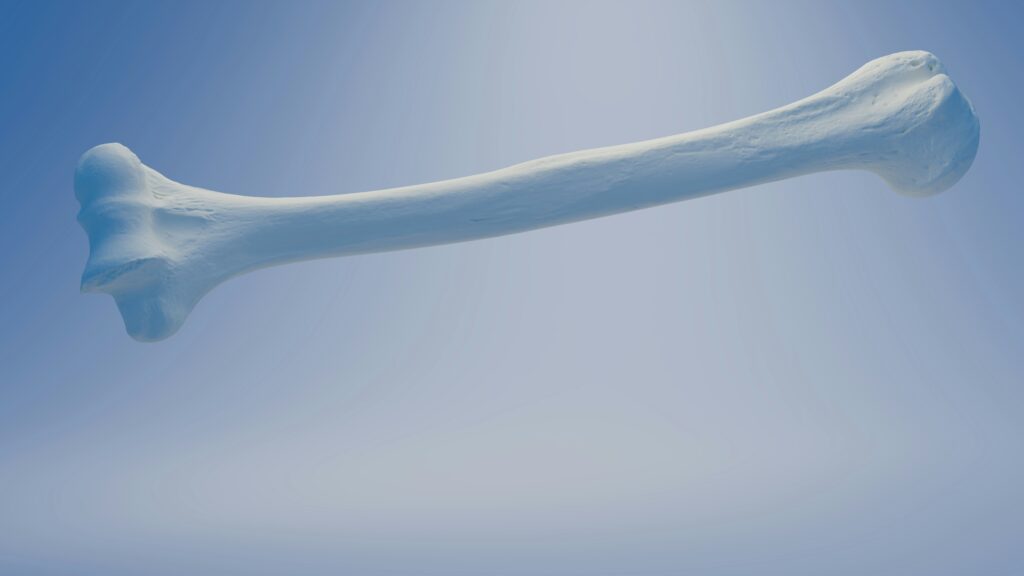
Magnesium helps activate vitamin D and builds the collagen framework that calcium hardens onto later. Around 60% of it lives in your skeleton, not your bloodstream.

By The Evopure team··3 min read
Ever noticed puffiness or swelling in your hands, legs, ankles or feet? For many people — particularly women — water retention is
Magnesium comes in many forms, but not all are created equal. Choosing the right type can make a huge difference in how
If you’ve been searching for magnesium glycinate, there’s a good chance you’re trying to solve sleep issues (can’t switch off, restless nights,
Magnesium is one of the most overlooked nutrients — yet up to 70% of people may be deficient. Here’s how to tell
Constipation affects around 1 in 7 adults and up to 1 in 3 children in the UK at any given time.
Magnesium is involved in over 300 enzymatic reactions in the body. If you’ve just started supplementing, you’re likely wondering: when should I
In 2026, “magnesium” is one of the biggest supplement searches in the UK — but most people get stuck on the same
When we created our Evolabs Mint CBD Oil, we wanted it to be more than just great-tasting — we wanted it to
A swollen, tight belly? Feeling like you have a balloon in your stomach? Bloating is really uncomfortable, and many people turn to
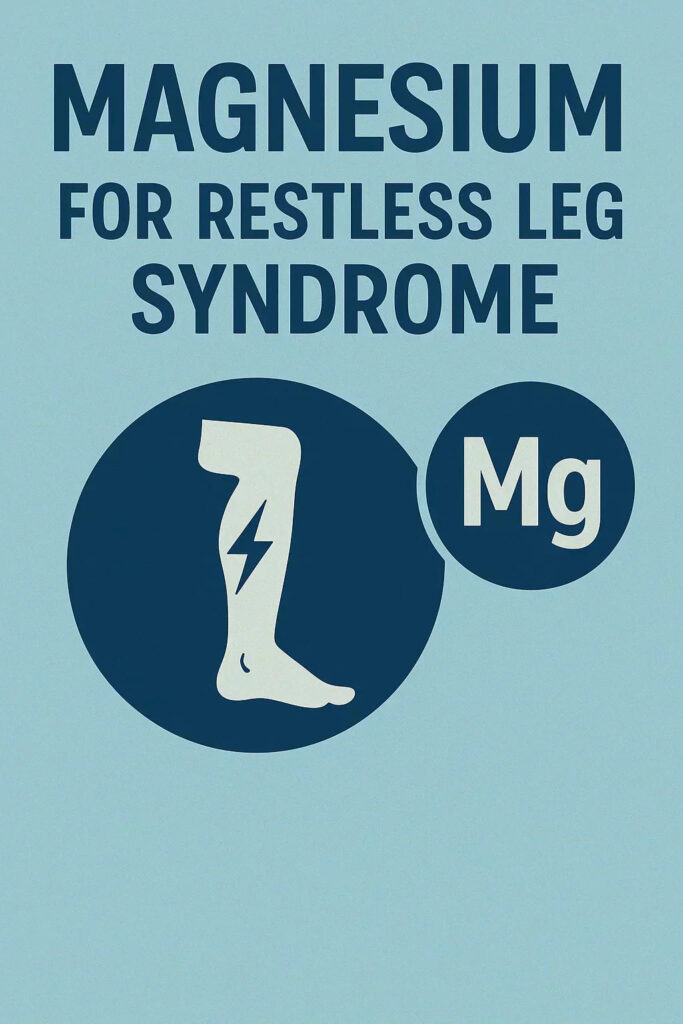
Restless leg syndrome (RLS) causes unpleasant sensations — itching, burning, crawling — in the feet and lower legs, often with an irresistible
Whether you’ve opted for magnesium powder, a transdermal spray, or even a capsule, you’re probably looking to discover the same crucial piece
Migraines affect around 10 million adults in the UK, and are 2–3 times more common in women than men.