







Last updated: October 2026
Vitabiotics Ultra Magnesium contains magnesium hydroxide, not glycinate or citrate. When we checked vitabiotics.com in October 2026, two tablets gave 375mg of magnesium (100% NRV), taken with your main meal. The label uses authorised claims such as tiredness and fatigue, but makes no sleep claim, and no sleep claim for magnesium is authorised in the UK.
Below: ingredients, absorption, the other Vitabiotics magnesium products, sleep, side effects, daily amounts and a comparison with glycinate. These are facts from the label and the research, not a review.
Looking for magnesium glycinate? Our Magnesium Glycinate Sleep Complex is a berry powder with magnesium bisglycinate and citrate (148mg magnesium per serving), glycine and L-theanine. Magnesium contributes to a reduction of tiredness and fatigue. Evopure isn’t connected with Vitabiotics.
What form of magnesium is in Vitabiotics Ultra Magnesium?
Magnesium hydroxide. Vitabiotics’ own FAQ says so, adding that hydroxide has “a high amount of elemental, or actual, magnesium per weight”. Here is what the label showed on 23 October 2026:
| Detail | Per the Vitabiotics label |
|---|---|
| Magnesium form | Magnesium hydroxide |
| Magnesium per 2 tablets | 375mg (100% NRV) |
| Per tablet | About 188mg (our sum) |
| Other nutrients | None listed (no vitamin B6) |
| Directions | 2 tablets a day with your main meal |
| Pack | 60 tablets, one month |
| Suitable for | Vegetarians and vegans; gluten free |
Full ingredients: magnesium hydroxide, then bulking agents (microcrystalline cellulose, dibasic calcium phosphate and potato starch), a tablet coating (hydroxypropylmethylcellulose, glycerin and calcium carbonate as a colour), anti-caking agents (silicon dioxide, stearic acid, purified talc and magnesium stearate) and polyvinylpyrrolidone.
What the label says it’s for: Vitabiotics uses authorised magnesium claims, such as the reduction of tiredness and fatigue, normal muscle and nervous system function, normal psychological function and normal bones and teeth. Its FAQ says it may suit people with hectic lives, those wanting extra bone support and the over 50s. New to the forms? See types of magnesium.
Is magnesium hydroxide well absorbed?
There is less research on hydroxide than on citrate, oxide or glycinate, and the studies that exist are small:
- A Norwegian study of 18 female students compared magnesium hydroxide tablets with citrate and lactate tablets and a chloride solution. Magnesium in the urine, a common way to estimate absorption, rose by a similar amount with each.
- A 2025 crossover study in 20 young adults compared seawater-derived magnesium hydroxide with seawater-derived magnesium citrate at the same magnesium dose. Both raised absorption compared with placebo, and they didn’t differ from each other.
People often mix hydroxide up with magnesium oxide, which is a different compound. The well-known studies showing low absorption, a US study finding about 4% absorbed and a UK trial where citrate was better absorbed than oxide over 60 days, tested oxide, not hydroxide. No study has tested Ultra Magnesium itself. See our magnesium oxide guide and magnesium citrate guide.
Your stomach. Magnesium hydroxide is also the active ingredient in milk of magnesia, a laxative, and in some antacids. It works by drawing water into the bowel. That doesn’t make a supplement a laxative, but it’s why loose stools are the side effect to watch for, as with most magnesium. More in magnesium for constipation.
Other Vitabiotics magnesium products
“Is Vitabiotics magnesium glycinate or citrate?” depends on which product you mean. On 23 October 2026 vitabiotics.com listed three:
| Product | Magnesium form | Per daily serving | Serving |
|---|---|---|---|
| Ultra Magnesium | Hydroxide | 375mg | 2 tablets |
| Ultra Magnesium 3-in-1 Complex | Citrate, malate, bisglycinate | 375mg (125mg each) | 3 tablets |
| Ultra Magnesium Gummies | Citrate, plus vitamin B6 | 300mg | 2 gummies |
So the 3-in-1 Complex is the Vitabiotics product with glycinate in it, as one of three forms. The gummies list sucrose and glucose syrup in their ingredients. Vitabiotics says the tablets aren’t suitable for children and the gummies aren’t suitable for under 12s. For blends of several forms, see magnesium complex and magnesium malate.
Is Vitabiotics magnesium good for sleep?
Vitabiotics doesn’t describe Ultra Magnesium as a sleep product: sleep isn’t mentioned on the product page. That’s in line with UK rules: there is no authorised health claim linking magnesium to sleep.
Here is where the research on magnesium and sleep stands:
- A 2021 review found just three trials in 151 older adults. People fell asleep about 17 minutes faster than with placebo, but the authors rated the evidence low to very low quality.
- A 2025 German trial gave 155 adults with poor sleep 250mg of magnesium as bisglycinate or a placebo. Insomnia scores improved a little more with magnesium at 4 weeks; the authors called the effect small.
- We found no sleep trials using magnesium hydroxide.
Magnesium isn’t a sedative, so most people shouldn’t expect to feel sleepy after a tablet. See does magnesium make you sleepy? and our full guide to magnesium for sleep. If poor sleep goes on for weeks, speak to your GP, and see our sleep hygiene guide.
Vitabiotics Ultra Magnesium side effects and who should check first
The product page has no side effects section, so these come from magnesium in general:
- Loose stools or diarrhoea: the most common one. The NHS says more than 400mg of magnesium for a short time can cause diarrhoea. Vitabiotics’ directions are to take it with your main meal.
- Medicines: Vitabiotics says Ultra Magnesium can generally be used alongside medication, and to ask your doctor or pharmacist for specific advice. The NHS advises leaving 2 to 4 hours between antacids (some contain magnesium hydroxide) and other medicines.
- Kidney disease: high blood magnesium is most often seen in kidney failure, so check with your GP or kidney team first.
- Label warnings: Vitabiotics says to check with your doctor or pharmacist if you are under medical supervision, have epilepsy or have food allergies. It’s made on a site that may handle nuts and peanuts.
Pregnancy and children: Vitabiotics says the tablets aren’t suitable for children. Speak to your midwife, GP or pharmacist before taking any supplement in pregnancy, and see magnesium in pregnancy and magnesium for kids. More detail in our magnesium side effects guide.
How much magnesium a day, and adding it up
The NHS says adults need 300mg a day (men) or 270mg (women), and that 400mg or less a day from supplements is unlikely to cause harm. The “100% NRV” on the label means 375mg is the nutrient reference value used for labelling, which is set higher than the NHS figures. Magnesium from food doesn’t count towards the 400mg.
| Your supplements | Added magnesium | Against the NHS 400mg |
|---|---|---|
| 2 Ultra Magnesium tablets | 375mg | Within |
| 2 tablets plus a multivitamin with 100mg | 475mg | Over |
| 2 tablets plus a 120mg magnesium drink | 495mg | Over |
Taking it with vitamin D, zinc or calcium? Vitabiotics says it can generally be used with its other products. See magnesium and vitamin D, magnesium and zinc and magnesium and calcium, plus how much magnesium per day for the full picture.
When to take it: Vitabiotics says two tablets a day with your main meal, swallowed with water and not chewed, and that results build over several weeks of regular use. See the best time to take magnesium and how long magnesium takes to work.
Vitabiotics Ultra Magnesium vs magnesium glycinate
Many people search for this because glycinate is popular for evening routines. A neutral comparison:
| Question | Ultra Magnesium (per label) | Magnesium glycinate | Notes |
|---|---|---|---|
| What is it? | Magnesium hydroxide | Magnesium bound to glycine | Glycine is an amino acid |
| Magnesium per dose | 375mg in 2 tablets | Varies by product | Compare elemental mg |
| Absorption research | Two small studies | A few small studies | Not compared head to head |
| Stomach | Take with a meal | Better tolerated in one small trial | Any form can loosen stools |
| Sleep claim | None | None authorised | Applies to all magnesium |
| Format | Swallowed tablet | Tablets, capsules, powders | Pick what you’ll take |
In one small trial in 12 people who had part of their bowel removed, glycinate was absorbed as well as oxide overall, better in those who absorbed least, and better tolerated by all. The most important thing for any form is to take an amount within the NHS guide, regularly. See magnesium glycinate and magnesium powder vs tablets.
Where Evopure fits
Evopure isn’t connected with Vitabiotics. If you’d like a magnesium glycinate powder or something for an evening routine, here’s what we make. They’re different products, not like-for-like swaps.
- Magnesium Glycinate Sleep Complex: a berry powder with magnesium bisglycinate and citrate (148mg of magnesium per serving), glycine, L-theanine, chamomile, passionflower, hops and oat straw. Magnesium contributes to a reduction of tiredness and fatigue and to normal psychological function.
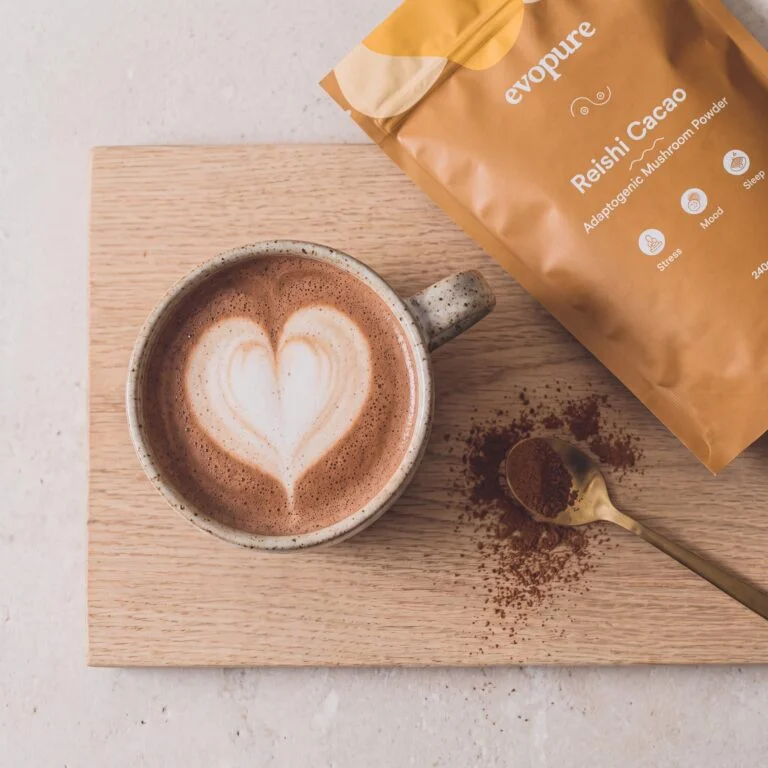
- Reishi Mushroom Adaptogenic Complex: a reishi hot chocolate with reishi mushroom extract, organic cacao and maca, for a warm evening mug. It contains a little natural caffeine from the cacao. See reishi cacao.
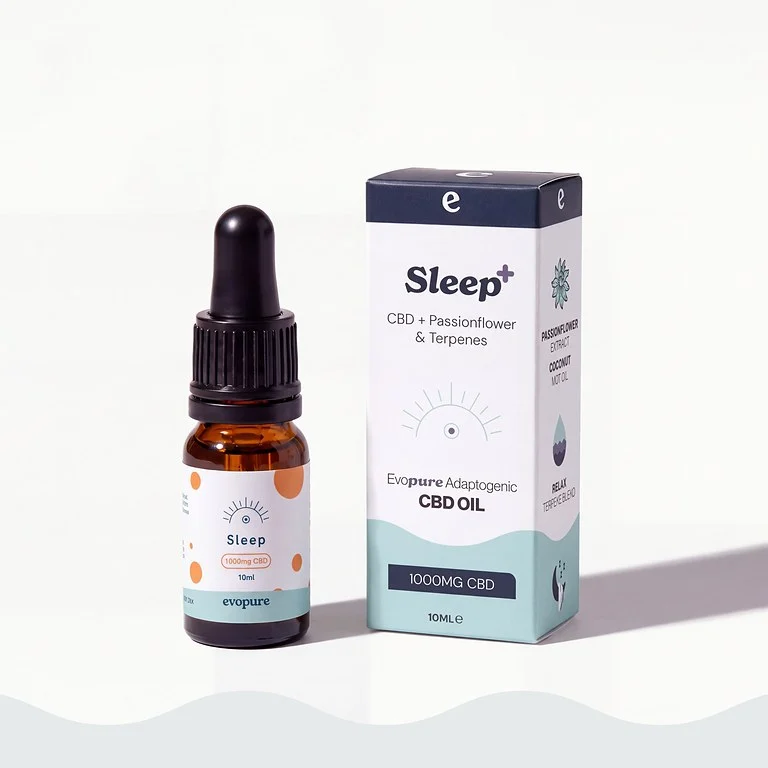
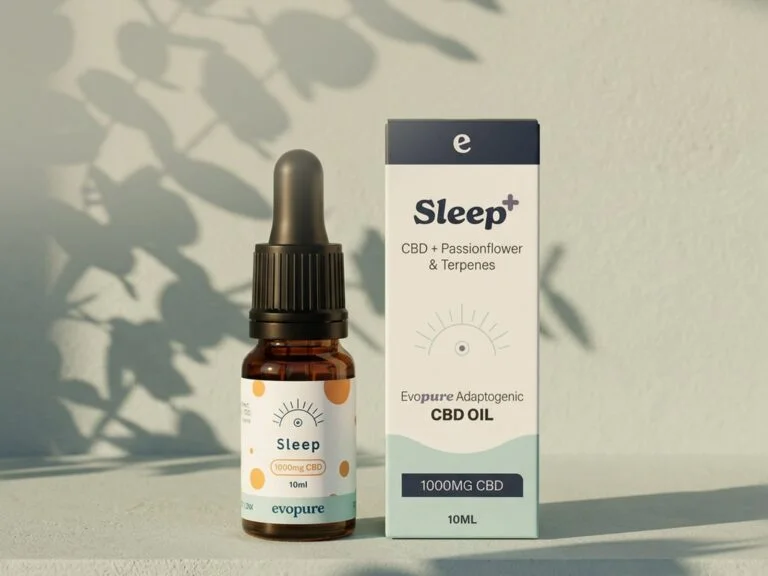
- Sleep CBD Oil: broad spectrum CBD with 0% THC, plus passion flower and a terpene blend led by myrcene. CBD isn’t a treatment for sleep problems. See CBD and sleep and how much CBD to take.
The FSA’s 10mg a day figure is precautionary advice rather than a legal limit, set while longer-term safety research continues. At Evopure we think it is a very cautious figure, and many adults use more. If you go above it, increase slowly, and check with your GP or pharmacist first if you take any medication.
All three are vegan, made in the UK and third-party lab tested. They’re for adults (18+) only, and we don’t recommend our products during pregnancy or breastfeeding.
Related guides
FAQs
What type of magnesium is in Vitabiotics Ultra Magnesium?
Magnesium hydroxide. When we checked vitabiotics.com in October 2026, two tablets gave 375mg of magnesium, 100% of the NRV, with no other vitamins or minerals listed.
Is Vitabiotics Ultra Magnesium glycinate or citrate?
Neither. The standard Ultra Magnesium tablets contain magnesium hydroxide. Vitabiotics’ Ultra Magnesium 3-in-1 Complex contains citrate, malate and bisglycinate, and its gummies contain citrate.
Is Vitabiotics magnesium good for sleep?
Vitabiotics doesn’t market Ultra Magnesium for sleep, and no sleep claim for magnesium is authorised in the UK. Small trials of other forms show modest effects at best, and none used magnesium hydroxide.
What are the side effects of Vitabiotics Ultra Magnesium?
The most common side effect of magnesium is loose stools or diarrhoea, especially above 400mg a day. Ask your pharmacist first if you take medication, and your GP if you have kidney disease or epilepsy.
How do you take Vitabiotics Ultra Magnesium?
Vitabiotics says two tablets a day with your main meal, swallowed with water or a cold drink and not chewed. A pack of 60 lasts one month.
Can children take Vitabiotics Ultra Magnesium?
Vitabiotics says the tablets are not suitable for children, and its magnesium gummies are not suitable for under 12s. Ask your GP or pharmacist about magnesium for a child.
Is Vitabiotics Ultra Magnesium vegan?
Yes. Vitabiotics says the tablets are suitable for vegetarians and vegans, and gluten free.
Sources
- Vitabiotics. Ultra Magnesium, Ultra Magnesium 3-in-1 Complex and Ultra Magnesium Gummies product pages (checked 23 October 2026).
- NHS. Vitamins and minerals: magnesium.
- NHS. Antacids.
- MedlinePlus. Magnesium hydroxide.
- York and Scarborough Teaching Hospitals NHS Foundation Trust. Magnesium blood test information.
- Bøhmer T, et al. (1990). Bioavailability of oral magnesium supplementation in female students evaluated from elimination of magnesium in 24-hour urine. Magnesium and Trace Elements. PMID 2130825.
- McFarlin BK, et al. (2025). Comparing the bioavailability of two seawater-derived magnesium preparations. Journal of Medicinal Food. PMID 40955524.
- Firoz M, Graber M (2001). Bioavailability of US commercial magnesium preparations. Magnesium Research. PMID 11794633.
- Walker AF, et al. (2003). Mg citrate found more bioavailable than other Mg preparations in a randomised, double-blind study. Magnesium Research. PMID 14596323.
- Schuette SA, et al. (1994). Bioavailability of magnesium diglycinate vs magnesium oxide in patients with ileal resection. JPEN. PMID 7815675.
- Mah J, Pitre T (2021). Oral magnesium supplementation for insomnia in older adults: a systematic review and meta-analysis. BMC Complementary Medicine and Therapies. PMID 33865376.
- Schuster J, et al. (2025). Magnesium bisglycinate supplementation in healthy adults reporting poor sleep: a randomized, placebo-controlled trial. Nature and Science of Sleep. PMID 40918053.
This guide is general information, not medical advice. Evopure makes the Magnesium Glycinate Sleep Complex, Reishi Mushroom Adaptogenic Complex and Sleep CBD Oil. Evopure is not connected with Vitabiotics; Vitabiotics product details come from vitabiotics.com, checked 23 October 2026. Labels can change, so always check the pack you buy. If you work for Vitabiotics and something here is out of date, email support@evopure.co.uk and we will correct it.