Last updated: October 2026
To calm down fast, start with your breath: breathe in through your nose for about 4 seconds and out slowly for 6 to 8, or take two quick inhales and one long sigh out. Then name the feeling, ground yourself with 5-4-3-2-1 and drop your shoulders. Most people feel steadier within two minutes.
Below: a 2-minute reset, a quick guide for when you’re angry, anxious, overwhelmed or awake at night, why it works, and when it’s more than stress.
Need help now? If you feel unable to cope or you don’t feel you can keep yourself safe, call 999 or go to A&E. For urgent advice, call NHS 111 and select the mental health option, or use 111 online. To talk to someone, call Samaritans free on 116 123, any time of day or night. The NHS has a page on where to get urgent help for mental health.
The 2-minute reset: how to calm down fast
When stress spikes, your body shifts into fight or flight: a faster heart, quick shallow breathing, tight muscles and racing thoughts. Start with the body and let the mind follow. Work down this list and stop when you feel steadier.
- Name it (5 seconds). Say to yourself, silently or out loud, exactly what you feel: “I’m angry”, “I’m panicking”, “I’m overwhelmed”. Putting a feeling into words is a simple way to step back from it.
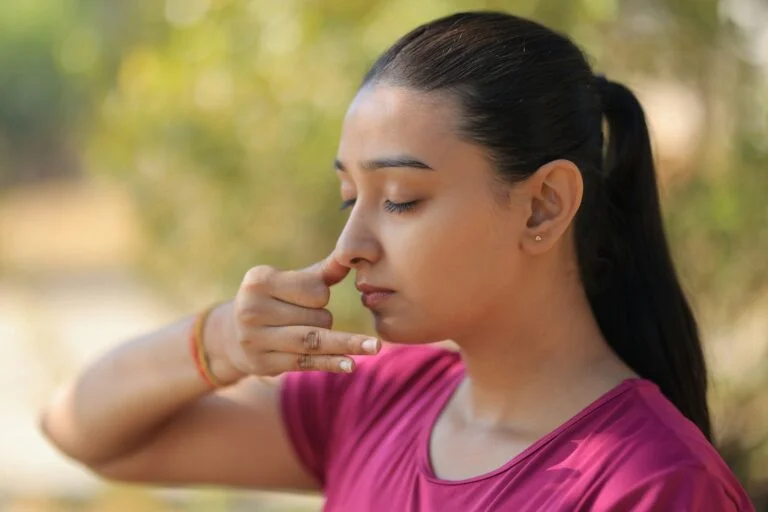
- Lengthen your out-breath (60 seconds). Breathe in gently through your nose for a count of about 4, then out slowly through your mouth for 6 to 8, as if blowing on hot tea. Keep it soft, not forced.
- Or try the physiological sigh (3 breaths). Take a normal breath in through your nose, then a second short sniff on top to fill your lungs, then a long, slow breath out through your mouth. Two or three rounds is enough in the moment.
- Ground yourself with 5-4-3-2-1 (30 to 60 seconds). Notice 5 things you can see, 4 you can touch, 3 you can hear, 2 you can smell and 1 you can taste. Our grounding techniques guide has nine more.
- Cool your face or hands (30 seconds). Splash cool water on your face, hold a cold drink against your wrists or the side of your neck, or run your hands under the cold tap. Cool, not icy.
- Release your muscles (30 seconds). Clench your fists and shoulders hard for 5 seconds, then let go on a long out-breath. This is a mini version of progressive muscle relaxation.
- Step outside or move (2 minutes or more). A short walk or fresh air gives the stress energy somewhere to go.
If deep breathing makes you dizzy or more panicky, stop, breathe normally and switch to grounding or cool water instead. Breathing exercises are meant to feel easy.
Which technique for which moment
A quick reference for different moments.
| Situation | Try this first | How long |
|---|---|---|
| Angry, about to snap | Leave the room, count to 10, long out-breaths | 1 to 20 minutes |
| Anxious, heart racing | Physiological sigh, then 5-4-3-2-1 | 2 to 5 minutes |
| Panic attack | Stay put, slow breathing, remind yourself it will pass | Most pass in 5 to 20 minutes |
| Overwhelmed, too much to do | Name it, write everything down, pick one next step | 5 minutes |
| Overstimulated by noise or people | Quiet space, cool water, fewer inputs | 5 to 15 minutes |
| Before an interview or presentation | Longer out-breaths, relax shoulders and jaw | 2 minutes |
| Can’t stop crying or shaking | Cool water on face, slow out-breaths, sip water | 2 to 5 minutes |
| Awake at night, mind racing | 4-7-8 breathing or a body scan, worries on paper | 10 to 20 minutes |
How to calm down when you’re angry
Anger is fast and physical. The aim is to buy time before you react.
- Pause and leave if you can. Say “I need a few minutes” and step away. Nothing has to be resolved right now.
- Count to 10 and breathe out slowly. The NHS suggests counting to 10 and breathing exercises to give yourself time to think before reacting.
- Burn it off. A brisk walk gives the energy somewhere to go, rather than replaying the argument in your head.
- Come back to it later, once you’ve settled.
If anger is a regular problem, our guide on how to control anger covers triggers, longer-term strategies and when to see a GP.
How to calm down when you’re anxious
Anxiety lives in the “what if”, but your body reacts as if the threat is here now: a racing heart, tight chest or churning stomach.
- Breathe out longer than you breathe in. The physiological sigh or box breathing gives your mind a simple job.
- Ground yourself. 5-4-3-2-1, feeling your feet on the floor, or holding something cold all bring you back to the present.
- Talk back to the thought. “This feels awful, but it is anxiety, and it will pass.”
- Don’t fight the feeling. Let it rise and fall.
If it builds into a panic attack, the NHS advises staying where you are if you can, breathing slowly and deeply, and reminding yourself the attack will pass. See how to stop a panic attack for a step-by-step plan, and how to deal with anxiety for the longer view.
How to calm down when you’re overwhelmed
Overwhelm is too much at once. Breathing helps, but real relief usually comes from shrinking the load.
- Name it: “I’m overwhelmed, not failing.”
- Do one minute of slow out-breaths.
- Write everything in your head onto paper. Seeing it all on one list makes it smaller.
- Pick one next step that takes less than 10 minutes, and do only that.
- Cut the inputs: mute notifications, find a quieter room.
If it’s sensory overload from noise, light or crowds, see feeling overstimulated. If your mind keeps looping on the same worries, see how to stop overthinking.
How to calm down at night
Night is when worries get loud: it’s quiet, there’s nothing to distract you, and tiredness makes everything feel bigger.
- Get the worries out of your head. Keep a notepad by the bed and write down anything on your mind, plus one thing you’ll do about it tomorrow.
- Use slow breathing in bed. 4-7-8 breathing or simple long out-breaths for 5 to 10 minutes.
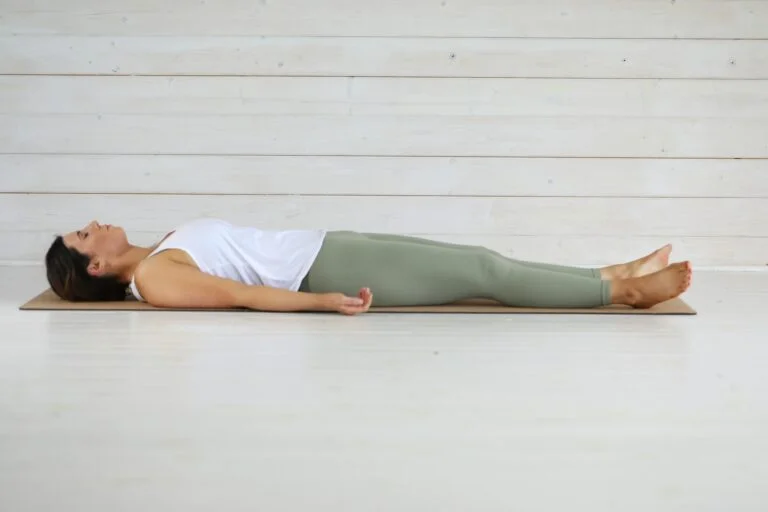
- Try a body scan or muscle release from your toes up to your face.
- Get up if you can’t settle. After 20 minutes or so, go to another room with dim light and do something calm until you feel sleepy.
- Skip the phone and the news.
Our guide to anxiety at night goes deeper into why worry is worse in bed and how to break the cycle.
Why these techniques work (and what’s hype)
Your nervous system has two main gears: the sympathetic side speeds you up, the parasympathetic side slows your heart and helps you rest. The vagus nerve is the main parasympathetic pathway, and breathing is one of the few ways you can nudge it on purpose. Slow breathing with long out-breaths is linked with more parasympathetic activity, which is why it tends to feel calming.
What the research shows:
- Slow breathing: a 2022 review of 223 studies found that slow breathing raises heart rate variability, a marker of parasympathetic activity, during practice, straight after a session and after regular training.
- Breathwork and stress: a 2023 meta-analysis of 12 randomised trials with 785 adults found breathwork was linked with lower stress than control conditions, a small to medium effect. The authors warned against hype.
- The physiological sigh: in a one-month Stanford trial, 5 minutes a day of “cyclic sighing” (exhale-focused breathing) improved mood more than the same time spent on mindfulness meditation, and lowered breathing rate. A few sighs in a tense moment is a sensible shortcut, but not exactly what was tested.
- Naming feelings: in a brain-scan study, putting feelings into words reduced activity in the amygdala, the brain’s alarm centre, when people looked at upsetting images.
- Cool water: cold on the face triggers the diving reflex. An analysis of diving studies found that face immersion while holding the breath slowed heart rate within seconds. Splashing your face is a gentler version, not tested for anxiety.
What’s hype: claims that one trick will “reset your nervous system” for good. These tools take the edge off a stress spike, with modest effects, but don’t fix the cause. Read more in our guide to nervous system regulation.
A safety note: skip cold water tricks if you have a heart condition or Raynaud’s, and don’t hold your breath if it makes you feel faint.
Habits that make calm easier
Quick techniques work best on a steady baseline. The NHS lists 10 stress busters; these make the biggest day-to-day difference:
- Be active. Exercise won’t remove stress, but it can ease its intensity and clear your head.
- Protect your sleep. Everything feels harder when you’re tired. Keep regular times and a wind-down hour.
- Go easy on caffeine and alcohol. Both give short-term relief but can make you feel worse later. Too much caffeine can mimic anxiety: see does caffeine cause anxiety?
- Connect with people, take control of what you can, and write down three things that went well each day.
- Practise when you’re calm, so the techniques come easily when you need them.
The NHS Every Mind Matters stress page has more ideas, and a free plan. For a full list of everyday stress relief ideas, see how to relieve stress.
Supplements won’t calm you down in the moment, and none of ours treat stress or anxiety. Our Magnesium Glycinate Sleep Complex is a berry-flavoured evening drink with magnesium bisglycinate and citrate, glycine, L-theanine and chamomile. Magnesium contributes to normal psychological function and to a reduction of tiredness and fatigue.
Our Flow CBD Oil combines broad spectrum CBD with ashwagandha and maca. CBD isn’t a treatment for anxiety. The FSA’s 10mg a day figure is precautionary advice rather than a legal limit, set while longer-term safety research continues. At Evopure we think it is a very cautious figure, and many adults use more. If you go above it, increase slowly, and check with your GP or pharmacist first if you take any medication. Our products are for adults only, and we don’t recommend them during pregnancy or breastfeeding.
How to help someone else calm down
Your calm is the most useful thing you can offer.
- Stay calm yourself. Lower your voice and slow your own breathing.
- Don’t say “calm down”. Try “I’m here” or “You’re safe, this will pass” instead.
- Breathe with them. Breathe slowly and visibly so they can follow, rather than giving instructions.
- Give them space and choice. Don’t crowd or touch without asking.
- Talk later. Problem-solving works once the wave has passed, not during it.
If you’re worried about their safety, or they’ve talked about harming themselves, call 999 or encourage them to call NHS 111 or Samaritans on 116 123.
When it’s more than stress
Everyone needs to calm down sometimes. It may be more than everyday stress if:
- you feel anxious or on edge most days, and it’s hard to control
- you get sudden, intense panic attacks, sometimes out of the blue
- anger is affecting your relationships or work
- you’re avoiding places or people because of how you might feel
- stress is affecting your sleep, appetite or health
- you’ve felt low for more than 2 weeks
These can be signs of generalised anxiety disorder or panic disorder, which are common and treatable. Talk to your GP. In England, you can also refer yourself to NHS Talking Therapies for CBT without seeing a GP first. Panic symptoms such as chest pain can also have physical causes, so get them checked.
If you need help now, see the urgent help box at the top of this page.
FAQs
What is the fastest way to calm down?
Slow your out-breath: in through your nose for about 4 seconds, out for 6 to 8. Or take two inhales through the nose and one long sigh out.
What is the 3-3-3 rule for anxiety?
Name 3 things you can see, 3 sounds you can hear, and move 3 parts of your body. It’s a shorter version of the 5-4-3-2-1 grounding technique and works the same way, by pulling your attention into the present.
How do I calm my nervous system down?
In the moment, use long out-breaths, cool water and muscle release. Over time, regular movement, good sleep, less caffeine and alcohol, and daily slow breathing all help.
Why can’t I calm down?
Your body may be stuck in fight or flight from ongoing stress, too much caffeine, poor sleep or anxiety. If you can’t calm down most days, or you’re having panic attacks, see your GP or refer yourself to NHS Talking Therapies.
How do I calm down when I’m angry?
Step away, count to 10 and breathe out slowly. A brisk walk helps. Come back to the conversation once you’ve settled.
How do I calm down at night so I can sleep?
Write your worries down, then try 4-7-8 breathing or a body scan in bed. If you’re still awake after about 20 minutes, get up and do something calm in dim light until you feel sleepy.
Sources
- NHS. Breathing exercises for stress.
- NHS. 10 stress busters.
- Balban MY et al (2023). Brief structured respiration practices enhance mood and reduce physiological arousal. Cell Reports Medicine.
- Fincham GW et al (2023). Effect of breathwork on stress and mental health: a meta-analysis of randomised-controlled trials. Scientific Reports.
- Laborde S et al (2022). Effects of voluntary slow breathing on heart rate and heart rate variability: a systematic review and meta-analysis. Neuroscience and Biobehavioral Reviews.
- Lieberman MD et al (2007). Putting feelings into words: affect labeling disrupts amygdala activity in response to affective stimuli. Psychological Science.
- Caspers C et al (2011). Diving reflex: can the time course of heart rate reduction be quantified? Scandinavian Journal of Medicine and Science in Sports.
This guide is general information, not medical advice. Evopure makes the Magnesium Glycinate Sleep Complex and Flow CBD Oil.