
















Last updated: October 2026
Magnesium helps your body turn food into energy, and it’s officially recognised as contributing to normal energy-yielding metabolism and the reduction of tiredness and fatigue. It won’t give you a caffeine-style buzz. It helps most if you’re low in magnesium. Glycinate and citrate are well-absorbed forms, and adults need 270mg to 300mg a day.
Below: how magnesium relates to energy, who’s most likely to benefit, the best type, how much and when to take it, and what else to check if you’re always tired.
How magnesium is involved in energy
Magnesium is a helper for more than 300 enzyme systems in the body, including the ones that make energy from food, according to the US National Institutes of Health. Every cell’s energy currency, ATP, needs magnesium to work. Magnesium is also needed for muscle and nerve function.
In the UK, magnesium has authorised health claims that it contributes to:
- normal energy-yielding metabolism
- the reduction of tiredness and fatigue
- normal muscle function
- normal psychological function
- electrolyte balance
Does magnesium help with energy?
It can, especially if you’re not getting enough. Fatigue and weakness are among the early signs of low magnesium. If your intake is already good, extra magnesium is unlikely to make you feel noticeably more energetic. Magnesium also isn’t a stimulant: it won’t give an instant lift like caffeine. Many people find it helps indirectly, as part of an evening routine that leads to better sleep and brighter mornings. See magnesium for sleep.
Who is most likely to benefit?
- People who eat few nuts, seeds, wholegrains and greens. See foods high in magnesium.
- Older adults, who absorb less and often eat less.
- Heavy drinkers, as alcohol increases magnesium losses.
- People with type 2 diabetes or gut conditions such as Crohn’s or coeliac disease.
- People on long-term acid-reducing medicines or some diuretics.
- Very active people, who lose some magnesium in sweat. See magnesium for athletes.
Best magnesium for energy
| Form | Absorption | Notes |
|---|---|---|
| Glycinate (bisglycinate) | Good | Gentle on the stomach; popular in evening routines |
| Citrate | Good | Dissolves well; can loosen stools at higher doses |
| Malate | Good | Often marketed for energy; little direct evidence that it’s better |
| Oxide | Lower | Cheap and common in tablets; more likely to upset the stomach |
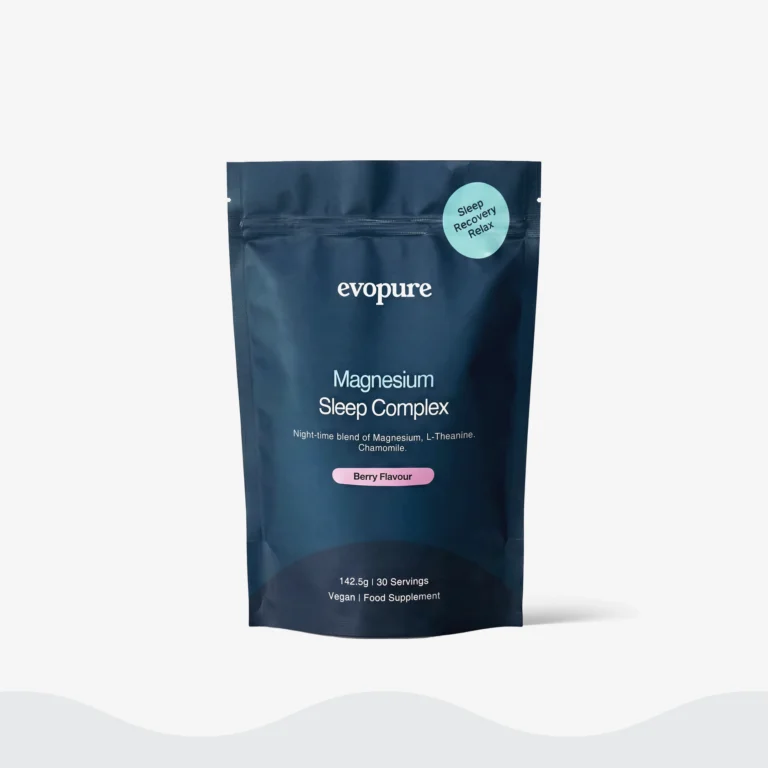
The US National Institutes of Health notes that forms that dissolve well, such as citrate, tend to be absorbed better than oxide. Our Magnesium Glycinate Sleep Complex combines bisglycinate and citrate (148mg elemental magnesium per serving) with L-theanine and botanicals. See types of magnesium and magnesium glycinate.
How much and when to take it
- Daily need: 300mg for men and 270mg for women, from food and supplements combined.
- Supplement limit: the NHS advises no more than 400mg a day from supplements.
- Timing: any time works. Many people take it in the evening, where it fits a wind-down routine. See the best time to take magnesium.
- How long: give it a few weeks of daily use. See how long magnesium takes to work.
Check with your GP or pharmacist first if you have kidney disease or take regular medicines. See magnesium side effects. We don’t recommend our products during pregnancy or breastfeeding.
Other reasons you might be tired
If you’re tired all the time, magnesium is only one piece. Poor sleep, stress, low iron or vitamin B12, thyroid problems and low activity are common causes. See why am I always tired?, best supplements for energy and how to boost energy naturally.
FAQs
Does magnesium give you energy?
Magnesium contributes to normal energy-yielding metabolism and the reduction of tiredness and fatigue. It helps most if you’re low, and it isn’t a stimulant.
What is the best magnesium for energy?
Well-absorbed forms such as glycinate and citrate. Malate is often marketed for energy, but there’s little evidence it’s better.
Should I take magnesium in the morning or at night for energy?
Either works, as consistency matters most. Many people take it in the evening as part of a wind-down routine.
Can low magnesium make you tired?
Yes. Fatigue and weakness are among the early signs of magnesium deficiency, along with poor appetite and nausea.
How long does magnesium take to help with tiredness?
If you were low, give it a few weeks of daily use. See your GP if tiredness continues.
Sources
- US National Institutes of Health, Office of Dietary Supplements. Magnesium fact sheet for health professionals.
- NHS. Vitamins and minerals: others (magnesium).
- NHS. Tiredness and fatigue.
This guide is general information, not medical advice. Evopure makes the Magnesium Glycinate Sleep Complex.