Last updated: 19 November 2026
Can you take magnesium with immunosuppressants? Only if your transplant, IBD or rheumatology team agrees. Tacrolimus and ciclosporin can lower magnesium, so teams check it with blood tests and prescribe magnesium when needed. Don’t treat it yourself. Magnesium antacids can raise tacrolimus levels and reduce mycophenolate absorption, so timing matters too.
Checked against the BNF, the tacrolimus, ciclosporin, mycophenolate and azathioprine product information on emc, the NHS and PubMed on 19 November 2026. This is general information, not medical advice. Never stop, skip or change an immunosuppressant without your specialist team.
What the BNF and product information say
The BNF is the reference UK doctors and pharmacists use. Its magnesium page lists 38 interactions and none is an immunosuppressant. The bigger issues are low magnesium caused by the medicines themselves, and magnesium antacids. Checked on 19 November 2026:
| Medicine | What the sources say | What it means for you |
|---|---|---|
| Tacrolimus | Low magnesium is a common side effect; magnesium-aluminium hydroxide antacids may raise tacrolimus levels | Your team checks magnesium; ask before any antacid or supplement |
| Ciclosporin | Increases magnesium loss; magnesium should be monitored and given if needed | Your team decides on any magnesium |
| Mycophenolate | Antacids reduce absorption; daily magnesium-aluminium antacids not recommended with Myfortic | Keep antacids and supplements apart from it |
| Azathioprine | No magnesium or antacid entry in the BNF | Tell your team; follow the dairy timing |
The BNF’s magnesium page has one general note that applies to everyone: magnesium antacids “and other oral magnesium preparations” should preferably not be taken at the same time as other drugs, because they might impair absorption.
Does tacrolimus cause low magnesium?
It can. The Prograf product information lists low blood magnesium (hypomagnesaemia) as a common side effect of tacrolimus, and the BNF says electrolytes should be monitored. Ciclosporin does the same thing in a different way:
- Ciclosporin. The Neoral product information says it increases the body’s clearance of magnesium, which can cause low magnesium with symptoms, especially around the time of a transplant. It recommends checking magnesium then, and says magnesium supplementation should be given if considered necessary. The BNF says to monitor serum magnesium.
- Mycophenolate. The CellCept and Myfortic product information both list low magnesium among side effects.
- Other medicines. NHS Blood and Transplant says many transplant patients also take medicines to protect the stomach. Long-term omeprazole-type tablets can lower magnesium too; see magnesium and omeprazole.
This is why your magnesium shows up on routine bloods. The checks are already part of your care, and your team can see the result in context.
Why not to treat low magnesium yourself
If a blood test shows your magnesium is low, it is tempting to buy a supplement. Please don’t, unless your team says so. Here’s why:
- They may prescribe it. Prescription magnesium, such as magnesium glycerophosphate (Neomag), exists for this. A national funding decision listed in the BNF covers its use for low magnesium caused by medicines. A shop supplement on top could double up. More in magnesium glycerophosphate.
- Kidneys clear magnesium. The BNF advises caution with magnesium in kidney impairment because of the risk of too much magnesium in the blood, and says to avoid prescription magnesium glycerophosphate when kidney function is very low. Many people on these medicines have a kidney transplant or kidney changes.
- Diarrhoea changes tacrolimus levels. The NHS says more than 400mg of magnesium for a short time can cause diarrhoea, and the Prograf product information says tacrolimus levels can change significantly during diarrhoea, so extra checks are recommended.
- The cause matters. Low magnesium can have more than one cause, and your team may change a medicine or dose rather than add a supplement.
Magnesium and tacrolimus timing
Two sources point in different directions, which is exactly why the timing is your team’s call:
- Antacids may raise levels. The Prograf product information lists magnesium-aluminium hydroxide (found in some indigestion remedies) among products that may increase tacrolimus trough levels and the risk of serious side effects. It says to monitor levels and lower the tacrolimus dose if needed.
- A lab study found breakdown. In a 1991 test-tube study (Steeves and colleagues), magnesium oxide broke down tacrolimus in simulated stomach fluid within hours. It wasn’t done in people, but the authors advised not taking tacrolimus and antacids at the same time.
No study has tested a magnesium supplement such as glycinate or citrate with tacrolimus in people. If your team is happy for you to take one, ask your pharmacist for a gap from your tacrolimus doses, and keep the same routine every day so your blood levels stay comparable. The Prograf product information also says herbal preparations should be avoided while taking it, which matters for magnesium blends with herbs.
Magnesium and ciclosporin
The BNF lists no interaction between magnesium and ciclosporin, and the Neoral product information doesn’t name magnesium antacids. Its magnesium point is about the medicine lowering magnesium: checks, and supplements given if your team thinks they’re needed.
The Neoral product information also says to be careful with potassium, as ciclosporin can raise it, and that grapefruit can raise ciclosporin levels. Ciclosporin is used for some bowel, joint, skin and kidney conditions as well as transplants, so this applies whoever prescribes it.
Mycophenolate and magnesium antacids
This is the clearest absorption point on the page. The BNF says antacids decrease exposure to mycophenolate by mouth, rated moderate, based on a study. The product information gives the detail:
- Myfortic (mycophenolic acid). One dose of a magnesium-aluminium antacid taken at the same time cut the amount absorbed by about 37% and the peak level by about 25%. Occasional use for indigestion is acceptable, but daily use is not recommended because of the risk of reduced effect.
- CellCept (mycophenolate mofetil). Exposure fell with antacids such as magnesium and aluminium hydroxides, and with some stomach tablets (lansoprazole and pantoprazole).
iThese are antacids, not supplements, and no study has tested magnesium supplements with mycophenolate. Given the BNF’s general note, keep any magnesium well apart from mycophenolate and ask your pharmacist how long a gap suits you.
Azathioprine and magnesium
The BNF’s azathioprine list (146 interactions) has no entry for magnesium or antacids. The NHS says you can take the tablets with or without food, but avoid milk and other dairy from 1 hour before until 2 hours after. It asks you to tell your doctor about any vitamins or supplements, and you’ll have regular blood tests.
Azathioprine’s best known interaction is with allopurinol for gout, which can mean a much lower azathioprine dose; see magnesium and allopurinol. If you take mesalazine for IBD too, see magnesium and mesalazine. The BNF lists no magnesium interaction for sirolimus or everolimus either.
Kidney function and who should check first
Ask your transplant, IBD or rheumatology team before adding magnesium if you:
- have had a transplant, or have kidney disease or lower than normal kidney results
- have been told your magnesium is low, or already take prescribed magnesium
- take tacrolimus, ciclosporin, sirolimus or everolimus with regular level checks
- use indigestion remedies or take mycophenolate
- are thinking of a product with herbal extracts
- are pregnant, trying for a baby or breastfeeding
Related guides: magnesium and prednisolone, magnesium and methotrexate and what not to take with magnesium. Thinking about CBD as well? Read CBD and immunosuppressants first.
Where Evopure fits
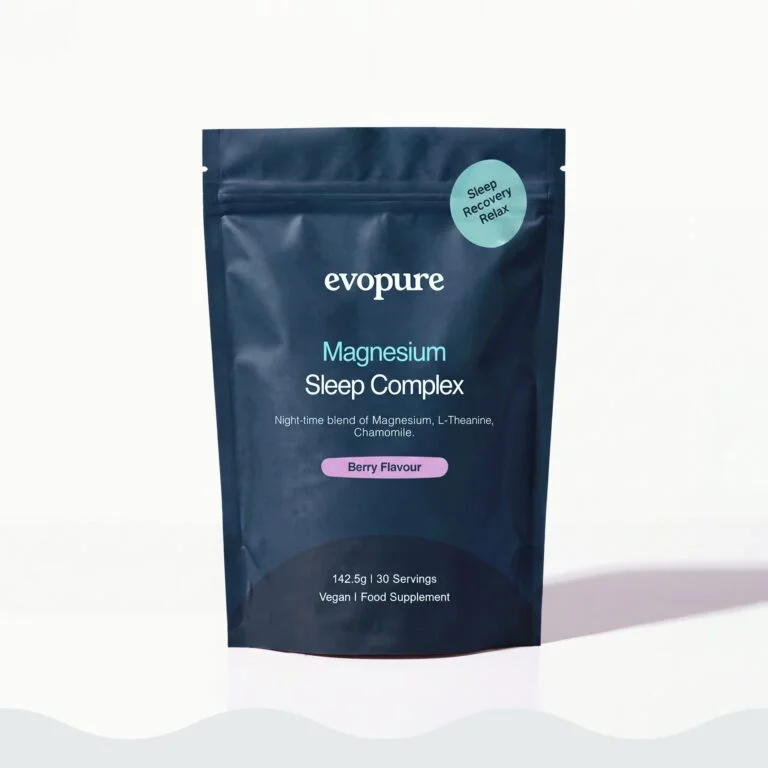
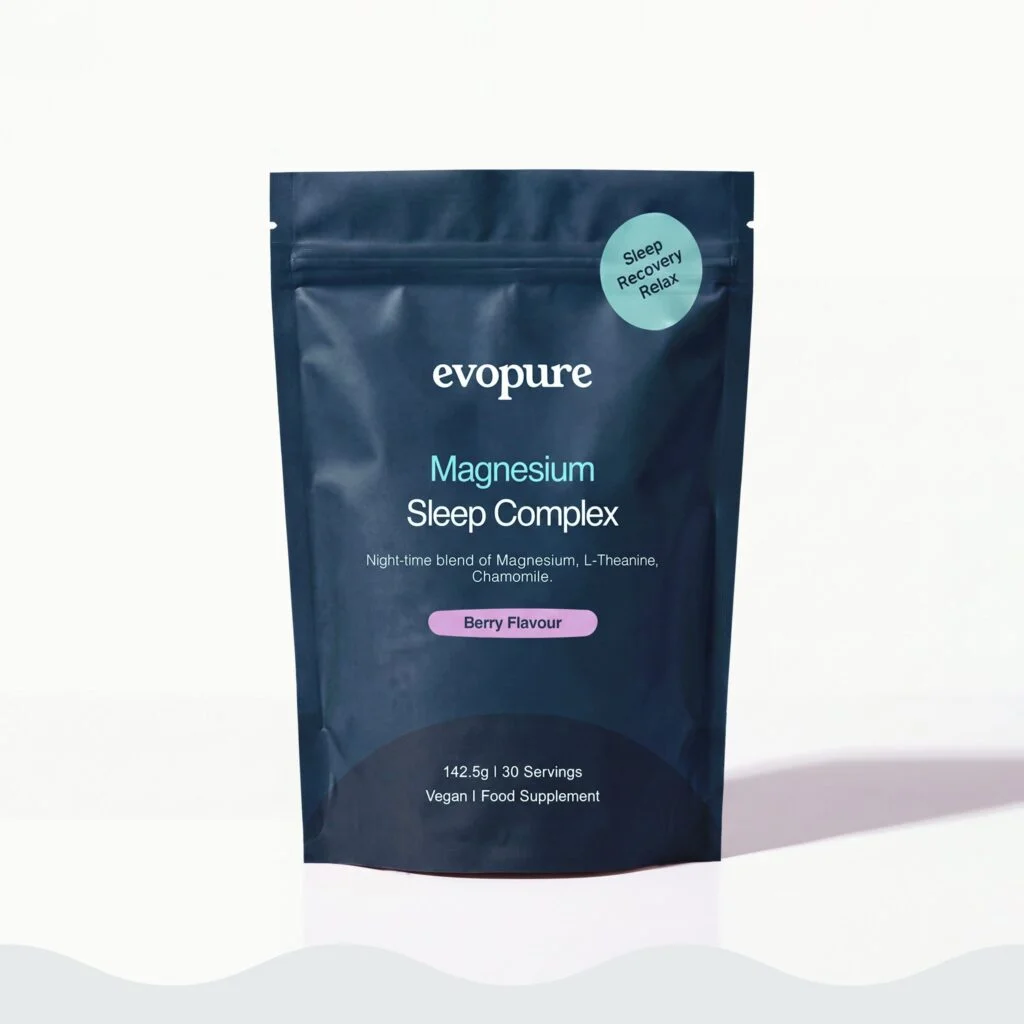
None of our products does anything for your immune system, transplant or condition, and we don’t claim they do. Our Magnesium Glycinate Sleep Complex is a berry drink powder with 290mg of magnesium (77% NRV) per 4.75g serving, from magnesium bisglycinate and citrate. To be upfront: it also contains glycine, L-theanine and extracts of oat straw, hops, chamomile and passionflower. Because the tacrolimus product information says to avoid herbal preparations, it isn’t one to choose on tacrolimus unless your transplant team specifically says yes.
Only if your team is happy
Magnesium Glycinate Sleep Complex
Magnesium Glycinate Sleep Complex. Magnesium contributes to a reduction of tiredness and fatigue and to normal muscle function. Show the label to your team and pharmacist first.
Add Magnesium Glycinate Sleep Complex to bag See ingredients and reviews
Rated 4.7 out of 5 from 15 ratings on the product page (via Lipscore, checked 19 November 2026). We make it, so we’re not neutral. Vegan and made in the UK. Subscribe and save 25% on your first order, then 20%. New to Evopure? Join our emails for 20% off a one-off first order. Free UK delivery over £40. Adults only. We don’t recommend our products during pregnancy or breastfeeding.
Subscribe £22.49One-off £29.99
View productWhy only one product? The FSA advises people on any medication not to take CBD unless under medical direction, and our Reishi hot chocolate pack says it isn’t for people taking medication, so we don’t suggest either here. Prefer plain magnesium with no herbs? Ask your team or pharmacist for a single-ingredient product.
How much is sensible? See how much magnesium per day and magnesium side effects.
Sources 5
- BNF (NICE). Magnesium interactions, antacids interactions, mycophenolate interactions, azathioprine interactions, tacrolimus, ciclosporin and magnesium glycerophosphate. Checked 19 November 2026.
- emc. Prograf SmPC, revised 11 March 2026; Neoral SmPC, revised 25 February 2026; CellCept SmPC, revised 8 April 2026; Myfortic SmPC, revised 4 November 2026. Checked 19 November 2026.
- NHS. Azathioprine (reviewed 19 October 2026) and vitamins and minerals: others (magnesium) (reviewed 3 August 2020). Checked 19 November 2026.
- NHS Blood and Transplant. Kidney transplant medicines. Checked 19 November 2026.
- Steeves M and others. In-vitro interaction of a novel immunosuppressant, FK 506, and antacids. Journal of Pharmacy and Pharmacology, 1991 (PMID 1717676).
General information, not medical advice. Evopure makes food supplements and is not connected with the makers of any medicine named here.