Last updated: 11 November 2026
A vitamin B12 spray is a food supplement you spray into your mouth, usually giving 250 to 1,200 micrograms of B12 a day. It can raise B12 levels in people who need more, but there’s no good evidence it works better than a swallowed tablet. Pernicious anaemia (autoimmune gastritis) needs injections from your GP, not a shop spray.
What is a B12 spray?
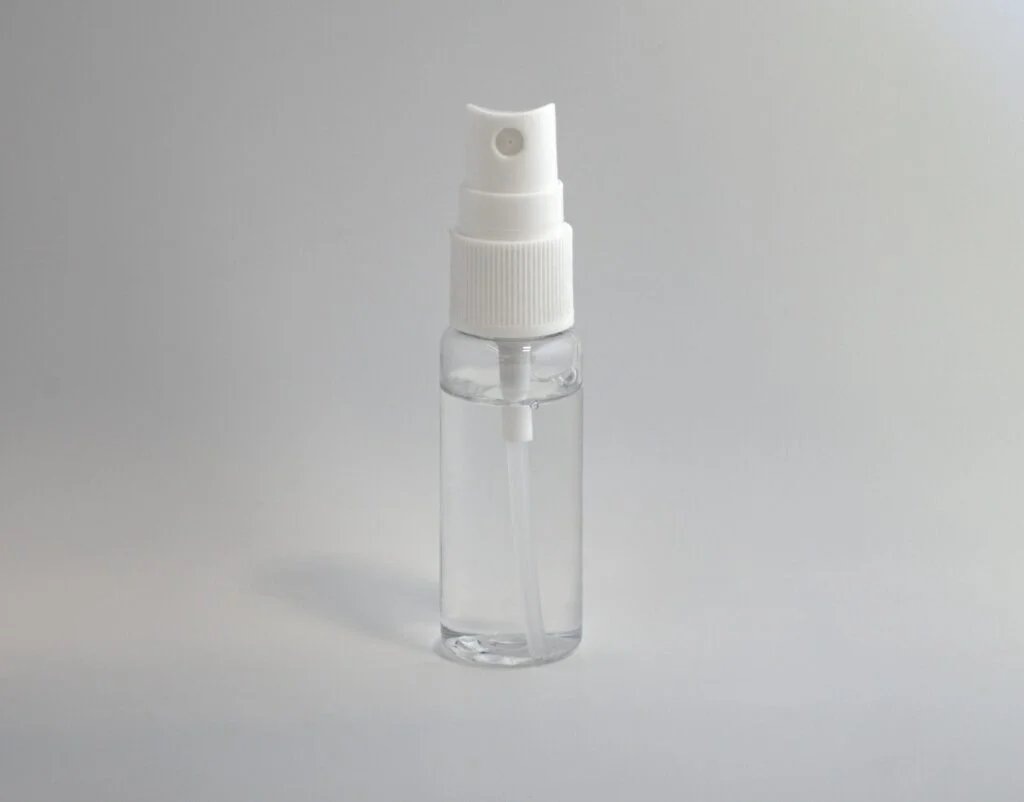
A B12 spray is a liquid vitamin B12 supplement in a small pump bottle. You spray it onto the inside of your cheek or under your tongue, usually once a day. Most UK sprays use methylcobalamin, and the daily dose on the label ranges from about 250 to 1,200 micrograms, far above the 1.5 micrograms adults need from food.
| B12 spray fact | The detail |
|---|---|
| Typical daily dose | 250 to 1,200 micrograms (UK spray labels, checked November 2026) |
| Common forms | Methylcobalamin, cyanocobalamin, adenosylcobalamin |
| NHS daily need | About 1.5 micrograms a day for adults aged 19 to 64 |
| Label NRV | 2.5 micrograms |
| NHS safety guide | 2mg (2,000 micrograms) or less a day from supplements is unlikely to cause harm |
| UK status | Sprays are food supplements; B12 injections (hydroxocobalamin) are prescription medicines |
| Authorised GB claim | Vitamin B12 contributes to the reduction of tiredness and fatigue (plus 7 more) |
| Check with a GP first | Symptoms of deficiency, metformin, acid-reducing medicines, stomach surgery, pregnancy, cobalt allergy |
For a fuller look at tablets, forms and food sources, see our guide to vitamin B12 supplements.

Our pick
Magnesium Glycinate Sleep Complex
Evopure doesn’t sell vitamin B12. If tiredness is part of why you’re looking, Evopure’s Magnesium Glycinate Sleep Complex is a berry drink powder with 290mg of magnesium (77% NRV) per 4.75g serving, from magnesium bisglycinate and citrate. Magnesium contributes to a reduction of tiredness and fatigue. It contains no B12, so it isn’t a substitute if your B12 is low.
Add Magnesium Glycinate Sleep Complex to bag See ingredients and reviews
Vegan and made in the UK. Subscribe and save 25% on your first order, then 20%. New to Evopure? Join our emails for 20% off a one-off first order. Free UK delivery over £40.
Subscribe £22.49One-off £29.99
View productDo B12 sprays work?
B12 sprays can raise blood B12 levels in people who need more, because a small share of any large B12 dose is absorbed whatever route it takes. But independent trials of mouth sprays are scarce. Most evidence comes from swallowed and under-the-tongue tablets, which work about as well as each other.
How is B12 from a spray absorbed?
From food, B12 is absorbed in the small intestine with the help of intrinsic factor, a protein made in the stomach. That route fills up at about 1 to 2 micrograms per meal, according to the US National Institutes of Health. Above that, a much smaller share gets in by passive diffusion, which doesn’t need intrinsic factor. A small study in older adults found about 2% of a 1,000 microgram dose was absorbed through the nose, similar to swallowing it.
Spray makers say B12 passes through the lining of the cheek. Some may, but much of each spray is swallowed with saliva, so a spray behaves much like a high-dose tablet. The dose matters more than the format.
| Study | What it found | Caveats |
|---|---|---|
| Sharabi 2003: 30 adults with low B12, 500 micrograms a day | Under the tongue and swallowed tablets raised levels by similar amounts in 4 weeks | Small and short |
| Del Bo’ 2019: 40 vegans and vegetarians | 350 or 2,000 micrograms a week under the tongue both restored levels in 12 weeks | Tablets under the tongue, not a spray |
| Cochrane review 2018: 3 trials, 153 people | 1,000 to 2,000 micrograms a day by mouth raised levels about as well as injections | Low quality evidence |
| Bensky 2019: records of 4,281 patients | Under-the-tongue tablets raised levels at least as much as injections | Looked back at records, not randomised |
| Mouth sprays | No large independent randomised trial found (PubMed search, November 2026) | Absorption claims mostly come from the makers |
B12 spray vs tablets vs injections
A B12 spray, a swallowed tablet and an under-the-tongue tablet all work for most people who need extra B12, as long as the dose is high enough. Choose the one you’ll take every day. Injections are different: they’re prescribed for people who can’t absorb B12 from the gut or who have severe symptoms.
| Form | How you take it | What the evidence says | Best for |
|---|---|---|---|
| Mouth spray | Sprays into the cheek or under the tongue | Little trial data; likely similar to a tablet | People who dislike tablets |
| Swallowed tablet | Between meals with water (NHS) | Works at high doses; the form NHS tablets use | Most people, and the cheapest route |
| Under-the-tongue tablet or drops | Dissolves in the mouth | Similar to swallowed tablets in small trials | People who struggle to swallow |
| Injection | Hydroxocobalamin from a nurse or GP | Bypasses the gut completely | Autoimmune gastritis, stomach or bowel surgery, severe symptoms |
NICE advises anyone choosing a shop supplement to pick one containing cyanocobalamin, methylcobalamin or adenosylcobalamin, because some products don’t contain enough, or the right type, of B12 to work. Methylcobalamin is fine, but there’s no good evidence it beats cyanocobalamin for most people. Liquid formats are common in the shops: our guide to magnesium spray covers the same question for magnesium, and gummy vitamins vs pills compares other formats.
Who needs a B12 supplement?
Most people in the UK get enough vitamin B12 from meat, fish, eggs and dairy. The people who should think about a supplement are vegans, some vegetarians, older adults, people taking metformin or long-term acid-reducing medicines, and anyone who has had stomach or bowel surgery. If you have symptoms, see a GP before buying anything.
- Vegans: B12 isn’t found naturally in plant foods. The Vegan Society advises fortified foods two or three times a day (at least 3 micrograms a day), a daily supplement of at least 10 micrograms, or a weekly supplement of at least 2,000 micrograms. Spirulina isn’t a reliable source; see the spirulina B12 myth.
- Older adults: autoimmune gastritis and low stomach acid become more common with age, so B12 from food is absorbed less well. The NHS says pernicious anaemia is the most common cause of B12 deficiency in the UK.
- People on metformin: the MHRA says reduced B12 is a common side effect, especially at higher doses and with longer use. See does diabetes make you tired?
- People on PPIs or H2 blockers: NICE lists omeprazole-type medicines and H2 blockers among the risk factors, because less stomach acid releases less B12 from food.
- Others NICE lists: stomach or bowel surgery including many weight-loss operations, coeliac disease, some epilepsy medicines and recreational nitrous oxide.
How much B12 spray should I take?
Follow the label, which is usually one to four sprays a day giving 250 to 1,200 micrograms. That is plenty for vegans and most people topping up. The NHS says 2mg (2,000 micrograms) or less a day from supplements is unlikely to cause harm. If you have a diagnosed deficiency, your GP sets the dose and the form.
NICE recommends at least 1mg (1,000 micrograms) a day when a doctor prescribes oral B12 for a deficiency caused by poor absorption, and lifelong injections when autoimmune gastritis is the cause. A spray bought in a shop isn’t a substitute for either without your GP’s agreement.
Can a B12 spray help with tiredness?
Vitamin B12 contributes to the reduction of tiredness and fatigue, which is an authorised health claim in Great Britain. It’s allowed on products that are at least a source of B12. But if your B12 level is already normal, extra B12 hasn’t been shown to give you more energy, so a spray is unlikely to fix tiredness with another cause.
Other authorised claims include that vitamin B12 contributes to normal energy-yielding metabolism and normal red blood cell formation. Tiredness has many causes, from sleep and low iron to thyroid problems: see why am I always tired? and iron deficiency symptoms. For other nutrients, see our B vitamins guide and best supplements for energy.
Get tested before you start
If you have symptoms such as tiredness with pins and needles, a sore red tongue, mouth ulcers, problems with memory or balance, or shortness of breath, see a GP for a blood test before you take B12. NICE advises taking blood samples before starting B12, because supplements raise blood levels and can make a real deficiency harder to diagnose.
iTell your GP or the person taking your blood if you already use a spray, tablets or patches, and what dose. Nerve symptoms from low B12 need prompt treatment: see vitamin B12 deficiency symptoms and peripheral neuropathy.
B12 spray safety and medicines
- Metformin, PPIs and H2 blockers: keep taking your medicine. Ask your GP or pharmacist whether your B12 should be checked, rather than stopping a prescription on your own.
- Pregnancy and breastfeeding: the NHS says you can usually take B12, but check with a pharmacist, midwife or GP first.
- Cobalt allergy: B12 contains cobalt, and the NHS says cyanocobalamin may not suit people allergic to it.
- How much is too much: see can you overdose on vitamins?
Evopure doesn’t sell vitamin B12 or a B12 spray. Our range is CBD oils and capsules, a magnesium drink powder and a reishi cacao drink.
Next step
Magnesium Glycinate Sleep Complex
Sort your B12 with the right form for you, then look at the rest of your routine. Evopure’s Magnesium Glycinate Sleep Complex gives 290mg of magnesium per 4.75g serving, plus glycine and L-theanine, in a berry drink. Magnesium contributes to a reduction of tiredness and fatigue and to normal energy-yielding metabolism.
Add Magnesium Glycinate Sleep Complex to bag See ingredients and reviews
Vegan and made in the UK. Subscribe and save 25% on your first order, then 20%. New to Evopure? Join our emails for 20% off a one-off first order. Free UK delivery over £40. If you take any regular medicines, check with your GP or pharmacist first. We don’t recommend our products during pregnancy or breastfeeding.
Subscribe £22.49One-off £29.99
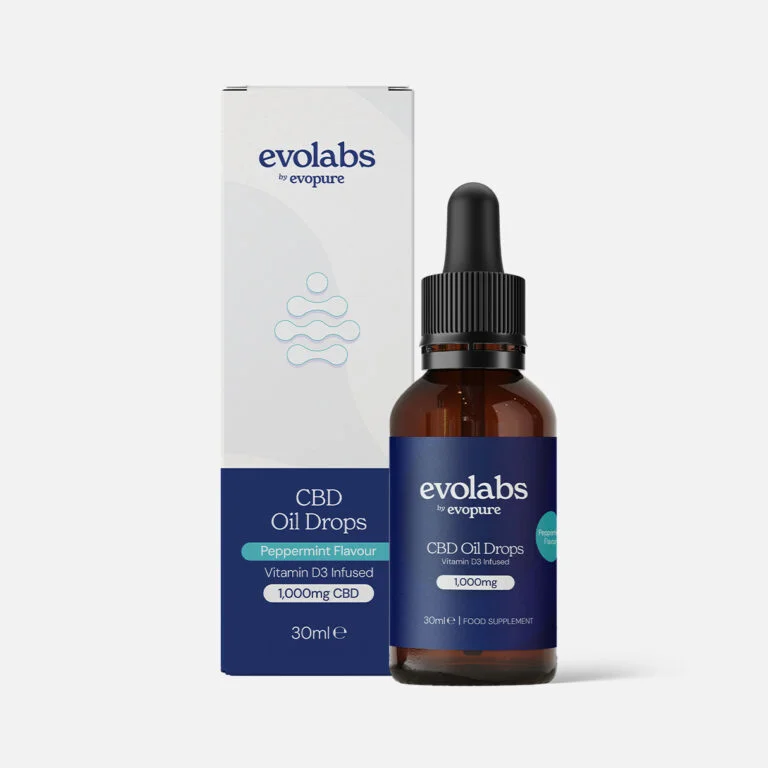
View productVegans also need vitamin D in autumn and winter. Evopure’s Mint CBD Oil + Vit D3 (Evolabs, 1,000mg, 30ml) gives 10 micrograms of vegan, algae-based D3 per half pipette, and vitamin D contributes to the normal function of the immune system. The FSA advises healthy adults to take no more than 10mg of CBD a day: about 0.3ml of this 1,000mg oil gives 10mg. Adults only.
The FSA’s 10mg a day figure is precautionary advice rather than a legal limit, set while longer-term safety research continues. At Evopure we think it is a very cautious figure, and many adults use more. If you go above it, increase slowly, and check with your GP or pharmacist first if you take any medication.
Sources 13
- NHS. B vitamins and folic acid.
- NHS. Vitamin B12 or folate deficiency anaemia: treatment.
- NHS. Cyanocobalamin.
- NICE (2024). Vitamin B12 deficiency in over 16s: diagnosis and management (NG239).
- MHRA (2022). Metformin and reduced vitamin B12 levels. Drug Safety Update.
- Department of Health and Social Care. Great Britain nutrition and health claims (NHC) register. GOV.UK.
- NIH Office of Dietary Supplements. Vitamin B12 fact sheet for health professionals.
- Sharabi A et al (2003). Replacement therapy for vitamin B12 deficiency: comparison between the sublingual and oral route. British Journal of Clinical Pharmacology.
- Del Bo’ C et al (2019). Effect of two different sublingual dosages of vitamin B12 in vegans and vegetarians with a marginal deficiency. Clinical Nutrition.
- Wang H et al (2018). Oral vitamin B12 versus intramuscular vitamin B12 for vitamin B12 deficiency. Cochrane Database of Systematic Reviews.
- Bensky MJ et al (2019). Comparison of sublingual vs. intramuscular administration of vitamin B12. Drug Delivery and Translational Research.
- The Vegan Society. Vitamin B12.
- FSA. Cannabidiol (CBD) guidance.
This guide is general information, not medical advice. Evopure doesn’t sell a vitamin B12 supplement.