

Last updated: October 2026
High fibre foods include wholegrains like oats, wholemeal bread and wholewheat pasta, pulses such as beans, lentils and chickpeas, vegetables, fruit, nuts and seeds. UK adults are advised to eat 30g of fibre a day, but the latest national survey found the average adult eats about 16g. Small swaps at every meal close the gap.
Below: why fibre matters, how much you need, soluble vs insoluble fibre, a UK list with grams per portion, easy swaps, a sample 30g day, how to avoid bloating and who should be careful.
Why fibre matters
Fibre is the part of plant foods your body can’t fully digest. In the large intestine it adds bulk to your poo, and some types are fermented by your gut bacteria.
The NHS says eating plenty of fibre is associated with a lower risk of heart disease, stroke, type 2 diabetes and bowel cancer, and that fibre-rich foods help digestion and prevent constipation.
The biggest review of the evidence, published in The Lancet in 2019, pooled 185 long-term studies and 58 clinical trials. People who ate the most fibre had a 15 to 30% lower risk of death from any cause and from cardiovascular disease, and of coronary heart disease, stroke, type 2 diabetes and bowel cancer, than those who ate the least. The benefits were greatest at 25g to 29g a day. Much of that is observational, but trials in the same review showed lower body weight, blood pressure and cholesterol on higher-fibre diets.
How much fibre a day?
UK government advice, based on the Scientific Advisory Committee on Nutrition (SACN), is 30g of fibre a day for adults. Children need less:
| Age | Fibre a day |
|---|---|
| 2 to 5 years | 15g |
| 5 to 11 years | 20g |
| 11 to 16 years | 25g |
| 16 and over | 30g |
Most of us fall well short. The latest National Diet and Nutrition Survey (fieldwork 2019 to 2023, published June 2025) found adults aged 19 to 64 eat 16.4g a day on average, and only 4% of adults meet the 30g target. You may still see “about 20g” quoted: that comes from older surveys that used a different method, so the two figures can’t be compared directly. Either way, most adults need roughly another 10g to 15g a day.
Soluble vs insoluble fibre
Fibre is often split into two types. Experts now see this as a simplification, because many foods contain both, but it’s a useful starting point.
| Soluble fibre | Insoluble fibre | |
|---|---|---|
| What it does | Viscous types form a gel that slows digestion; many are fermented by gut bacteria | Traps water and adds bulk, helping poo move through the gut |
| Examples | Beta-glucans in oats and barley, pectins in fruit, psyllium | Cellulose in wheat bran, wholegrains and nuts |
| Linked with | Lower LDL cholesterol, smaller blood sugar rises after meals | Regular, softer poos |
| Good foods | Oats, barley, pulses, apples, pears, berries, carrots, linseeds | Wholemeal bread, bran cereals, wholewheat pasta, brown rice, nuts, skins of fruit and veg |
Cooked and cooled potatoes or pasta also contain resistant starch, which acts like fibre. The simplest rule: eat a variety of plant foods and you’ll get all of them.
High fibre foods: UK list with grams per portion
These figures come from the British Nutrition Foundation (BNF) fibre table. Fibre varies by recipe and portion size, so treat them as a guide.
| Food | Typical portion | Fibre per portion | Fibre per 100g |
|---|---|---|---|
| Red kidney beans | 120g | 9.4g | 7.8g |
| Wholegrain pasta (cooked) | 180g | 8.8g | 4.9g |
| Baked beans | 200g | 8.5g | 4.3g |
| Lentils | 120g | 8.1g | 6.8g |
| Quinoa (cooked) | 180g | 6.3g | 3.5g |
| Chickpeas | 120g | 6.2g | 5.2g |
| Wholemeal bread (about 2 slices) | 80g | 5.8g | 7.3g |
| Bran flakes | 40g | 5.4g | 13.5g |
| Baked potato with skin | 220g | 4.6g | 2.1g |
| Bulgur wheat (cooked) | 180g | 4.4g | 2.4g |
| Oats (porridge) | 45g | 3.5g | 7.8g |
| Berries | 80g | 3.3g | 4.1g |
| Green beans | 80g | 3.3g | 4.1g |
| Carrots | 80g | 3.1g | 3.9g |
| Dates | 30g | 3.0g | 10.0g |
| Dried apricots | 30g | 3.0g | 10.0g |
| Almonds | 20g | 2.0g | 10.0g |
| Pear | 80g | 1.8g | 2.3g |
| Sunflower seeds | 20g | 1.6g | 8.0g |
| Pumpkin seeds | 20g | 1.3g | 6.7g |
| Broccoli | 80g | 1.1g | 1.4g |
| Banana | 80g | 1.1g | 1.4g |
| Apple | 80g | 1.0g | 1.3g |
| Spinach | 80g | 1.0g | 1.3g |
Pulses and wholegrains do the heavy lifting: one portion of beans or lentils gives a quarter or more of your day. Fruit and veg add smaller amounts, but five a day soon adds up. Many of these foods are also good sources of other nutrients; see iron-rich foods and foods high in magnesium.
Reading food labels
On UK packs, a food can say it’s a “source of fibre” if it has at least 3g per 100g, and “high fibre” if it has at least 6g per 100g. Check the per 100g column on the nutrition label to compare breads and cereals quickly.
Easy swaps to reach 30g
The NHS and BNF both suggest building fibre into meals you already eat rather than overhauling your diet:
- Breakfast: choose porridge, plain wholewheat biscuit cereal, plain shredded wholegrain cereal, bran flakes or no-added-sugar muesli, and top with fruit, nuts or seeds. More ideas in breakfast for energy.
- Bread: swap white for wholemeal, granary or seeded. If you only like white, start with half-and-half or a higher-fibre white loaf.
- Pasta and rice: try wholewheat pasta, brown rice or bulgur wheat, or mix half and half while you get used to them.
- Potatoes: leave the skins on: baked, wedges or boiled new potatoes.
- Pulses: add a tin of beans, lentils or chickpeas to stews, curries, soups, chilli and salads. Tinned is quick and cheap.
- Veg: add an extra portion to every meal. Frozen veg counts and saves waste.
- Snacks: fruit, veg sticks with houmous, oatcakes, rye crackers or a small handful of unsalted nuts. Two kiwis are a good fibre-rich snack too (see kiwi and constipation).
- Dessert: fresh fruit, or dried fruit with a meal. The NHS suggests keeping dried fruit to mealtimes because it’s sticky on teeth.
Meals built around fibre and protein also tend to keep you fuller and steadier through the day, which can help with sugar cravings and feeling tired after eating.
A sample 30g fibre day
Using the BNF figures above, here’s an ordinary day that reaches about 31g:
| Meal | What you eat | Fibre |
|---|---|---|
| Breakfast | Porridge (45g oats) with 80g berries and 20g sunflower seeds | 8.4g |
| Lunch | Sandwich on 2 slices of wholemeal bread (80g), plus an apple | 6.8g |
| Snack | A pear and 20g almonds | 3.8g |
| Dinner | Chilli made with 120g red kidney beans and 80g carrots | 12.5g |
| Total | 31.5g |
Anything you add, such as salad in the sandwich or rice with the chilli, is a bonus. The NHS gives similar examples: wholemeal spaghetti with a lentil and tomato sauce gives around 11g.
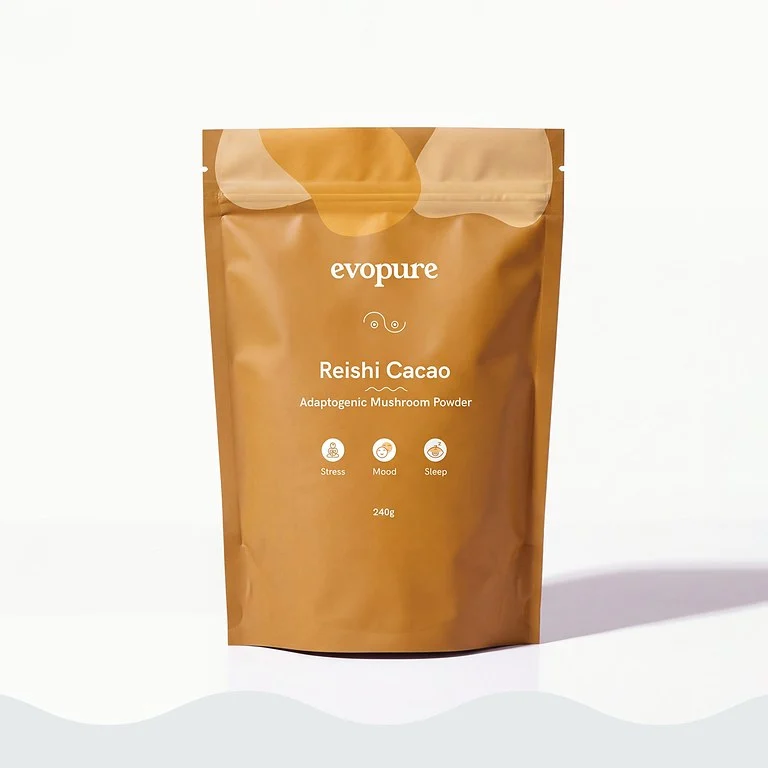
If you like a warm drink in the evening, our Reishi Mushroom Adaptogenic Complex is a reishi hot chocolate made with organic cacao, maca and coconut milk powder; cacao contains a little natural caffeine. Our Magnesium Glycinate Sleep Complex is a caffeine-free berry drink. Magnesium contributes to a reduction of tiredness and fatigue. Neither is a fibre supplement, so count your fibre from food.
Fibre, gut health, constipation, blood sugar and heart
Gut health
When gut bacteria ferment fibre, they produce short-chain fatty acids, which may support gut health. The BNF notes that eating more fibre can change your gut bacteria within weeks, although responses vary from person to person, so variety matters more than any single “superfood”. See our gut health guide and probiotics guide for the bigger picture.
Constipation
The NHS advises gradually increasing fibre, adding some wheat bran, oats or linseed, and drinking plenty of fluids if you’re constipated. In a 2022 King’s College London review of 16 trials, 66% of people with chronic constipation responded to fibre supplements compared with 41% on a placebo or control. Psyllium worked best, at doses above 10g a day for at least four weeks, though fibre also caused more wind.
On the GB register of authorised health claims, foods high in wheat bran fibre can say “Wheat bran fibre contributes to an acceleration of intestinal transit” (the effect needs at least 10g of wheat bran fibre a day). Similar authorised claims exist for oat, barley and rye fibre. If fibre alone isn’t enough, see magnesium for constipation.
Blood sugar
Fibre slows digestion, so carbohydrate is released more gradually. A 2020 review of 42 trials in adults with prediabetes or diabetes found higher-fibre diets improved HbA1c (a long-term blood sugar marker), fasting glucose, cholesterol and body weight. The authors suggested increasing fibre by about 15g a day, or to 35g. If you have diabetes, talk to your GP or diabetes team before big diet changes.
One authorised claim applies here: “Consumption of beta-glucans from oats or barley as part of a meal contributes to the reduction of the blood glucose rise after that meal”. It’s only allowed for foods with at least 4g of oat or barley beta-glucans for every 30g of available carbohydrate in a portion.
Heart and cholesterol
Some soluble fibres, particularly beta-glucans, can help lower LDL cholesterol by reducing how much is absorbed from the gut. The GB register allows foods with at least 1g of oat beta-glucan per portion to say: “Oat beta-glucan has been shown to lower/reduce blood cholesterol. High cholesterol is a risk factor in the development of coronary heart disease.” The beneficial effect is obtained with a daily intake of 3g of oat beta-glucan. A similar claim is authorised for barley beta-glucans.
How to eat more fibre without bloating
Jumping from 16g to 30g overnight often brings wind and cramps, because your gut bacteria need time to adjust. The BNF and NHS advice:
- Go slowly. Add one higher-fibre swap every few days, rather than changing everything at once.
- Drink plenty. Fibre draws water into the bowel. Most adults should aim for 6 to 8 glasses of fluid a day; see how much water should I drink?
- Mix your sources. If you bloat easily, oats and linseeds are often easier on the gut than bran or large portions of beans.
- Keep moving. Regular activity helps keep your gut working.
- Ease off if needed. If symptoms are uncomfortable, cut back a little, then increase more gradually.
Too much fibre too fast can cause bloating, wind, stomach cramps, constipation or diarrhoea, and very large amounts can make you too full to eat a varied diet. More tips in magnesium for bloating.
Who should be careful
- IBS: NICE advises that people with IBS are discouraged from eating insoluble fibre such as bran. If more fibre is advised, it should be soluble fibre, such as ispaghula (psyllium) or oats. NICE also says people with wind and bloating may find oats and up to 1 tablespoon of linseeds a day helpful. A low FODMAP diet should only be followed with advice from a healthcare professional with expertise in diet, usually a dietitian.
- Crohn’s disease or colitis: Crohn’s and Colitis UK says most people don’t need to limit fibre when their condition is under control, unless they have a narrowing in the bowel (a stricture). With a stricture you may be advised to avoid skins, seeds, stalks and wholegrains, so follow your IBD team or dietitian’s advice.
- Children: children need less fibre (see the table above). There’s no specific target for under-2s; they should get fibre from a varied diet once they start solid foods.
- Other conditions or medicines: if you have a bowel condition, have had bowel surgery, or take medicines that cause constipation, ask your GP, pharmacist or dietitian before making big changes.
Do you need a fibre supplement?
Most people don’t. Food gives you a mix of fibre types plus vitamins and minerals. A fibre supplement such as psyllium (ispaghula) has the strongest evidence for constipation and can be useful if you struggle to eat enough, but ask a pharmacist first, take it with plenty of water and build up slowly. We rank the evidence for psyllium and other options in supplements for digestion.
When to see a GP
The NHS advises seeing a GP if you’re regularly constipated or bloated, constipation isn’t getting better with treatment, you notice a sudden change in your bowel habits, have tummy pain, blood in your poo, lose weight without trying, or are constipated and feel tired all the time. Don’t stop a prescribed medicine without speaking to your GP first.
FAQs
What foods are highest in fibre?
Per portion, pulses and wholegrains top the list: red kidney beans (9.4g in 120g), wholegrain pasta (8.8g in 180g cooked), baked beans (8.5g in 200g), lentils (8.1g in 120g) and wholemeal bread (5.8g in 80g). Per 100g, bran flakes, dates, dried apricots and almonds are all very high.
How much fibre should I eat a day?
UK guidelines say 30g a day for adults, men and women alike. The latest national survey found adults average about 16g, and only 4% reach 30g.
What is the difference between soluble and insoluble fibre?
Soluble fibre, found in oats, barley, pulses and fruit, forms a gel and is often fermented by gut bacteria. Insoluble fibre, found in wheat bran, wholegrains and nuts, traps water and adds bulk to poo. Most plant foods contain both.
What is a good high fibre breakfast?
Porridge topped with berries and seeds gives around 8g of fibre. Wholemeal toast with peanut butter and an orange gives around 8.3g. Bran flakes, plain wholewheat biscuit cereals and no-added-sugar muesli are also good choices.
Can you eat too much fibre?
Yes. Increasing fibre too quickly can cause bloating, wind, cramps, constipation or diarrhoea. Build up gradually, drink plenty of fluids, and speak to a GP or dietitian if symptoms continue.
Does fibre help constipation?
Often, yes. The NHS advises gradually increasing fibre and drinking plenty of fluids. In a review of 16 trials, 66% of people with chronic constipation responded to fibre supplements, especially psyllium, compared with 41% on a control. See a GP if it isn’t improving.
How much fibre do children need?
About 15g a day at 2 to 5 years, 20g at 5 to 11 years and 25g at 11 to 16 years. From 16, the adult figure of 30g applies.
Sources
- NHS. How to get more fibre into your diet.
- British Nutrition Foundation. Fibre (fibre table and tips).
- Office for Health Improvement and Disparities and Food Standards Agency. National Diet and Nutrition Survey 2019 to 2023 report.
- NHS. Constipation.
- NICE. Irritable bowel syndrome in adults (CG61): recommendations.
- Crohn’s and Colitis UK. Food.
- Department of Health and Social Care. Great Britain nutrition and health claims (NHC) register.
- Reynolds A, et al. Carbohydrate quality and human health: a series of systematic reviews and meta-analyses. Lancet, 2019.
- van der Schoot A, et al. The effect of fiber supplementation on chronic constipation in adults. Am J Clin Nutr, 2022.
- Reynolds AN, et al. Dietary fibre and whole grains in diabetes management. PLoS Med, 2020.
This guide is general information, not medical advice. Evopure makes the Reishi Mushroom Adaptogenic Complex and Magnesium Glycinate Sleep Complex. Our products are for adults only, and we don’t recommend them during pregnancy or breastfeeding.