Last updated: October 2026
Chilblains are small, itchy, red or purple swellings on the toes or fingers that appear a few hours after you’ve been in the cold. They happen when cold skin is warmed up too quickly. Most clear up on their own in 2 to 3 weeks. Don’t scratch, warm up slowly, and see a GP if they keep coming back.
Below: symptoms, causes, who gets them, home treatment, prevention through a UK winter, how they differ from Raynaud’s, frostbite and COVID toes, and when to see a GP.
What are chilblains?
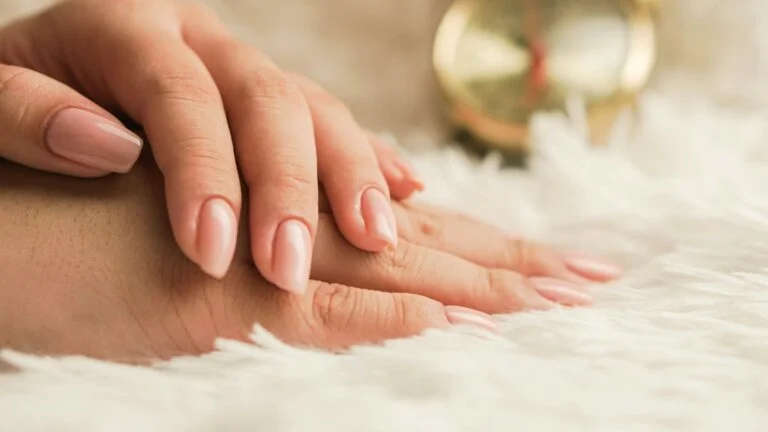
Chilblains (pernio) are small, itchy, painful patches of swollen skin caused by cold, usually cold and damp rather than freezing weather. The NHS says they appear a few hours after you’ve been in the cold. Symptoms include:
- Itching or burning, often worse in a warm room.
- Red, purple or dark blue patches of skin. Redness can be harder to see on brown and black skin.
- Swelling, sometimes with tenderness.
- Blisters or small sores in more severe cases, when the skin breaks.
They mostly affect the toes and fingers, but NHS inform lists the heels, ears and nose too, and the NHS adds the face and legs. In a large Mayo Clinic series of 104 people with chilblains, 82% had them on their toes and 30% on their fingers.
What causes chilblains?
Chilblains are an abnormal reaction to cold. Cold skin makes the small blood vessels narrow. If the skin is then warmed too quickly, the vessels near the surface widen faster than the deeper ones can cope with, and blood leaks into the surrounding tissue, causing swelling, itching and colour change.
Classic triggers are cold feet on a hot water bottle or radiator, hot water on cold hands, sitting too close to a fire, wet socks or shoes, and tight shoes or pressure from a bunion.
NHS inform notes chilblains are common in the UK because of our damp, cold winters: no snow needed. If you always feel the cold, our guide to why you might always be cold covers the everyday and medical reasons.
Who gets chilblains?
Anyone can get chilblains, but NHS inform says you’re more likely to if you have:
- Poor circulation.
- A family history of chilblains.
- Regular exposure to cold, damp or draughty conditions, at home or at work.
- A poor diet or low body weight.
- Lupus or Raynaud’s. See our guide to Raynaud’s symptoms and triggers.
- A smoking habit, because nicotine narrows blood vessels.
In the Mayo Clinic series, 79% of patients were women and the average age at diagnosis was 38. Most had no underlying condition, but a few had a connective tissue or blood disorder, one reason recurring chilblains are worth showing to a GP.
How long do chilblains last?
The NHS says chilblains usually clear up on their own in about 2 to 3 weeks. Some people get them every winter, and NHS inform notes that for a few people they can last for several months each year.
They can come back each time you get cold and warm up too fast, so the prevention habits below matter as much as treating the patch you have. If one hasn’t improved after 2 to 3 weeks, see a GP.
How to treat chilblains at home
There’s no instant fix, and most chilblains settle without treatment. The aim is to protect the skin, ease the itch and stop new ones forming. The NHS and NHS inform advise:
| Do | Don’t |
|---|---|
| Dry cold skin and let it warm up slowly | Warm hands or feet on a radiator, hot water bottle or in hot water |
| Ask a pharmacist about a soothing lotion for the itch, such as calamine or witch hazel | Scratch, rub or pick at the skin |
| Wear warm, dry socks and gloves, and keep feet moisturised | Smoke, as it affects blood flow to fingers and toes |
| Clean broken skin with antiseptic and cover it with an antiseptic dressing, changed every other day | Drink lots of caffeinated drinks or use decongestant medicine for a blocked nose without asking a pharmacist |
| Check your feet daily if you have diabetes, or ask someone to check them | Ignore pus or a high temperature |
A pharmacist is a good first stop: they can suggest a suitable lotion and tell you whether you need to see a GP. If you’re trying to cut down on caffeine, our guide to caffeine withdrawal explains how to do it without the headaches.
Broken skin? Keep it clean and covered, and don’t put creams, oils or balms on open skin unless a pharmacist or GP has advised it. Pus or a high temperature can be signs of infection and need a GP.
Treatment from a GP
For severe or recurring chilblains, a GP may prescribe a medicine that widens blood vessels, usually nifedipine, a daily tablet also used for Raynaud’s. Infected skin may need antibiotics, and if the cause is unclear you may be referred for tests. The research is small:
- Nifedipine: a London double-blind placebo-controlled trial found 20mg to 60mg a day shortened the time chilblains took to clear and prevented new ones.
- The bigger picture: a 2021 systematic review of 11 trials (576 people) found moderate evidence for nifedipine and pentoxifylline in severe or stubborn cases. Steroids, topical treatments and vitamin D had too little evidence or did no better than placebo.
- Simple measures work for most: in the Mayo Clinic series, warming, keeping skin dry and stopping smoking fully cleared chilblains in 23 of 28 patients followed up (82%).
Nifedipine is a prescription medicine with side effects, so it’s a conversation for your GP.
How to prevent chilblains in a UK winter
Prevention means avoiding big temperature swings and keeping hands and feet warm and dry. A winter checklist:
- Warm socks and gloves: thick socks, cotton-lined waterproof gloves, and layers on your legs.
- Roomy, dry shoes: avoid tight footwear, and warm and dry shoes gently before you put them on.
- Warm your hands before you go out, not just when you come back in.
- Keep at least one room warm at home. Our hygge guide has ideas for a cosier home, and the best bedroom temperature for sleep covers warm feet at night.
- Don’t sit right up against the fire or put your feet on the radiator. Let them warm up gradually.
- Keep moving: staying active helps, so try Japanese walking.
- Eat at least one hot meal a day, as NHS inform suggests, and keep your weight in a healthy range.
- Moisturise your feet and keep an eye on any broken skin.
- Stop smoking and go easy on caffeinated drinks.
After cold water swimming or cold showers, warm up with dry layers and a warm drink, not a hot shower or the heater. More in our winter wellness guide.
Chilblains vs Raynaud’s vs frostbite vs COVID toes
These are often confused, but they’re different problems with different urgency.
| Condition | What it looks and feels like | How long | What to do |
|---|---|---|---|
| Chilblains | Itchy or burning red, purple or dark blue swellings that appear hours after cold and damp, worse in the warm | Usually 2 to 3 weeks | Warm up slowly, don’t scratch, pharmacist for a lotion, GP if they keep coming back |
| Raynaud’s | Fingers or toes go white, then blue or red, with numbness, pain or pins and needles, triggered by cold or stress | Minutes to a few hours per attack | Keep warm, avoid sudden temperature changes, GP if severe, new after 30 or one-sided |
| Frostbite | Skin is cold, hard and frozen, white, blue or blotchy, numb, sometimes with blisters, after very cold temperatures | Can cause lasting damage | Call 999 or go to A&E. Warm in warm (not hot) water, don’t rub |
| COVID toes | Chilblain-like red or purple patches on toes or fingers, often in younger people with few other symptoms | Most resolved, often without treatment | See a GP or pharmacist if unsure, especially with other symptoms |
The key difference is timing: Raynaud’s colour changes come and go within an attack, while chilblains are swellings that last days to weeks, and you can have both. “COVID toes” were widely reported early in the pandemic, but a 2023 review of 4,982 cases found only 19% of those tested were positive for the virus, so the link is still debated.
Staying well through winter
Nothing you buy prevents chilblains: warm, dry feet and slow rewarming do the work. That said, the NHS advises everyone to consider 10 micrograms of vitamin D a day in autumn and winter, as we don’t make enough from sunlight between October and early March. Vitamin D isn’t a chilblain treatment, but it contributes to the normal function of the immune system. See vitamin D in winter, how to support your immune system and why you feel tired in winter.
Our Evolabs Mint CBD Oil with Vitamin D3 gives 5 micrograms of vegan vitamin D3 per half pipette alongside broad spectrum CBD. CBD isn’t a treatment for chilblains or circulation problems. Count all vitamin D sources towards your daily total. Adults only, and we don’t recommend our products during pregnancy or breastfeeding.
The FSA’s 10mg a day figure is precautionary advice rather than a legal limit, set while longer-term safety research continues. At Evopure we think it is a very cautious figure, and many adults use more. If you go above it, increase slowly, and check with your GP or pharmacist first if you take any medication.
When to see a GP
The NHS and NHS inform say to contact your GP practice if:
- Your skin hasn’t improved after 2 to 3 weeks.
- Pus is coming from the skin, or it looks infected.
- You have a very high temperature, or feel hot, cold or shivery.
- You keep getting chilblains.
- Your chilblains are severe.
- You have diabetes, because foot problems can be more serious and you may not feel an infected chilblain.
Call 999 or go to A&E if you’ve been in very cold temperatures and the skin is hard and frozen, swollen and numb, or blistered, as that could be frostbite. Call 999 too if someone is very cold and confused, very tired, has slurred speech or slow breathing, as these can be signs of hypothermia.
Related guides
- For tingling fingers and toes that isn’t chilblains, see what causes pins and needles.
- For everyday ways to keep your toes warm all winter, see cold feet: causes and what helps.
- Keeping skin moisturised through the cold months helps too. Here’s how to look after dry skin in winter, including emollient fire safety.
- Warming your bed? See our electric blanket safety checklist.
- Hot water bottle safety, and why it is best to warm the bed rather than your toes.
FAQs
How long do chilblains last?
Usually about 2 to 3 weeks, the NHS says, though some people get them every winter. See a GP if they haven’t improved after 2 to 3 weeks.
What is the fastest way to get rid of chilblains?
There’s no instant cure. Keep the area warm and dry, warm up gradually, don’t scratch, and ask a pharmacist about a soothing lotion. For severe or recurring chilblains, a GP may prescribe a medicine that widens blood vessels.
Should I put chilblains in hot water?
No. The NHS advises against warming hands or feet on a radiator or in hot water. Warming cold skin too quickly is what causes chilblains.
Are chilblains a sign of poor circulation?
Poor circulation makes them more likely, as do smoking, low body weight, Raynaud’s and lupus. Most people have no underlying illness, but see a GP if you keep getting them.
What is the difference between chilblains and frostbite?
Chilblains are itchy swellings from cold, damp conditions and rewarming too fast, and clear in a few weeks. Frostbite is tissue freezing in very cold temperatures, leaving skin hard, numb and pale or blotchy. It’s an emergency: call 999 or go to A&E.
Can you get chilblains on your hands and ears?
Yes. They’re most common on the toes, but can also affect the fingers, heels, ears, nose, face and legs.
Sources
- NHS. Chilblains.
- NHS inform. Chilblains.
- NHS. Raynaud’s.
- NHS. Frostbite.
- NHS. Vitamin D.
- Rustin MH et al. The treatment of chilblains with nifedipine. Br J Dermatol, 1989.
- Pratt M et al. Pharmacologic treatment of idiopathic chilblains (pernio): a systematic review. J Cutan Med Surg, 2021.
- Cappel JA, Wetter DA. Pernio (chilblains) in 104 patients at Mayo Clinic, 2000 to 2011. Mayo Clin Proc, 2014.
- Starkey SY et al. Chilblain-like lesions coinciding with the SARS-CoV-2 pandemic. Clin Dermatol, 2023.
This guide is general information, not medical advice. Evopure makes the Evolabs Mint CBD Oil with Vitamin D3.