









Updated July 2026
In 2026, “magnesium” is one of the biggest supplement searches in the UK — but most people get stuck on the same question: which type of magnesium is actually best? That’s because different forms can feel completely different depending on your goal — sleep, stress, muscle cramps, digestion, or focus.
This guide compares the most searched forms in the UK: magnesium glycinate (also called bisglycinate), magnesium citrate, magnesium oxide, and magnesium L-threonate.
This article is educational and not medical advice.
Quick answer: which magnesium is best?
- Best for sleep & calm: Magnesium glycinate (bisglycinate)
- Best for constipation / digestion: Magnesium citrate
- Best budget option: Magnesium oxide (but not ideal for everyone)
- Best for brain / cognition: Magnesium L-threonate (often used for “mental clarity” goals)
Most people looking for better sleep or less tension start with glycinate because it’s commonly described as gentle and calming.
Comparison table: glycinate vs citrate vs oxide vs threonate
| Type | Best for | Common notes | Who it suits |
|---|---|---|---|
| Glycinate (bisglycinate) | Sleep, stress, tension | Often considered gentle; commonly taken at night | “Wired but tired”, anxious evenings, muscle tightness |
| Citrate | Digestion, constipation | More likely to loosen stools at higher doses | People wanting magnesium + bowel regularity support |
| Oxide | Budget magnesium | Often used because it’s cheap; may not suit sensitive stomachs | People who tolerate it well and want a low-cost option |
| L-threonate | Brain, cognition | Often marketed for brain support; usually taken consistently | People focused on mental clarity / cognitive goals |
Magnesium glycinate: best for sleep & calm?
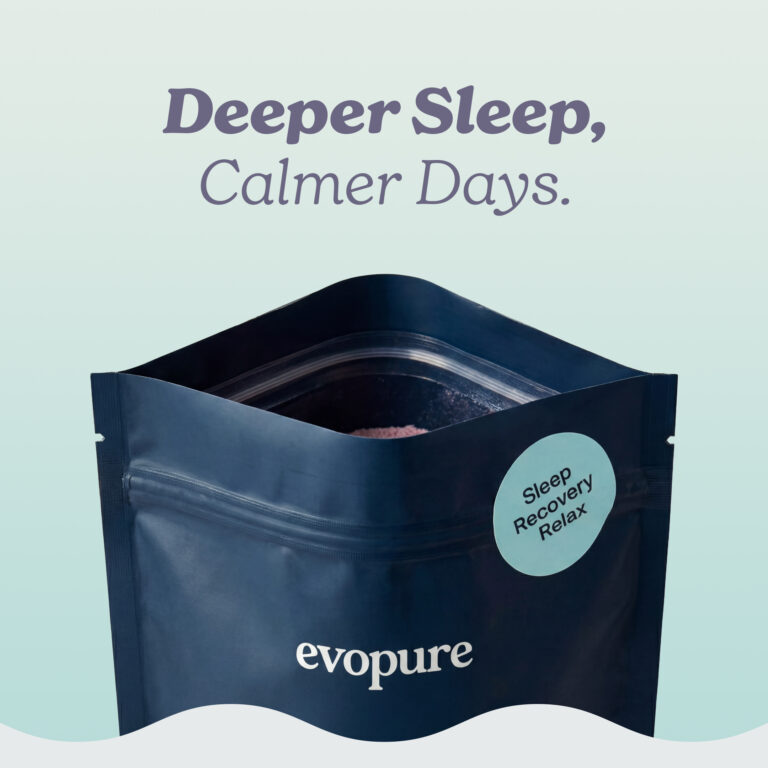
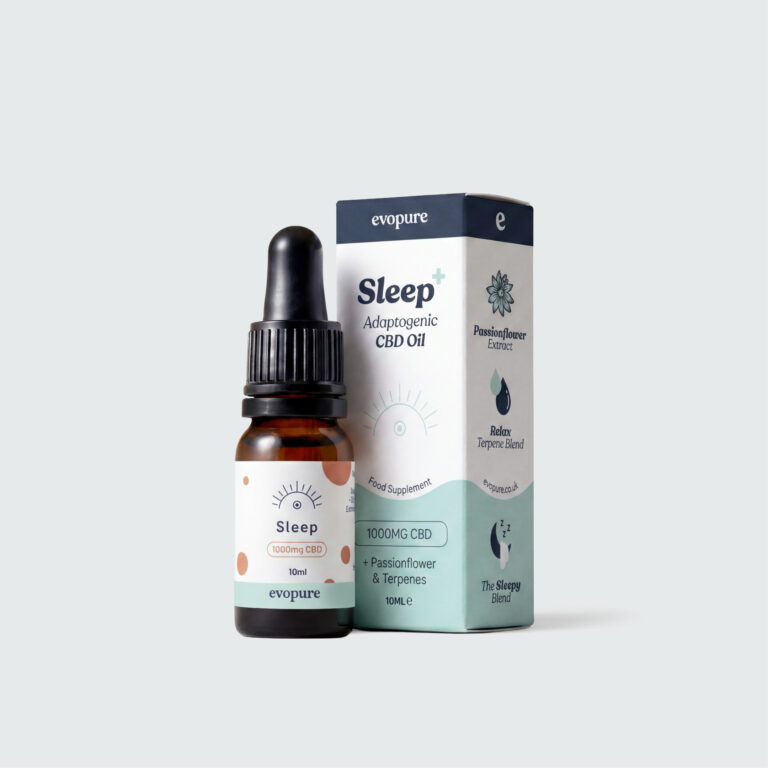
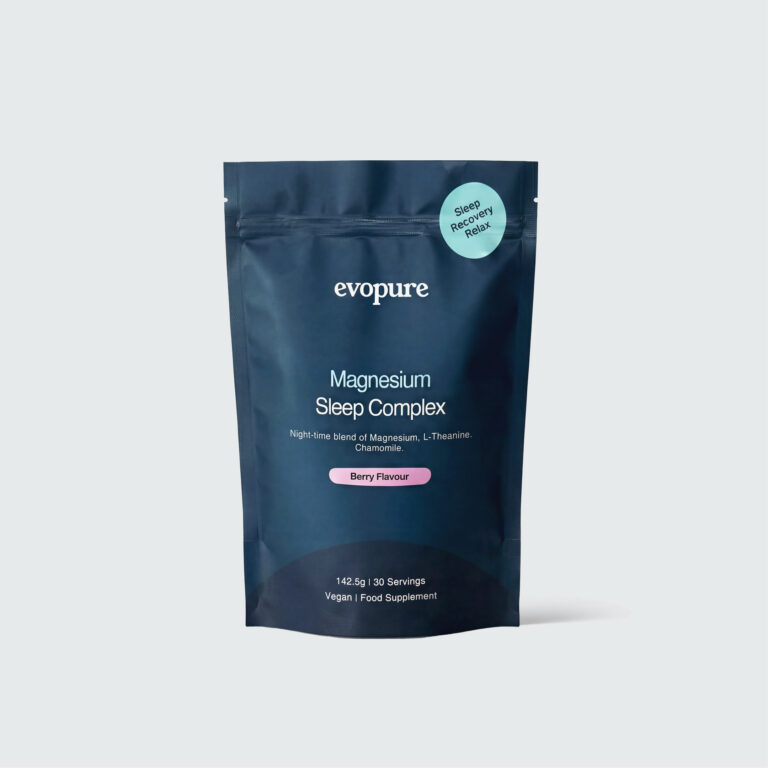
Magnesium glycinate (also called bisglycinate) is one of the most recommended forms for people who want better sleep quality, less evening tension, support for stress and anxious feelings, and fewer cramps or restless legs. It’s also popular because many people find it easier to take consistently. If your goal is sleep, our easiest option is Magnesium Sleep Blend.
Magnesium citrate: best for digestion?
Magnesium citrate is often chosen by people who want magnesium support but also struggle with constipation, slower digestion, or feeling “backed up.” Heads up: citrate can be more likely to cause loose stools at higher doses. If you want calm/sleep support and you’re sensitive, glycinate is often the gentler starting point.
Magnesium oxide: cheap but effective?
Magnesium oxide is common in supermarkets because it’s inexpensive and widely available. Some people do fine with it. Others don’t like it because it can be harsher on digestion and doesn’t align with what most people are looking for (sleep/calm). If your goal is sleep and relaxation specifically, many people start with glycinate instead.
Magnesium L-threonate: best for brain?
Magnesium L-threonate is often searched by people who care about brain fog, mental clarity, focus, and cognition. It tends to be taken consistently as part of a “brain support” routine rather than as an immediate sleep supplement.
How to choose the right magnesium (UK checklist)
1) Start with your goal
- Sleep/stress: glycinate
- Constipation: citrate
- Brain: threonate
- Budget: oxide (if you tolerate it)
2) Check the label for “elemental magnesium”
What matters is the amount of elemental magnesium per serving — not just the compound name.
3) Avoid “mystery blends”
If a label doesn’t show amounts clearly, it’s hard to dose properly and hard to compare.
4) Choose a format you’ll actually take
Powder, capsules, tablets — consistency beats perfection.
How much magnesium should you take?
Dose depends on your diet, your sensitivity, and why you’re using magnesium. A smart approach: start low, use it daily for 1–2 weeks, and increase slowly if needed. Note the general upper level for supplemental magnesium in adults is around 350mg/day (not counting magnesium from food).
Frequently asked questions
Is magnesium glycinate the same as bisglycinate?
They’re commonly used interchangeably. Bisglycinate usually means magnesium bound to two glycine molecules and is often referred to as magnesium glycinate.
Which magnesium is best for sleep?
Magnesium glycinate (bisglycinate) is one of the most commonly chosen options for sleep and relaxation.
Which magnesium is best for constipation?
Magnesium citrate is often used for constipation support because it can draw water into the bowel, especially at higher doses.
Which magnesium is best for anxiety?
Many people choose magnesium glycinate for calm and stress support because it’s commonly described as gentle and well tolerated.
Can I take different magnesium types together?
Some people do, but you should track your total elemental magnesium intake. If you take prescription medication or have kidney issues, speak to a healthcare professional first.
Final thoughts & where to start
If you want the easiest “most people” answer: for sleep/stress, start with magnesium glycinate (bisglycinate); for digestion, consider magnesium citrate; for brain goals, look into magnesium L-threonate. If your main goal is better sleep and a calmer body at night, start here: Magnesium Sleep Blend.