










Updated July 2026
If you’ve searched “magnesium glycinate for sleep”, you’re probably dealing with one of these: tired but can’t switch off, waking up at 2–4am, restless body or twitchy legs, or feeling wired at night. Magnesium glycinate is one of the most popular sleep supplements in the UK right now — but does it actually work? This guide breaks it down properly so you know whether it’s worth trying.
Quick answer: does magnesium glycinate help sleep?
For many people — yes. Magnesium glycinate is commonly used for sleep because it supports muscle relaxation, helps the nervous system shift out of “fight or flight,” contains glycine (linked to calming effects), and is generally gentle on the stomach. But it’s not a sleeping pill — it works best with consistency.
Why magnesium helps with sleep
Magnesium plays a key role in how your body relaxes at night. It’s involved in nervous system regulation, muscle relaxation, and sleep-wake signalling. If you feel physically tense or mentally “on edge,” magnesium can help your body come down.
Why magnesium glycinate is best for sleep
Not all magnesium is the same. Glycinate (bisglycinate) is popular for sleep because it’s less likely to cause digestive issues, is often associated with calmness, and is better suited for night-time use than citrate. If your goal is relaxation and sleep, this is usually the starting point.
Best time to take magnesium for sleep
- 1–2 hours before bed (most common)
- With your evening meal
- Or split dose late afternoon + evening
If you take it too late and feel groggy, move it earlier.
How much magnesium glycinate should you take?
There’s no one perfect dose. Best approach: start low, stay consistent for 1–2 weeks, and increase gradually if needed. Always check the label for elemental magnesium.
Best sleep stack (what actually works)
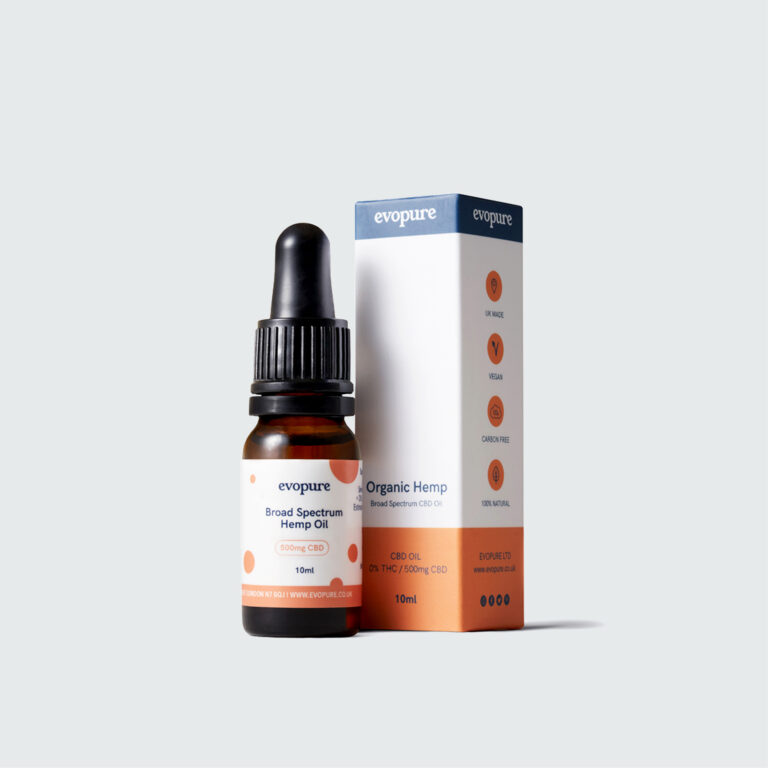
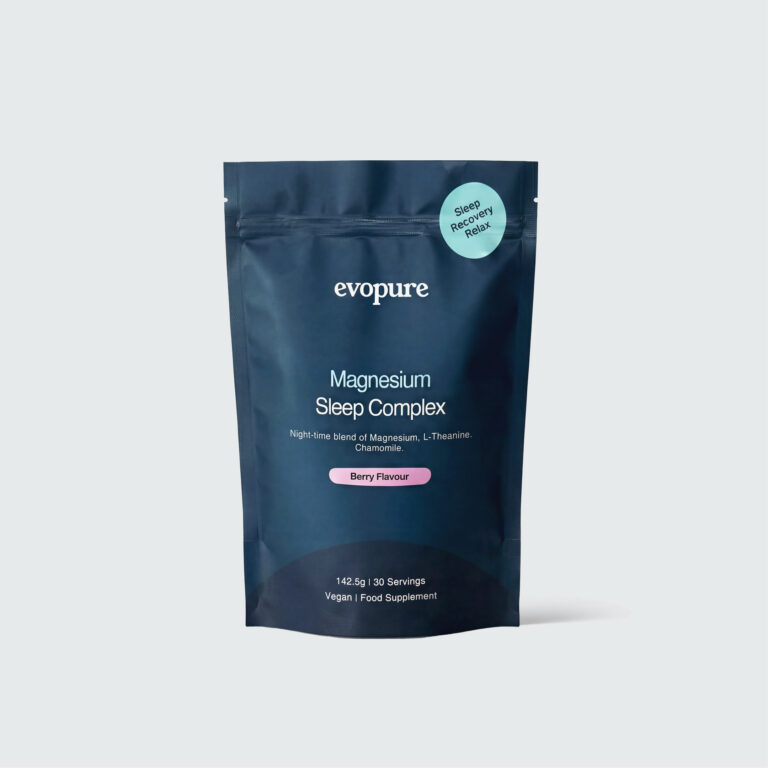
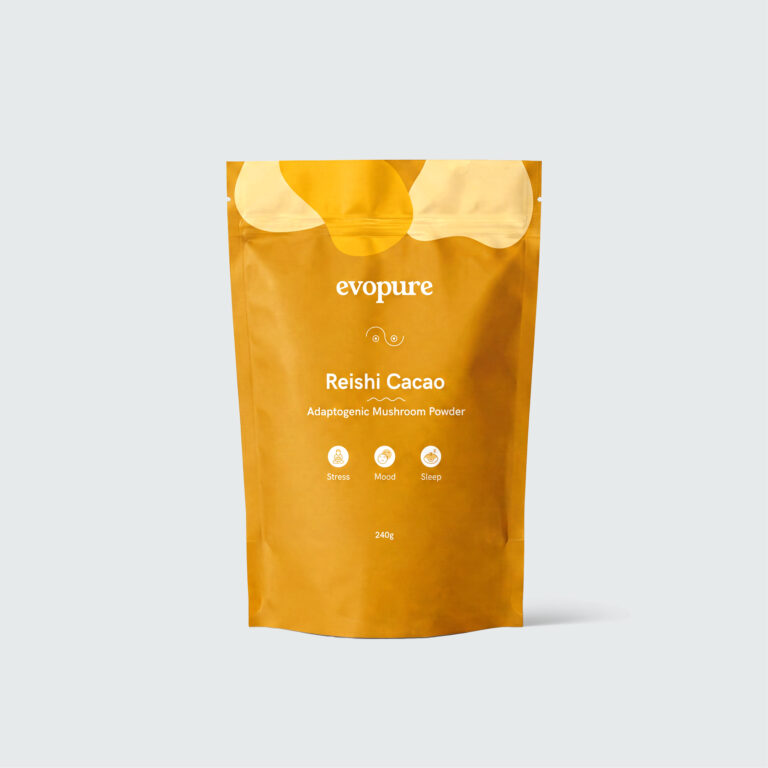
Magnesium works best when stacked properly. A simple sleep stack: Magnesium Sleep Blend, Sleep CBD Oil, and Reishi Cacao Powder. This covers muscle relaxation, nervous system calm, and mental wind-down.
Side effects
- Mild digestive upset (rare with glycinate)
- Drowsiness if too much
- Loose stools at higher doses
Speak to a professional if you have kidney issues, take medication, or are pregnant/breastfeeding.
Frequently asked questions
How long does magnesium take to work for sleep?
Some notice changes in a few days, but most see benefits after 1–2 weeks.
Is magnesium glycinate better than citrate for sleep?
Yes — glycinate is usually better suited for sleep and relaxation.
Can magnesium make you sleepy?
It doesn’t knock you out, but it helps your body relax naturally.
Can I take magnesium every night?
Many people do, but check your total intake and speak to a professional if unsure.
Final thoughts
Magnesium glycinate is one of the easiest, most effective starting points for better sleep. If you want the simplest approach: start with Magnesium Sleep Blend, add Sleep CBD Oil, and use Reishi Cacao for routine. Track your sleep for 1–2 weeks — that’s where the real results come.