














Updated July 2026
If you’ve searched for magnesium lately, you’ve probably noticed the same problem: there are loads of types — and everyone claims theirs is “the best.” The truth is simpler: different forms of magnesium are used for different outcomes. Some are better for sleep and calming the nervous system. Others are better for digestion. And a few are positioned for brain support.
Quick answer: which magnesium should you choose?
- For sleep + anxious feelings: start with magnesium glycinate.
- For constipation / sluggish digestion: consider magnesium citrate (start low).
- For “brain focus” support: magnesium L-threonate is the popular pick, but usually the most expensive per serving.
If your main goal is night-time calm + better sleep quality, a magnesium blend built around high-absorption forms tends to be the best one-and-done option.
Magnesium glycinate: best for sleep & anxiety?
Magnesium glycinate is magnesium bound to glycine (an amino acid associated with relaxation). It’s popular because it’s typically gentle on the stomach and well-suited to evening use.
Best for
- “Wired but tired” nervous system
- Bedtime relaxation and sleep routines
- Muscle tightness / tension
- People who get loose stools from other magnesium types
Most people describe it as a subtle calming effect — less “knockout,” more “easier to switch off.”
Magnesium citrate: best for constipation & bloating?
Magnesium citrate is widely used for digestion because it can draw water into the intestines — helpful for constipation, but also why it can cause looser stools if the dose is too high.
Best for
- Constipation or slow transit
- People who feel “backed up” and bloated
- Short-term digestive support (start low and assess)
Magnesium L-threonate: best for the brain?
Magnesium L-threonate is often marketed for cognition, focus and “brain fog.” It’s usually more expensive, and many people still prefer glycinate at night if their primary goal is sleep.
Best for
- People prioritising cognitive support (focus, mental fatigue)
- Those happy to pay more per serving
- Stacking alongside a calmer night routine
How to choose the right magnesium (UK checklist)
- Choose based on your #1 goal (sleep/anxiety vs digestion vs brain).
- Start low and increase slowly — especially with citrate.
- Check “elemental magnesium” on the label (not just compound weight).
- Avoid mega-dosing unless supervised — high supplemental magnesium can cause diarrhoea and cramping.
- If you take medication, check spacing and interactions (see below).
How much magnesium should you take?
- Start: a low dose for 3–5 nights
- Adjust: gradually until you notice benefits
- Stop increasing if you get loose stools or stomach upset
Important: high supplemental magnesium doses can cause diarrhoea, nausea and cramping. The general upper intake level for supplemental magnesium in adults is 350mg/day (not counting magnesium naturally found in food).
Side effects & who should avoid magnesium
Common side effects
- Loose stools (more common with citrate)
- Nausea or stomach discomfort (usually dose-related)
- Grogginess (rare; more likely if dose is too high at night)
Speak to a clinician first if you:
- Have kidney disease
- Take antibiotics like tetracyclines or quinolones (may need spacing)
- Take osteoporosis medicines like bisphosphonates
- Use diuretics or long-term PPIs
Magnesium can bind to certain antibiotics and reduce absorption — a common rule is taking the antibiotic at least 2 hours before or 4–6 hours after a magnesium supplement.
What we recommend (and why)
If your main goal is sleep + switching off at night, our go-to is a magnesium formula designed specifically for evening use:
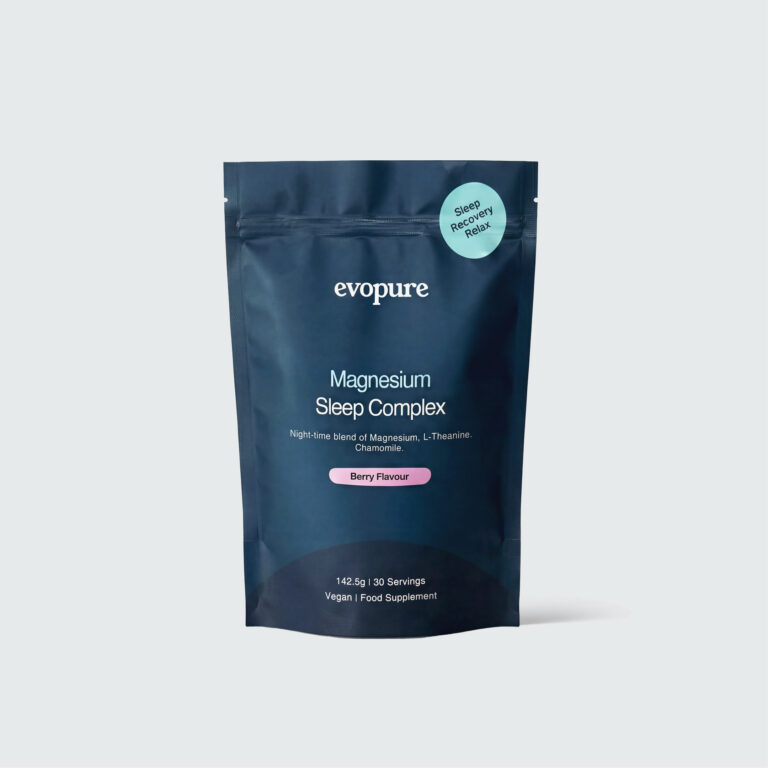
- Magnesium Sleep Blend — a sleep-focused magnesium powder for a calmer night routine
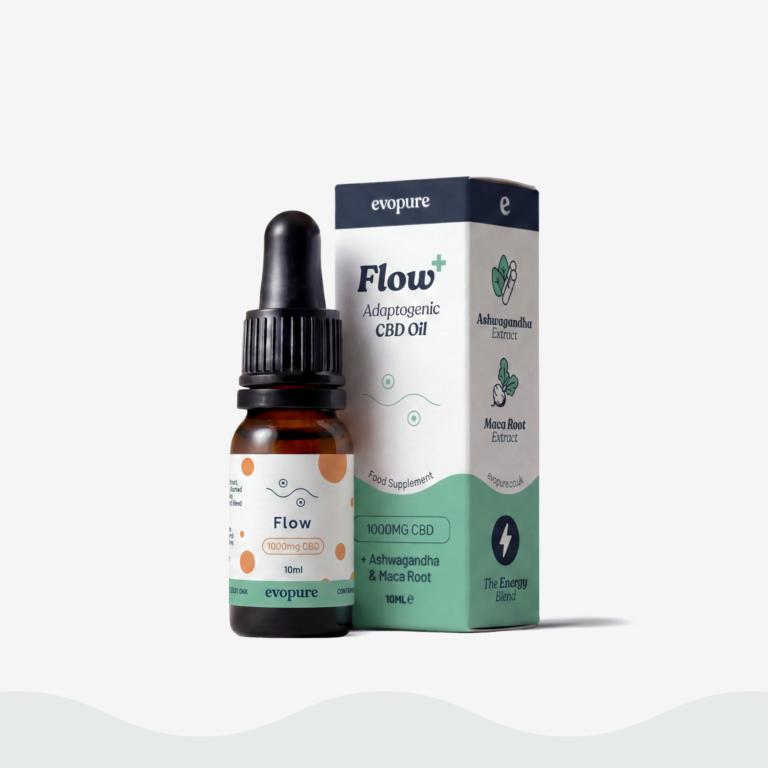
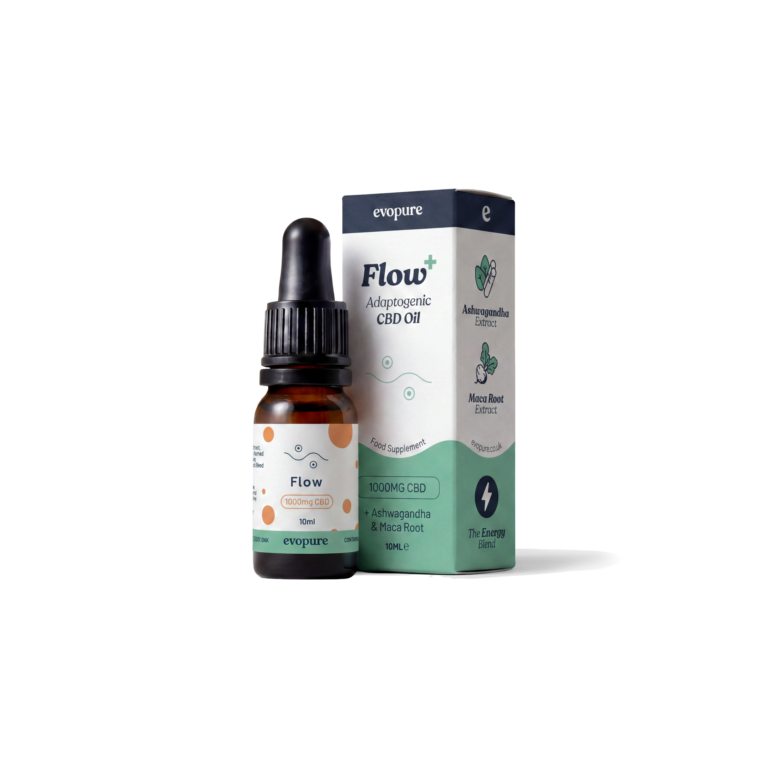
- Sleep CBD Oil — if your mind races at night
- CBD Capsules — if you prefer fixed dosing
- CBD Balm — for targeted muscle/joint comfort
Frequently asked questions
Which magnesium is best for sleep?
Most people start with magnesium glycinate for sleep because it’s typically gentle and suits evening use. If digestion is the issue, citrate may be better — but it’s more likely to loosen stools.
Which magnesium is best for bloating or constipation?
Magnesium citrate is commonly used for constipation because it can draw water into the gut. Start low to avoid diarrhoea.
Is magnesium L-threonate better than glycinate?
L-threonate is often chosen for cognitive support. If your main goal is sleep or calming, glycinate is usually the simpler first pick.
Can magnesium interact with antibiotics?
Yes. Magnesium can bind to certain antibiotics and reduce absorption. A common approach is taking antibiotics at least 2 hours before or 4–6 hours after magnesium.
How long does magnesium take to work?
Some people notice calming effects the same day, especially when taken in the evening. For deeper sleep improvements, many people assess results after 1–2 weeks of consistent use.
Final thoughts
The “best” magnesium depends on your goal: glycinate for sleep/anxiety, citrate for constipation, and L-threonate for brain-first support. Start low, stay consistent, and choose a form that matches your body — not marketing hype.