Last updated: 19 November 2026
Can you take CBD with ADHD medication? Only if your ADHD specialist team agrees first, then your GP or pharmacist. The BNF lists CBD with guanfacine because both can cause drowsiness. In lab tests CBD blocks CYP2D6, the enzyme that clears atomoxetine. One small study found little change with methylphenidate, and nothing has been studied with Elvanse.
This is general information, not medical advice. Never stop or change an ADHD medicine to try CBD.
What the BNF and product information say
The BNF is the reference UK doctors and pharmacists use. We checked its CBD (cannabidiol) list, each ADHD medicine’s own list and the UK product information on 19 November 2026:
| Medicine | BNF entry with CBD | How it is broken down |
|---|---|---|
| Lisdexamfetamine (Elvanse) | None | Turned into dexamfetamine in red blood cells |
| Methylphenidate (Ritalin, Concerta, Medikinet) | None | Mainly by an enzyme called CES1 |
| Atomoxetine | None | Mainly by the liver enzyme CYP2D6 |
| Guanfacine (Intuniv) | Listed: both can cause sedation | Mainly by the liver enzyme CYP3A4 |
“No BNF entry” doesn’t mean “checked and safe”. The Food Standards Agency (FSA) advises, as a precaution, that people taking any medication should not use CBD unless under medical direction, and that healthy adults take no more than 10mg of CBD a day.
iThe NHS says ADHD medicines must be started and monitored by an ADHD specialist, so that team (or the GP prescribing under shared care) is your first contact. For all medicines, see can CBD interact with medication?
Elvanse and CBD
Elvanse (lisdexamfetamine) is an inactive “prodrug”. Its product information says red blood cells convert it into dexamfetamine, which does the work, and that it didn’t block the main CYP liver enzymes in lab or human tests.
- No known CBD interaction. Neither the BNF nor the Elvanse or Epidyolex product information lists one.
- Nothing measured. We found no study of Elvanse or dexamfetamine with CBD in people (PubMed search, 19 November 2026).
- What does change it. The product information says things that make urine more alkaline, such as sodium bicarbonate, keep dexamfetamine in the body longer, and things that make urine more acidic, such as vitamin C (ascorbic acid), shorten it. Mention indigestion remedies and high-dose vitamin C to your pharmacist too.
Methylphenidate and CBD
Methylphenidate (Ritalin, Concerta XL, Medikinet, Delmosart, Equasym) is not broken down by the CYP enzymes to any relevant extent, the Concerta XL product information says. It is mainly cleared by another liver enzyme, carboxylesterase 1 (CES1). It is the one ADHD medicine where CBD has been tested in people:
- Lab and computer modelling (2022). CBD blocked CES1 in human liver samples, and the model predicted a mild rise in methylphenidate with repeated high doses of prescription CBD. The authors said this needed a proper study (Qian and Markowitz).
- A small human study (2022). Twelve healthy adults took 750mg of CBD twice a day for three days, then one 10mg dose of methylphenidate. Levels were about 9% higher on average than with a dummy solution, which the researchers judged unlikely to be clinically significant (Markowitz and colleagues).
Keep that in proportion: 750mg twice a day is 150 times the FSA’s 10mg a day, it was one dose in healthy volunteers, and nobody has studied people on daily treatment. The product information also advises caution when combining methylphenidate with other medicines.
Atomoxetine and the CYP2D6 question
Atomoxetine is the medicine with the clearest theoretical concern. Its product information says it is broken down by CYP2D6, that medicines blocking CYP2D6 (such as fluoxetine and paroxetine) can raise atomoxetine exposure 6 to 8 times, and that about 7% of white people already have much higher levels because their CYP2D6 doesn’t work.
- In the lab. A 2011 study found CBD blocked CYP2D6 in human liver samples (Yamaori and colleagues). Lab results don’t always happen in people.
- In people. We found no study of atomoxetine with CBD (PubMed search, 19 November 2026). The BNF has no entry, and the Epidyolex product information doesn’t list CYP2D6.
So this is a possible interaction, not a proven one: a good reason to ask first, especially if you also take an antidepressant. See CBD and antidepressants.
Guanfacine and drowsiness
Intuniv (guanfacine) is licensed in the UK for children and teenagers aged 6 to 17. It is the only ADHD medicine here with a BNF entry for CBD: both can cause sedation, which might affect skilled tasks such as driving or cycling.
- Liver enzymes. The Intuniv product information says medicines that block CYP3A4 raise guanfacine levels and the risk of low blood pressure, a slow heart rate and sleepiness. The Epidyolex product information says CBD did not block CYP3A4 in a human study, so the documented concern is added drowsiness.
- Other cautions. Don’t take guanfacine with high-fat meals or alcohol, and don’t stop it suddenly, because blood pressure and pulse can rise, the product information says.
Children and teenagers
Many people asking about CBD and ADHD medicine are parents. The answer for children is simpler:
- The FSA doesn’t recommend CBD for children (under 18) or anyone taking medication, unless under medical direction.
- The NHS says there isn’t enough information to show that herbal remedies and supplements are safe with methylphenidate for children, and asks parents to check with the doctor or pharmacist before giving any.
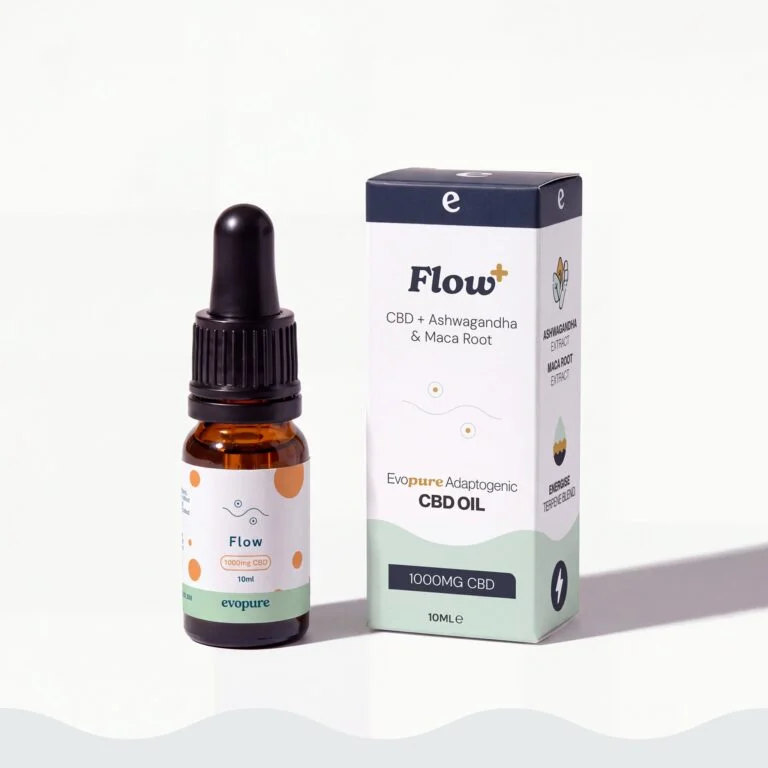
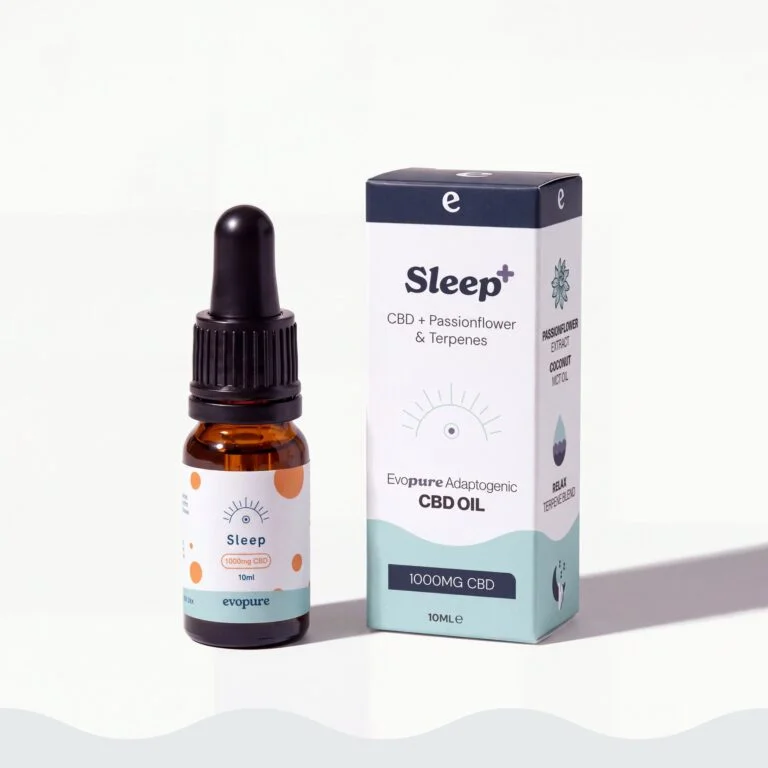
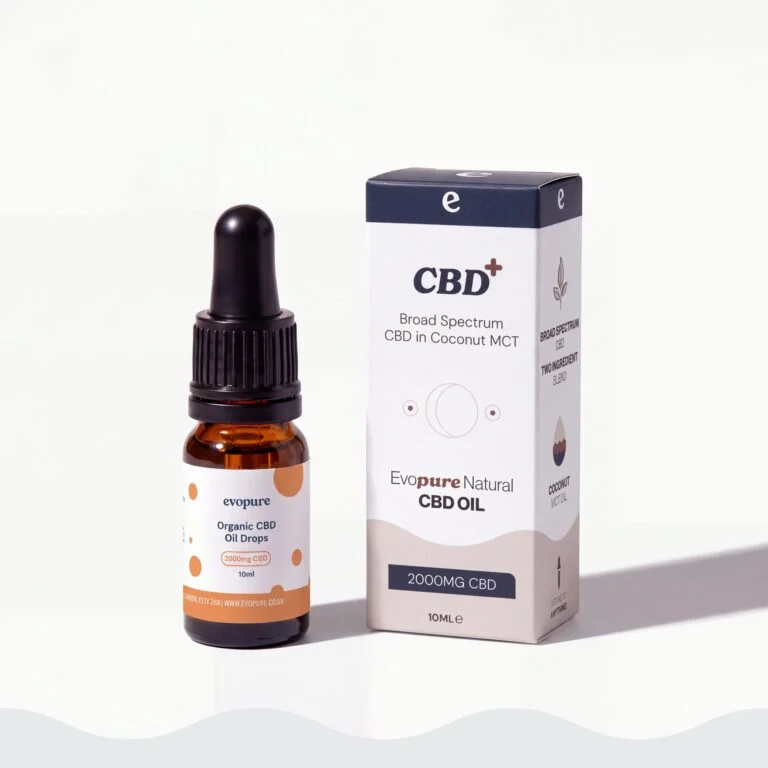
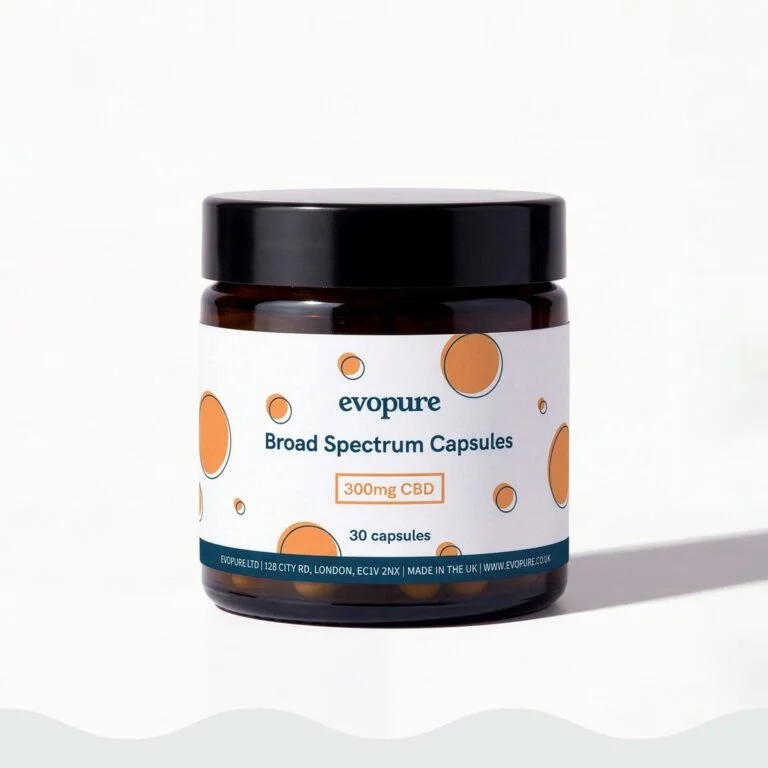
- CBD food supplements are for adults. Evopure’s products are for adults (18+) only.
If you are thinking about CBD for a child or teenager, talk to their ADHD team first. Background: CBD for kids.
Blood pressure checks and alcohol and driving
The Elvanse and Concerta XL product information says blood pressure and pulse should be recorded at every dose change and at least every 6 months. Use those reviews to mention everything you take, including CBD.
- Alcohol. The Concerta XL information says it is advisable to avoid alcohol during treatment, and the Intuniv information says not to drink it. The BNF says CBD and alcohol together can add to sedation. See CBD and alcohol.
- Driving. The NHS says you must tell the DVLA if your ADHD or your ADHD medicine affects your driving. The Epidyolex information says not to drive until you know how CBD affects you. See CBD and driving in the UK.
More: CBD side effects and is CBD bad for your liver?
Never stop or change ADHD medicine to try CBD
Keep taking your ADHD medicine exactly as prescribed; any change should come from your ADHD team. CBD sold in shops is a food supplement, not a medicine, and it is not a treatment for ADHD. The only licensed CBD medicine in the UK, Epidyolex, is prescribed by specialists for certain rare types of epilepsy.
For what research has looked at so far, see CBD and ADHD; it isn’t a reason to change your treatment. See also ADHD and sleep.
Questions for your ADHD team
Take your medicine list, with the times you take each one, and the CBD label. Ask:
- Is CBD a reasonable idea with my ADHD medicine and my other medicines, or should I avoid it?
- I take atomoxetine (or an antidepressant). Does the CYP2D6 point matter for me?
- Which side effects should make me stop the CBD and call you?
Where to find support
ADHD UK (charity number 1188365), one of the charities the NHS lists, offers information and online support groups for adults with ADHD and parents at adhduk.co.uk (checked 19 November 2026).
If you’re struggling, you don’t have to wait for your next review. The NHS notes that people with ADHD can be more likely to have mental health problems.
- Samaritans: call 116 123, free from any phone, any time (checked 19 November 2026).
- NHS 111: call 111 and choose the mental health option, or use 111 online.
- Call 999 or go to A&E in an emergency.
Sources 8
- BNF (NICE). Interactions: cannabidiol, lisdexamfetamine, methylphenidate, atomoxetine, guanfacine. Checked 19 November 2026.
- emc product information (SmPC), checked 19 November 2026: Elvanse Adult (revised 2 October 2026); Concerta XL (revised 6 November 2025); atomoxetine (Atomaid) (revised October 2024); Intuniv (revised 5 March 2026); Epidyolex (revised 8 June 2026).
- NHS. ADHD in adults, ADHD in children and young people and methylphenidate for children with other medicines and supplements. Checked 19 November 2026.
- Food Standards Agency (GOV.UK). Cannabidiol (CBD) guidance. Updated 28 August 2026.
- Markowitz JS et al. Cannabidiol and the pharmacokinetics of methylphenidate. Med Cannabis Cannabinoids, 2022. PMID 36467779.
- Qian Y, Markowitz JS. CES1-mediated interaction between methylphenidate and cannabinoids. Drug Metab Dispos, 2022. PMID 35512806.
- Yamaori S et al. Cannabidiol as a potent atypical inhibitor for CYP2D6. Drug Metab Dispos, 2011. PMID 21821735.
- ADHD UK, Samaritans and NHS urgent mental health help. Checked 19 November 2026.
General information, not medical advice. Evopure makes CBD food supplements, and we don’t recommend starting CBD alongside any ADHD medicine without your ADHD team’s OK. See can CBD interact with medication? and CBD side effects. Evopure is not connected with the makers of any medicine named here.