Last updated: October 2026
The UK Food Standards Agency advises that CBD food supplements, including oils and gummies, are not recommended for children under 18 unless under medical direction. The one well-proven use is a prescription CBD medicine, Epidyolex, for certain rare childhood epilepsies, prescribed by a specialist. If you’re thinking about CBD for your child, speak to your GP first.
This guide explains UK advice, what the research shows for epilepsy, autism and sleep, why shop-bought CBD is different from prescription CBD, and what to do instead.
What UK guidance says
The FSA’s advice is clear: as a precaution, it does not recommend CBD for vulnerable groups unless under medical direction. These include children under 18, people taking medication, those trying to conceive and those who are pregnant or breastfeeding. Long-term safety data in children is limited, and children are still growing and developing.
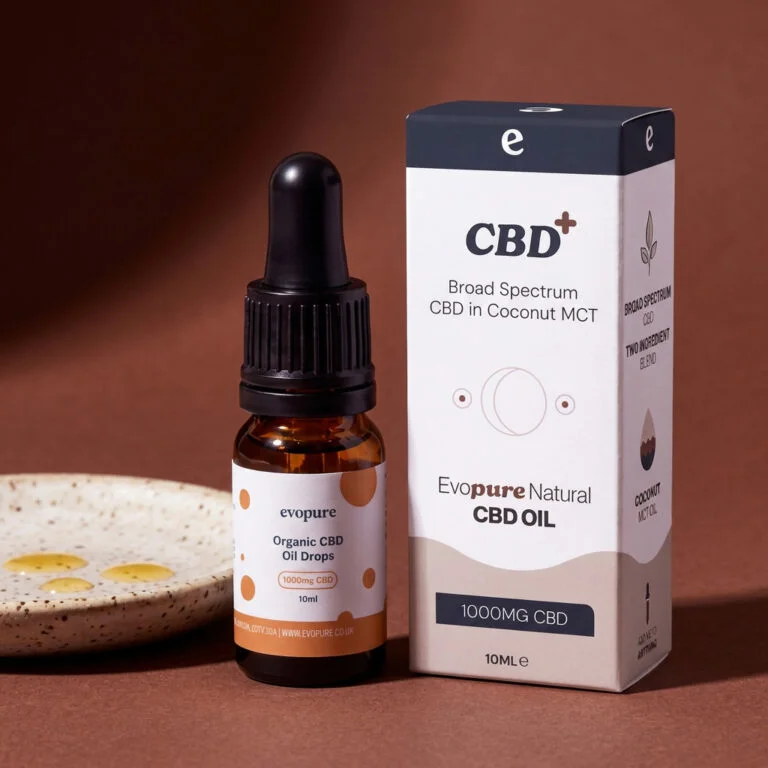
There’s no specific law stopping a parent buying CBD, but UK CBD brands generally sell only to adults. Evopure products are for adults aged 18 and over only, and we don’t recommend giving them to children.
Prescription CBD for children: Epidyolex
Epidyolex is a licensed medicine made from highly purified CBD. On the NHS, specialists can prescribe it alongside other epilepsy medicines for three rare, severe types of epilepsy that often start in childhood:
- Lennox-Gastaut syndrome
- Dravet syndrome
- tuberous sclerosis complex
It’s given at much higher doses than food supplements, measured by body weight, with blood tests to monitor the liver. It’s only prescribed by specialists, usually a paediatric neurologist. Over-the-counter CBD is not a substitute, and you should never change a child’s epilepsy treatment without their specialist.
What the research shows
| Area | Key evidence | What it means |
|---|---|---|
| Severe epilepsy | A 2017 trial of 120 children and young adults with Dravet syndrome found prescription CBD roughly halved monthly convulsive seizures, compared with little change on placebo | Strong evidence, at medical doses, with monitoring |
| Autism | A 2021 trial in 150 young people used cannabis extracts that also contained THC. The main outcome didn’t improve, though some behaviour scores did | Early, mixed, and not about shop-bought CBD |
| Anxiety, ADHD, sleep | No good controlled trials in children | Unproven |
In the epilepsy trials, side effects such as sleepiness, reduced appetite, diarrhoea and changes in liver tests were common, which is why prescription CBD is closely monitored.
Why shop-bought CBD isn’t recommended for children
- Safety data is limited for regular use in growing children.
- Interactions: CBD affects liver enzymes that process many medicines, including some epilepsy and ADHD medicines.
- Quality varies: independent tests have found some CBD products contain more or less CBD than stated, and some contain THC.
- No child dosing guidance exists for food supplements.
- It can delay proper help. Problems with sleep, anxiety or behaviour in children are best assessed by a GP, who can look for underlying causes.
CBD gummies and children: accidental eating
Gummies and edibles look like ordinary sweets. Keep any CBD products, and especially gummies, locked away and out of sight. Illegal THC edibles, sometimes sold as “CBD”, have led to children being taken to hospital in the UK and elsewhere. If a child eats an unknown edible and seems drowsy, unsteady or unwell, call NHS 111, or 999 if they’re very drowsy, struggling to breathe or having a seizure.
What to do instead
- Epilepsy: speak to your child’s specialist about whether Epidyolex or another treatment might help. Epilepsy Action and Young Epilepsy offer support for families.
- Sleep problems: a consistent bedtime routine, a dark, cool bedroom and no screens in the hour before bed help many children. See your GP if problems persist. Melatonin is prescription-only in the UK; see melatonin in the UK.
- Anxiety or low mood: talk to your GP or school nurse. Young Minds has advice for parents.
- Autism or ADHD: your GP can refer you for assessment and support, and the National Autistic Society and ADHD UK have advice for parents.
- Diet: a balanced diet covers most children’s needs. If you’re thinking about supplements, see magnesium for kids and ask your GP or pharmacist.
For adults, see CBD side effects and is CBD legal in the UK?
FAQs
Can I give my child CBD oil in the UK?
The FSA doesn’t recommend CBD food supplements for under-18s unless under medical direction. Speak to your GP before giving your child any CBD product.
Are CBD gummies safe for kids?
They’re not recommended for children. Keep any gummies locked away, as they look like sweets, and some illegal edibles sold as CBD contain THC.
Can CBD help children with epilepsy?
Prescription CBD (Epidyolex) is licensed for certain severe epilepsies, prescribed by a specialist. Shop-bought CBD is not a substitute and shouldn’t be used instead.
Is CBD good for autistic children?
Evidence is limited and mixed. The main trial used extracts that also contained THC. Talk to your child’s GP or specialist about support.
Can kids have CBD for sleep?
It isn’t recommended. A consistent routine helps most children; see your GP if sleep problems continue.
Can teenagers take CBD?
The FSA’s advice applies to everyone under 18. Teenagers with stress, sleep or mood problems should talk to their GP.
Does Evopure sell CBD for children?
No. Our products are for adults aged 18 and over only.
Sources
- Food Standards Agency. Cannabidiol (CBD): advice for vulnerable groups.
- NHS. Medical cannabis (and cannabis oils).
- Devinsky O et al (2017). Trial of cannabidiol for drug-resistant seizures in the Dravet syndrome. New England Journal of Medicine.
- Aran A et al (2021). Cannabinoid treatment for autism: a proof-of-concept randomized trial. Molecular Autism.
This guide is general information, not medical advice. Evopure products are for adults aged 18 and over.