
Last updated: October 2026
Beetroot juice is rich in nitrate, which your body turns into nitric oxide, a molecule that relaxes blood vessels. Trials show it can lower blood pressure by a few points and help some people exercise for longer, though effects are small and smaller in trained athletes. It’s safe for most adults, but it turns your wee pink.
Below: how it works, what the research honestly shows, how much to drink and when, side effects, who should be careful, and other nitrate-rich foods.
Quick facts: studies mostly use 5 to 9 mmol of nitrate (about 300 to 560mg), taken 2 to 3 hours before exercise. A 2015 UK trial in people with high blood pressure found 250ml a day lowered readings by about 8 points systolic. Antibacterial mouthwash blunts the effect. Beetroot has no authorised health claims in Great Britain.
Why is beetroot juice so popular?
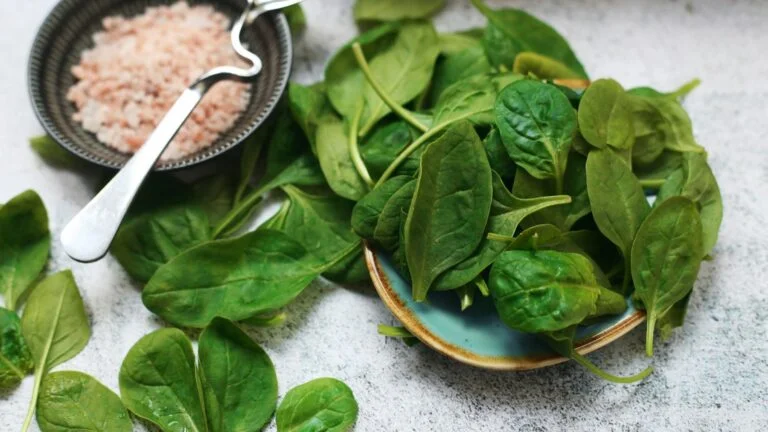
Beetroot is one of the richest everyday sources of dietary nitrate, along with leafy greens such as rocket and spinach. About 80% of the nitrate in our diets comes from vegetables.
What happens next is unusual. After you eat or drink nitrate, it’s absorbed, then concentrated in your saliva. Friendly bacteria on the surface of your tongue convert it to nitrite, which you swallow. Your body then turns some of that nitrite into nitric oxide, which widens blood vessels and helps muscles use oxygen more efficiently. That’s the pathway behind the blood pressure and exercise research, and it’s why the bacteria in your mouth matter (more on that below).
Juice packs the nitrate from several beetroots into one glass, so it’s what most studies use.
Beetroot juice benefits: evidence by claim
Most beetroot research is small (often 10 to 70 people) and short (hours to weeks). Here’s an honest summary.
| Claim | What the research shows | Evidence |
|---|---|---|
| Lower blood pressure | A 2013 meta-analysis of 16 trials found systolic pressure fell by about 4.4 mmHg on average. A 4-week UK trial in people with high blood pressure found falls of about 8 mmHg. A 2023 meta-analysis found a small effect in healthy people but no clear effect in people with high blood pressure. | Moderate, mixed |
| Endurance and stamina | A 2020 meta-analysis of 80 studies found a real but small improvement, mostly in recreationally active men. In time trials lasting under 40 minutes, gains are usually 1 to 3%. | Moderate, small effect |
| Trained athletes | The same meta-analysis found no clear benefit in highly trained endurance athletes. Fitter people tend to respond less. | Weak |
| Brain blood flow and memory | One small study in older adults found more blood flow to part of the frontal lobe after a high-nitrate diet. A 2019 meta-analysis of 13 trials found no effect on thinking or overall brain blood flow. | Early, unproven |
| Energy, liver, skin, weight loss | No good trials. Beetroot claims submitted for digestion, detox and immunity were rejected in Great Britain. | None |
Beetroot and beetroot juice have no authorised health claims on the GB nutrition and health claims register, so no product can legally promise these effects.
Does beetroot juice lower blood pressure?
It can, by a modest amount. The best-known trial was run by Queen Mary University of London and funded by the British Heart Foundation. In 2015, 68 people with high blood pressure (half already on medication) drank 250ml of beetroot juice or a nitrate-free version every day for 4 weeks. Clinic readings fell by about 7.7/2.4 mmHg compared with placebo, and 24-hour readings by 7.7/5.2 mmHg. Earlier, the same team found 500ml in healthy volunteers lowered blood pressure by up to 10.4/8 mmHg about 3 hours later.
That’s encouraging but not the whole picture:
- Most trials are short and small. The British Heart Foundation, which funded the 2015 trial, said larger and longer studies are needed.
- Pooled results vary. A 2023 meta-analysis of 19 studies found a small fall in systolic pressure in healthy people (about 2.4 mmHg) but no significant effect in people with high blood pressure.
The NHS approach to high blood pressure is lifestyle changes, such as a healthy diet, regular exercise and losing weight if needed, plus medicines where needed. Beetroot juice can sit within a vegetable-rich diet, but it’s not a replacement for treatment. Never stop or change blood pressure medicine without speaking to your GP. Regular exercise is part of that advice, and Japanese walking is an easy way to start.
Beetroot juice before exercise
Nitrate is one of only a handful of sports supplements the International Olympic Committee says has good evidence, alongside caffeine and creatine. In studies, it lowers the oxygen cost of steady exercise, so the same effort feels a little easier and lasts longer.
- How big is the effect? The IOC reports time-to-exhaustion improvements of 4 to 25% in lab tests, but only 1 to 3% in time trials under 40 minutes, which is closer to a real race.
- Who benefits most? Recreationally active people. In a 2015 study, the fitter the runner, the smaller the benefit. A 2020 meta-analysis found no clear effect in well-trained endurance athletes, or in the 6 studies that only included women.
- More isn’t better. In a 2013 study, 140ml of concentrated juice (8.4 mmol nitrate) extended time to exhaustion by 14%, but doubling the dose added nothing. 70ml (4.2 mmol) made no difference.
The IOC advises trying it in training before using it on a race day, as some people get stomach upset. Fuel and fluids matter more: see electrolytes, how much water to drink and breakfast for energy. For afterwards, see muscle recovery and magnesium for athletes.
How much beetroot juice to drink and when
There’s no official recommended amount. These are the amounts used in studies, which is a useful guide:
| Goal | What studies used | Timing | Notes |
|---|---|---|---|
| Exercise | 5 to 9 mmol nitrate (about 300 to 560mg), often one or two 70ml concentrated shots | 2 to 3 hours before, when blood nitrite peaks | Taking it for 3+ days beforehand may help fitter people. Trial it in training first. |
| Blood pressure | 250ml juice a day (around 5 to 6 mmol nitrate) | Daily, in trials lasting up to 4 weeks | Talk to your GP first if you take blood pressure medicine. |
| General health | No set amount | Any time | Nitrate-rich vegetables most days, plus the odd glass of juice if you enjoy it. |
Shots vs juice vs whole beetroot
- Concentrated shots (usually 70ml) are designed to deliver a set dose of nitrate in a small drink. Check the label for nitrate in mg or mmol.
- Bottled juice varies a lot. A 2019 analysis of 24 beetroot products found a roughly 50-fold difference in nitrate between the lowest and highest, and only 5 reliably gave 5 mmol or more per serving.
- Whole beetroot gives you fibre too (see high-fibre foods). An 80g portion of a high-nitrate vegetable gives about 2 mmol. Steam or roast rather than boil, as nitrate leaches into cooking water.
- Homemade juice: keep it in the fridge. Nitrite builds up in beetroot juice left at room temperature for 2 days.
Juice also contains natural sugars. The NHS suggests keeping fruit and vegetable juices and smoothies to 150ml a day in total, as juicing releases sugars that can damage teeth. A 70ml shot fits within that; a 250ml glass doesn’t.
Study doses are also above the acceptable daily intake for nitrate (3.7mg per kg of body weight, about 259mg for a 70kg adult), though some researchers argue that limit is too cautious for nitrate from vegetables.
Why mouthwash matters
Because mouth bacteria do the first step of the conversion, antibacterial mouthwash can switch the process off. In a Queen Mary study, 19 healthy people used a chlorhexidine mouthwash for a week. Nitrite production in the mouth fell by 90%, blood nitrite by 25%, and blood pressure rose by 2 to 3.5 mmHg. Later studies found antibacterial mouthwashes, especially chlorhexidine, reduced the rise in blood nitrite after beetroot juice.
If you’re drinking beetroot juice for a reason, avoid antibacterial mouthwash around that time and don’t spit out your saliva after drinking it. Keep brushing your teeth as normal, and follow any mouthwash your dentist has prescribed.
Beetroot juice side effects
- Pink or red wee and poo. Pink wee after beetroot (beeturia) affects about 10 to 14% of people, and is more common in people who are low in iron. It’s harmless, but it can look like blood. The NHS says beetroot can turn your pee pink and make poo look as if it’s mixed with blood. If it carries on after you stop beetroot, or you’re not sure, ask for an urgent GP appointment or contact NHS 111 about blood in your pee, or see a GP about your poo. See iron-rich foods if you think you may be low in iron.
- Stomach upset in some people, which is why sports scientists advise trying it in training rather than on race day.
- Feeling lightheaded, particularly if your blood pressure is already low.
- Kidney stones. Beetroot is high in oxalate, which can matter if you form calcium oxalate stones.
Who should be careful
- Low blood pressure. The NHS defines it as under 90/60mmHg. If you often feel dizzy or faint, skip concentrated shots.
- Blood pressure medicines. Beetroot juice could add to their effect. In the 2015 trial, people on medication tolerated it well, but check with your GP or pharmacist before drinking it daily.
- Erectile dysfunction medicines (sildenafil, tadalafil) or nitrate heart medicines (such as GTN spray). The NHS says sildenafil is not usually prescribed with nitrate medicines. Dietary nitrate is much weaker, and any interaction is theoretical and untested, but ask a pharmacist before combining concentrated shots with these.
- Kidney stones. The US National Kidney Foundation lists beets among high-oxalate foods that people with calcium oxalate stones may need to limit. Eating them with a calcium-rich food helps.
- Chronic kidney disease. Beets are a high-potassium food, which can matter if you’ve been told to watch potassium. Speak to your kidney team.
- Pregnancy. Beetroot as a vegetable is fine, but ask your midwife or GP before using concentrated shots.
Other foods high in nitrate
You don’t need juice to get nitrate. Researchers sort vegetables into three groups:
| Nitrate level | Vegetables |
|---|---|
| High (over 1,000mg per kg) | Rocket (the highest), spinach, beetroot, lettuce, celery |
| Medium (100 to 1,000mg per kg) | Cabbage, carrots, green beans, turnip, potatoes, peppers, garlic |
| Low (under 100mg per kg) | Onions, tomatoes |
A big handful of rocket or spinach on most days is an easy, cheap way to get nitrate as part of your 5 A Day. See foods high in magnesium and brain foods for more ideas. If you like a daily drink ritual, green tea is another option with honest evidence.
Where our range fits
We don’t sell beetroot juice, and nothing in our range replaces it or blood pressure treatment. If you’re active, our Magnesium Glycinate Sleep Complex is a berry-flavoured drink with magnesium bisglycinate and citrate, glycine and L-theanine. Magnesium contributes to normal muscle function and to a reduction of tiredness and fatigue. It’s vegan, made in the UK and for adults only. We don’t recommend our products during pregnancy or breastfeeding. See magnesium for cramps and best supplements for energy.
See also garlic and blood pressure.
See also spirulina and blood pressure, where trials show a small effect.
FAQs
Does beetroot juice lower blood pressure?
It can, modestly. A UK trial found 250ml a day lowered readings by about 8 mmHg systolic over 4 weeks, but pooled results are mixed. It’s not a replacement for medication.
How much beetroot juice should I drink a day?
There’s no official amount. Studies use 70 to 140ml of concentrated shot or about 250ml of juice. The NHS suggests limiting juices to 150ml a day in total because of the sugar.
When is the best time to drink beetroot juice?
For exercise, 2 to 3 hours before, when nitrite in the blood peaks. For general use, any time of day suits.
Is it OK to drink beetroot juice every day?
For most healthy adults, a small daily glass is fine. Check with your GP first if you have low blood pressure, kidney stones or kidney disease, or take blood pressure medicines.
Why is my wee pink after beetroot?
It’s called beeturia and affects about 10 to 14% of people. It’s harmless, but if your wee stays red after you stop eating beetroot, see a GP, as it could be blood.
Is beetroot juice bad for your kidneys?
Not for most people. But beetroot is high in oxalate and potassium, so people who form kidney stones or have chronic kidney disease should check with their doctor.
Is eating beetroot as good as drinking the juice?
Whole beetroot contains less nitrate per serving but adds fibre. Leafy greens like rocket and spinach are also rich in nitrate. Steam or roast rather than boil.
Sources
- Kapil V et al (2015). Dietary nitrate provides sustained blood pressure lowering in hypertensive patients. Webb AJ et al (2008). Acute blood pressure lowering, vasoprotective, and antiplatelet properties of dietary nitrate. British Heart Foundation. Beetroot and blood pressure.
- Siervo M et al (2013). Inorganic nitrate and beetroot juice supplementation reduces blood pressure in adults. Zhang Y et al (2023). Regulatory effect of dietary nitrate on blood pressure: a meta-analysis.
- Maughan RJ et al (2018). IOC consensus statement: dietary supplements and the high-performance athlete. Senefeld JW et al (2020). Ergogenic effect of nitrate supplementation. Porcelli S et al (2015). Aerobic fitness affects the exercise performance responses to nitrate supplementation. Wylie LJ et al (2013). Beetroot juice and exercise: pharmacodynamic and dose-response relationships.
- Presley TD et al (2011). Acute effect of a high nitrate diet on brain perfusion in older adults. Clifford T et al (2019). Effects of inorganic nitrate and nitrite consumption on cognitive function and cerebral blood flow.
- Kapil V et al (2013). Physiological role for nitrate-reducing oral bacteria in blood pressure control. Woessner M et al (2016). A stepwise reduction in plasma and salivary nitrite with increasing strengths of mouthwash. McDonagh ST et al (2015). Chronic nitrate supplementation and the use of strong and weak antibacterial agents.
- Lidder S, Webb AJ (2013). Vascular effects of dietary nitrate (as found in green leafy vegetables and beetroot). Hord NG et al (2009). Food sources of nitrates and nitrites. Gallardo EJ, Coggan AR (2019). What’s in your beet juice?
- Sauder HM, Rout P. Beeturia. StatPearls. NHS. Blood in urine and Bleeding from the bottom.
- NHS. High blood pressure, Low blood pressure, Sildenafil and 5 A Day: what counts?
- National Kidney Foundation. Kidney stone diet plan and prevention and Potassium and your CKD diet.
- DHSC. Great Britain nutrition and health claims register.
This guide is general information, not medical advice. If you have high or low blood pressure, kidney problems or take regular medicines, speak to your GP or pharmacist before using beetroot juice regularly. Evopure makes the Magnesium Glycinate Sleep Complex. We don’t sell beetroot juice.