
Last updated: October 2026
Pumpkin seeds are one of the richest everyday food sources of magnesium: a 30g handful gives about 178mg, nearly half the daily reference intake, plus zinc, iron, 9g of protein and unsaturated fats. Claims about sleep, prostate, hair and blood sugar rest on small studies, often of pumpkin seed oil rather than the seeds.
Below: the nutrition in a handful, what the research shows for each claim, how many to eat, how to roast your own and side effects.
Quick facts: a 30g handful of shelled pumpkin seeds has about 168 calories, 178mg magnesium, 2.3mg zinc, 2.6mg iron and 9g protein. Whole seeds with the shell on have about three times the fibre but less than half the magnesium. A handful a day is a sensible amount for most adults.
Pumpkin seeds nutrition per 30g handful
These figures are for shelled, dried pumpkin seed kernels (the green seeds sold in packets), from the US Department of Agriculture’s FoodData Central database. The percentages compare a handful with the UK nutrient reference values (NRVs) used on food labels, and with the NHS daily amounts for adults.
| Nutrient | Per 30g | % of label reference | NHS daily amount (adults) |
|---|---|---|---|
| Energy | 168 kcal | 8% of 2,000 kcal | n/a |
| Magnesium | 178mg | 47% of 375mg | 300mg men, 270mg women |
| Zinc | 2.3mg | 23% of 10mg | 9.5mg men, 7mg women |
| Iron | 2.6mg | 19% of 14mg | 8.7mg men, 14.8mg women aged 19 to 49 |
| Protein | 9.1g | 18% of 50g | n/a |
| Fat (of which saturates) | 14.7g (2.6g) | 21% of 70g (13% of 20g) | n/a |
| Fibre | 1.8g | 6% of the 30g a day UK guideline | 30g |
| Phosphorus | 370mg | 53% of 700mg | n/a |
| Manganese | 1.4mg | 68% of 2mg | n/a |
| Tryptophan | 173mg | no reference value | n/a |
Roasting barely changes the numbers: roasted kernels have about 165mg magnesium and 172 calories per 30g. So the headline is simple. A handful covers roughly two thirds of a woman’s daily magnesium and about a third of her zinc. For more ways to reach your target, see foods high in magnesium, zinc foods and iron-rich foods.
What the minerals in pumpkin seeds do
Pumpkin seeds easily meet the legal conditions to be called a source of magnesium, zinc, iron and protein, so the authorised GB health claims for those nutrients apply to them:
- Magnesium contributes to a reduction of tiredness and fatigue, to normal psychological function, to normal functioning of the nervous system and to normal muscle function.
- Zinc contributes to the normal function of the immune system and to the maintenance of normal hair, skin and nails.
- Iron contributes to normal formation of red blood cells and haemoglobin.
- Protein contributes to the maintenance of muscle mass.
Most of the fat in pumpkin seeds is unsaturated. Replacing saturated fats with unsaturated fats in the diet contributes to the maintenance of normal blood cholesterol levels.
There is no authorised claim for sleep, the prostate, hair growth or blood sugar. Those come from research, covered next. If you think you’re low in magnesium, see signs of magnesium deficiency.
Pumpkin seeds benefits: evidence by claim
Most pumpkin research is small, and much of it tests pumpkin seed oil or extracts at doses you wouldn’t get from a snack. Here’s an honest summary.
| Claim | What the research shows | Evidence |
|---|---|---|
| Prostate and bladder | One large trial found a modest improvement in urinary symptoms; an extract did no better than placebo. | Moderate, mixed |
| Sleep | One small, company-led trial of a seed powder with glucose. No trials of plain seeds. | Weak |
| Heart and blood pressure | Two tiny trials of the oil in postmenopausal women. | Early |
| Blood sugar | One single-meal study in 15 healthy adults. | Early |
| Hair growth | One trial of an oil capsule in 76 men, not yet repeated. | Early |
| Worms and parasites | No good human trials. The NHS treats threadworms with mebendazole from a pharmacy. | None |
Do pumpkin seeds help you sleep?
Not on their own. The idea rests on tryptophan, the amino acid your body uses to make serotonin and melatonin, and a handful has about 173mg. But other amino acids in protein compete with it to reach the brain, so tryptophan-rich foods don’t simply make you sleepy (see our tryptophan guide).
The study usually quoted gave 49 people with insomnia a de-oiled gourd seed powder mixed with glucose for 3 weeks. It improved sleep measures about as well as pharmaceutical tryptophan, but it was small and led by the company developing the product.
Pumpkin seeds are still a good evening snack: rich in magnesium and protein, low in sugar. For the bigger picture, see foods that help you sleep and magnesium for sleep.
Pumpkin seeds for men: prostate and bladder
This is the best-studied claim. In the German GRANU trial, 1,431 men aged 50 to 80 with symptoms of an enlarged prostate took 5g of pumpkin seed twice a day, an extract or a placebo for 12 months. 58.5% of the seed group responded, against 47.3% on placebo. The extract made no difference, and the researchers said a confirmatory study is needed.
Smaller studies of the oil, in 47 Korean men and 45 Japanese adults with overactive bladder, point the same way, though the Japanese study had no placebo group.
NICE advises doctors not to offer herbal remedies (phytotherapy) for urinary symptoms in men. The NHS says to see a GP if you have difficulty peeing or need to pee more often. See waking up to pee at night and supplements for men over 40.
Pumpkin seeds for women, heart and hair
For women, the most practical benefit is minerals. Women aged 19 to 49 need 14.8mg of iron a day, and a handful provides about 2.6mg. See magnesium for women and supplements for women over 40.
Heart and menopause. In a 2011 pilot, 35 postmenopausal women took 2g of pumpkin seed oil or wheat germ oil daily for 12 weeks. HDL (good) cholesterol rose from 0.92 to 1.07 mmol/l with pumpkin, and diastolic blood pressure and menopause symptom scores fell. A 2019 trial of 23 women found 3g a day lowered systolic blood pressure. Both are tiny and used oil, not seeds.
Hair. In a 2014 Korean trial, 76 men with male pattern hair loss took 400mg a day of a branded pumpkin seed oil capsule or placebo for 24 weeks. Hair counts rose by 40% with the oil and 10% with placebo. It hasn’t been repeated. If you’re losing hair, see stress and hair loss.
Blood sugar. In 15 healthy adults, adding 65g of pumpkin seeds (2 big handfuls) to a high-carbohydrate meal cut the blood sugar rise by about 35%. Long-term effects haven’t been tested. See also high-fibre foods.
How many pumpkin seeds should you eat a day?
There’s no official amount. A small handful (about 30g) is a sensible daily portion for most adults: it gives a useful dose of magnesium and zinc for under 170 calories. The prostate trial used just 10g a day.
If you also take a magnesium supplement, the NHS says 400mg or less a day from supplements is unlikely to cause harm. Magnesium from food doesn’t count towards that figure. See best magnesium supplement UK.
How to eat and roast pumpkin seeds
- Sprinkle on porridge, yoghurt, soups or salads.
- Blend into pesto instead of pine nuts.
- Stir into flapjacks, granola or bread dough.
- Eat a handful as a snack, unsalted where you can.
Roasting seeds from a carving pumpkin
If you’re carving a pumpkin this month, keep the seeds:
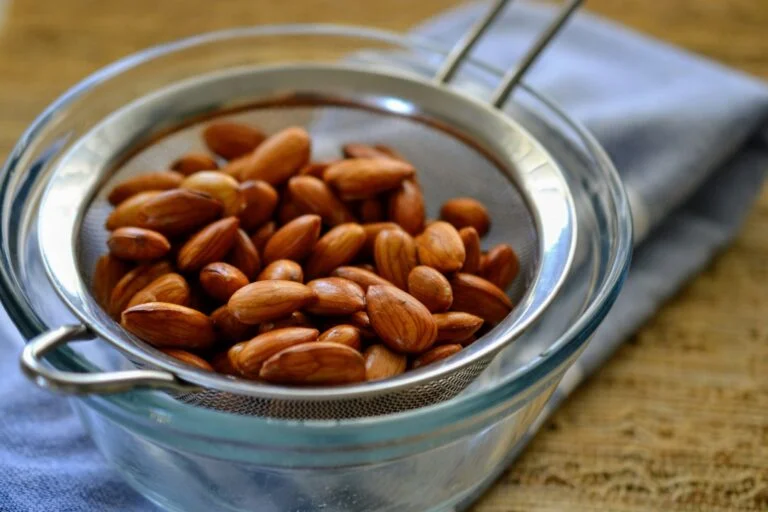
- Pull the seeds from the stringy pulp and rinse them in a sieve.
- Pat them completely dry with a clean tea towel.
- Toss with a teaspoon of oil and a small pinch of salt or spices (smoked paprika works well).
- Spread in a single layer and roast at 160C fan (180C, gas 4) for 15 to 20 minutes, stirring halfway, until golden and crisp.
- Cool and store in an airtight jar for up to a week.
Raw or roasted? Both are fine. Roasting changes the nutrients very little and makes the shells easier to eat.
Shelled vs unshelled pumpkin seeds
Yes, you can eat the shells. Whole roasted seeds are crunchy and much higher in fibre, but the shell dilutes everything else.
| Per 30g (roasted, unsalted) | Whole seeds, shell on | Shelled kernels |
|---|---|---|
| Calories | 134 kcal | 172 kcal |
| Fibre | 5.5g | 2.0g |
| Magnesium | 79mg | 165mg |
| Protein | 5.6g | 9.0g |
| Iron | 1.0mg | 2.4mg |
Choose kernels for minerals, whole seeds for fibre. Chew whole seeds well.
Pumpkin seeds vs other seeds
Per 30g, from the same USDA database:
| Per 30g | Magnesium | Zinc | Iron | Protein | Fibre |
|---|---|---|---|---|---|
| Pumpkin seeds | 178mg | 2.3mg | 2.6mg | 9.1g | 1.8g |
| Sunflower seeds | 98mg | 1.5mg | 1.6mg | 6.2g | 2.6g |
| Chia seeds | 101mg | 1.4mg | 2.3mg | 5.0g | 10.3g |
| Flaxseed | 118mg | 1.3mg | 1.7mg | 5.5g | 8.2g |
| Sesame seeds | 105mg | 2.3mg | 4.4mg | 5.3g | 3.5g |
| Almonds | 81mg | 0.9mg | 1.1mg | 6.3g | 3.8g |
Pumpkin seeds win on magnesium and protein. Chia and flax win on fibre. A mixed jar of seeds gives you the best of each.
Pumpkin seeds side effects and who should be careful
- Calories. They’re energy-dense and easy to eat by the bagful. Weigh out a 30g portion rather than eating from the packet.
- Salt. Salted and flavoured seeds can add a lot. The UK reference intake for salt is 6g a day, so check the label.
- Wind and bloating. Whole seeds in particular add fibre fast. Increase slowly and drink plenty of water.
- Allergy. Pumpkin seeds are one of the seeds that can trigger allergic reactions, which range from mild to severe. It’s uncommon. Call 999 if lips, tongue or throat swell or breathing becomes difficult after eating them.
- Medicines. A handful as food is fine for most people. If you take pumpkin seed oil capsules alongside blood pressure, diabetes or prostate medicines, check with your pharmacist first.
- Pregnancy. Pumpkin seeds as a food are fine. There’s little research on pumpkin seed oil supplements in pregnancy, so ask your midwife or GP before using them.
Where our range fits
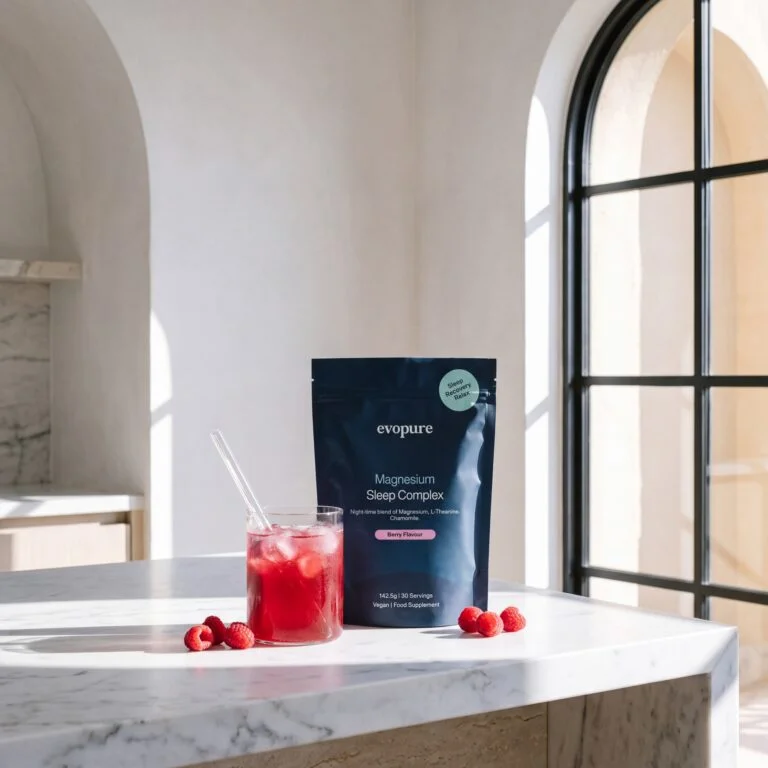
Food comes first, and a handful of pumpkin seeds is one of the easiest ways to get more magnesium. If you’d like a top-up, our Magnesium Glycinate Sleep Complex is a berry-flavoured evening drink with magnesium bisglycinate and citrate (148mg magnesium per serving), glycine and L-theanine. Magnesium contributes to a reduction of tiredness and fatigue and to normal psychological function. It’s vegan, made in the UK and for adults only. We don’t recommend our products during pregnancy or breastfeeding.
If fibre is your goal, chia beats pumpkin seeds: see chia seeds benefits.
Want more omega-3 in your seed mix? See flaxseed benefits and how much linseed to eat a day.
FAQs
How many pumpkin seeds should I eat a day?
There’s no official amount, but a small handful (about 30g) is a sensible daily portion. It gives about 178mg of magnesium for around 168 calories.
Are pumpkin seeds better raw or roasted?
Both are fine. Roasting changes the nutrients very little and improves the flavour. Choose unsalted or lightly salted seeds to keep salt down.
Do pumpkin seeds help you sleep?
Not on their own. They contain tryptophan and magnesium, but the only trial used a special seed powder with glucose. As part of a balanced evening snack, they’re a good choice.
Are pumpkin seeds good for the prostate?
A large German trial found 10g of seed a day modestly improved urinary symptoms over a year, but the evidence isn’t strong enough for NICE to recommend it. See a GP about urinary symptoms.
Can you eat pumpkin seeds with the shell on?
Yes. Whole roasted seeds have nearly three times the fibre of kernels, but less than half the magnesium. Chew them well and increase slowly.
Are pumpkin seeds fattening?
They’re energy-dense, at about 168 calories per 30g, mostly from unsaturated fats. A measured handful fits a healthy diet; eating from the bag is where calories add up.
Are pumpkin seeds good for hair?
They’re a source of zinc, and zinc contributes to the maintenance of normal hair. One small trial of pumpkin seed oil capsules in men with hair loss was positive, but it hasn’t been repeated.
Sources
- US Department of Agriculture. FoodData Central (SR Legacy entries 170556 pumpkin seed kernels, dried; 170557 kernels, roasted; 170188 whole seeds, roasted; 170562 sunflower; 170554 chia; 169414 flaxseed; 170150 sesame; 170567 almonds).
- Retained Regulation (EU) No 1169/2011. Annex XIII: nutrient reference values and reference intakes. DHSC. Great Britain nutrition and health claims register.
- NHS. Vitamins and minerals: others (magnesium, zinc), Iron and How to get more fibre into your diet.
- Vahlensieck W et al (2015). Effects of pumpkin seed in men with lower urinary tract symptoms due to benign prostatic hyperplasia in the one-year GRANU study. Hong H et al (2009). Effects of pumpkin seed oil and saw palmetto oil in Korean men with symptomatic benign prostatic hyperplasia. Nishimura M et al (2014). Pumpkin seed oil extracted from Cucurbita maxima improves urinary disorder in human overactive bladder.
- NICE (CG97). Lower urinary tract symptoms in men: management. NHS. Enlarged prostate.
- Hudson C et al (2005). Protein source tryptophan versus pharmaceutical grade tryptophan as an efficacious treatment for chronic insomnia.
- Gossell-Williams M et al (2011). Improvement in HDL cholesterol in postmenopausal women supplemented with pumpkin seed oil: pilot study. Wong A et al (2019). The effects of pumpkin seed oil supplementation on arterial hemodynamics, stiffness and cardiac autonomic function in postmenopausal women.
- Cândido FG et al (2018). Addition of pooled pumpkin seed to mixed meals reduced postprandial glycemia. Cho YH et al (2014). Effect of pumpkin seed oil on hair growth in men with androgenetic alopecia.
- ASCIA. Seed allergy. NHS. Food allergy and Threadworms.
This guide is general information, not medical advice. If you have urinary symptoms, diabetes, high blood pressure or a food allergy, or take regular medicines, speak to your GP or pharmacist. Evopure makes the Magnesium Glycinate Sleep Complex. We don’t sell pumpkin seeds or pumpkin seed oil.