








Last updated: October 2026
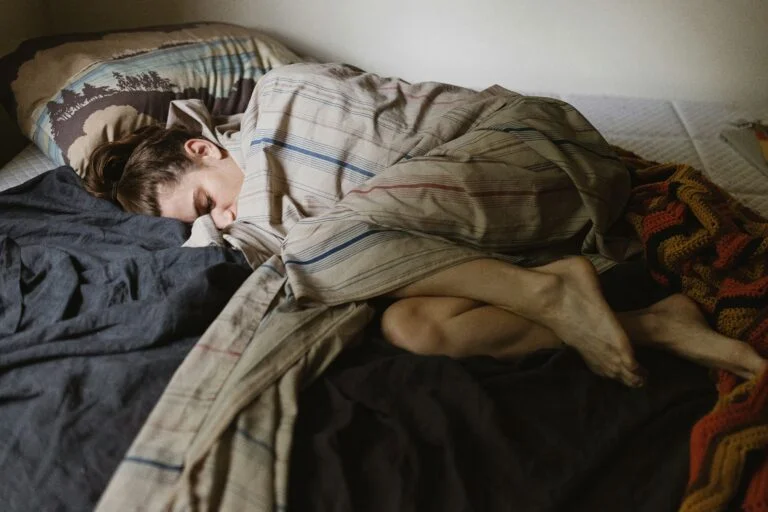
A hypnic jerk is a sudden muscle twitch as you fall asleep, often with a feeling of falling or tripping, that jolts you awake. It’s very common and harmless. Hypnic jerks happen more when you’re overtired, stressed, have had caffeine late, or exercised hard in the evening. A steady sleep routine and less late caffeine usually make them less frequent.
Below: what causes hypnic jerks, how to stop them, when twitches at night might be something else, and when to see your GP.
What is a hypnic jerk?
Also called a sleep start or sleep twitch, a hypnic jerk is a brief, involuntary jerk of the body or a limb in the moments between being awake and asleep. People often describe:
- a feeling of falling or missing a step
- a sudden kick or twitch
- a flash of light or a loud bang in their head
- a racing heart and quick breathing afterwards
Sleep experts class it as a benign sleep-wake transition event. Nobody knows exactly why it happens. One theory is that, as muscles relax and the brain hands over to sleep, it briefly misreads the relaxation as falling and fires a quick “catch” reflex.
What causes hypnic jerks?
| Common trigger | Why it may help to change it |
|---|---|
| Caffeine and nicotine | Stimulants keep the nervous system more alert as you drift off |
| Stress and anxiety | A busy, tense body is more prone to twitches. See anxiety at night |
| Being overtired | Sleep deprivation makes the transition into sleep less smooth |
| Hard exercise late in the evening | Leaves the body revved up |
| An irregular sleep schedule | Late nights, lie-ins and shift work |
| Some medicines | A few case reports link hypnic jerks to certain antidepressants; don’t stop medicine without speaking to your doctor |
How to stop hypnic jerks
- Cut caffeine after midday, including tea, cola and energy drinks. See caffeine and anxiety.
- Keep a regular sleep schedule with a fixed wake time.
- Finish hard exercise at least 2 to 3 hours before bed; gentle stretching is fine.
- Wind down for an hour: dim lights, screens off, a warm shower.
- Relax your body in bed with slow breathing or progressive muscle relaxation. See how to fall asleep fast.
- Don’t worry about them. Anxiety about the jolt can make you more alert and more likely to have another.
Magnesium contributes to normal muscle function and the normal functioning of the nervous system, and some people find a warm magnesium drink a relaxing part of their bedtime routine. There’s no direct research on magnesium for hypnic jerks. See magnesium for sleep.
Hypnic jerks or something else?
| What happens | Possibly |
|---|---|
| One or a few jolts as you drift off, then you sleep | Hypnic jerks: harmless |
| An urge to move your legs in the evening, eased by moving | Restless legs syndrome. See restless legs |
| Repeated leg kicks through the night, often noticed by a partner | Periodic limb movements |
| Painful calf tightening that wakes you | Night cramps. See magnesium for cramps |
| Jerks during the day, loss of awareness, tongue biting or wetting yourself | Needs a GP: seizures must be ruled out |
| Gasping or choking awake | Possible sleep apnoea. See snoring and sleep apnoea |
When to see your GP
See your GP if jerks happen many times a night and stop you sleeping, happen during the day or while fully awake, come with confusion, injury or loss of awareness, or started after a new medicine. Bring a sleep diary, and ask a partner what they notice.
FAQs
Why do I jerk awake when falling asleep?
It’s a hypnic jerk, a harmless twitch as your brain and body move into sleep. Stress, late caffeine and tiredness make it more likely.
Are hypnic jerks dangerous?
No, they’re harmless. See your GP only if they’re very frequent, happen when you’re awake, or come with other symptoms.
Why do I feel like I’m falling when I fall asleep?
The falling sensation is a common part of a hypnic jerk, possibly the brain misreading muscle relaxation as a fall.
How do I stop hypnic jerks?
Cut late caffeine, keep a regular sleep schedule, avoid hard exercise late in the evening, wind down for an hour and try not to worry about them.
Can anxiety cause hypnic jerks?
Stress and anxiety are common triggers. Calming techniques before bed can help.
Sources
- Cuellar NG et al (2015). Hypnic jerks: a scoping literature review. Sleep Medicine Clinics.
- Calandra-Buonaura G et al (2014). Hypnic jerks: neurophysiological characterization of a new motor pattern. Sleep Medicine.
- Sathe H et al (2015). Hypnic jerks possibly induced by escitalopram. Journal of Neurosciences in Rural Practice.
- NHS. Sleep and tiredness.
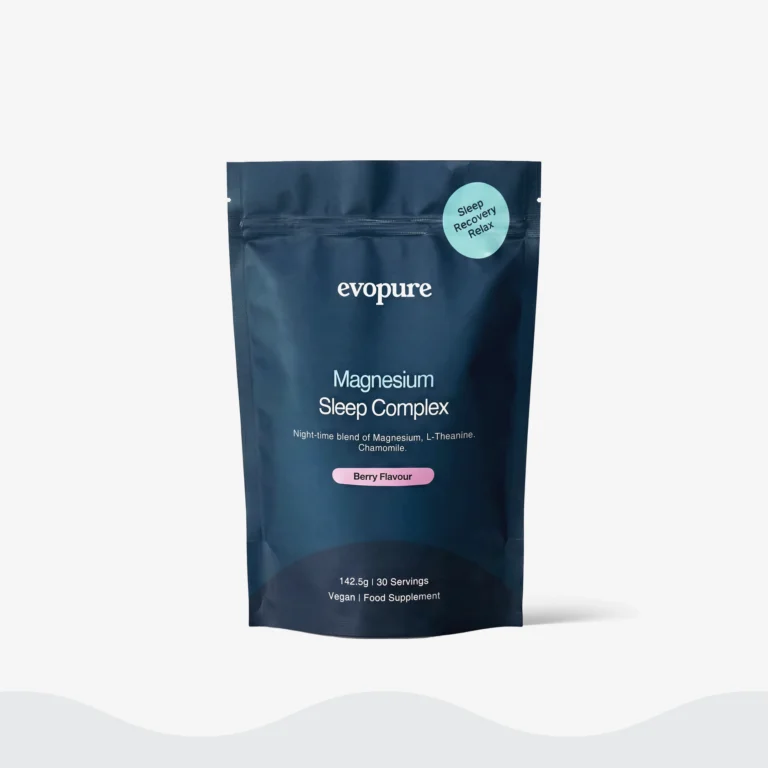
This guide is general information, not medical advice. Evopure makes the Magnesium Glycinate Sleep Complex and Sleep CBD Oil.