















Last updated: October 2026
A sleep divorce is when a couple chooses to sleep in separate beds or rooms so both get better sleep, usually because of snoring, restlessness or different bedtimes. It’s more common than people think: over a third of adults in a US survey sometimes or always sleep apart. Done with care, it can help a relationship rather than harm it.
Below: why couples sleep apart, the pros and cons, what to try before moving rooms, how to make it work, and when snoring needs a GP.
What is a sleep divorce?
Despite the name, it has nothing to do with ending a relationship. It simply means sleeping apart some or all of the time so you both sleep better. Some couples call it a “sleep arrangement” or “sleeping apart together”. It can mean:
- separate rooms every night
- separate rooms on weeknights, together at weekends
- starting the night together, then one partner moving
- separate beds or separate duvets in the same room
How common is sleep divorce?
In a 2023 American Academy of Sleep Medicine survey of 2,005 adults, 35% said they occasionally or consistently slept in a different room to accommodate a partner. Millennials were the most likely to (43%). UK surveys by bed and mattress retailers suggest roughly 1 in 6 couples who live together sleep apart, with snoring the most common reason.
Why couples sleep apart
| Reason | What can help first |
|---|---|
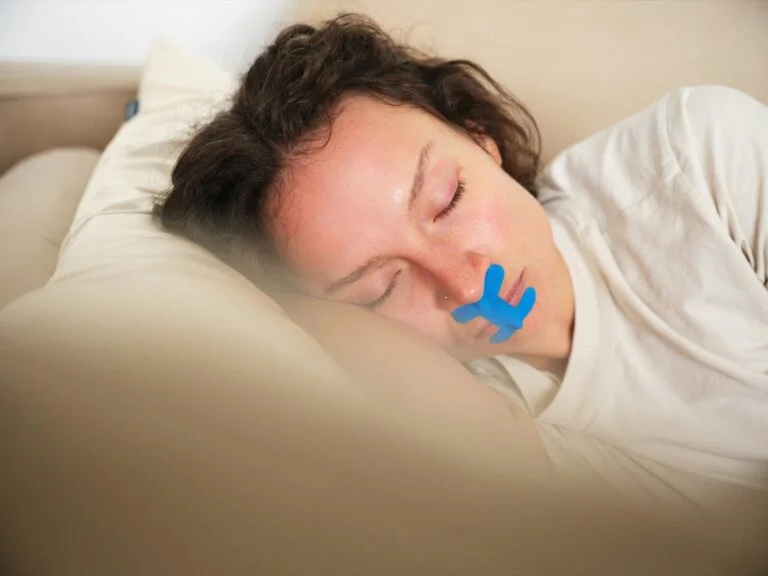
| Snoring | Earplugs, side-sleeping, cutting alcohol in the evening; see your GP if it’s loud with pauses in breathing. Thinking of mouth tape? See is mouth taping safe? |
| Restlessness or kicking | A bigger bed or separate duvets; check for restless legs. See restless legs |
| Different bedtimes or shifts | A dim light for the late partner, a quiet alarm or vibrating watch |
| Night sweats or temperature | Separate duvets of different weights. See perimenopause and sleep |
| One partner has insomnia | CBT for insomnia; see your GP |
| Phones, TV or reading in bed | Agree a screens-off time |
| A new baby, a poorly child or a pet | Take turns on night duty |
Is sleep divorce healthy? Pros and cons
| Pros | Cons |
|---|---|
| Better, less broken sleep for both of you | Less everyday closeness and pillow talk, if you don’t plan for it |
| Less resentment over snoring or kicking | Can feel like rejection if it isn’t talked through |
| Each person can set their own temperature, light and bedtime | Needs a spare room or space |
| Short-tempered arguments after bad nights become less likely | Some research suggests couples who share a bed get slightly more dream (REM) sleep |
Poor sleep makes people more irritable and less patient with each other, so better sleep can genuinely help a relationship. On the other hand, a 2020 sleep-lab study found couples who shared a bed had more, and more stable, REM sleep, and their sleep cycles synchronised. The best arrangement is the one where you both wake up rested and still feel close.
What to try before you move rooms
- Separate duvets on the same bed (the Scandinavian way) stop the tug-of-war and suit different temperatures.
- A bigger bed, or two singles pushed together with a mattress topper.
- Earplugs and an eye mask for the lighter sleeper.
- Cut evening alcohol, which makes snoring worse. See Dry January.
- Agree a shared wind-down, with screens off, a warm drink and lights low at the same time.
- The lighter sleeper goes to bed first and gets to sleep before the snorer comes in.
How to make a sleep divorce work
- Talk about it kindly, and frame it as “so we both sleep better”, not “because you snore”.
- Keep bedtime rituals: go to bed together and chat or cuddle before one of you moves.
- Plan time together on weekend mornings or nights when you share.
- Review it after a month. It doesn’t have to be forever.
- Make both spaces comfortable, so nobody feels banished to the box room.
A calm wind-down helps whichever room you end up in. See how to fall asleep fast and magnesium for sleep. Magnesium contributes to the reduction of tiredness and fatigue.
When snoring needs your GP
See your GP if the snorer stops breathing, gasps or chokes in their sleep, or is very sleepy during the day. These can be signs of obstructive sleep apnoea, which is treatable and important to diagnose, as it is linked to high blood pressure and is a risk for drivers. Moving rooms can hide the problem, so get it checked first.
Looking for a present for a light sleeper? See gifts for someone who can’t sleep.
FAQs
What does sleep divorce mean?
Sleeping in separate beds or rooms so both partners sleep better. It isn’t about ending the relationship.
Is sleep divorce healthy?
It can be. Better sleep improves mood and patience, which helps relationships. The key is keeping time for closeness and talking it through.
How common is sleep divorce?
In a US survey, 35% of adults sometimes or always slept apart from their partner. UK retailer surveys suggest around 1 in 6 couples who live together.
Does sleep divorce lead to divorce?
There’s no evidence it does. Couples who agree it together, and keep time for each other, often say it helps.
How do I suggest a sleep divorce to my partner?
Frame it as a way for you both to sleep better, suggest a trial for a few weeks, and agree how you’ll keep bedtime closeness.
Sources
- HealthDay (2023). In the name of better slumber, a third of American couples choose “sleep divorce”, reporting the American Academy of Sleep Medicine survey.
- Drews HJ et al (2020). Bed-sharing in couples is associated with increased and stabilized REM sleep and sleep-stage synchronization. Frontiers in Psychiatry.
- NHS. Snoring.
- NHS. Insomnia.
This guide is general information, not medical advice. Evopure makes the Magnesium Glycinate Sleep Complex and Sleep CBD Oil.