
Last updated: September 2026
In September 2026 the Food Standards Agency’s board backed the first three CBD products for full approval as novel foods. All three are at least 98% pure CBD, capped at 10mg a day, and must carry warnings for under-18s, pregnancy and people on medication. Ministers in England and Wales now make the final decision.
It is the biggest step in UK CBD regulation since 2019, and it comes with a twist: a new UK and EU food agreement could change who approves CBD altogether. Here is what was decided, what it means for the CBD you buy, and what we think.
What did the FSA decide?
Since 2019, CBD sold as food or a food supplement in the UK has counted as a “novel food”. That means each product needs formal approval before it is fully authorised. For seven years, no CBD product had got all the way through. In September 2026 that changed.
The FSA board agreed to recommend three applications to ministers:
| Application | Type of CBD | Purity | Maximum daily amount |
|---|---|---|---|
| RP7 | Synthetic CBD | 98% or more | 10mg |
| RP350 | CBD isolate | 98% or more | 10mg |
| RP427 | CBD isolate from hemp | 98% or more | 10mg |
Products made under these approvals will have to carry warnings that they are not suitable for under-18s, people who are pregnant, breastfeeding or trying to conceive, or people who take medication or have a weakened immune system. They must also meet strict limits on THC and other controlled cannabinoids.
Around 3,000 of the 8,147 products on the FSA’s public list are linked to these three applications. The recommendation now goes to ministers in England and Wales, who make the final decision. Scotland has its own process through Food Standards Scotland, and Northern Ireland follows a separate route.
Is CBD legal in the UK right now?
Yes. Nothing in this decision bans CBD. While applications work through the system, the FSA keeps a public list of CBD food products linked to applications it has accepted for assessment. Products on that list can continue to be sold. Products that are not on it should not be on sale, and the FSA has asked local authorities to focus their enforcement on those.
The FSA is clear that being on the list is not an endorsement: it means the product is in the process, not that its safety assessment is finished. For the full picture, including THC and travel, read our guide to whether CBD is legal in the UK.
What it means for Evopure products
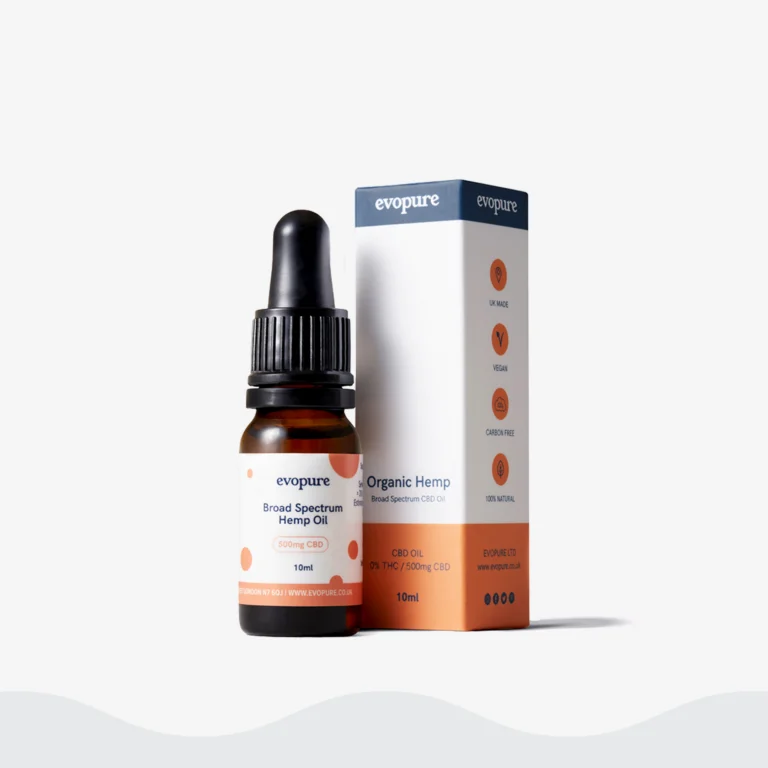
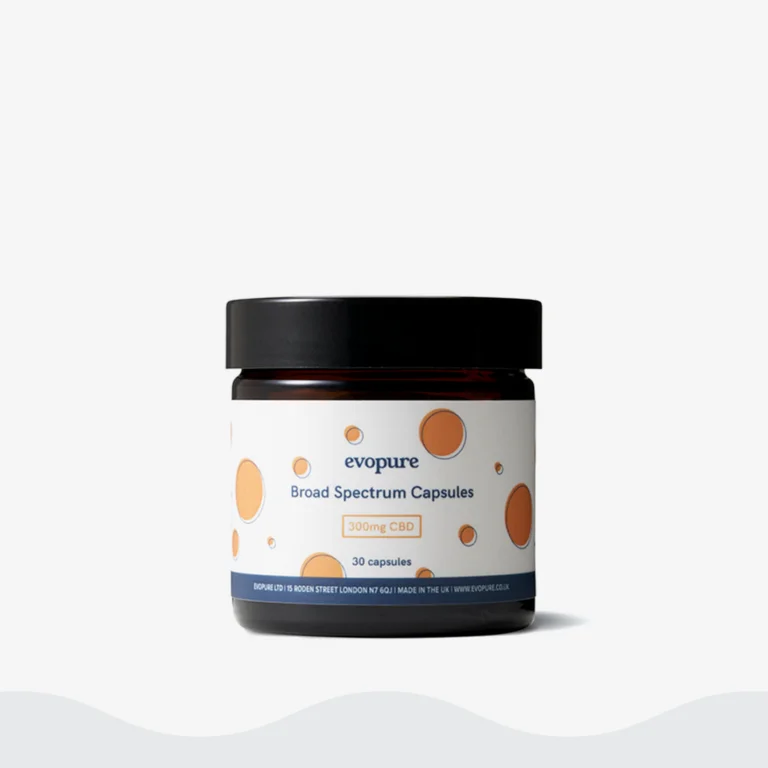
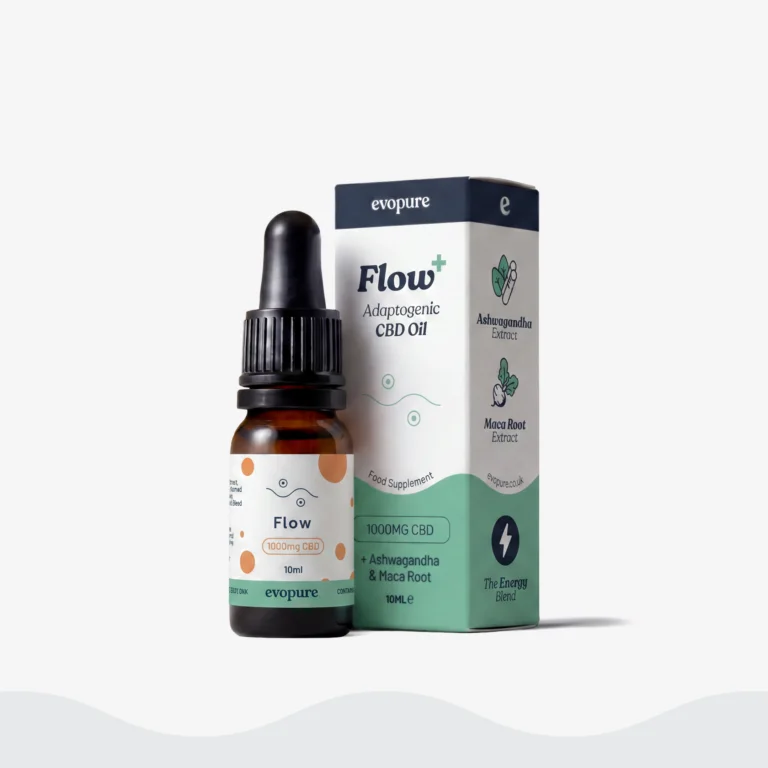
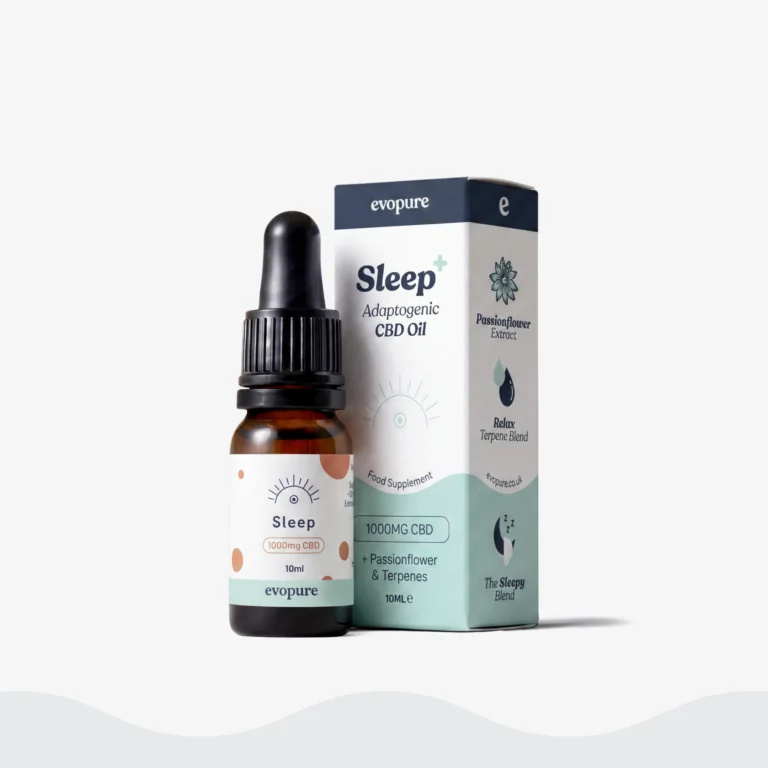
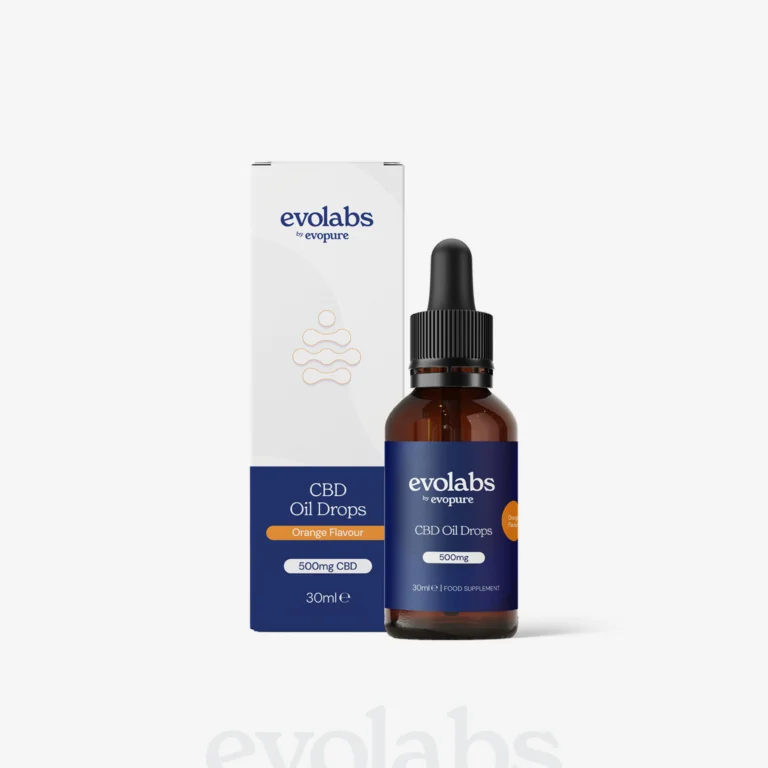
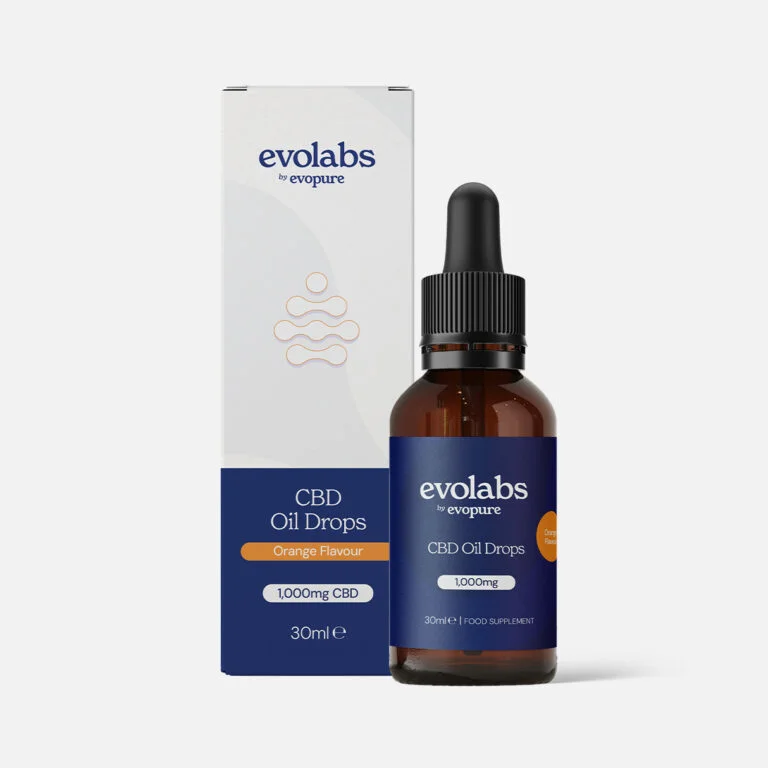
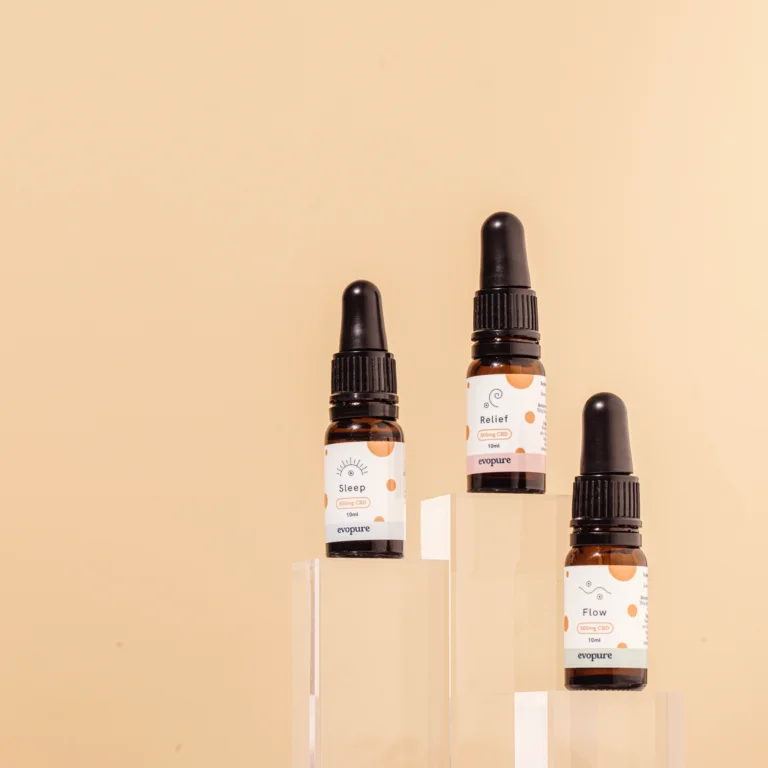
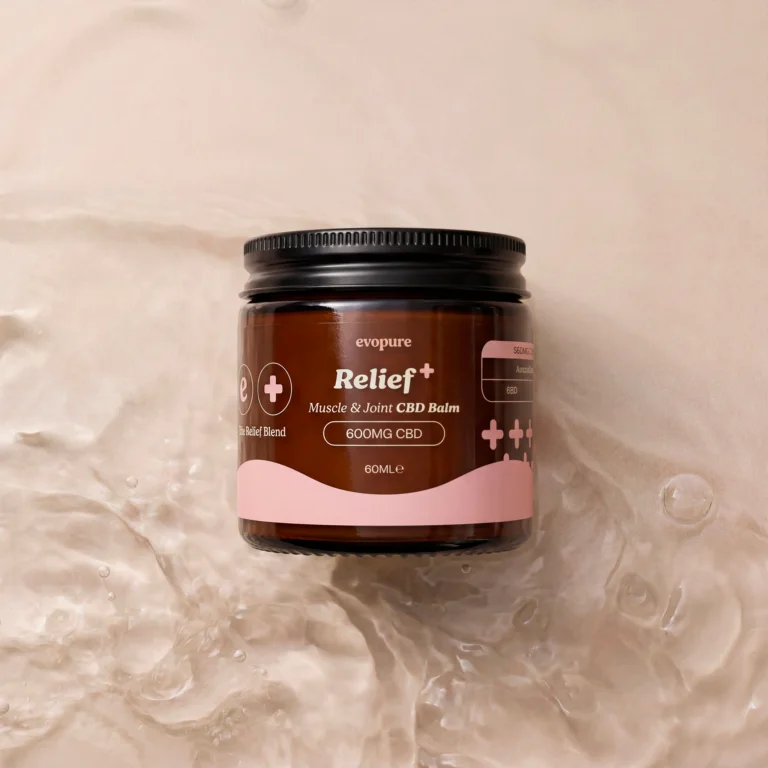
Where our products stand: Evopure’s CBD products are on the FSA’s public list, linked to validated applications RP438, RP821 and RP47. That means they can be legally sold while those applications go through the FSA’s full safety assessment. They are not among the first three recommended for authorisation, which cover about 3,000 of the 8,147 products on the list.
In other words, we are in the same position as most of the UK market. “Validated” means an application passed the FSA’s initial checks. After that comes the full safety assessment, a safety opinion, a board recommendation and, finally, a decision by ministers. We will update this page as our applications move forward.
Every batch of our CBD is third-party tested, and you can read the reports on our lab testing page.
Why 10mg, and the EU’s 2mg view
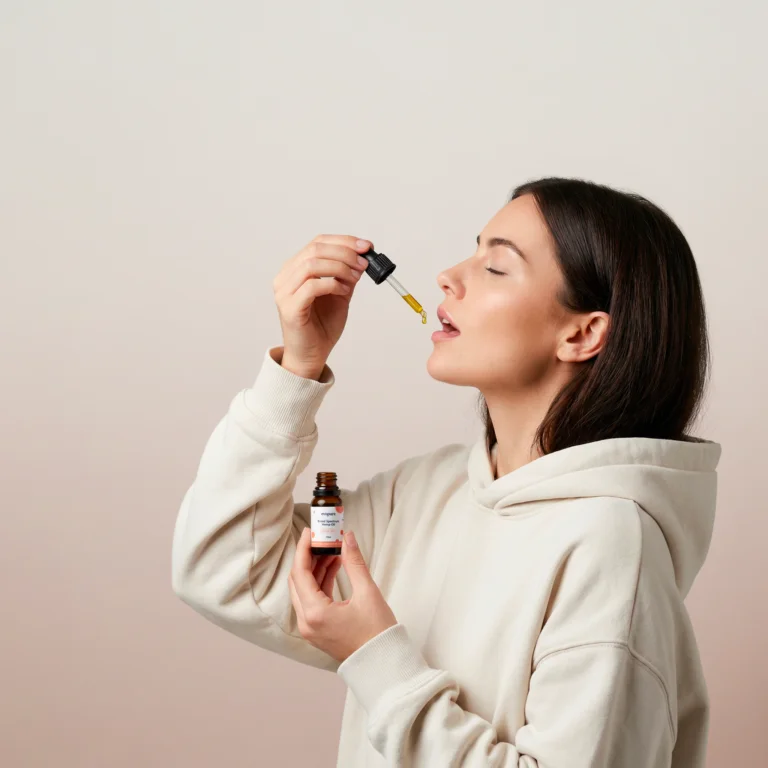
The FSA originally advised healthy adults to take no more than 70mg of CBD a day. In October 2023 it cut that to 10mg a day, which it says is roughly 4 to 5 drops of a 5% CBD oil. The new approvals use the same 10mg ceiling.
Europe has gone further. In February 2026 the European Food Safety Authority set a provisional safe level of 0.0275mg per kilogram of body weight a day for pure CBD. For a 70kg adult, that is about 2mg a day. Both regulators describe their figures as precautionary, because long-term research is still limited.
The FSA’s 10mg a day figure is precautionary advice rather than a legal limit, set while longer-term safety research continues. At Evopure we think it is a very cautious figure, and many adults use more. If you go above it, increase slowly, and check with your GP or pharmacist first if you take any medication. Our guide to the CBD daily limit in the UK goes into more detail.
“After seven years, UK customers deserve a properly regulated CBD market, so we welcome the first approvals. But 10mg is a precautionary figure, set with a large safety margin while research continues, and many adults use more. Our advice is simple: buy from a brand on the FSA public list with published lab reports, start low, and speak to your pharmacist if you take medication.”
Martin Travis, co-founder, Evopure
The twist: the UK and EU food agreement
The UK and the EU are negotiating a food and farming agreement, known as the SPS agreement, which would line up UK food rules with EU ones. The FSA’s own board papers say that once it comes into force, approvals granted in Great Britain would stop applying, and businesses would need an EU authorisation instead. The chair of the FSA has said the long-term future of the UK CBD sector is likely to lie with EU authorisations.
What that means in practice, and when, is not yet clear, and the EU’s own CBD approvals are still working through its system. For now, the UK public list is still what counts, and nothing changes for customers overnight.
What to look for when you buy CBD
This decision is a good moment to check what you are buying. Five quick checks:
- Is it on the FSA public list? A reputable brand will tell you, or you can search the list yourself on the FSA website.
- Are there lab reports? Look for an up-to-date certificate of analysis for each batch. Our guide to reading CBD lab reports shows you what to check.
- Is the THC level clear? Broad spectrum and isolate products should show no detectable THC.
- Can you work out the dose? The label should tell you how much CBD is in each drop or capsule.
- Do you take medication? CBD can interact with some medicines. Read our guide to the grapefruit warning and speak to your pharmacist.
For a fuller checklist, see how to choose a quality CBD brand, and if you are new to the terms, what full spectrum CBD means.
Timeline: how we got here
| When | What happened |
|---|---|
| January 2019 | CBD extracts are classed as a novel food, so products need approval |
| February 2020 | The FSA sets a deadline of 31 March 2021 for businesses to submit valid applications, and advises no more than 70mg a day |
| March 2022 | The FSA publishes its public list of CBD products linked to applications |
| October 2023 | The FSA lowers its advice to 10mg a day for healthy adults |
| July 2025 | The FSA sets a safe upper limit for THC in CBD products of 0.07mg a day for a 70kg adult |
| February 2026 | The European Food Safety Authority sets a provisional safe level of about 2mg a day |
| September 2026 | The FSA board backs the first three CBD authorisations and sends them to ministers |
| Next | Ministers decide; the UK and EU agreement may change who approves CBD |
FAQs
Is CBD being banned in the UK?
No. The September 2026 decision is about approving CBD products, not banning them. CBD products on the FSA’s public list can still be sold while their applications are assessed.
Do I have to stop if I take more than 10mg of CBD a day?
The FSA’s 10mg a day figure is precautionary advice for healthy adults, not a legal limit. Many adults use more. If you do, increase slowly, and check with your GP or pharmacist first if you take any medication.
What is the FSA public list?
It is the FSA’s list of CBD food products linked to novel food applications it has accepted for assessment. Products on the list can be sold while the process continues. Being on the list is not an FSA endorsement.
Are Evopure’s CBD products affected?
Our CBD products are on the FSA public list, linked to validated applications RP438, RP821 and RP47, so they can continue to be sold. They are not among the first three applications recommended for authorisation, and we will update this page as they progress.
Which CBD products have been approved?
None is fully authorised yet. The FSA board has recommended three applications, RP7, RP350 and RP427, all at least 98% pure CBD with a 10mg daily maximum. Ministers in England and Wales make the final decision.
Will CBD prices change?
Not immediately. Nothing changes on shelves until ministers decide, and brands linked to other applications carry on as before while they are assessed.
Sources
- Food Standards Agency. CBD novel food applications: recommendations to ministers on first authorisations (September 2026 board meeting).
- Food Standards Agency. Cannabidiol (CBD): consumer advice.
- Food Standards Agency. CBD products linked to novel food applications (the public list).
- European Food Safety Authority (2026). Update of the statement on safety of cannabidiol as a novel food. EFSA Journal.
- The Grocer (2026). FSA to recommend first CBD products are authorised for sale.
This article is general information, not legal or medical advice.