











Magnesium isn’t just for muscle recovery — it plays a crucial role in hormone regulation, energy balance and emotional stability. From easing PMS symptoms to supporting perimenopausal women through fluctuating oestrogen and cortisol, magnesium is quietly one of the most impactful minerals for hormonal health.
Read more: Benefits & Safety of Magnesium in Pregnancy
How Magnesium Affects Hormones
Hormones rely on minerals and enzymes to communicate effectively. Magnesium helps regulate cortisol (stress), insulin (blood sugar), and oestrogen metabolism. When magnesium is low, these pathways can become imbalanced, leading to fatigue, mood changes and menstrual discomfort.
- Supports cortisol balance: helps the body recover from daily stress.
- Stabilises blood sugar: promotes more even energy and fewer cravings.
- Assists oestrogen detoxification: supports the liver in processing hormones efficiently.
Read more: Signs of Magnesium Deficiency
Magnesium for PMS & Menstrual Symptoms
Studies show magnesium can reduce common PMS complaints such as bloating, mood swings, cramps and fatigue. It works by relaxing smooth muscle tissue, modulating neurotransmitters, and helping the body handle hormonal fluctuations more smoothly.
- Reduces uterine muscle tension and cramping.
- Calms the nervous system for fewer mood fluctuations.
- Supports serotonin and GABA, the body’s “calm” neurotransmitters.
Read more: Magnesium for PMS
Magnesium During Perimenopause & Menopause
Fluctuating oestrogen can trigger symptoms like anxiety, insomnia, hot flushes and fatigue. Magnesium supports both sleep quality and nervous system stability during these hormonal transitions. It also helps maintain bone density and heart health — two key wellness priorities for women during midlife.
- Improves sleep: by calming the nervous system and supporting melatonin.
- Reduces hot flashes: through temperature regulation and stress reduction.
- Supports bone strength: assists calcium absorption and vitamin D activation.
Read more: Magnesium for Menopause
Best Forms of Magnesium for Hormonal Balance
Magnesium Glycinate
Highly bioavailable and gentle on digestion. Glycinate supports calm, mood stability and sleep — ideal for PMS and perimenopause symptoms.
Magnesium L-Threonate
Crosses the blood-brain barrier, supporting mood, memory and cognitive function — great for stress-related brain fog or low focus around hormonal cycles.
Magnesium Citrate
Useful if bloating or water retention are part of your cycle, as it can gently support digestion and regularity.
Read more: Glycinate vs Threonate
Lifestyle & Nutrient Synergy
Magnesium works best when paired with key lifestyle and nutritional support:
- Vitamin B6: enhances magnesium’s uptake and benefits for PMS.
- Protein & omega-3s: stabilise hormones and blood sugar.
- Sleep & mindfulness: reduce cortisol spikes that deplete magnesium stores.
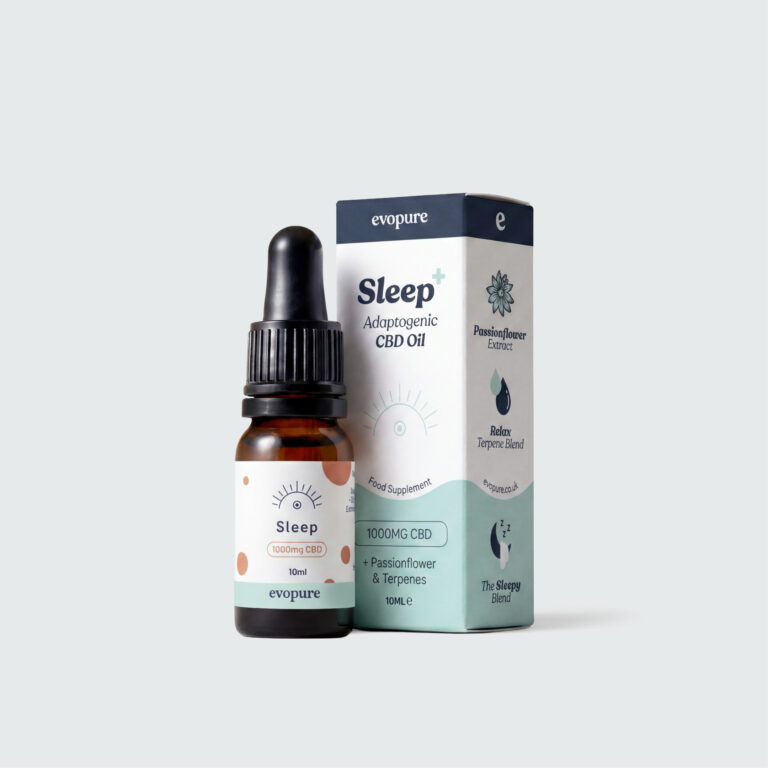
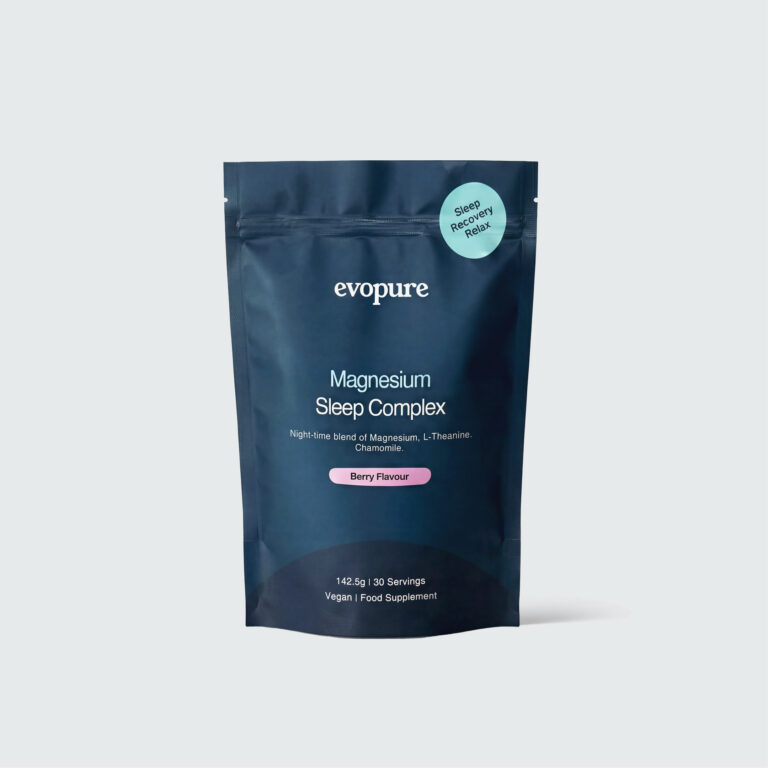
Evopure’s Magnesium Sleep Complex blends bisglycinate, citrate, and calming herbs like chamomile and passionflower to support both rest and hormonal equilibrium.
Read more: Magnesium for Sleep
Final Thoughts
Hormones influence everything from energy to mood — and magnesium quietly supports it all. Whether you’re tackling PMS, perimenopause, or day-to-day stress, optimising your magnesium intake can be a simple, natural way to restore balance from within.
FAQs
Can magnesium help with PMS mood swings?
Yes. Magnesium supports serotonin and GABA activity, helping reduce irritability, anxiety and emotional fluctuations before menstruation.
Which magnesium is best for perimenopause?
Magnesium glycinate and threonate are best suited for sleep, mood and cognitive changes experienced during perimenopause.
Can I take magnesium daily for hormones?
Yes. Consistent daily intake is key for hormone balance. Stick to 200–350 mg elemental magnesium per day unless otherwise advised.