


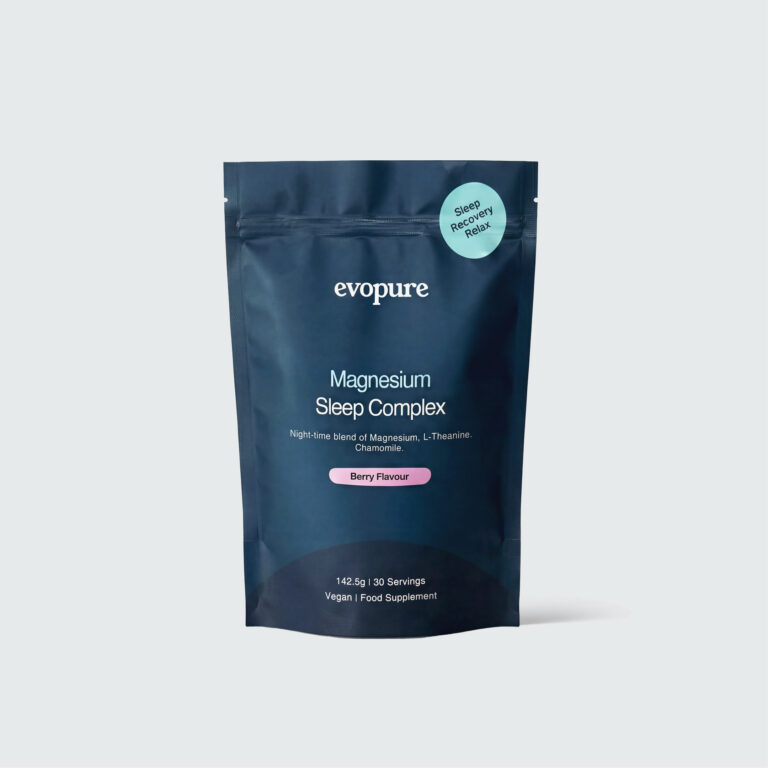








When you’re under chronic stress, your body burns through magnesium faster than almost any other nutrient. This essential mineral regulates the nervous system, supports muscle relaxation and balances mood — yet it’s estimated that more than 60% of adults don’t get enough daily.
Low magnesium levels can leave you feeling tense, restless and mentally drained — but restoring your stores can make a noticeable difference in how you handle everyday stress.
Read more: Signs You Might Be Magnesium Deficient
How Stress Depletes Magnesium
When the body experiences stress, cortisol levels rise, increasing magnesium excretion through the kidneys. Over time, this cycle can lead to deficiency — which, ironically, makes you even more sensitive to stress.
- Increased cortisol output: drains magnesium faster.
- Tense muscles & fatigue: due to low magnesium in tissues.
- Poor sleep: since magnesium supports melatonin production.
It’s a biochemical loop — stress depletes magnesium, and low magnesium heightens stress reactivity.
Read more: Magnesium for Anxiety
How Magnesium Helps Calm the Body
Magnesium is vital for nervous system balance and neurotransmitter regulation. It helps keep glutamate (an excitatory chemical) under control while supporting GABA, the neurotransmitter responsible for calm and relaxation.
- Promotes deep relaxation by reducing nerve excitability.
- Supports better sleep by activating GABA and melatonin pathways.
- Helps lower cortisol for better focus and emotional stability.
- Protects heart and muscle function under physical or mental strain.
Read more: Magnesium for Sleep
Best Forms of Magnesium for Stress Relief
Magnesium Glycinate
The most calming form — easy on the stomach, highly bioavailable, and particularly effective for sleep and mood support.
Magnesium Threonate
Targets the brain and nervous system. Helps sharpen focus and reduce anxiety-driven mental fatigue.
Magnesium Citrate
Supports gut-brain balance and relaxation, ideal for those who experience digestive tension when stressed.
Read more: Magnesium Glycinate vs Threonate
Pairing Magnesium with CBD & Adaptogens
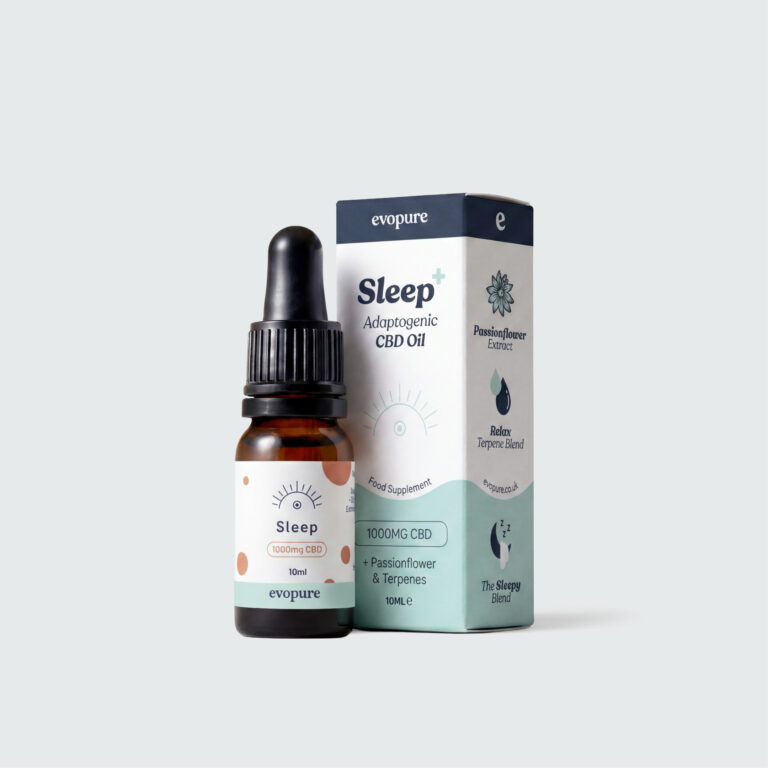
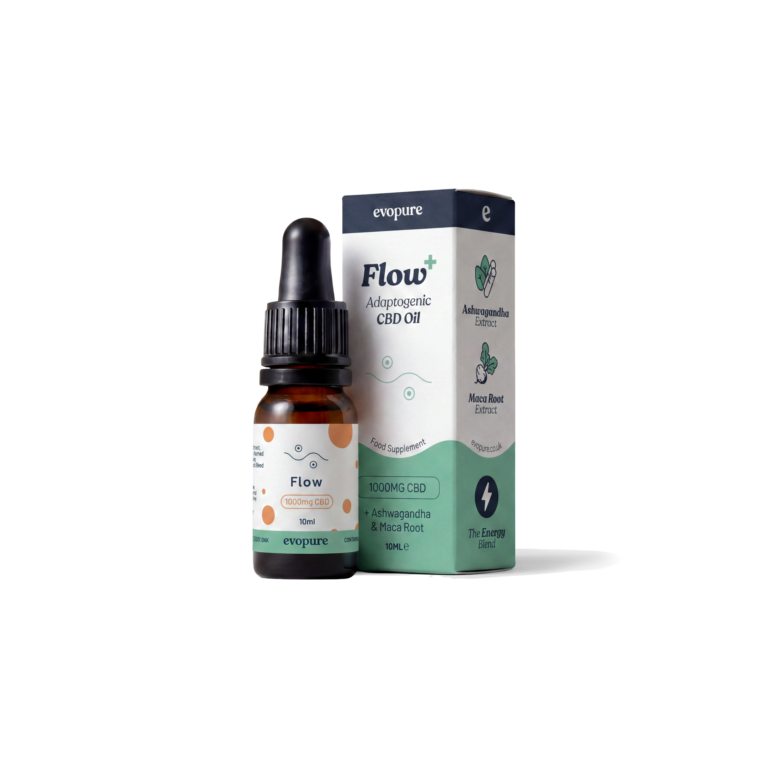
Combining magnesium with CBD and adaptogenic herbs like ashwagandha or passionflower enhances its calming benefits. This trio supports both the nervous system and adrenal glands — helping the body adapt to modern stressors naturally.
- CBD: balances the endocannabinoid system for mood stability.
- Ashwagandha: regulates cortisol and energy balance.
- Magnesium: relaxes muscles and supports deep rest.
Read more: CBD and Ashwagandha: A Powerful Duo
Final Thoughts
Whether your stress is mental, emotional or physical, magnesium is one of the simplest, most evidence-based ways to support recovery. Over time, consistent intake can help your body respond more calmly to life’s challenges — and help you sleep better at night, too.
FAQs
Can magnesium help with anxiety?
Yes — magnesium helps regulate GABA and serotonin activity, both crucial for reducing anxiety and calming the nervous system.
How long does it take for magnesium to work for stress?
Most people notice improved relaxation and sleep within 1–2 weeks of consistent use.
What time of day should I take magnesium for calm?
Evening is ideal — magnesium supports melatonin production and nighttime muscle relaxation.