




Updated June 2026
The key point: CBD is not the same as cannabis intoxication — but UK drug-driving enforcement focuses on controlled drugs like THC, and some CBD products can contain trace THC. This guide explains UK roadside drug tests, the legal risk factors, and how to make safer choices in 2026.
This article is educational only and not legal advice. If driving safety or workplace testing is critical for you, speak to a qualified professional and choose products carefully.
Is it legal to drive after taking CBD in the UK?
CBD itself isn’t what police roadside tests are designed to detect. Two offences matter here:
- Driving while unfit (impairment-based) — if you’re visibly impaired, you can be arrested.
- Driving over the specified controlled drug limit — for cannabis, the “specified drug” is THC and the offence can apply above a set threshold.
Practical takeaway: If CBD makes you drowsy, dizzy, or “not quite right,” don’t drive. And if your CBD contains THC, the risk rises.
How UK roadside drug tests work
Police can use a roadside drug screening kit and can ask you to do a field impairment assessment if they suspect drug use. UK roadside drug kits commonly screen for cannabis (THC) and cocaine — not CBD. If a screening test is positive, you can be arrested and required to provide an evidential blood sample at a police station.
The real risk: THC in CBD products
If someone fails a drug test after CBD, the cause is rarely CBD itself — it’s usually THC exposure. Full-spectrum products may legally include trace THC. Some products are mislabelled or vary by batch. Using higher doses increases the chance of accumulating trace THC.
Even if a product is sold as “legal,” drug-driving enforcement is about controlled drugs in your system and safety on the road.
How to reduce risk if you use CBD and drive
1) Choose THC-free options
Many drivers prefer broad-spectrum or isolate options designed to be THC-free/non-detectable.
2) Keep your dose low and consistent
Higher doses increase the chance of drowsiness and may increase trace compound build-up.
3) Don’t drive if you feel sedated
Even with THC-free products, CBD can make some people sleepy — especially combined with alcohol or antihistamines.
4) Consider topical CBD
If your goal is targeted body support, topical use avoids ingesting CBD altogether.
5) Save “sleep blends” for night-time
Take calming evening products when you’re done driving for the day — not before a commute.
Broad-spectrum vs full-spectrum vs isolate for drivers
Full-spectrum CBD
May contain trace THC. Higher driving risk if you’re THC-sensitive or drug testing is strict.
Broad-spectrum CBD
Designed to be THC-free/non-detectable. Often chosen by people who drive regularly and want a lower-risk profile.
CBD isolate
CBD only — simple and predictable. Often preferred when driving risk is a major concern.
Key point: No CBD product can be guaranteed “zero risk” for every scenario — but product type, batch transparency, and dose make a big difference.
Evopure options: choosing a safer format
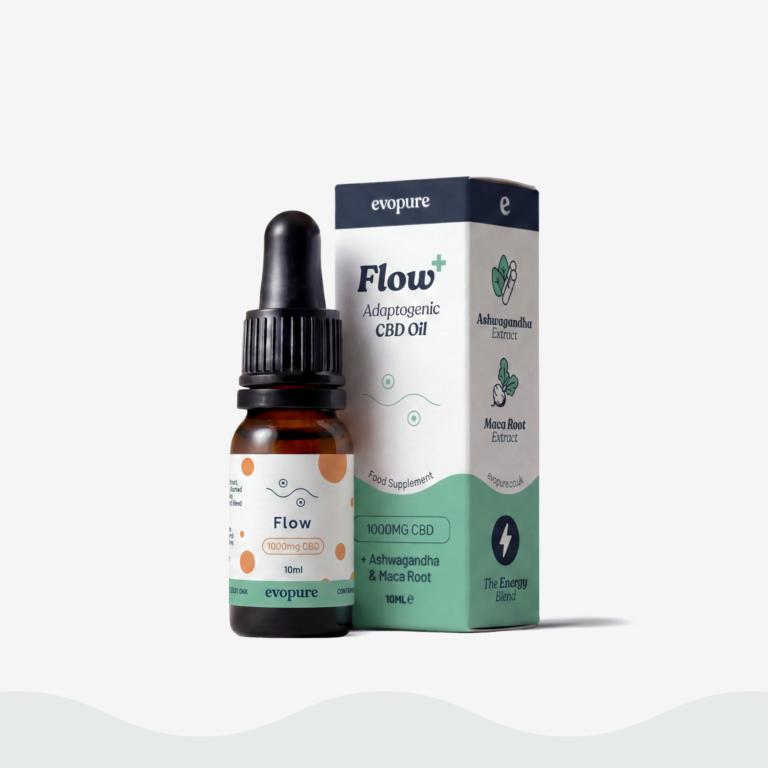
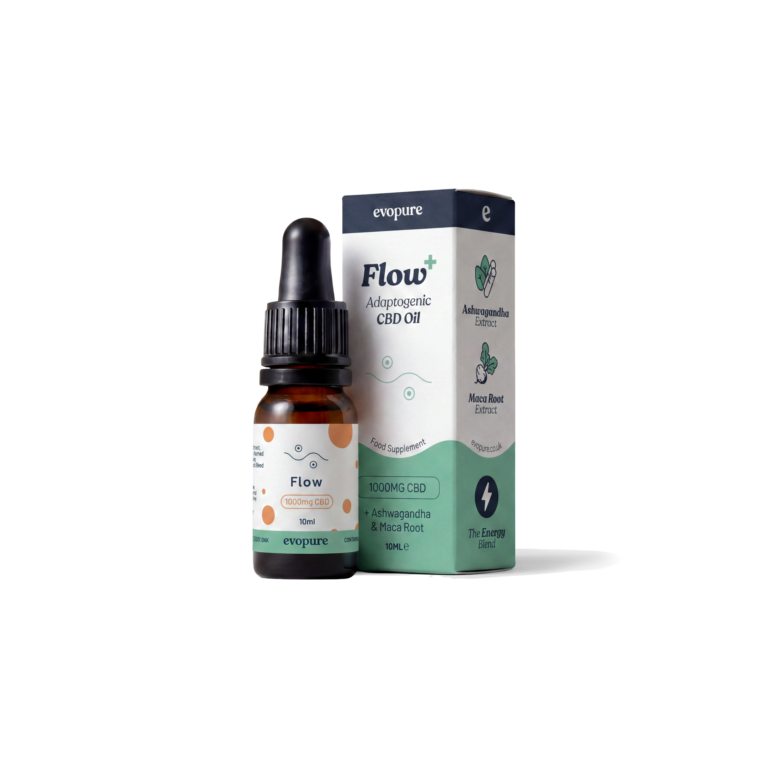
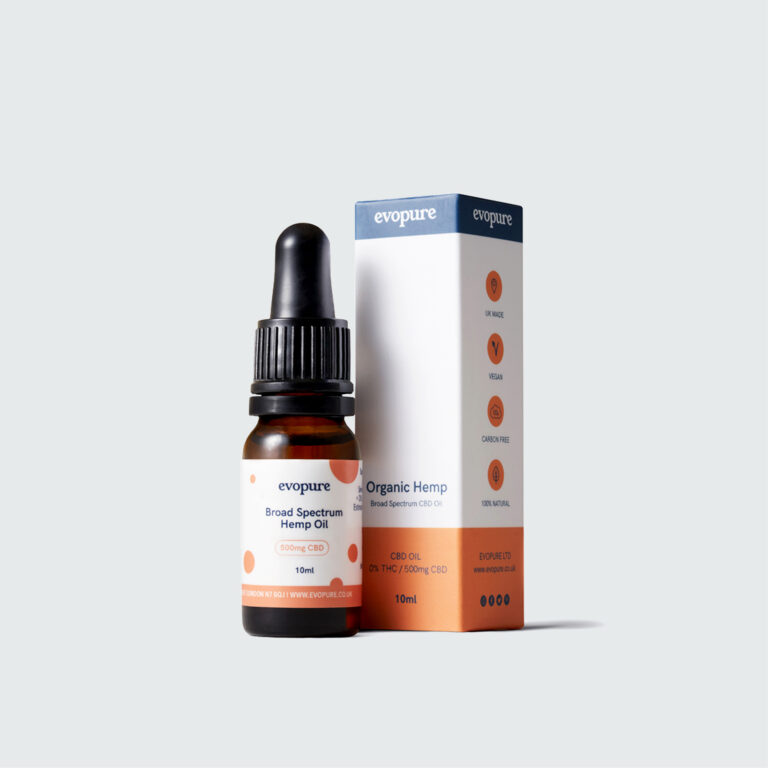
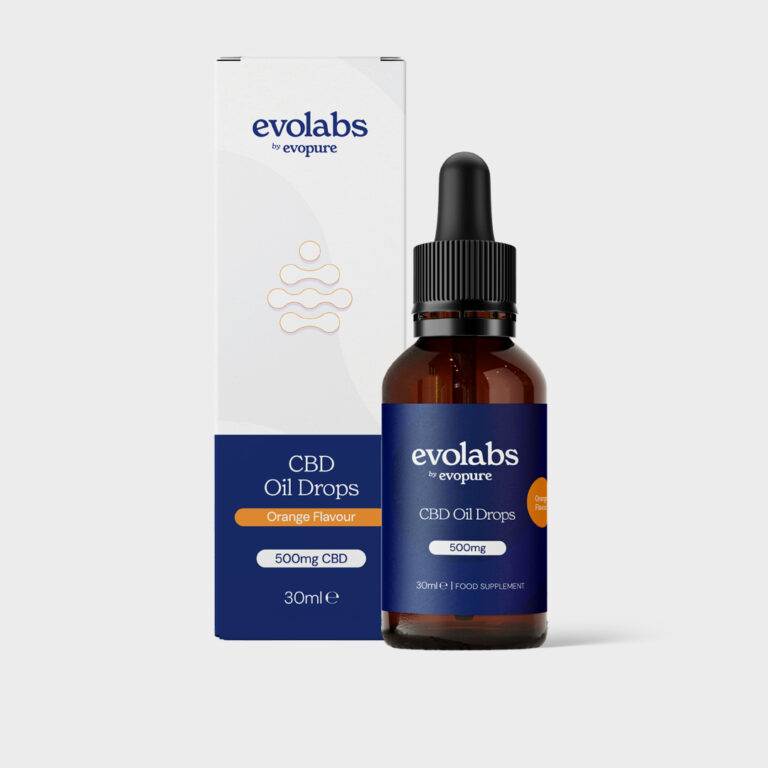
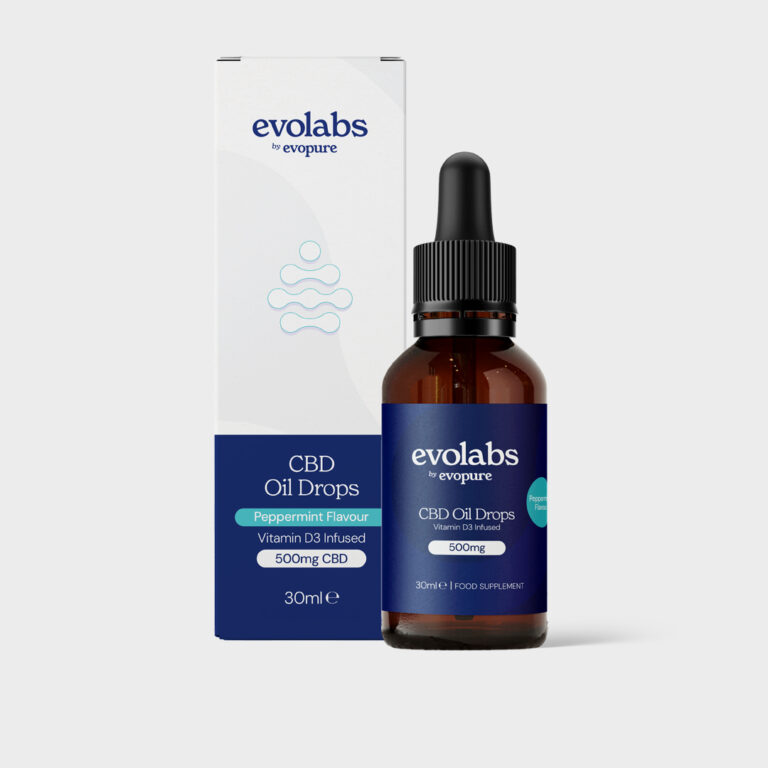
- Flow CBD Oil — daytime calm & balance, broad-spectrum
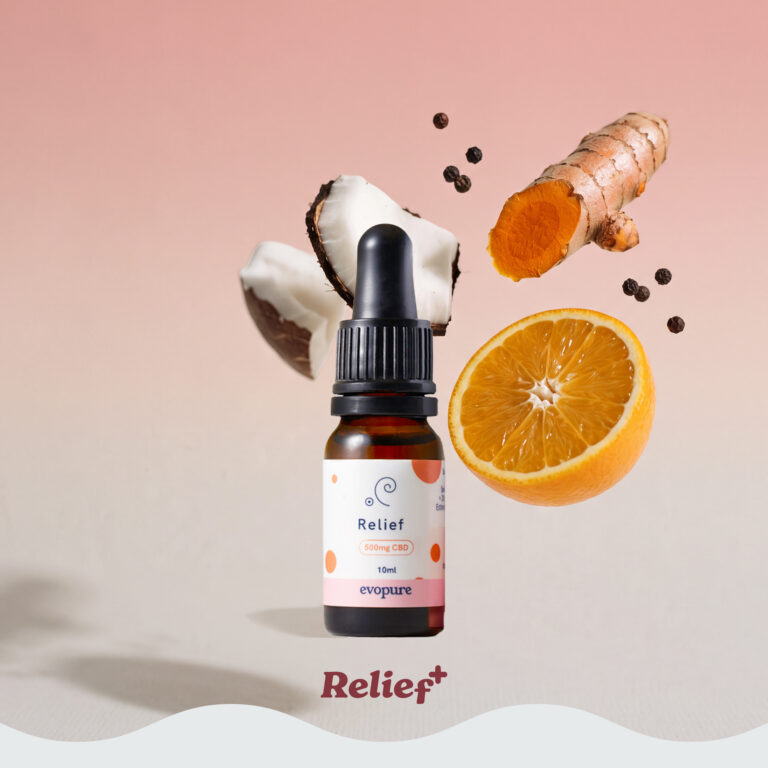
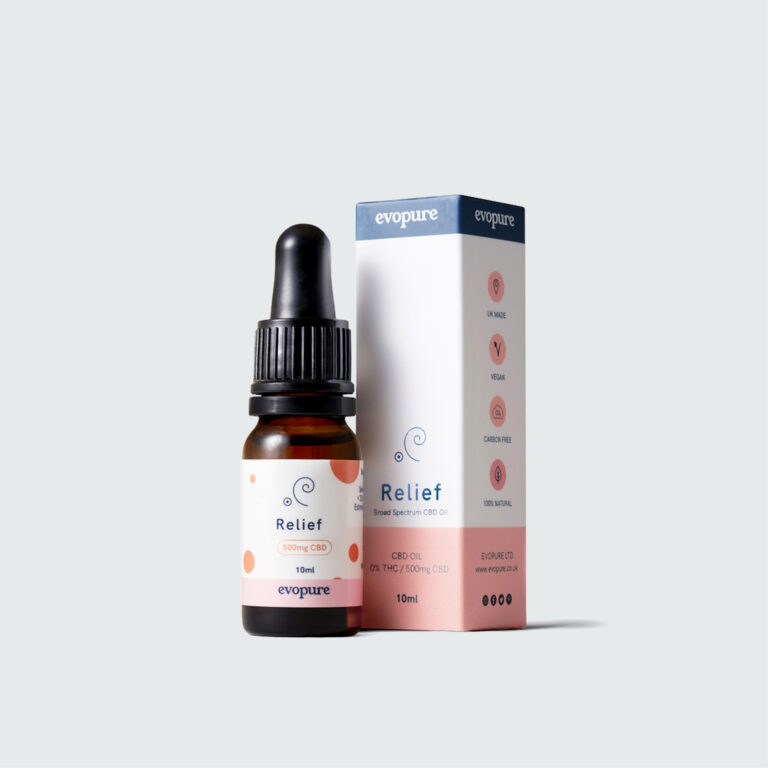
- Relief CBD Oil — recovery-focused, broad-spectrum
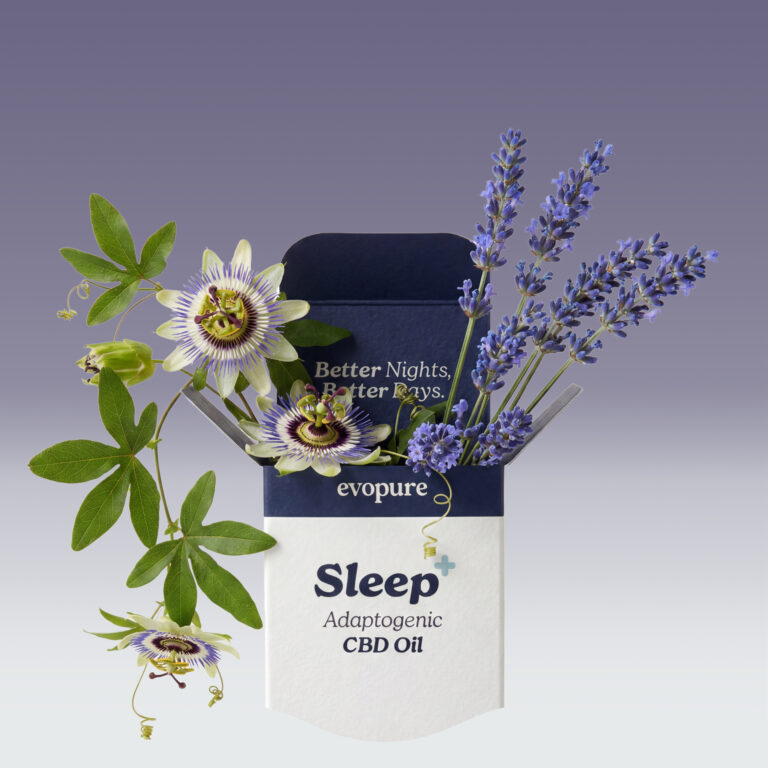
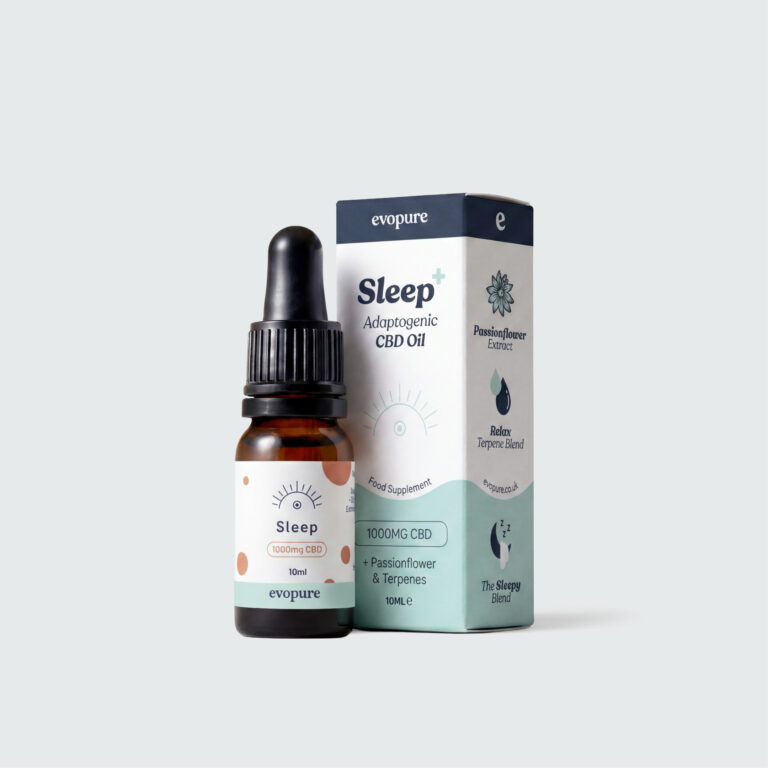
- Sleep CBD Oil — best kept for evenings when you’re finished driving
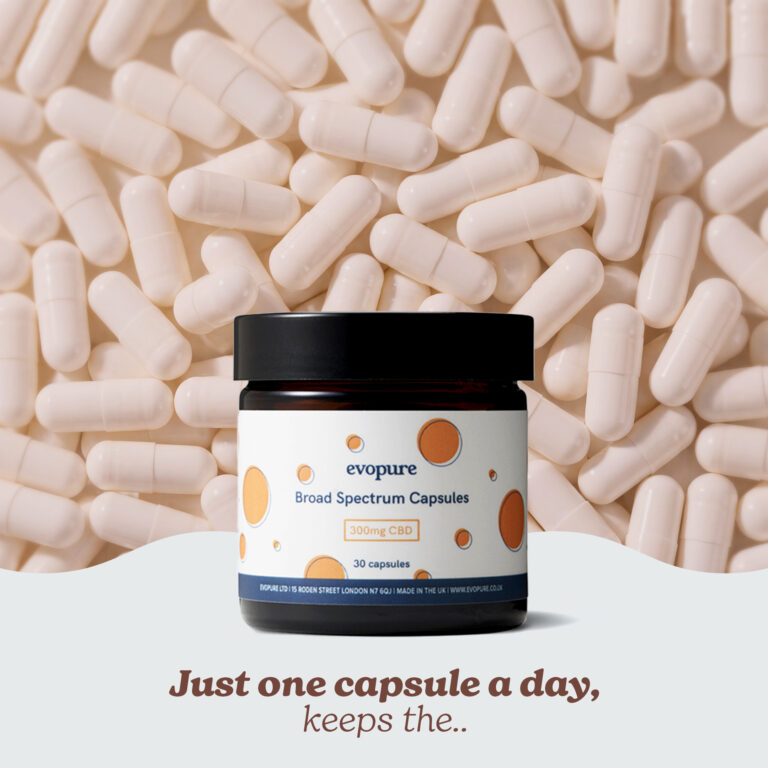
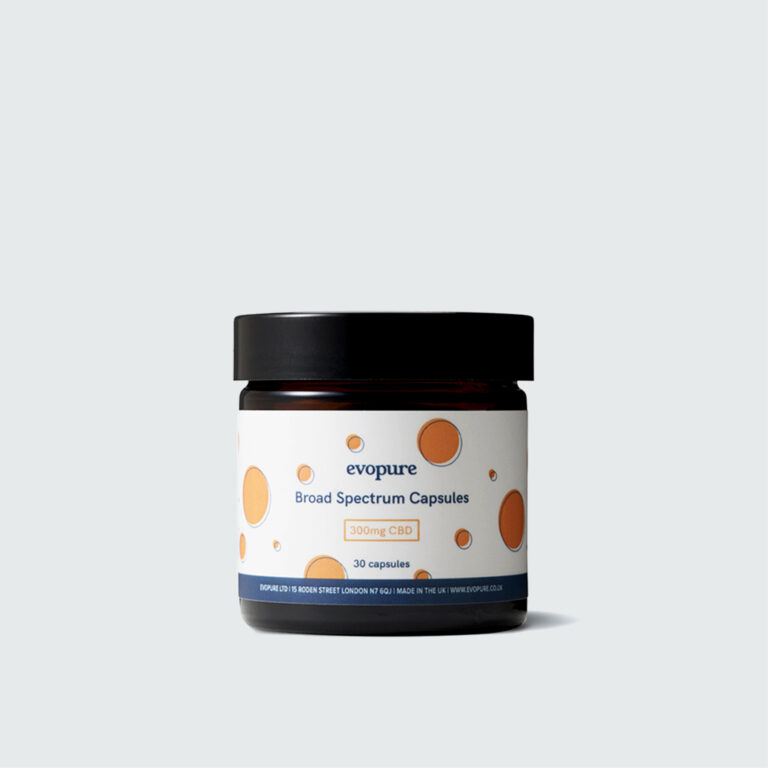
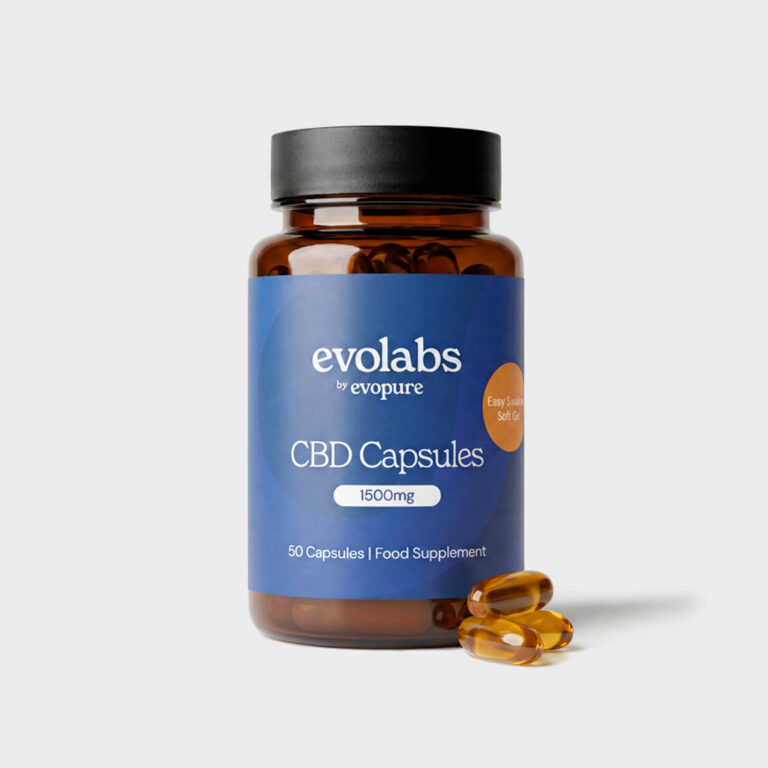
- CBD Capsules — fixed dosing, slower onset
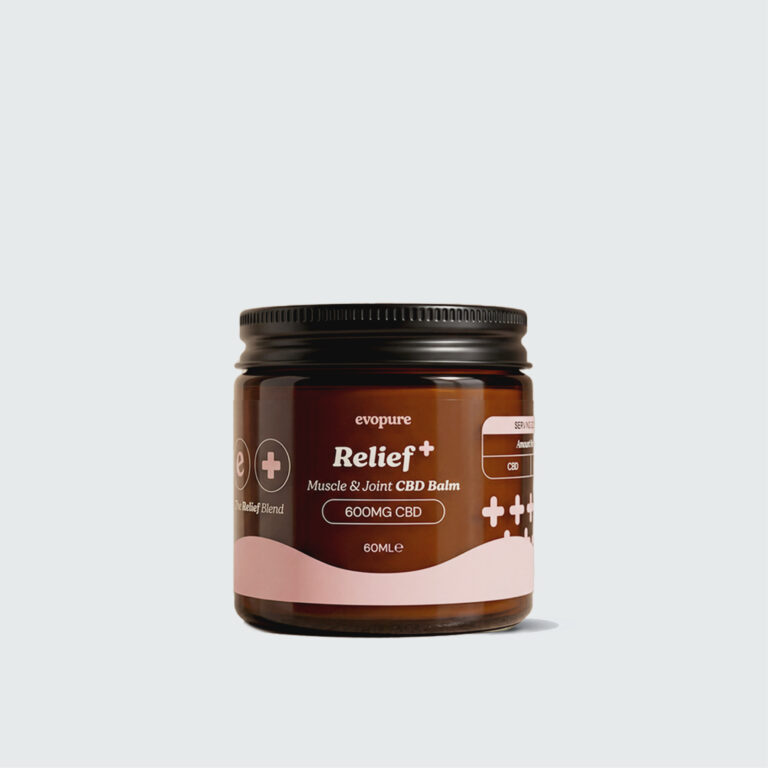
- CBD Balm — topical, no ingestion
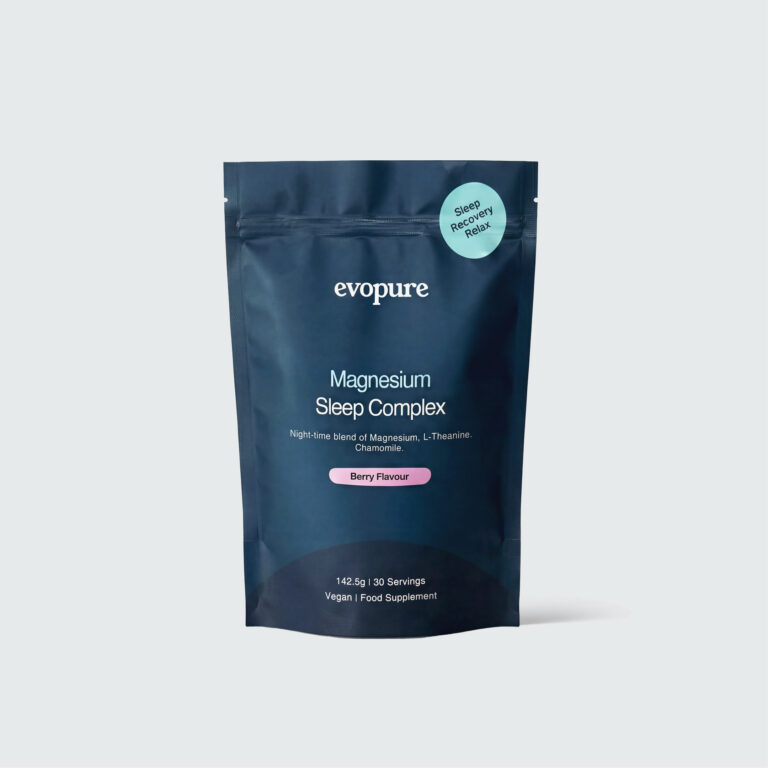
- Magnesium Sleep Blend — non-CBD option for driving-heavy weeks
Frequently asked questions
Can I legally drive after taking CBD in the UK?
CBD is not what UK roadside screens are designed to detect. The key risk is THC exposure and impairment. If you feel drowsy or unwell, do not drive.
Do UK roadside drug tests detect CBD?
Roadside drug kits commonly screen for cannabis (THC) and cocaine — not CBD. If your CBD product contains THC, that’s where risk comes from.
What’s the safest CBD type if I drive often?
Many drivers prefer broad-spectrum or isolate options designed to be THC-free/non-detectable, plus low, consistent dosing and careful timing.
Is CBD balm safer for driving concerns?
Topical CBD is applied to the skin and may be a better fit if you want body support without ingesting CBD before driving.
Final thoughts
In the UK, the driving conversation isn’t really about CBD — it’s about THC risk and impairment. If driving is critical for work or family life, take a conservative approach: choose THC-free/non-detectable options, keep doses low, avoid sedating stacks, and don’t drive if you feel impaired.